
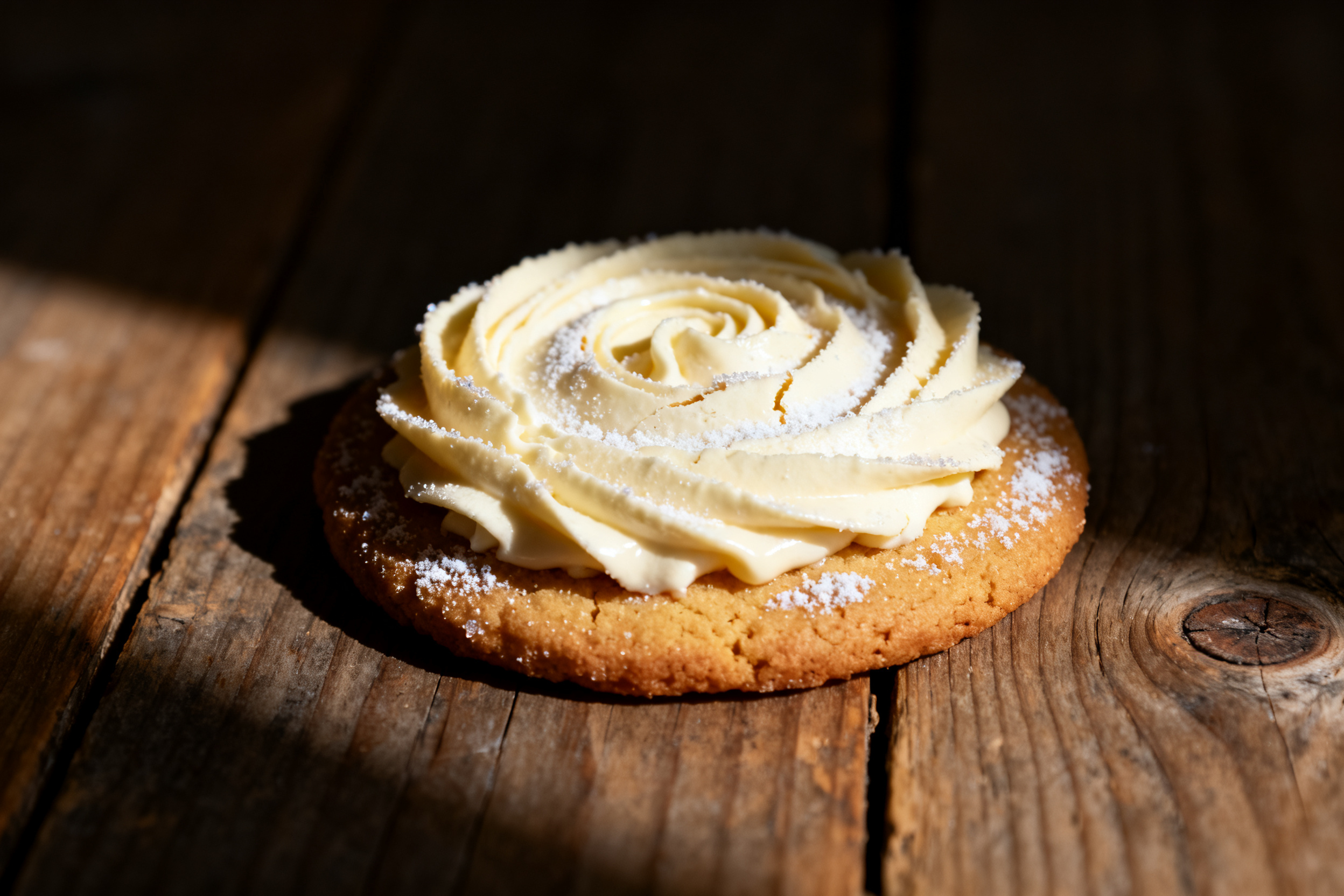
I have a confession. I spent way too much money at Crumbl last year. You know the drill — you see that giant, frosted sugar cookie in the window and you just have to have it. Then you take one bite and realize it’s basically a sugar bomb with a side of regret.
This easy sugar cookie recipe changes everything. It’s softer, buttery-er, and actually tastes like a real cookie, not just sweet nothing. Plus, you can make a batch for the price of one of their cookies. That’s a win in my book.
Ready to ditch the drive-thru and impress your friends? Let’s get baking.
1. Allergens
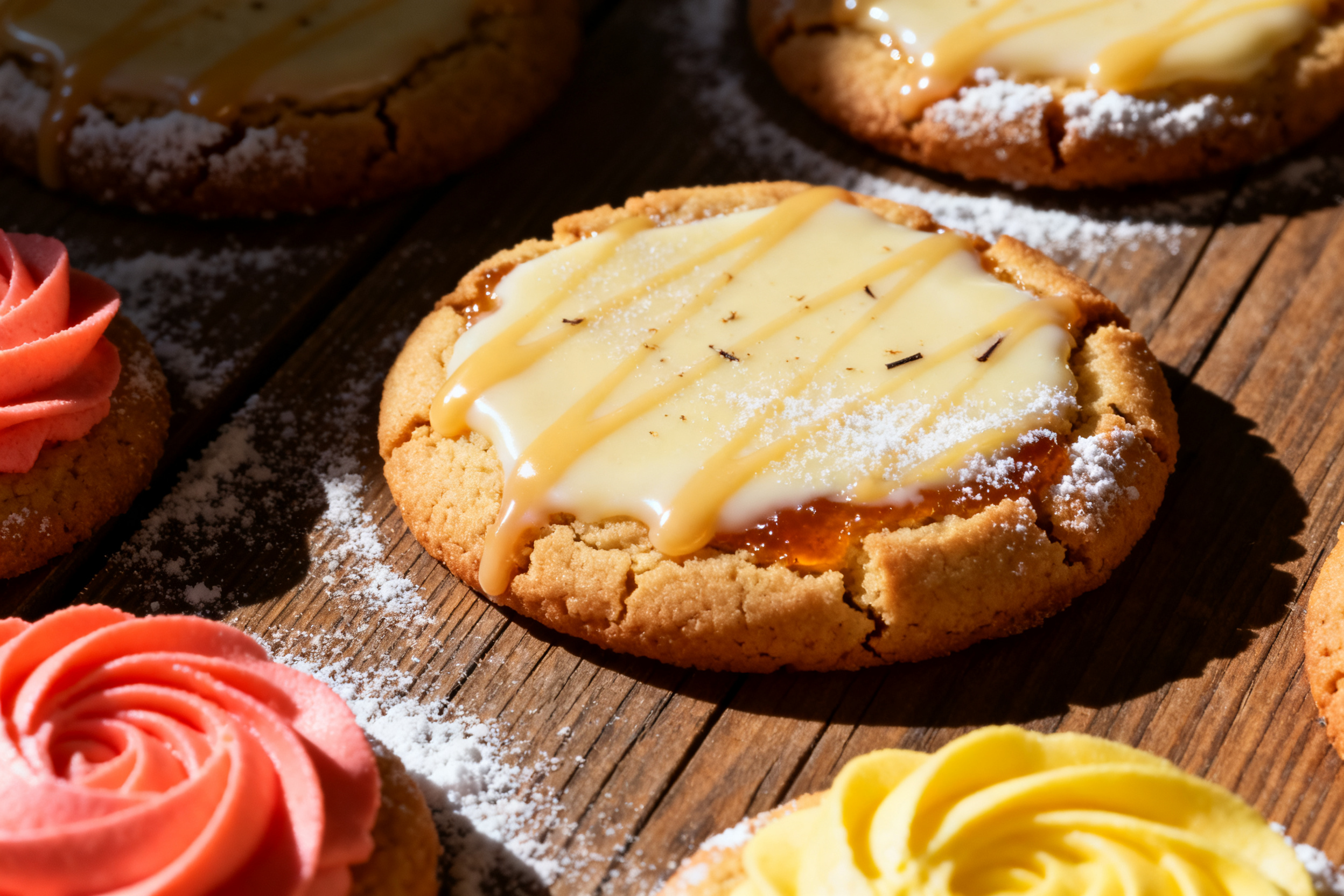
This recipe contains gluten from all-purpose flour, dairy from butter and milk, and eggs. If you’re serving someone with celiac disease, swap in a 1:1 gluten-free flour blend. For a dairy-free version, use vegan butter and your favorite plant-based milk. The texture will be slightly less tender, but still delicious.
For a nut-free option, this recipe is naturally nut-free as written. Just double-check your vanilla extract and any decorative sprinkles for cross-contamination warnings. I always buy certified brands to be safe.
2. Ingredient notes & substitutions
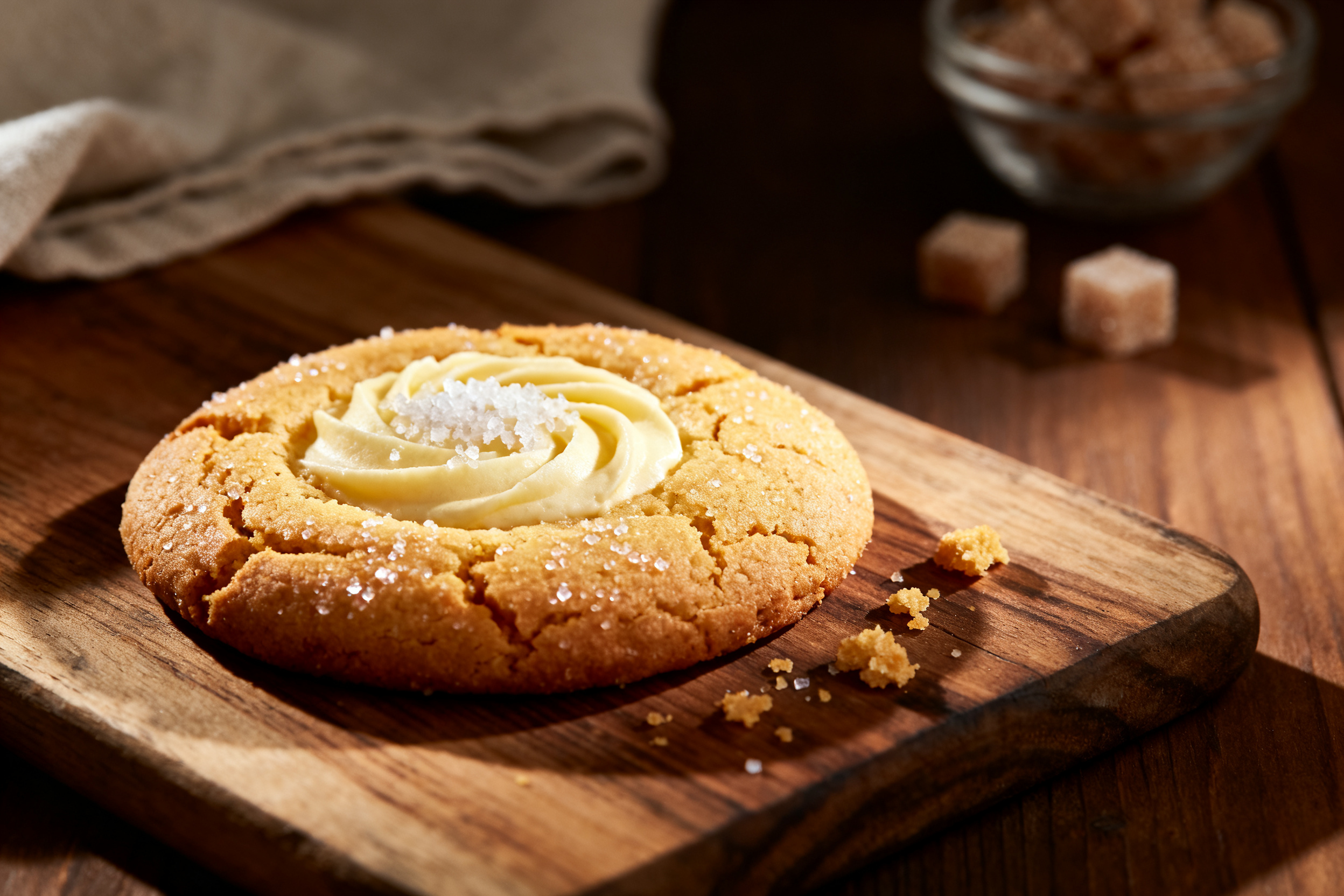
Butter is the star here. Use unsalted butter so you control the salt. Make sure it’s softened to room temperature — not melted, not rock hard. Cold butter won’t cream properly, and melted butter makes flat cookies.
For the sugar, classic granulated white sugar is best. Brown sugar adds too much moisture and changes the flavor. If you’re out of vanilla extract, you can use vanilla bean paste or even almond extract for a twist. Just use half the amount since almond is stronger.
3. Pro tips
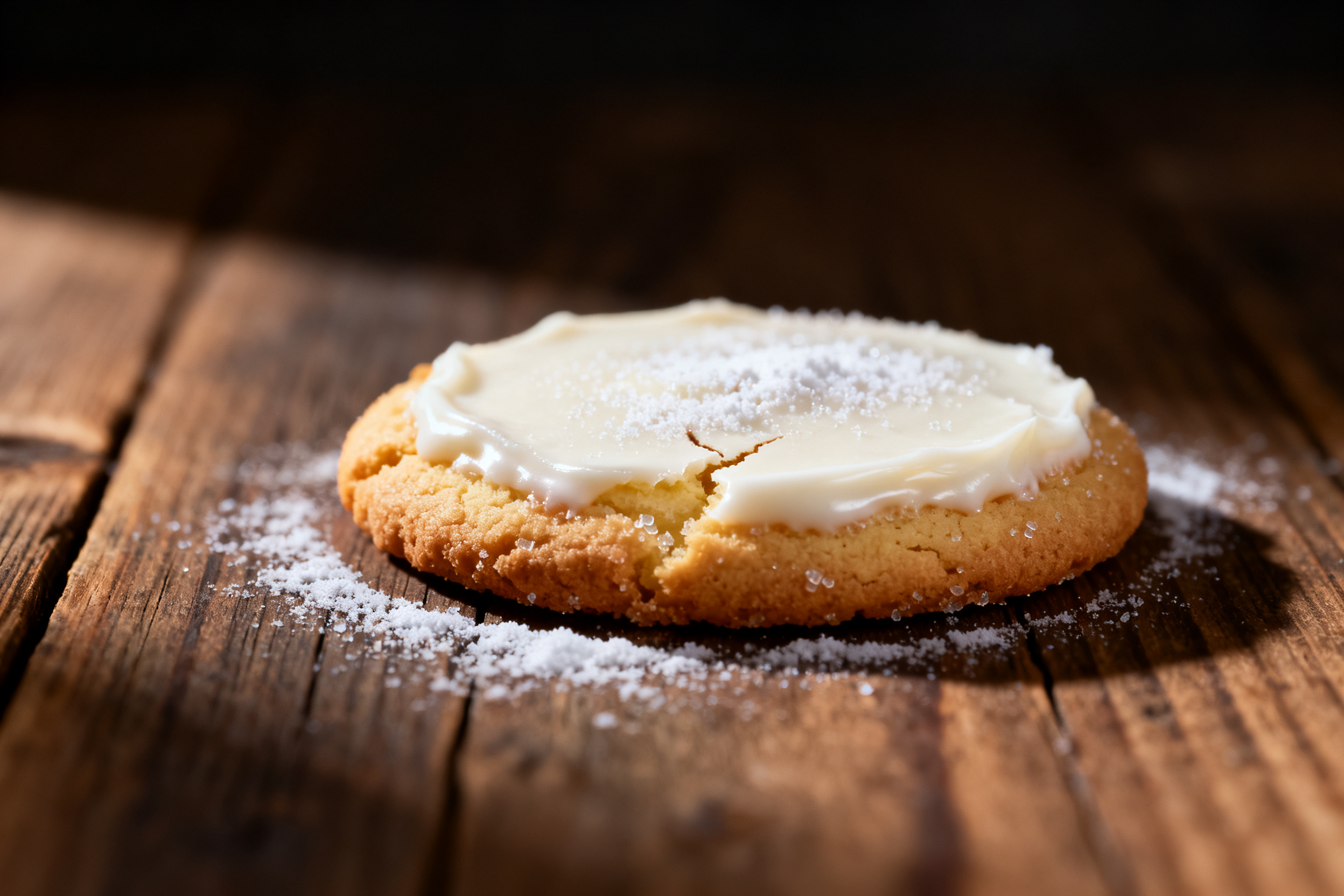
Chill the dough. I know, I know, you want cookies now. But chilling for at least 30 minutes prevents spreading and gives you that thick, bakery-style center. Pop the shaped dough balls in the fridge while your oven preheats.
Use a cookie scoop for even sizes. This ensures every cookie bakes at the same rate. No more burnt edges on one and raw middles on another.
Don’t overbake. Pull the cookies out when the edges are just set and the centers look slightly underdone. They’ll continue baking on the hot sheet for another minute. Trust me on this one.
4. Storage & make-ahead (fridge/freezer)
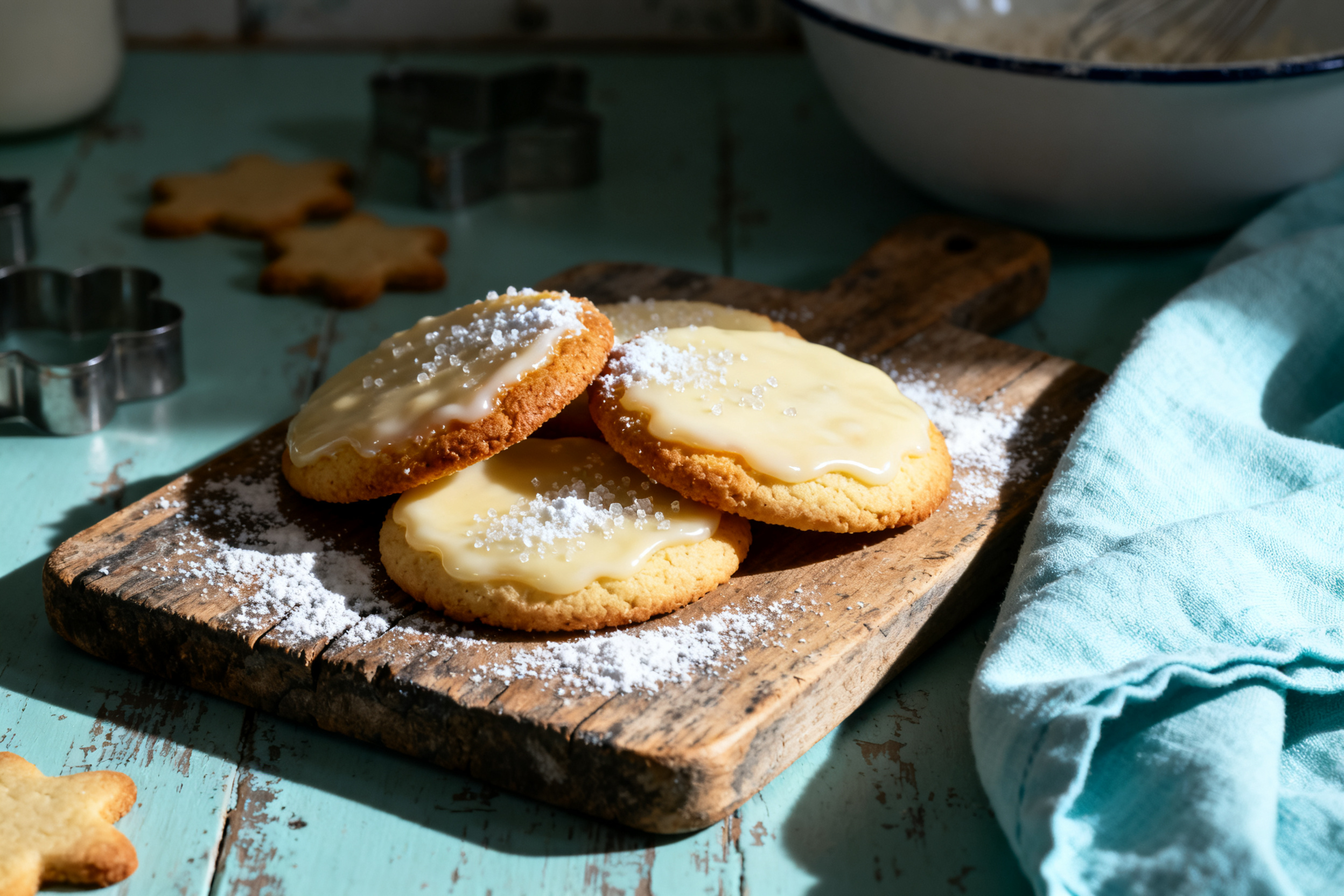
Store baked cookies in an airtight container at room temperature for up to five days. Place a slice of bread in the container to keep them soft — the bread absorbs excess air and the cookies stay chewy. Just replace the bread every couple of days.
For make-ahead, freeze the unbaked dough balls on a baking sheet until solid, then transfer to a zip-top bag. Bake directly from frozen, adding two extra minutes to the bake time. This is my secret for fresh cookies in ten minutes flat.
5. Serving suggestions (complete the meal)
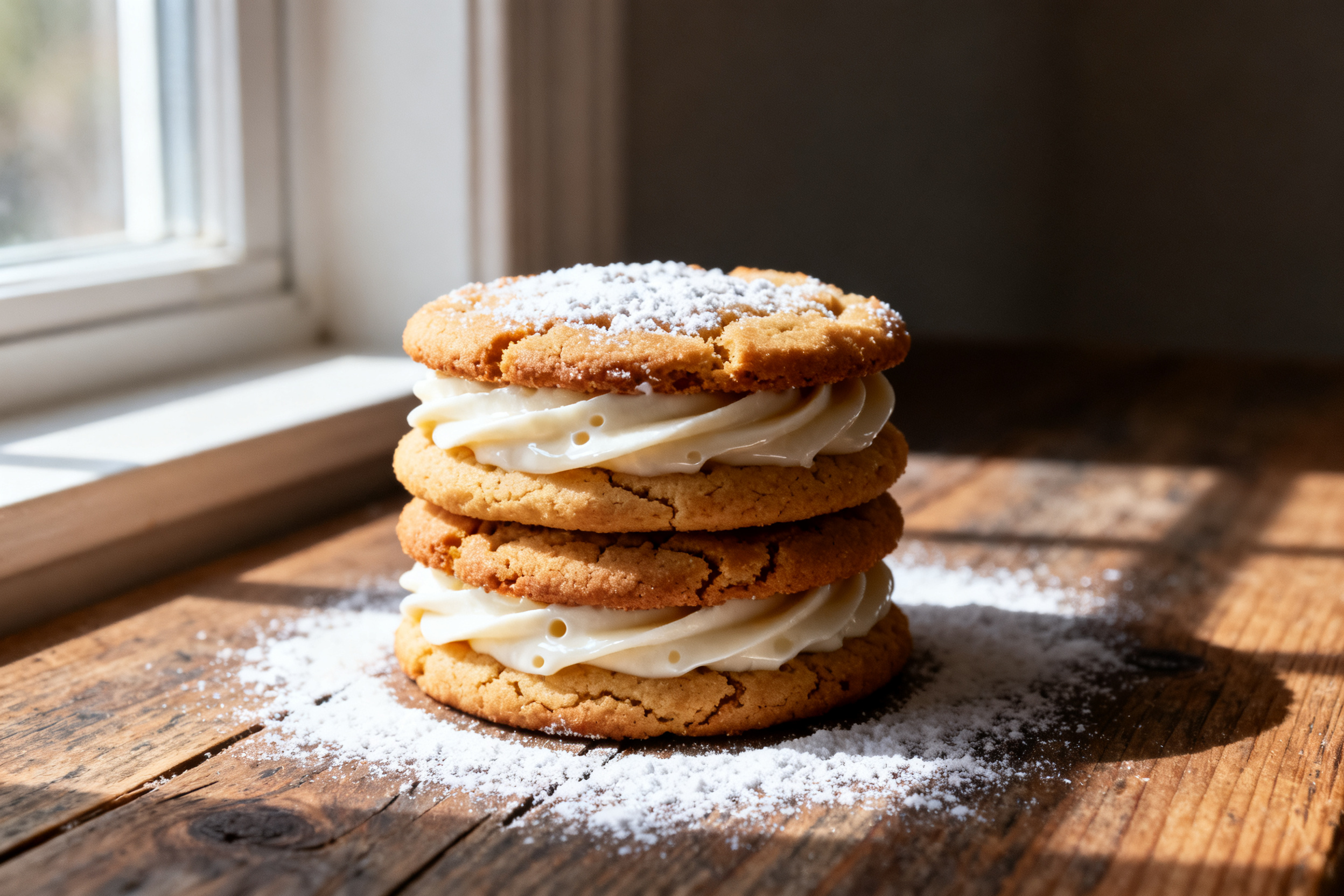
These cookies are perfect on their own, but they shine with a cold glass of milk or a hot cup of coffee. For a dessert board, arrange them alongside fresh berries, dark chocolate chunks, and a dollop of whipped cream.
They also make amazing ice cream sandwiches. Just soften your favorite vanilla or strawberry ice cream, spread it between two cookies, and freeze for an hour. You’ll never buy a store-bought ice cream sandwich again.
If you’re hosting a party, serve them warm with a drizzle of caramel sauce and a sprinkle of flaky sea salt. It’s a simple upgrade that looks fancy.
6. “Use your leftovers” (reduce waste)
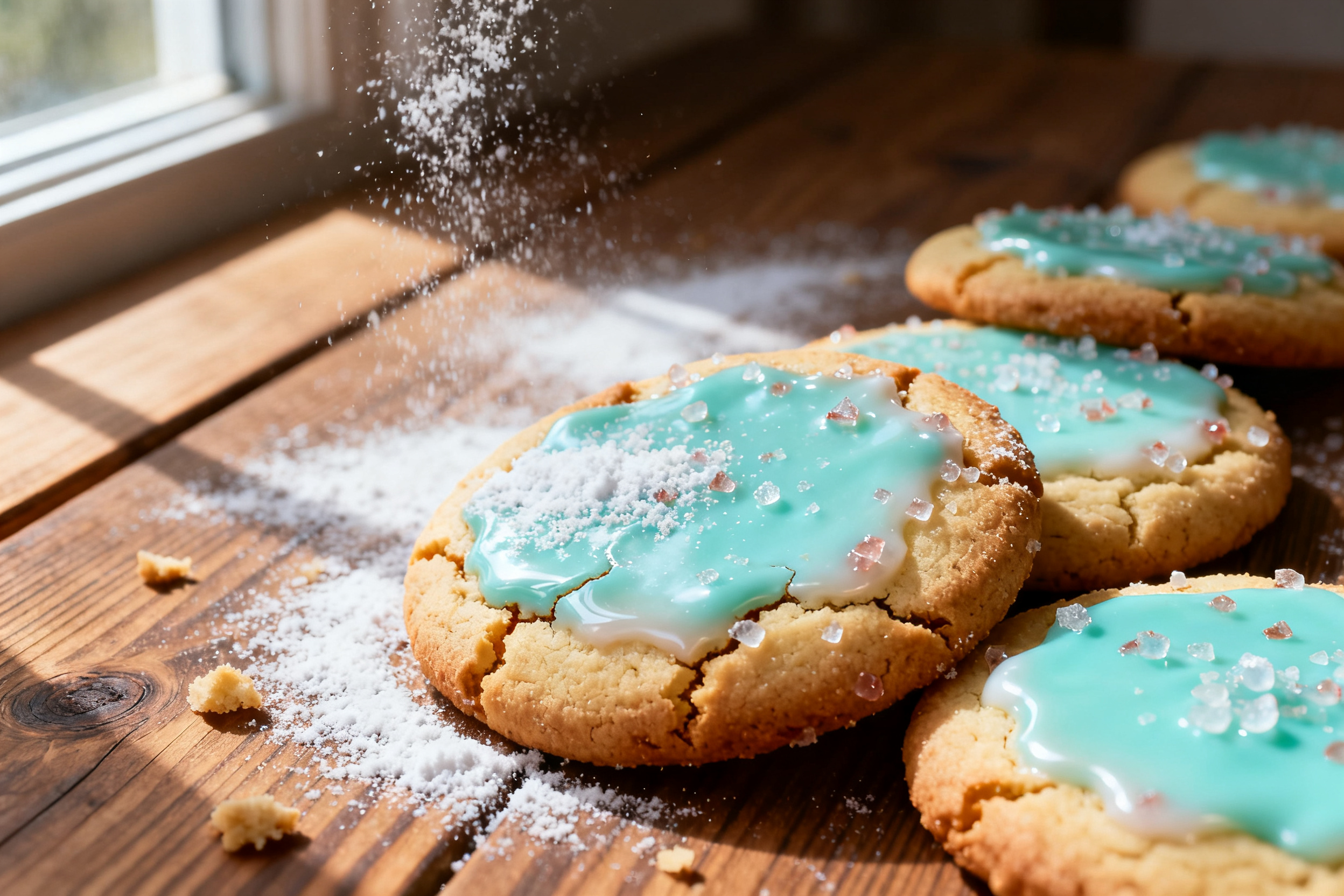
Stale cookies? Don’t toss them. Crumble them up and use as a topping for yogurt, ice cream, or even a quick cheesecake crust. The buttery flavor works great in desserts.
You can also turn leftover cookies into a trifle. Layer crumbled cookies with whipped cream and berries in a glass. It’s a five-minute dessert that looks like you spent hours on it.
7. Common mistakes & how to fix them
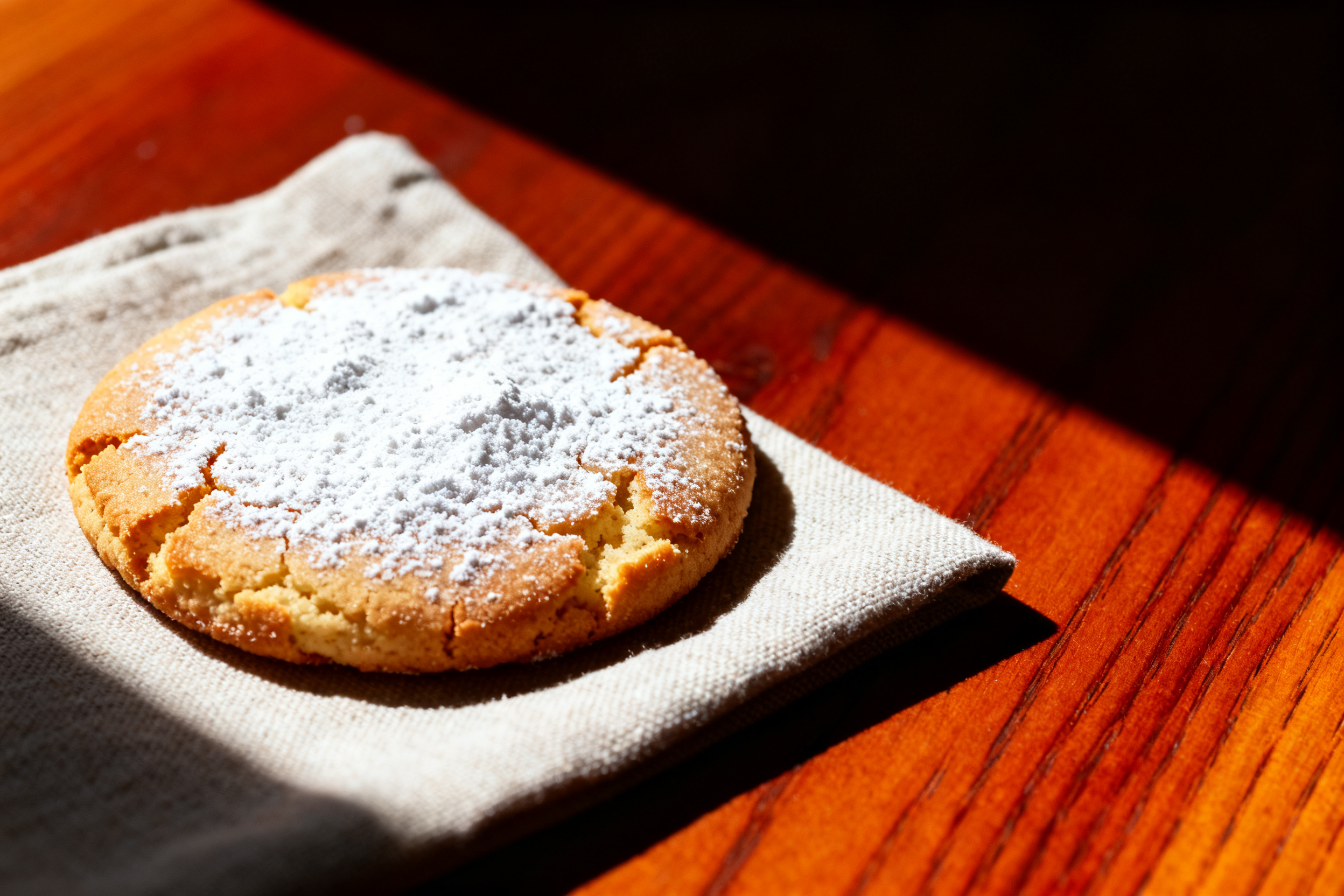
If your cookies spread into flat pancakes, your butter was too warm or you skipped the chill time. Next time, chill the dough for a full hour. If they’re too dry, you likely overmeasured the flour. Spoon and level your flour — don’t scoop directly from the bag.
Burnt bottoms? Your baking sheet might be too dark or you baked on the lower rack. Use a light-colored sheet and bake in the middle of the oven. If the tops are pale but bottoms are dark, your oven runs hot. Invest in an oven thermometer — they’re cheap and save your cookies.
If your icing is too runny, add more powdered sugar one tablespoon at a time. Too thick? Add milk a teaspoon at a time. The perfect consistency is thick enough to hold a ribbon for a few seconds when you lift the spoon.
8. Variations by diet or flavor profile
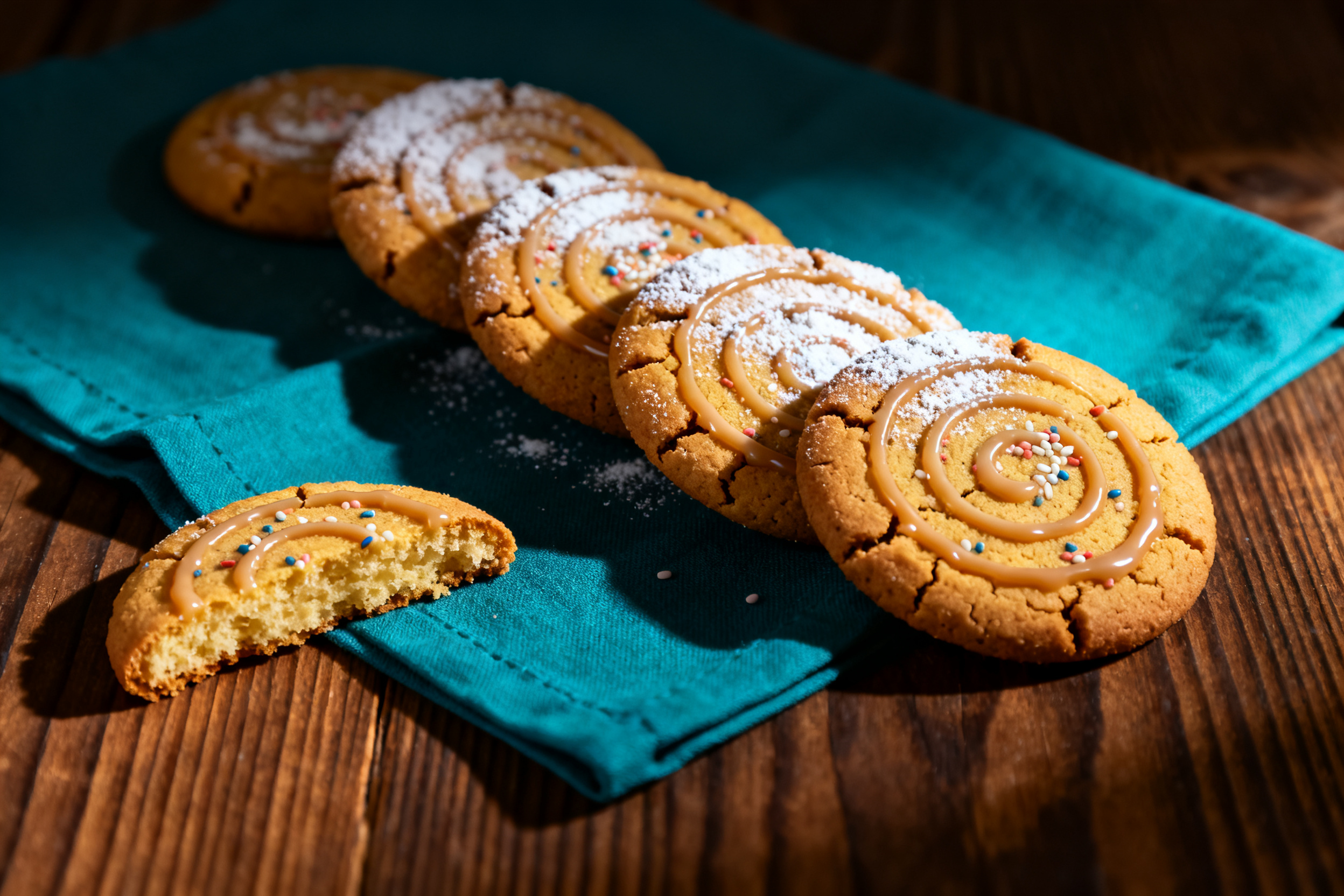
For a lemon sugar cookie, add one tablespoon of lemon zest and replace two tablespoons of milk in the icing with fresh lemon juice. It’s bright, tangy, and perfect for spring.
For chocolate lovers, mix in half a cup of mini chocolate chips or swap a quarter cup of flour for cocoa powder. Top with a simple chocolate glaze instead of vanilla icing.
For gluten-free friends, use a quality 1:1 gluten-free flour blend that contains xanthan gum. Cup4Cup and King Arthur both work great. The texture will be slightly more delicate but still delicious.
For a vegan version, use vegan butter, a flax egg (one tablespoon ground flax mixed with three tablespoons water), and plant-based milk. The cookies will be a bit less tender, but the flavor is spot-on.
9. “Why this recipe works” / The science
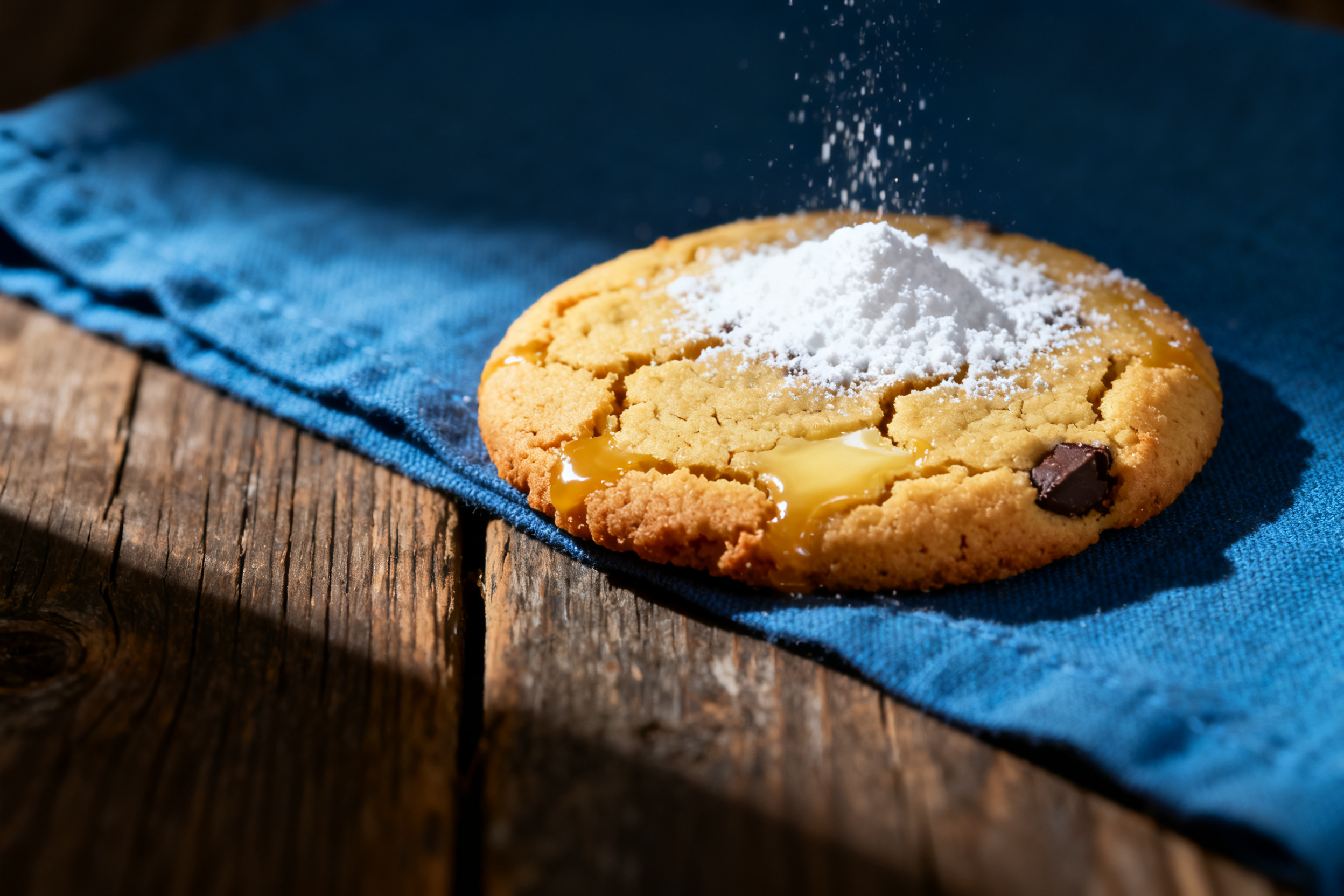
This recipe uses the creaming method, where you beat butter and sugar together until light and fluffy. That incorporates air, which gives the cookies lift and a tender crumb. The ratio of butter to flour is carefully balanced — too much butter makes them greasy, too little makes them dry.
The addition of a single egg yolk (along with the whole egg) adds extra fat and emulsifiers, which makes the cookies extra chewy. The cornstarch in the dry ingredients acts as a tenderizer, preventing gluten from developing too much. That’s why these cookies stay soft for days, not hours.
10. Frequently Asked Questions (FAQ)
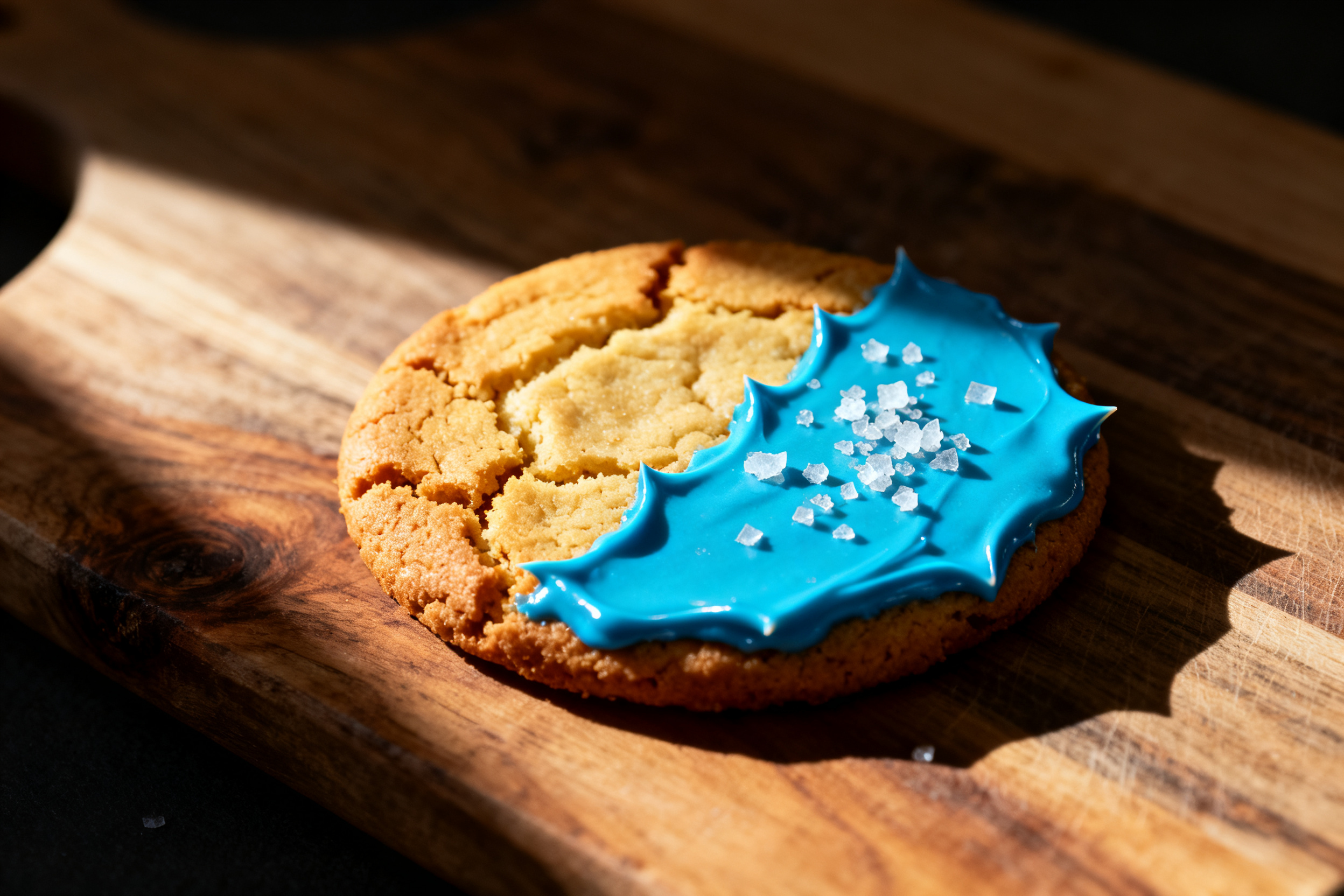
Can I use margarine instead of butter? Technically yes, but the flavor and texture will suffer. Butter gives the best taste and structure. If you must substitute, use a high-fat stick margarine, not the spreadable tub kind.
Why did my cookies turn out cakey? You likely added too much flour or overmixed the dough after adding the flour. Mix just until the flour disappears — no more. Overmixing develops gluten, which leads to cakey, tough cookies.
Can I double this recipe? Absolutely. Just make sure your mixing bowl is large enough and you don’t overcrowd the oven. Bake in batches and let the baking sheet cool completely between rounds.
How do I get that perfect crackly top on the icing? Let the icing sit for about five minutes after mixing before spreading it on the cookies. As it sets, it develops that signature crackled look. Also, don’t overmix the icing or it will be too smooth.
11. Call to action
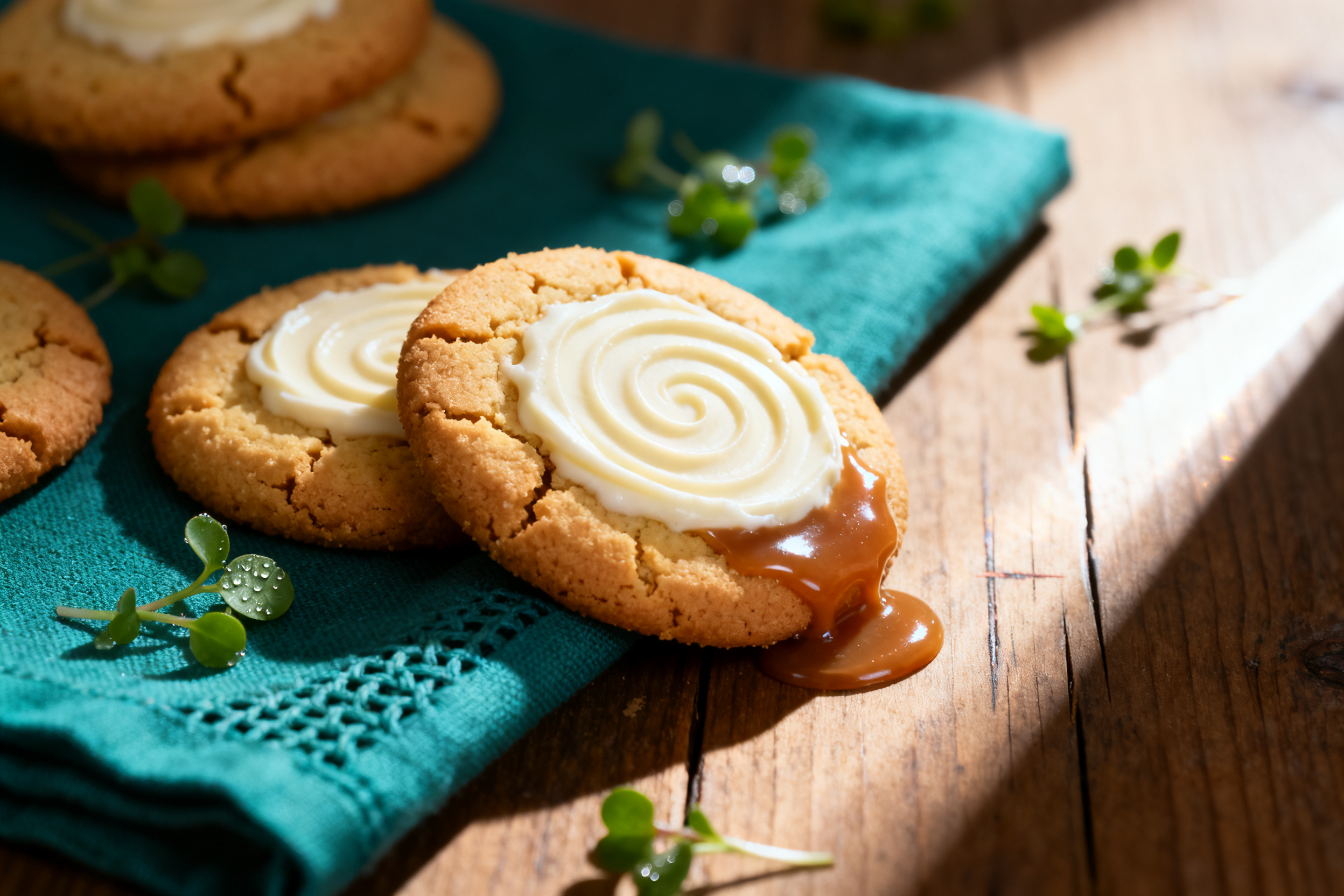
I want to see your cookies! Drop a comment below and let me know how they turned out. Did you try any of the variations? Did your family fight over the last one?
If you loved this recipe, share it with a friend who’s still wasting money at Crumbl. And don’t forget to subscribe to the blog so you never miss a new recipe. Happy baking, friend.
This easy sugar cookie recipe is proof that you don’t need a fancy bakery to get perfect, buttery cookies. With a few simple ingredients and a little patience, you can make cookies that are softer, tastier, and way more affordable than anything from a chain. So preheat that oven, grab your mixing bowl, and get ready to become the hero of your kitchen. Your taste buds will thank you.
Now go bake something amazing. I’ll be here eating the leftovers.
Easy Sugar Cookies with Vanilla Icing
Ingredients
- 1 cup 2 sticks unsalted butter, softened
- 1 cup granulated sugar
- 1 large egg
- 1 large egg yolk
- 2 teaspoons vanilla extract
- 2 1/2 cups all-purpose flour
- 1 teaspoon cornstarch
- 1/2 teaspoon baking powder
- 1/2 teaspoon salt
Instructions
- In a large bowl, beat the softened butter and granulated sugar together with an electric mixer on medium speed until light and fluffy, about 2-3 minutes.
- Add the egg, egg yolk, and vanilla extract. Beat until combined, scraping down the sides as needed.
- In a separate bowl, whisk together the flour, cornstarch, baking powder, and salt.
- Gradually add the dry ingredients to the wet ingredients, mixing on low speed just until no streaks of flour remain. Do not overmix.
- Cover the dough with plastic wrap and refrigerate for at least 30 minutes (or up to 3 days).
- Preheat your oven to 375°F (190°C). Line two baking sheets with parchment paper.
- Scoop rounded tablespoons of dough (about 1.5 tablespoons each) and roll into balls. Place them 2 inches apart on the prepared baking sheets.
- Bake for 9-11 minutes, until the edges are just set and the centers look slightly underdone. The tops should not be brown.
- Let the cookies cool on the baking sheet for 5 minutes, then transfer to a wire rack to cool completely before icing.
- For the icing: whisk together powdered sugar, milk, vanilla, and salt until smooth. Add more milk if too thick, or more powdered sugar if too thin. Spread or drizzle over cooled cookies. Add sprinkles immediately if desired.
- Let the icing set for about 15 minutes before serving or storing.
Notes
2. Store baked, iced cookies in an airtight container at room temperature for up to 5 days.
3. Layer with parchment paper to prevent sticking.
4. To freeze unbaked dough, roll into balls and freeze on a baking sheet.
5. Transfer to a zip-top bag and bake from frozen, adding 2 minutes to the bake time.
6. If your cookies spread too much, your butter was too soft.
7. Next time, chill the shaped dough for 30 minutes before baking.
8. For a lemon version, add 1 tablespoon lemon zest to the dough and replace the milk in the icing with lemon juice.