
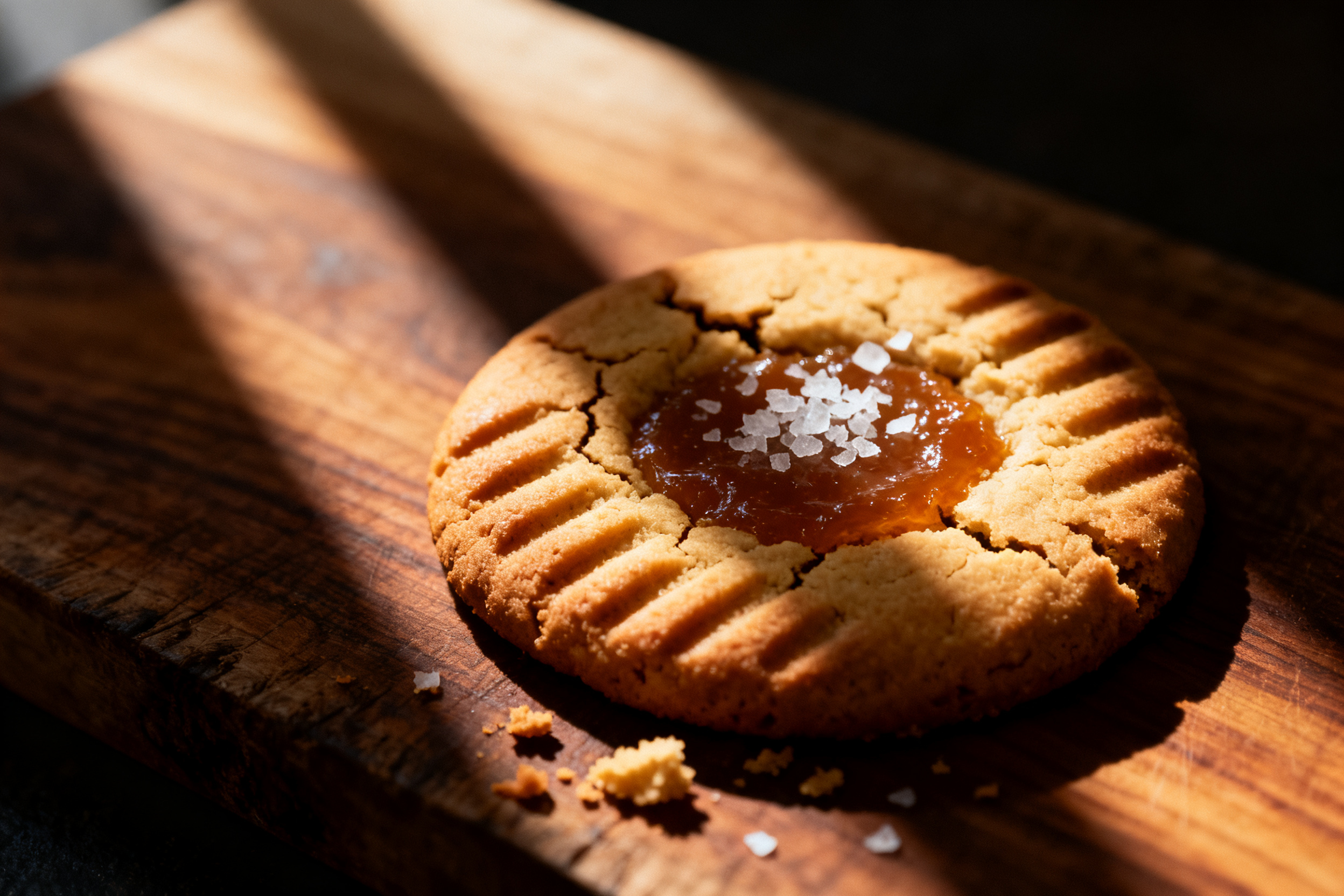
Let’s face it – a soft cookie recipe that actually stays soft past day one feels like a myth. You bake a batch, they’re pillowy perfection, and by morning you’re gnawing on hockey pucks. Not anymore.
This soft cookie recipe delivers those cloud-like centers that refuse to turn crunchy. I’m talking about cookies that taste fresh on day three – if they last that long. Ready to ditch the crumbly disappointments?
1. Allergens
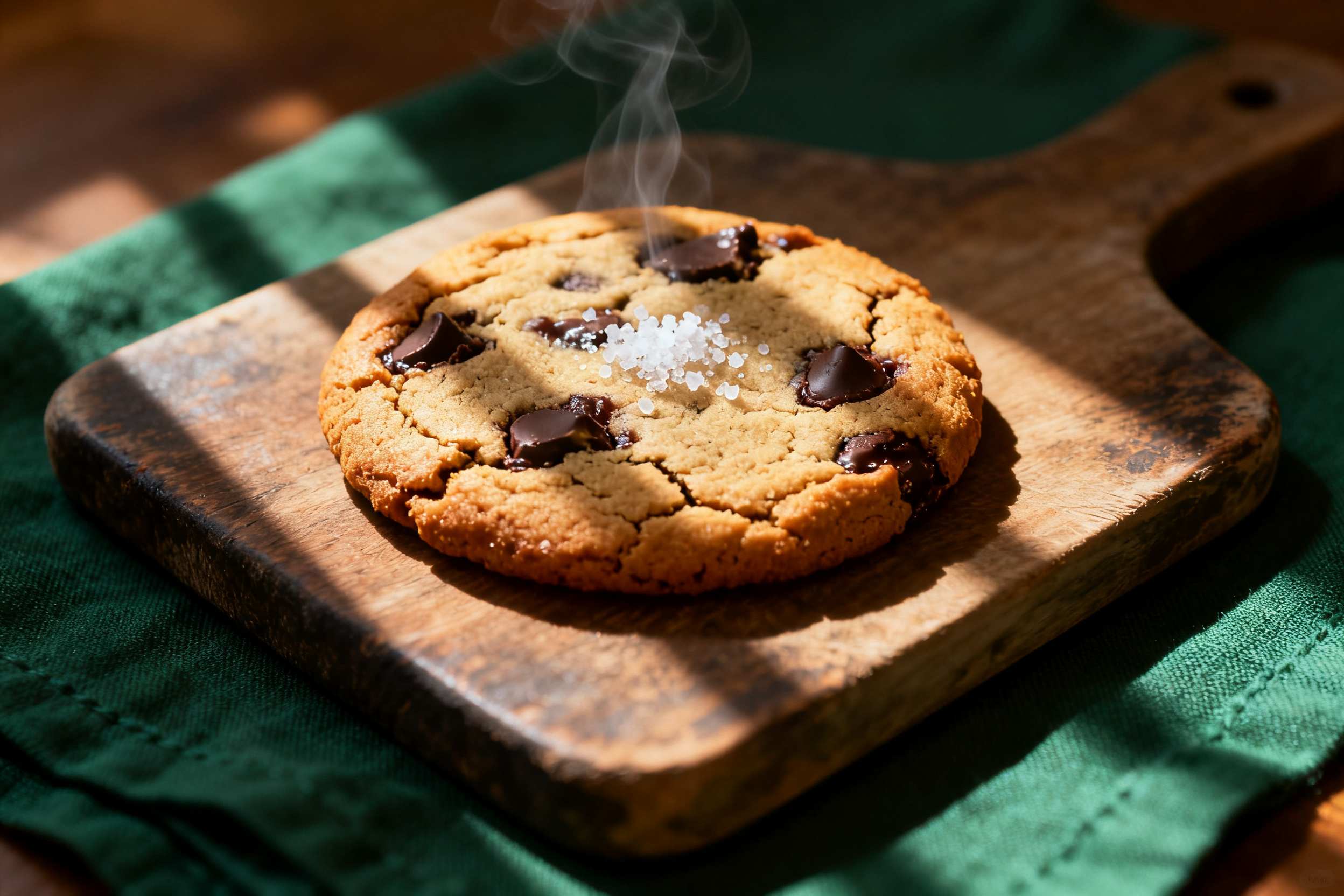
This recipe contains wheat (gluten), dairy (butter, milk), and eggs. It also uses cornstarch (safe for most, but check for corn allergies).
If you need a nut-free version, skip the optional add‑ins like chopped nuts. For a dairy‑free swap, use vegan butter and plant‑based milk – just know the texture may shift slightly.
Always double‑check your baking powder and vanilla extract labels if you’re avoiding hidden gluten or soy. I keep a separate jar of certified gluten‑free flour for my celiac friends.
Oh, and one more thing – the cornstarch is non‑negotiable here. It’s the secret to that pillowy softness, so don’t leave it out unless you’ve tested a substitute like arrowroot.
2. Ingredient notes & substitutions
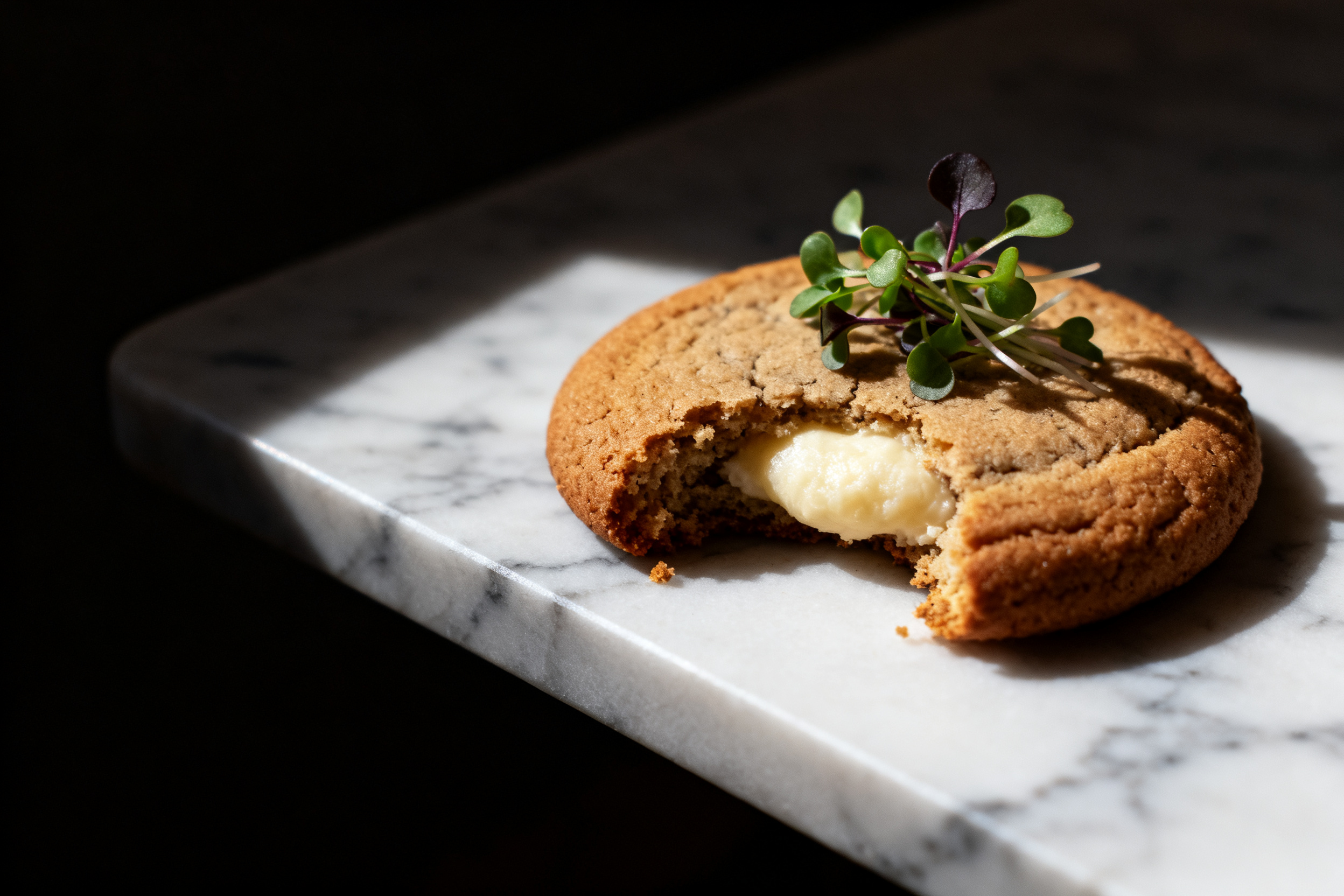
Butter should be softened, not melted. Melted butter makes cookies spread flat and lose their soft center. I set mine out an hour ahead – or give it 15 seconds in the microwave if I’m impatient.
Brown sugar is the star for moisture. Light or dark both work, but dark gives a deeper caramel flavor. White sugar alone will make them too crispy.
3. Pro tips

Chill the dough for at least 30 minutes. This prevents spreading and lets the flavors mingle. I’ve skipped it before – flat cookie regret is real.
Use a cookie scoop for uniform balls. Uneven sizes mean some burn while others stay underdone. Nobody wants to play cookie roulette.
Don’t overbake! Pull them out when the edges are set but the centers still look slightly puffy and underdone. They’ll continue to set on the hot pan.
Line your baking sheet with parchment paper. Silicone mats work too, but parchment gives a slightly crisper bottom edge while keeping the middle soft.
For extra pillowy texture, add an extra tablespoon of cornstarch. Yes, really – it’s the kitchen wizard you didn’t know you needed.
4. Storage & make-ahead (fridge/freezer)
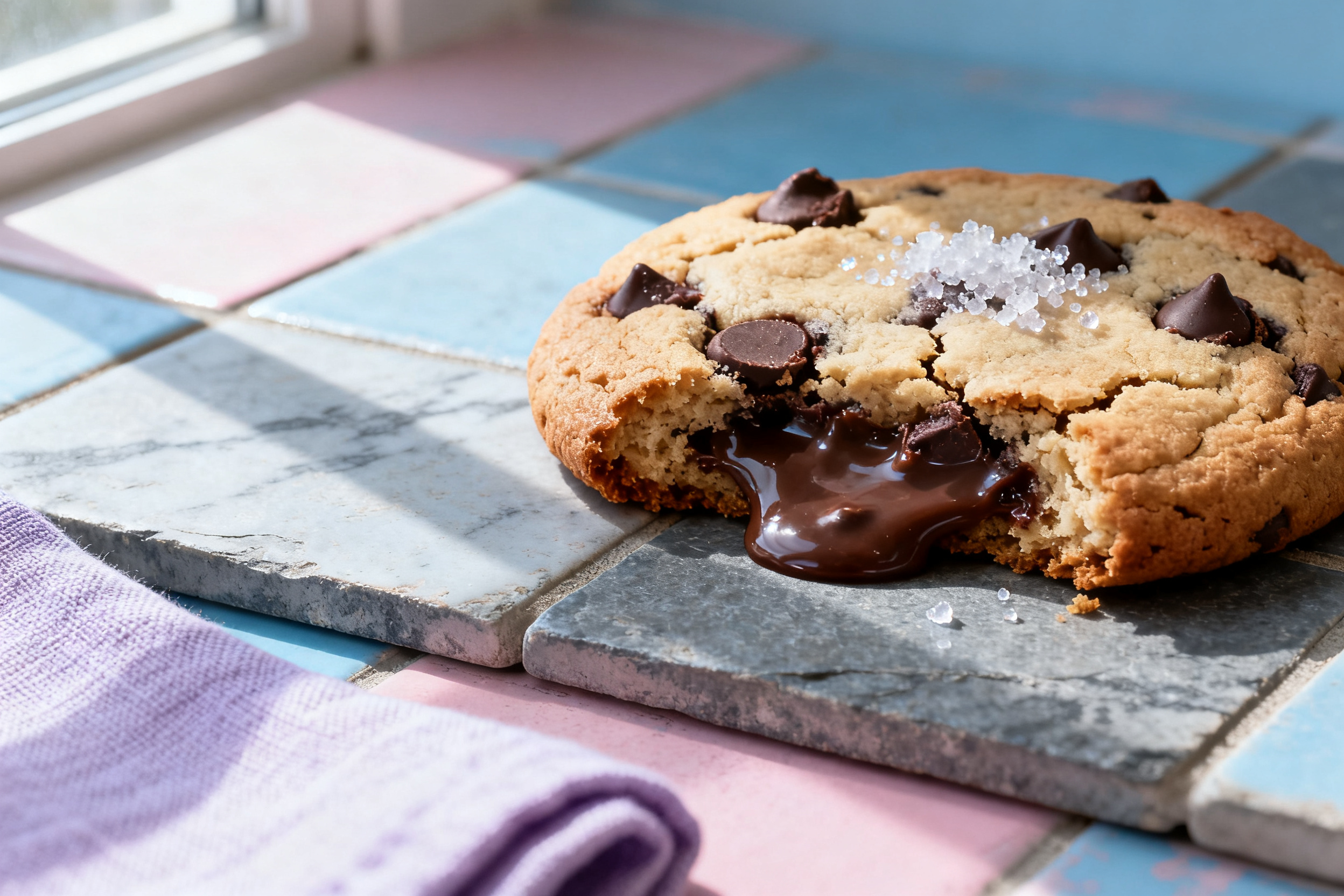
Store baked cookies in an airtight container with a slice of bread. The bread releases moisture and the cookies soak it up – weird but effective. Swap the bread slice every day.
You can freeze the dough balls for up to three months. Just scoop, freeze on a tray, then toss into a zip‑top bag. Bake straight from frozen, adding 2‑3 minutes extra.
If you’re prepping the full batch, portion the dough and refrigerate for up to 5 days. The longer it sits, the more the flavors develop – day‑three cookies are legendary.
Never store soft cookies in a paper bag. That’s a one‑way ticket to stale city. Always use airtight containers or zip‑top bags with the air pressed out.
Feeling fancy? Warm a cookie for 10 seconds in the microwave – it brings back that fresh‑from‑the‑oven magic. Just don’t overdo it or you’ll get a gummy mess.
Pro reminder: If you freeze baked cookies, thaw them at room temperature covered with a damp paper towel. The steam rehydrates the crumb.
5. Serving suggestions (complete the meal)
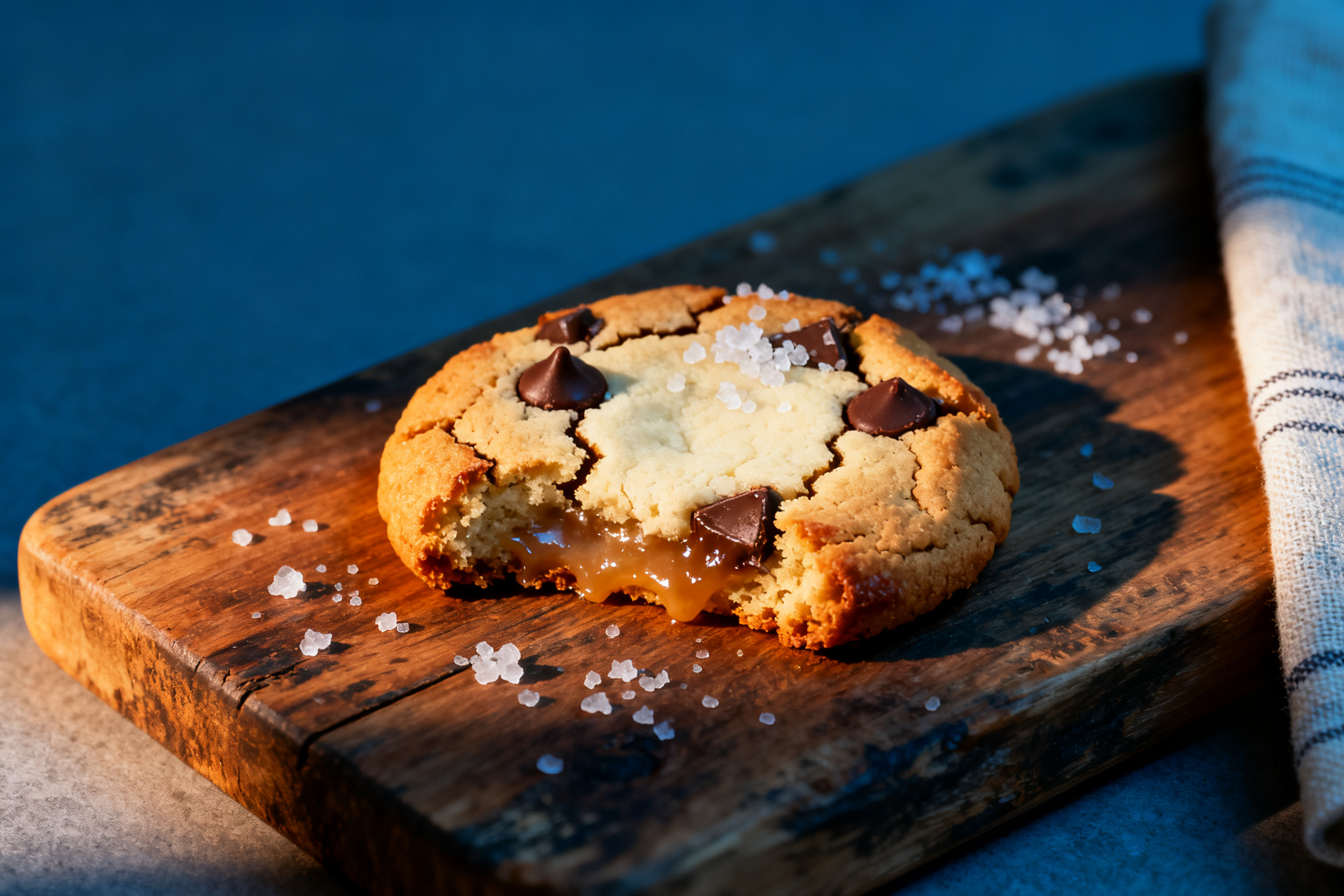
These soft cookies are perfect alongside a tall glass of cold milk – classic for a reason. For an adult twist, dip them in hot coffee or a creamy chai latte.
Make an ice cream sandwich by pressing a scoop of vanilla bean ice cream between two cookies. Roll the edges in mini chocolate chips for extra crunch.
Crush them over a bowl of yogurt or oatmeal for a quick dessert topping. Or just eat them straight from the jar – no judgment here.
6. Use your leftovers
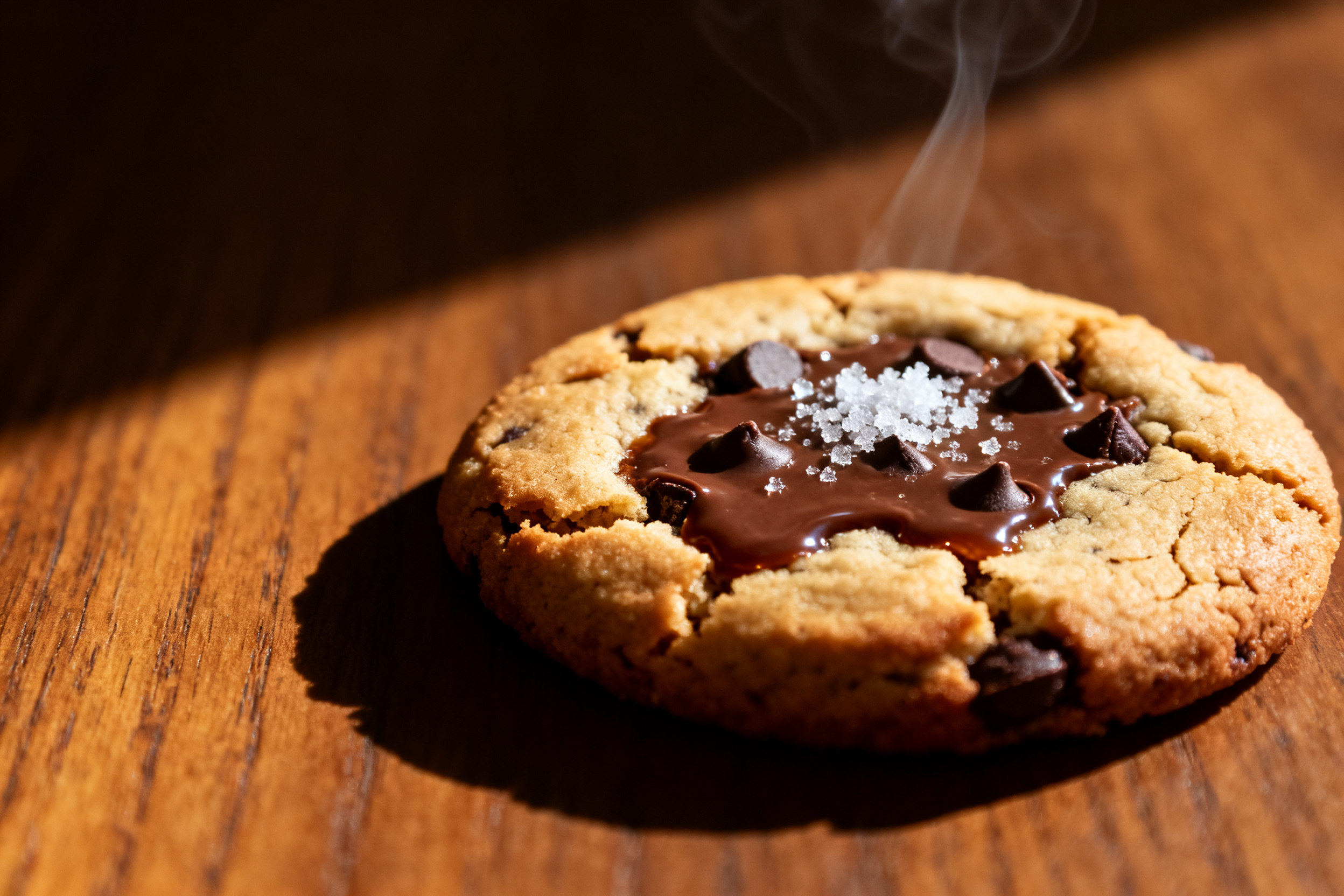
Stale cookies? Don’t toss them. Blitz them into crumbs for a cheesecake crust or sprinkle over a fruit crumble.
7. Common mistakes & how to fix them
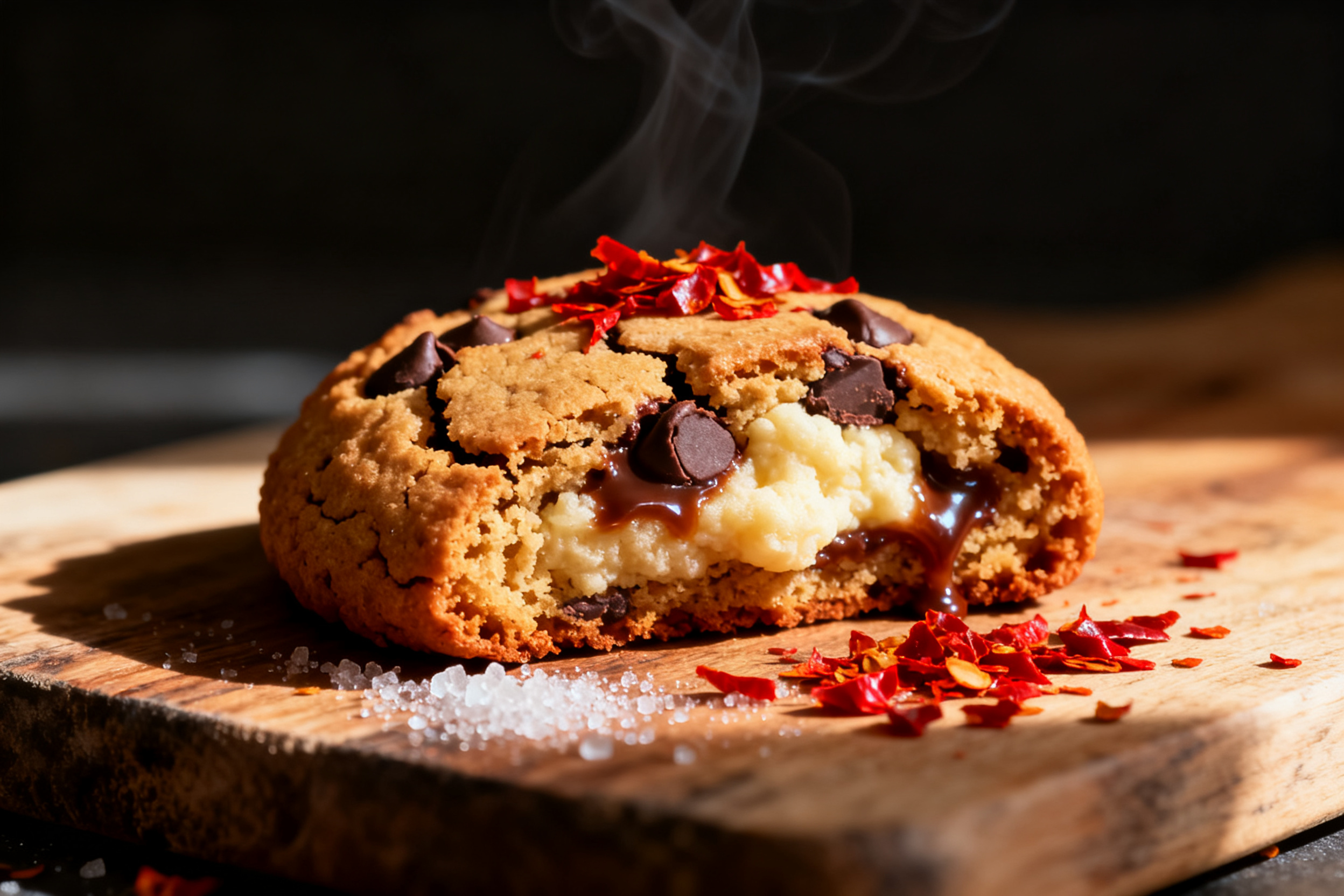
Flat cookies usually mean too much butter or not enough flour. Check your measuring – spoon flour into the cup, don’t scoop it like a shovel. If they still spread, chill longer.
Dry, crumbly cookies happen when you overbake or use too much flour. Pull them at the first sign of golden edges. If your dough looks dry, add a tablespoon of milk.
Greasy cookies come from butter that was too soft or melted. Next time, use butter at cool room temperature – about 65°F. You should be able to press a fingerprint without sliding.
If your cookies turn out cakey instead of chewy, you might have beaten the eggs too long. Mix just until incorporated – no need to whip air into them.
8. Variations by diet or flavor profile
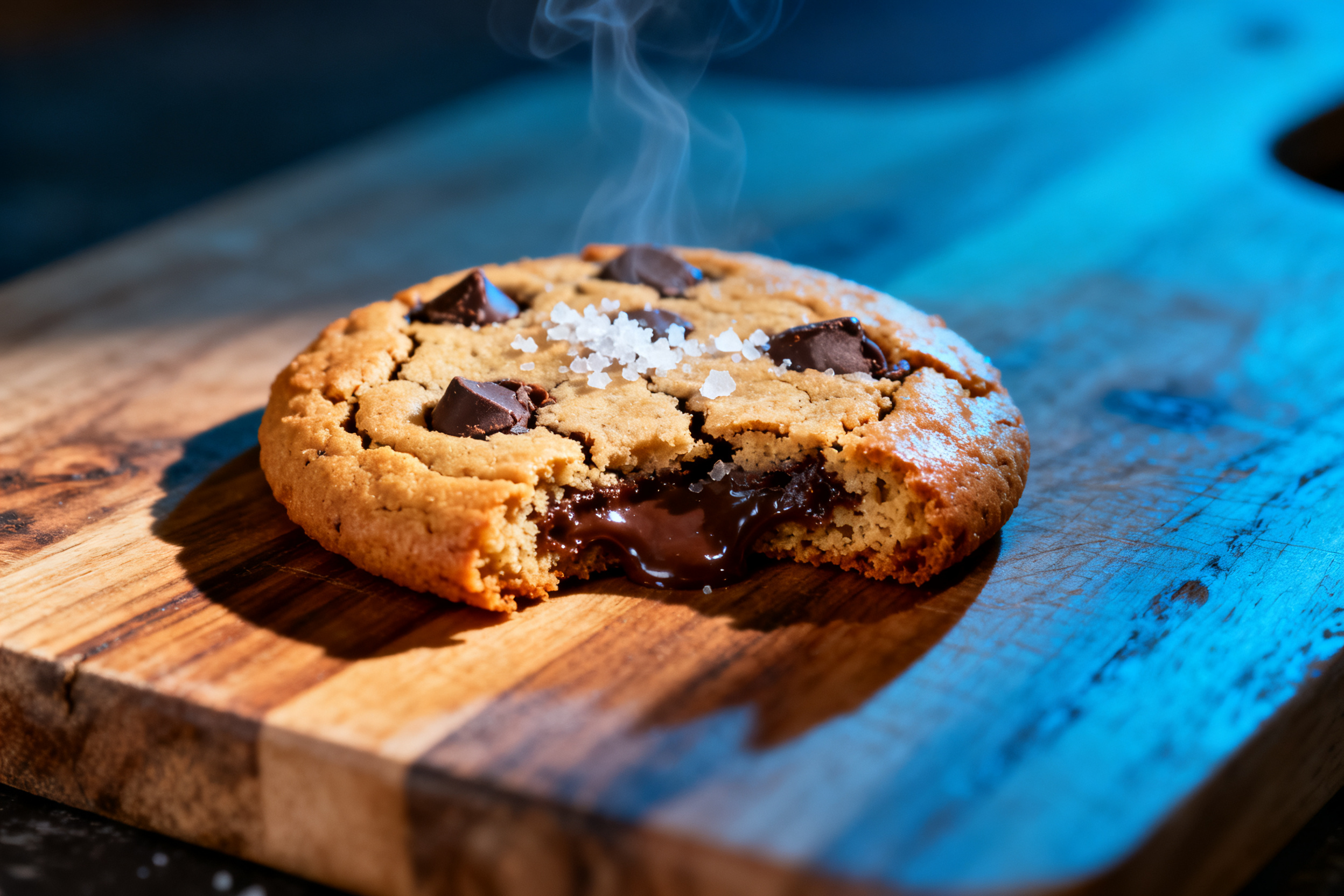
Gluten‑free: Replace all‑purpose flour with a 1:1 gluten‑free blend plus ¼ teaspoon xanthan gum if your blend doesn’t include it. The cornstarch already helps – add an extra tablespoon for insurance.
Vegan: Use vegan butter and a flax egg (1 tablespoon flax meal + 3 tablespoons water, rested 5 minutes). The texture will be slightly softer, so chill the dough a full hour.
9. Why this recipe works / The science
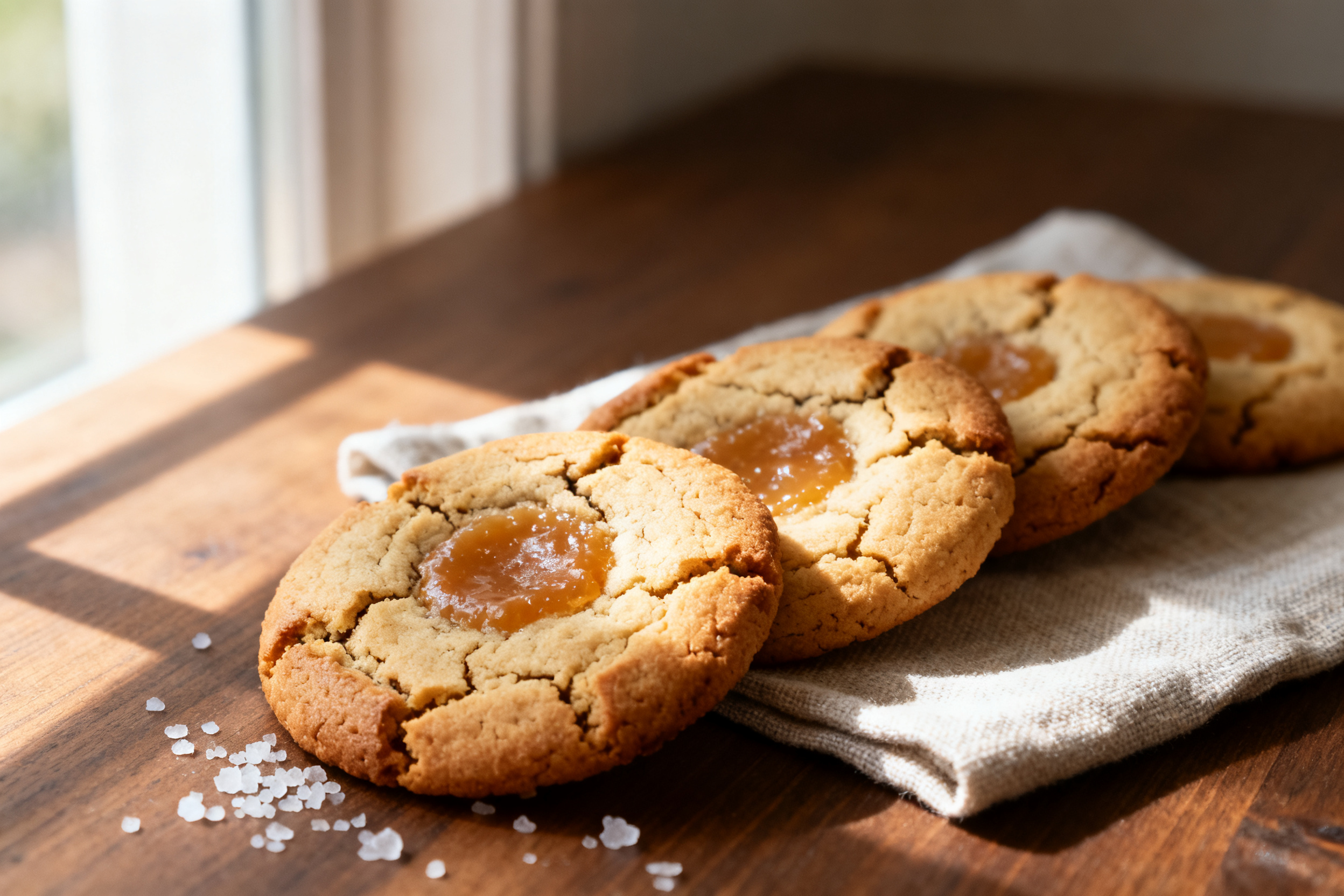
Cornstarch is the hero. It inhibits gluten formation, keeping the cookies tender instead of tough. It also absorbs extra moisture, which stays locked in for days.
Brown sugar is hygroscopic – it attracts and holds water. That’s why these cookies stay soft longer than all‑white‑sugar recipes. The molasses in brown sugar also adds a subtle chew.
Chilling the dough does two things: it solidifies the butter (slowing spread) and gives the flour time to hydrate fully. A hydrated dough creates a more uniform, tender crumb.
Using melted butter would create more spread and a crispier edge. By keeping the butter solid, we encourage a thick, puffy center that stays pillowy even after cooling.
The egg yolk adds richness and emulsifies the fat and water, while the white provides structure. Don’t skip the yolk – recipes using only egg whites will be too dry for this goal.
10. Frequently Asked Questions (FAQ)
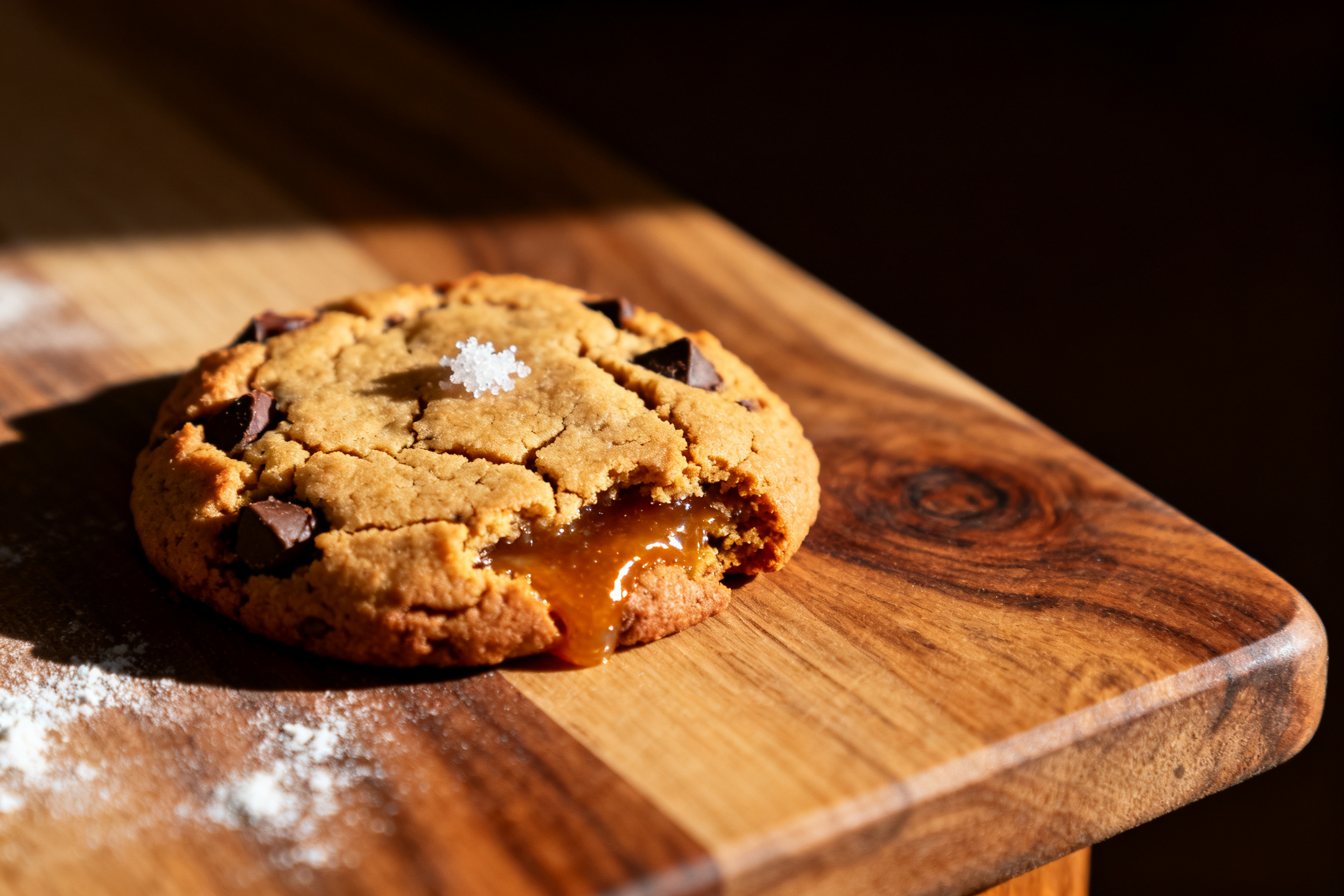
Why are my cookies hard the next day? They likely overbaked, or you stored them in a loose container. Use an airtight container with a bread slice to restore moisture.
Can I use margarine instead of butter? I wouldn’t. Margarine has more water, which makes cookies spread and turn greasy. Stick with real butter for the best soft texture.
How do I make these cookies even softer? Add an extra tablespoon of cornstarch and reduce the white sugar by a tablespoon. Also, underbake by 1 minute – safe on the pan.
Can I double the recipe? Absolutely. Just keep the chilling time the same – don’t overstuff your mixer or the dough won’t cream evenly. Bake in batches, chilling the waiting dough.
What if I don’t have brown sugar? You can make a quick substitute: 1 cup white sugar + 1 tablespoon molasses. Mix well. Dark corn syrup also works, but it will change the flavor slightly.
Why does my dough look greasy? You might have over‑creamed the butter and sugar. Beat until light and fluffy – about 2‑3 minutes – not until it looks shiny and separated.
11. Call to action (comment, share, subscribe)
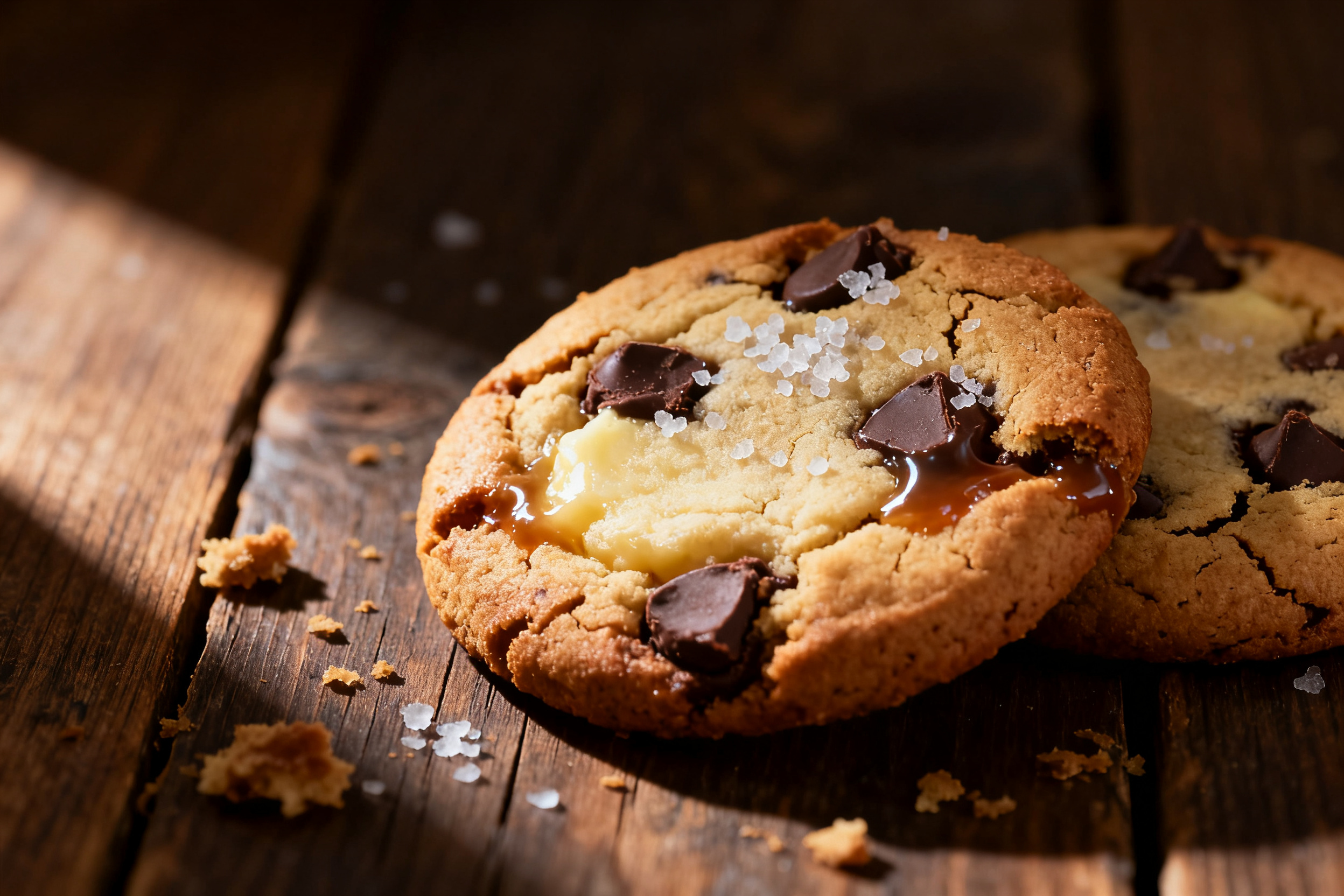
If you try this soft cookie recipe, drop a comment below and tell me how they turned out. Did you add chocolate chips, or did you go plain? I want to hear your twist.
Share this recipe with a friend who keeps complaining about stale cookies. Bonus points if you tag me on social media – I’ll cheer for your perfect batch.
Don’t forget to subscribe to my newsletter so you never miss a soft, chewy, stay‑fresh recipe. No spam, just sugar.
Conclusion
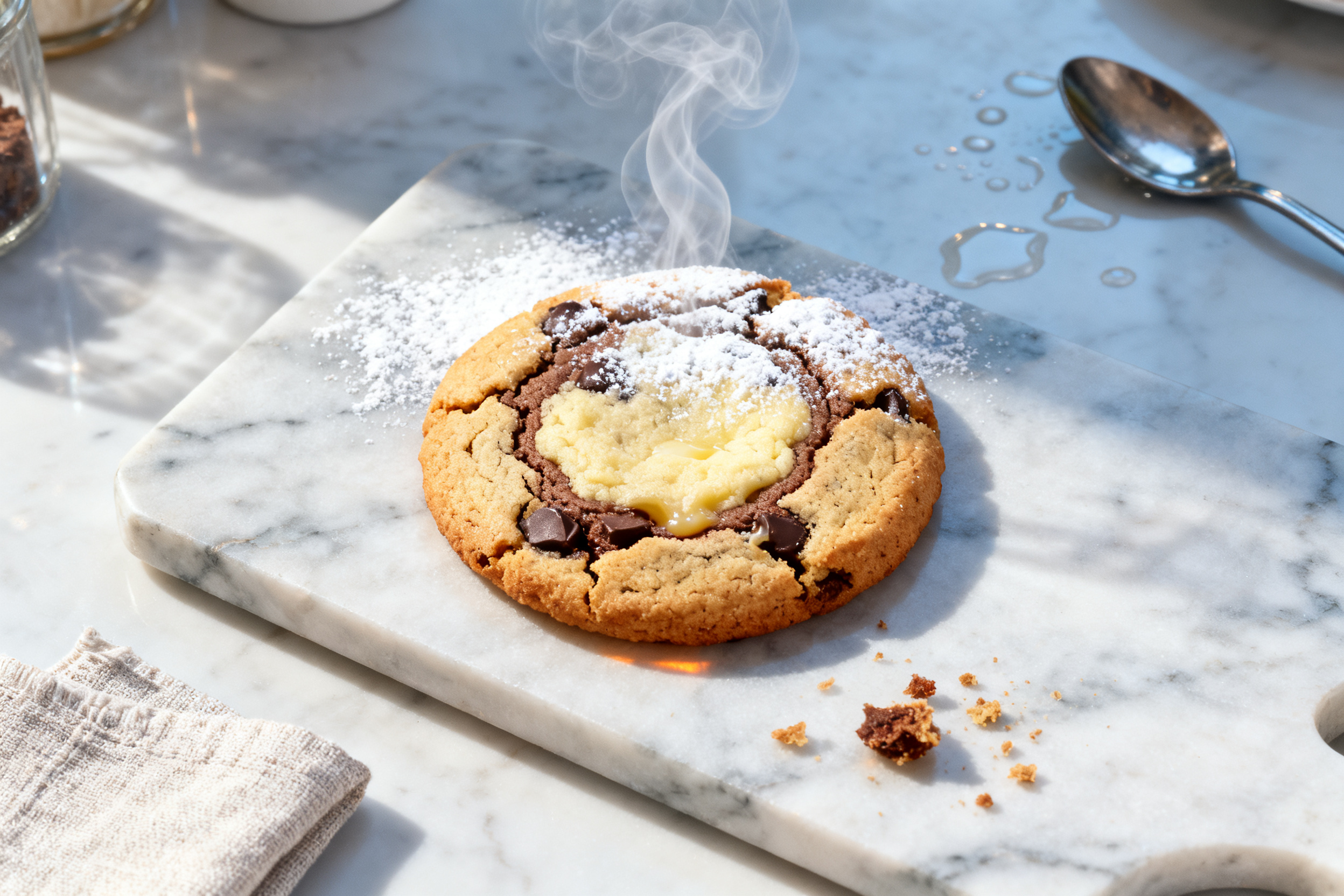
So there you have it – a soft cookie recipe that actually delivers on its promise. No more day‑two despair, just pillowy centers that last for days.
I’ve baked these in the middle of a midnight craving and for a kid’s school bake sale – they always disappear fast. The secret is in the cornstarch and the chill, so don’t skip either step.
Now go preheat that oven and make your kitchen smell like a bakery. You’ve got a new go‑to recipe in your pocket.
Recipe Data
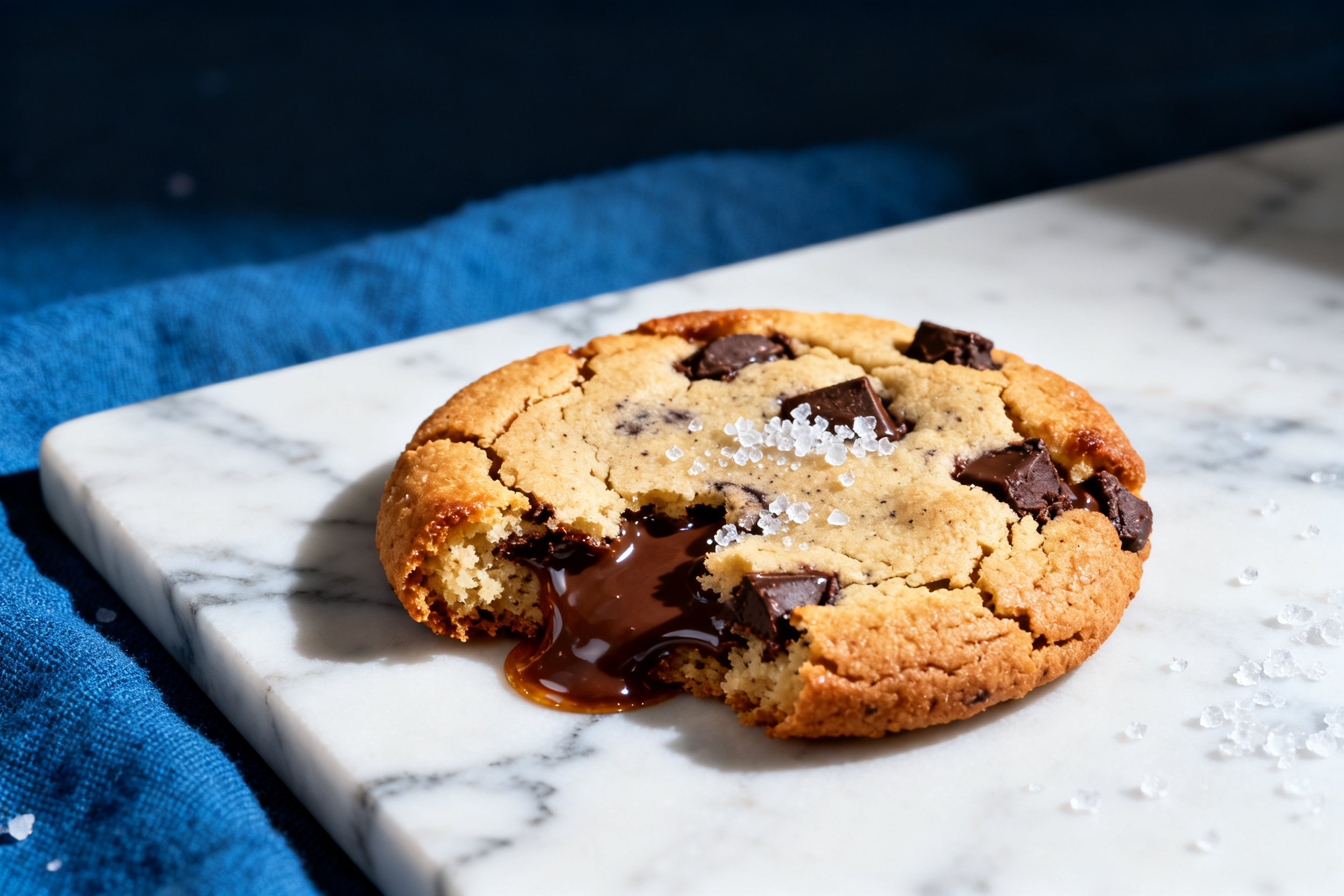
Recipe Name: Soft Pillow Cookies (Stay Soft for Days)
Servings: 24 cookies
Prep Time: 15 minutes
Cook Time: 10 minutes
Total Time: 55 minutes (includes 30 min chill)
Calories: 145 per cookie
Course: Dessert
Cuisine: American
Soft Pillow Cookies: Stay Soft for Days Recipe
Ingredients
- 1 cup 226g unsalted butter, softened
- 1 cup 200g packed light brown sugar
- ½ cup 100g granulated sugar
- 2 large eggs at room temperature
- 2 teaspoons vanilla extract
- 2¾ cups 345g all‑purpose flour
- 2 tablespoons cornstarch
- 1 teaspoon baking powder
- ½ teaspoon baking soda
- ½ teaspoon salt
- 2 cups 340g semi‑sweet chocolate chips (optional)
Instructions
- In a large bowl, beat the softened butter, brown sugar, and granulated sugar together until light and fluffy – about 2 minutes.
- Add the eggs one at a time, beating well after each. Mix in the vanilla.
- In a separate bowl, whisk together the flour, cornstarch, baking powder, baking soda, and salt.
- Gradually add the dry ingredients to the wet mixture, mixing on low until just combined. Do not overmix.
- Fold in the chocolate chips (if using). Cover the dough with plastic wrap and refrigerate for at least 30 minutes (up to 3 days).
- Preheat oven to 350°F (175°C). Line baking sheets with parchment paper.
- Scoop rounded tablespoons of dough (about 1.5 tablespoons each) and place 2 inches apart on the prepared sheets.
- Bake for 9–11 minutes, until the edges are set and the centers look slightly puffy and underdone. Do not overbake.
- Let the cookies rest on the baking sheet for 5 minutes, then transfer to a wire rack to cool completely.
Notes
2. Storage: Place cookies in an airtight container with a slice of bread.
3. Replace bread slice daily to keep cookies soft for up to a week.
4. Freezing: Freeze unbaked dough balls on a tray, then transfer to a bag. Bake from frozen adding 2–3 minutes.
5. Gluten‑free: Use a 1:1 gluten‑free flour blend plus extra cornstarch. Chill dough for at least 1 hour.
6. Vegan: Substitute vegan butter and a flax egg (1 tbsp flax meal + 3 tbsp water, rested 5 min).
7. Dough will be softer
8. chill longer.