
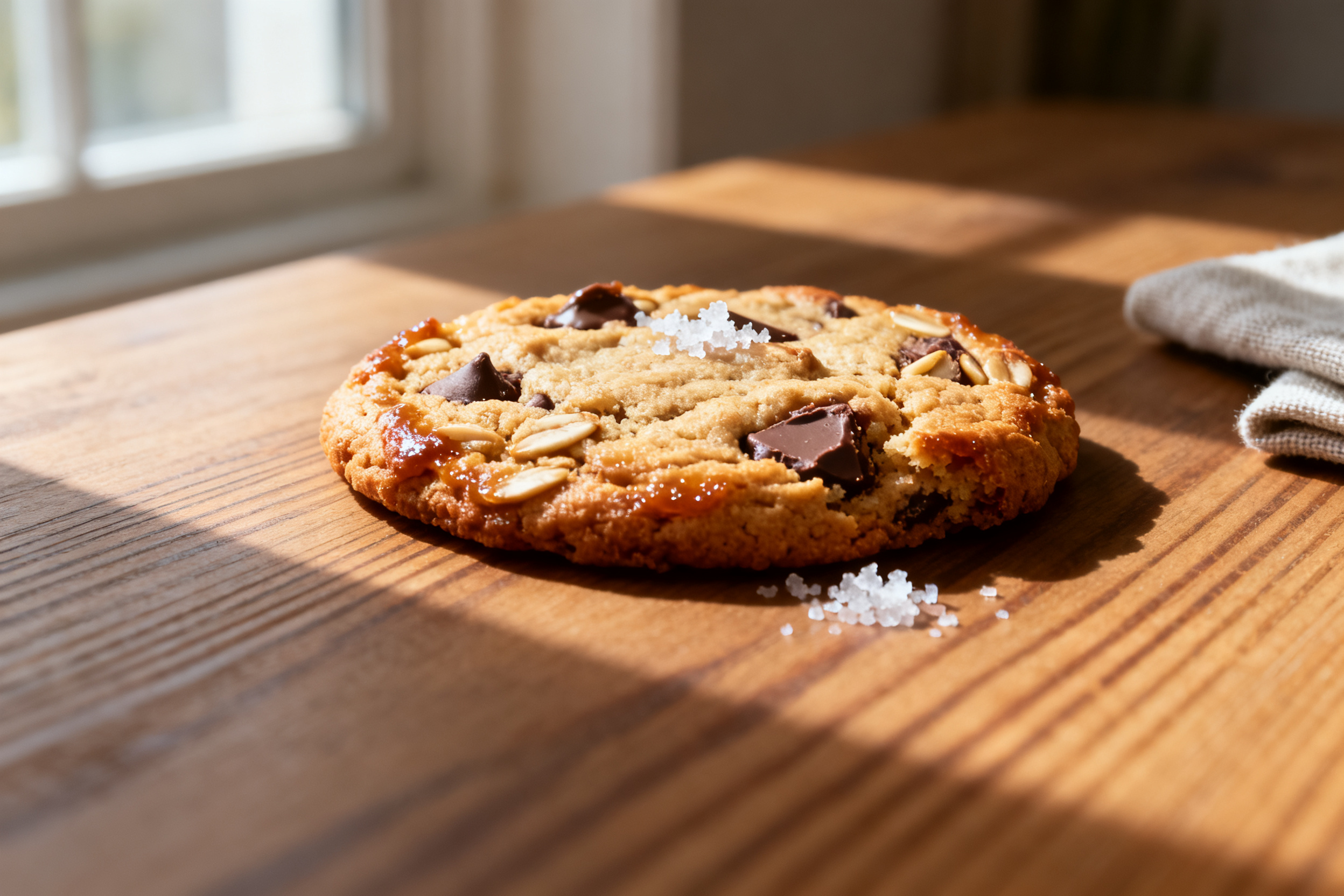
Let’s be honest, finding the perfect oatmeal cookie recipe is a lifelong quest. You want that chewy center, those crispy edges, and a flavor that screams “I’m a homemade masterpiece.”
I’ve been on that quest for years, baking more flat, sad discs than I care to admit. Finally, I cracked the code with these buttery brown sugar beauties.
This isn’t just another oatmeal cookie recipe. This is the one that disappears from the cooling rack before you can even pour a glass of milk.
1. Allergens
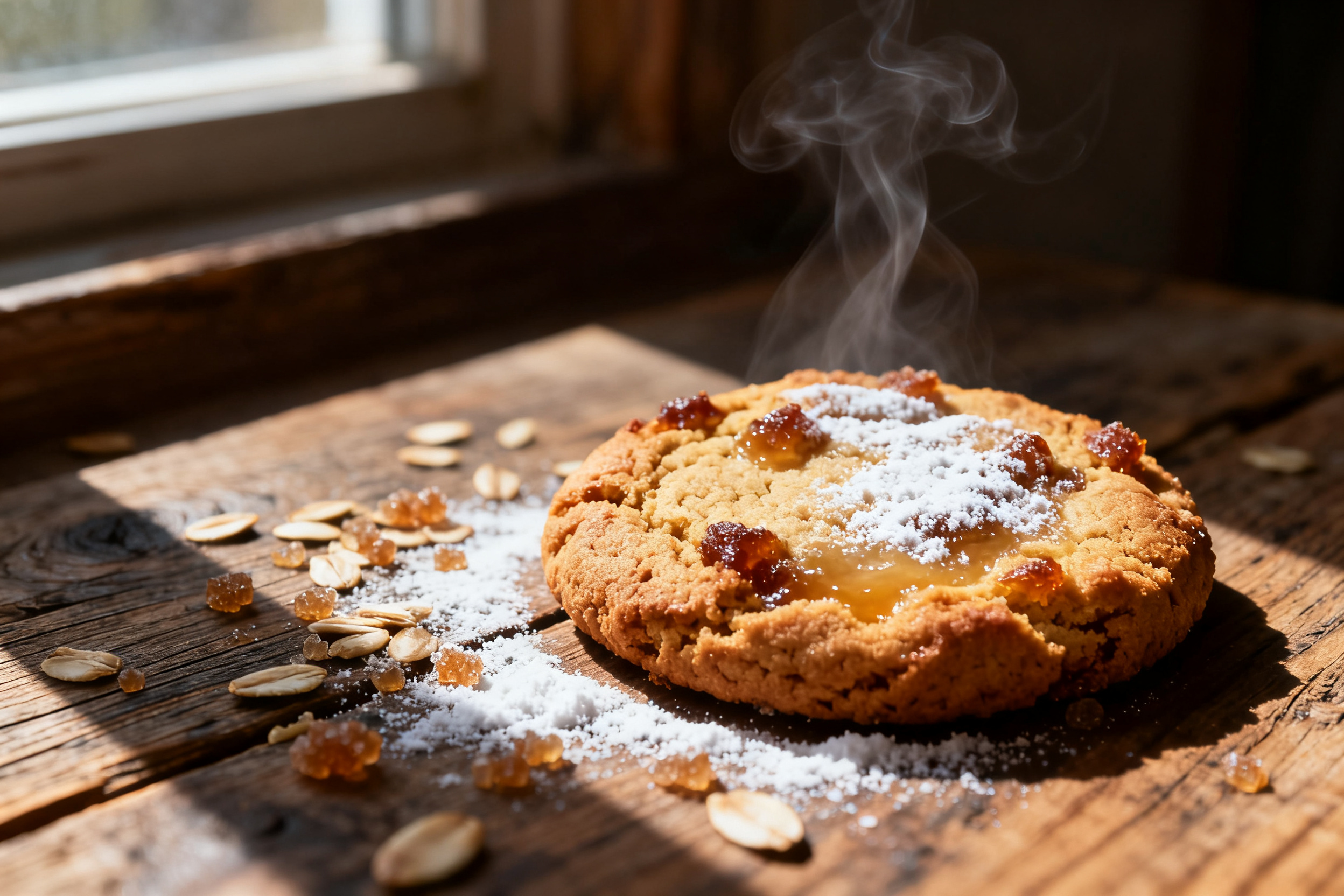
First, the serious stuff. These cookies contain wheat (gluten), dairy (butter), and eggs.
They also contain oats, which are naturally gluten-free but often processed in facilities that handle wheat. If you have celiac disease, always buy certified gluten-free oats.
For a dairy-free swap, use a high-quality vegan butter stick. Just know the texture might be slightly less crisp around the edges.
2. Ingredient notes & substitutions
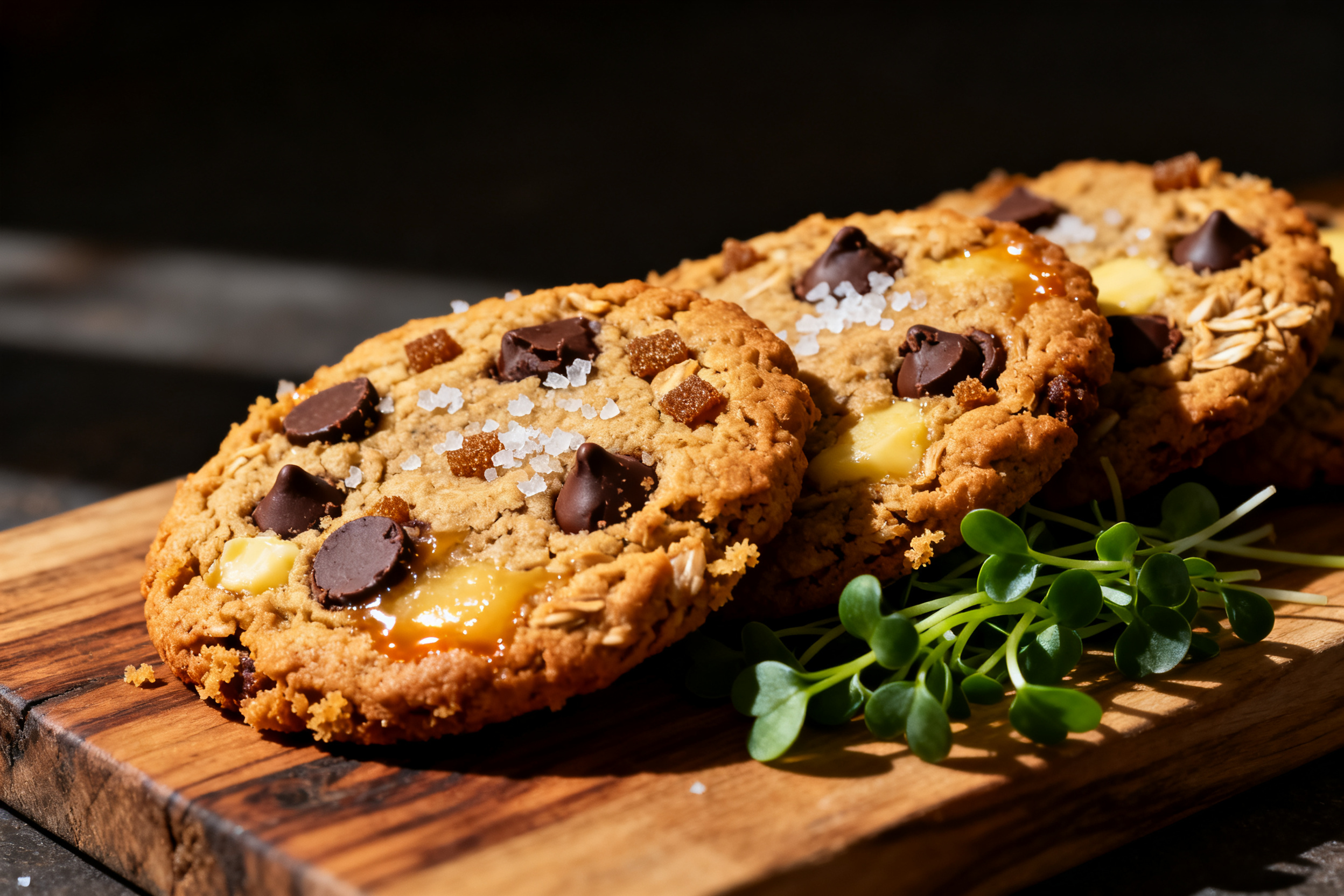
Brown sugar is the star here, folks. It brings moisture and that deep, caramel-like flavor that white sugar just can’t match.
Use old-fashioned rolled oats, not the quick-cooking kind. Quick oats turn to mush, and you want some texture in your cookie.
If you’re out of butter, you can try shortening, but the buttery flavor will be noticeably weaker. I wouldn’t recommend margarine for baking, FYI.
3. Pro tips
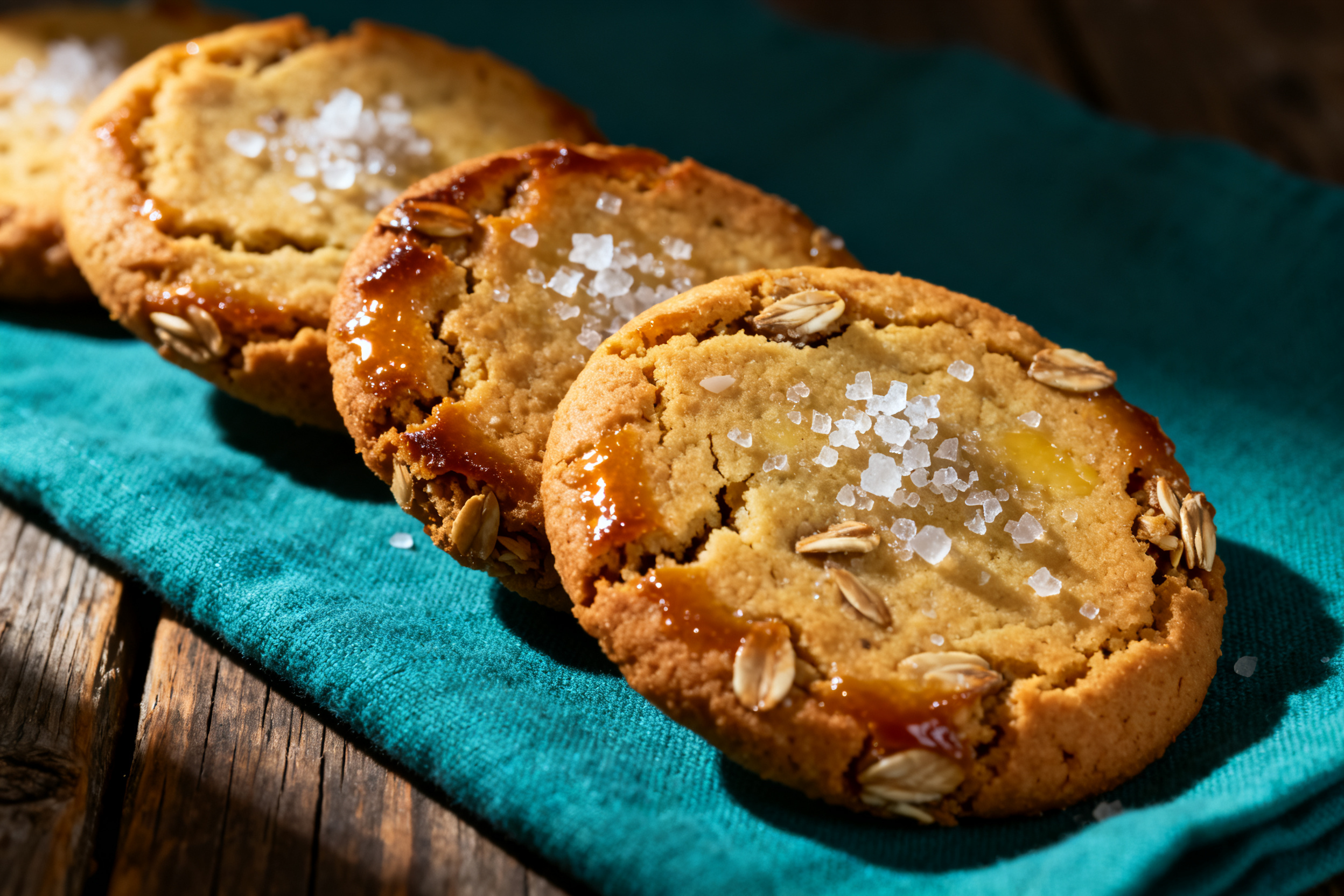
Chill the dough. I know, you want cookies now, but chilling for at least 30 minutes prevents spreading and deepens the flavor.
Use a cookie scoop for uniform cookies. This ensures even baking and makes you look like a professional.
Pull the cookies out when the edges are golden brown but the centers still look slightly underdone. They’ll continue to set on the hot baking sheet.
4. Storage & make-ahead
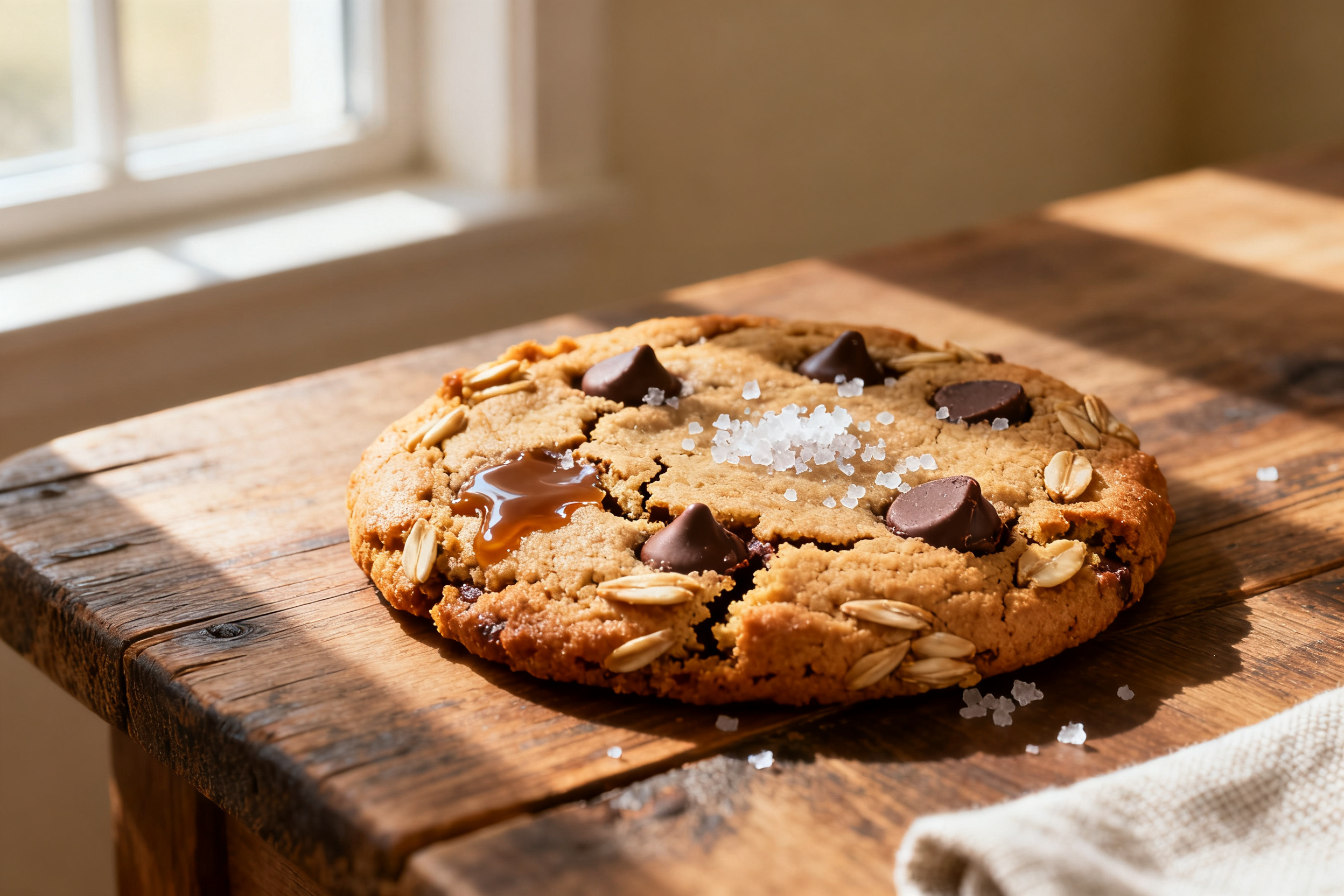
Store these in an airtight container at room temperature for up to 5 days. They stay soft and chewy the whole time.
For longer storage, freeze the baked cookies in a single layer, then transfer them to a freezer bag. They’ll keep for up to 3 months.
You can also freeze the raw dough balls. Bake them straight from frozen, adding 2-3 minutes to the bake time.
5. Serving suggestions
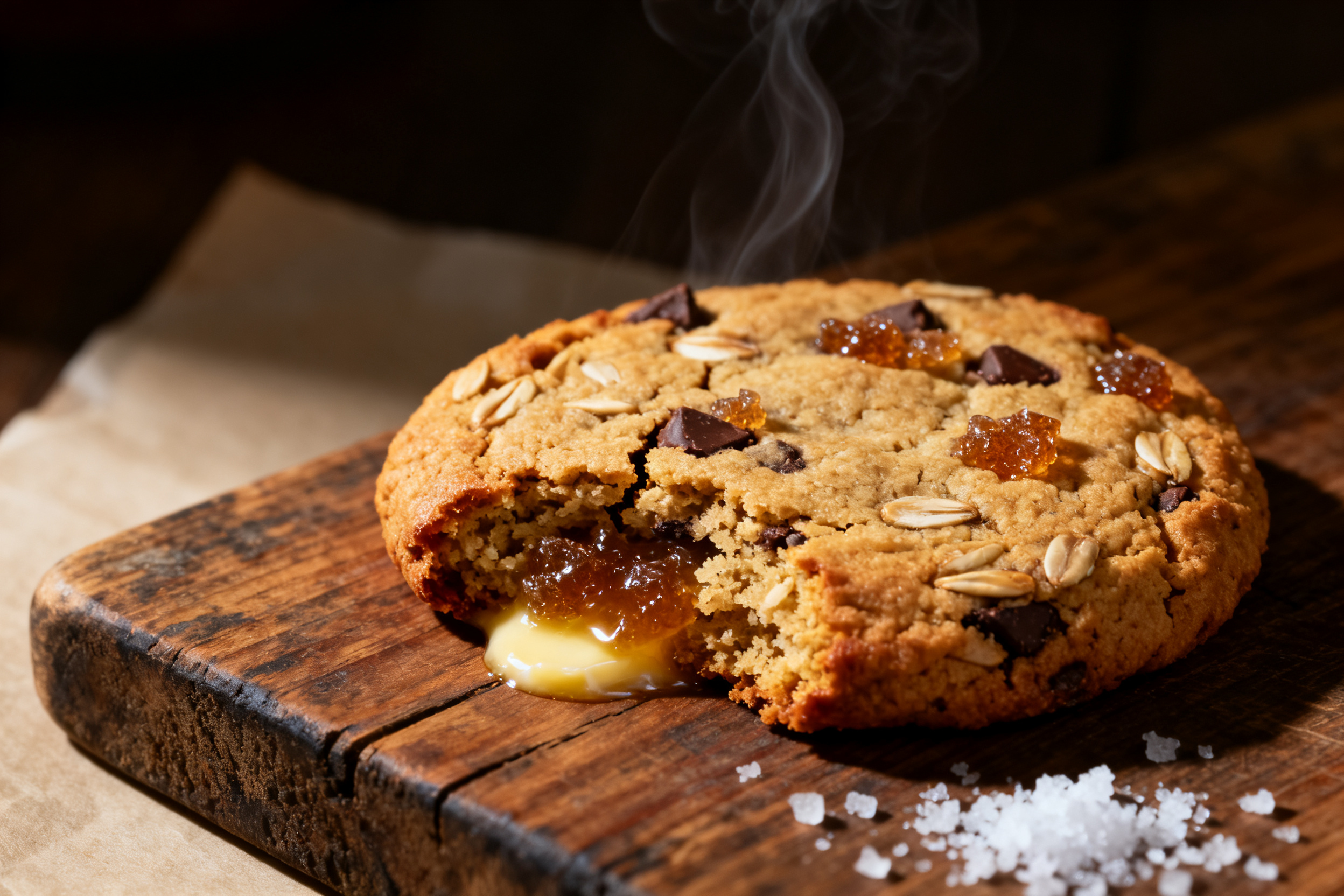
A glass of cold milk is the classic partner, and for good reason. The creamy milk cuts through the buttery sweetness perfectly.
For a grown-up twist, serve these alongside a scoop of vanilla bean ice cream and a drizzle of warm caramel sauce. Dessert is served.
They also make an amazing breakfast cookie when you’re running late. I won’t tell anyone if you don’t.
6. Use your leftovers
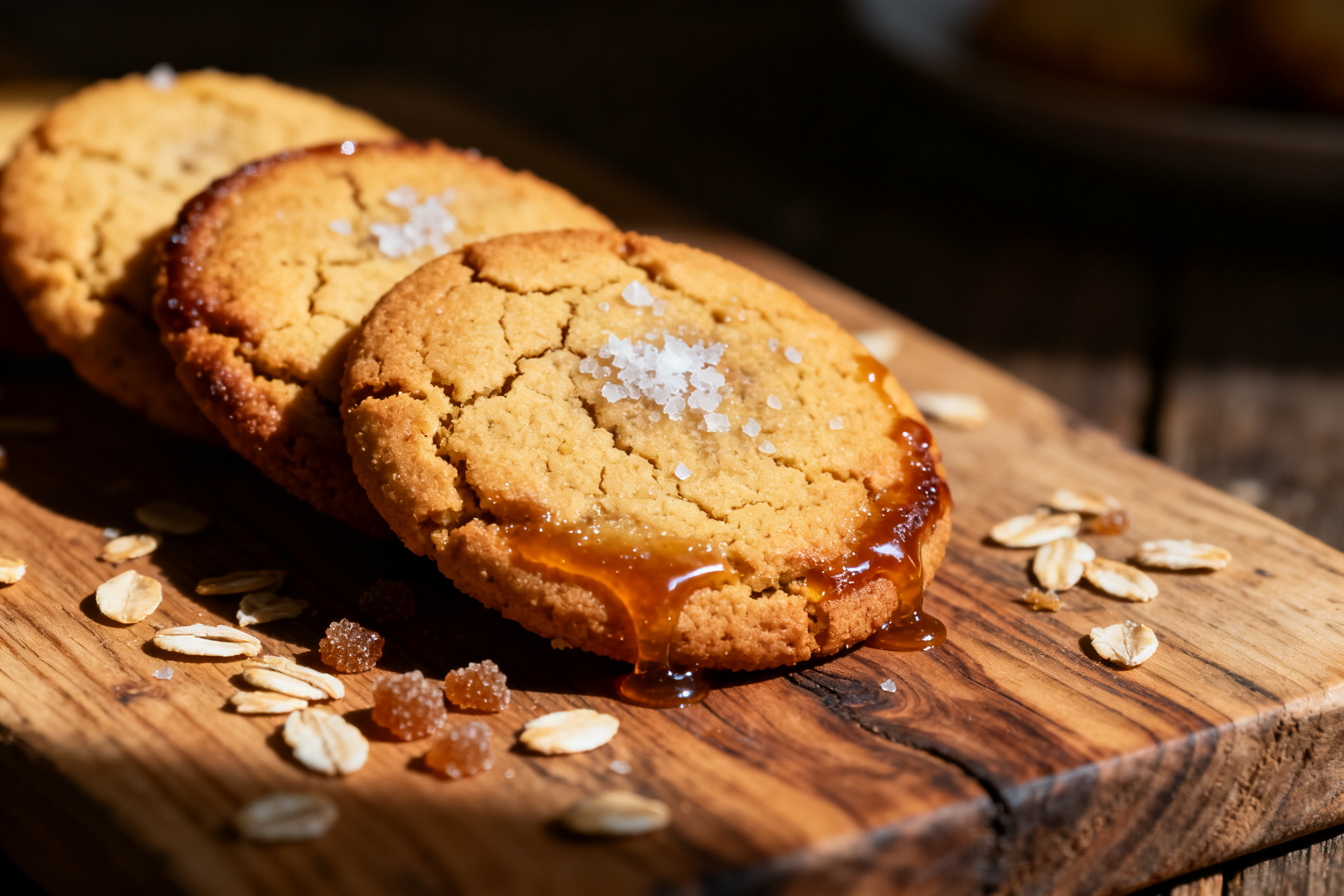
Crush leftover cookies into crumbs and use them as a topping for yogurt parfaits or ice cream sundaes.
You can also crumble them over a baked fruit crisp for an extra layer of texture. Apple crisp with oatmeal cookie topping? Yes, please.
If you have just a few sad cookies left, whiz them in a food processor with a little melted butter to make a no-bake pie crust.
7. Common mistakes & how to fix them
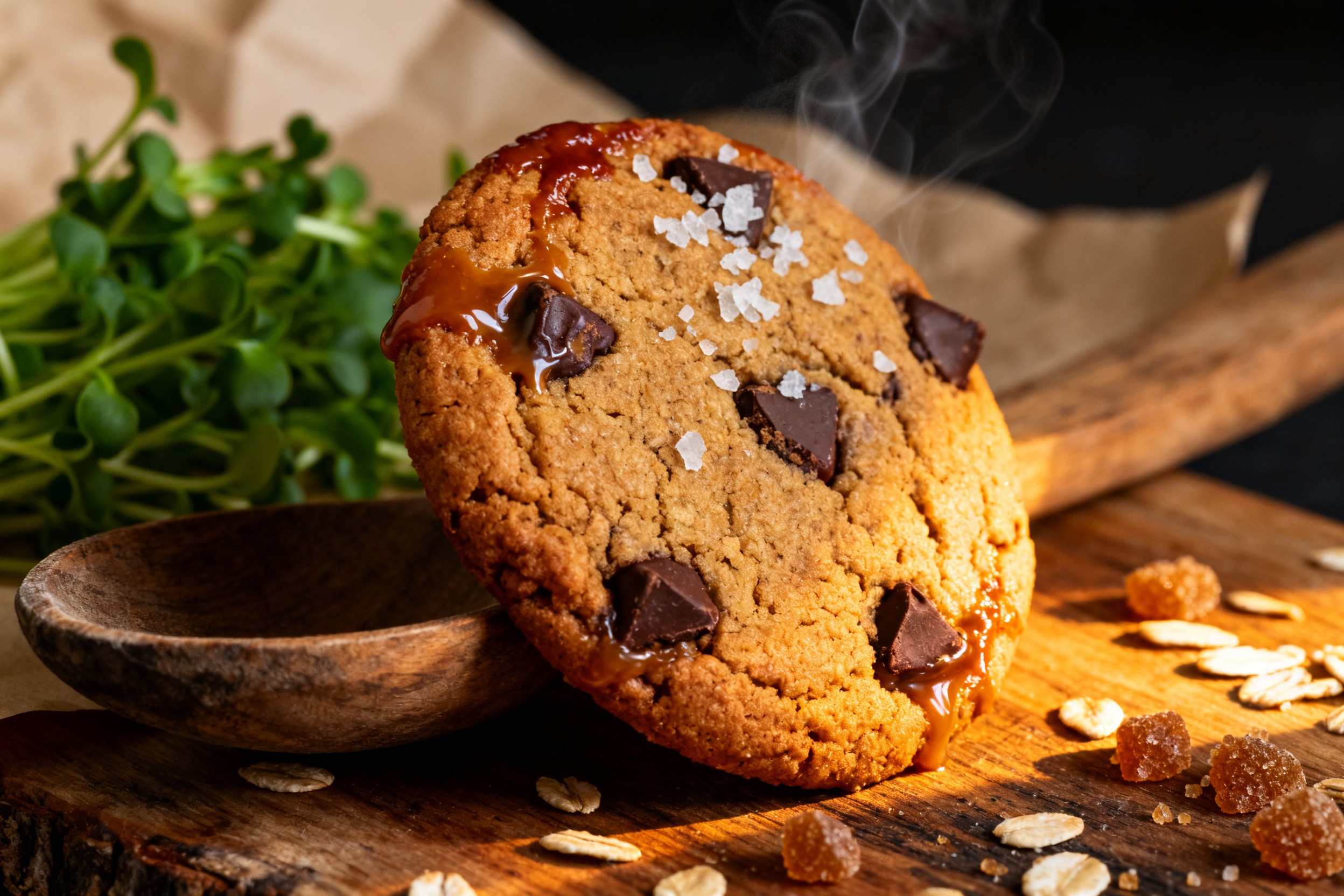
If your cookies spread into flat pancakes, your butter was too soft or you skipped the chilling step. Next time, chill the dough thoroughly.
If they’re dry and crumbly, you likely over-measured the flour. Spoon and level it into your measuring cup, don’t scoop directly.
If the bottoms burn before the tops are done, your oven runs hot. Use an oven thermometer to check the actual temperature.
8. Variations by diet or flavor profile
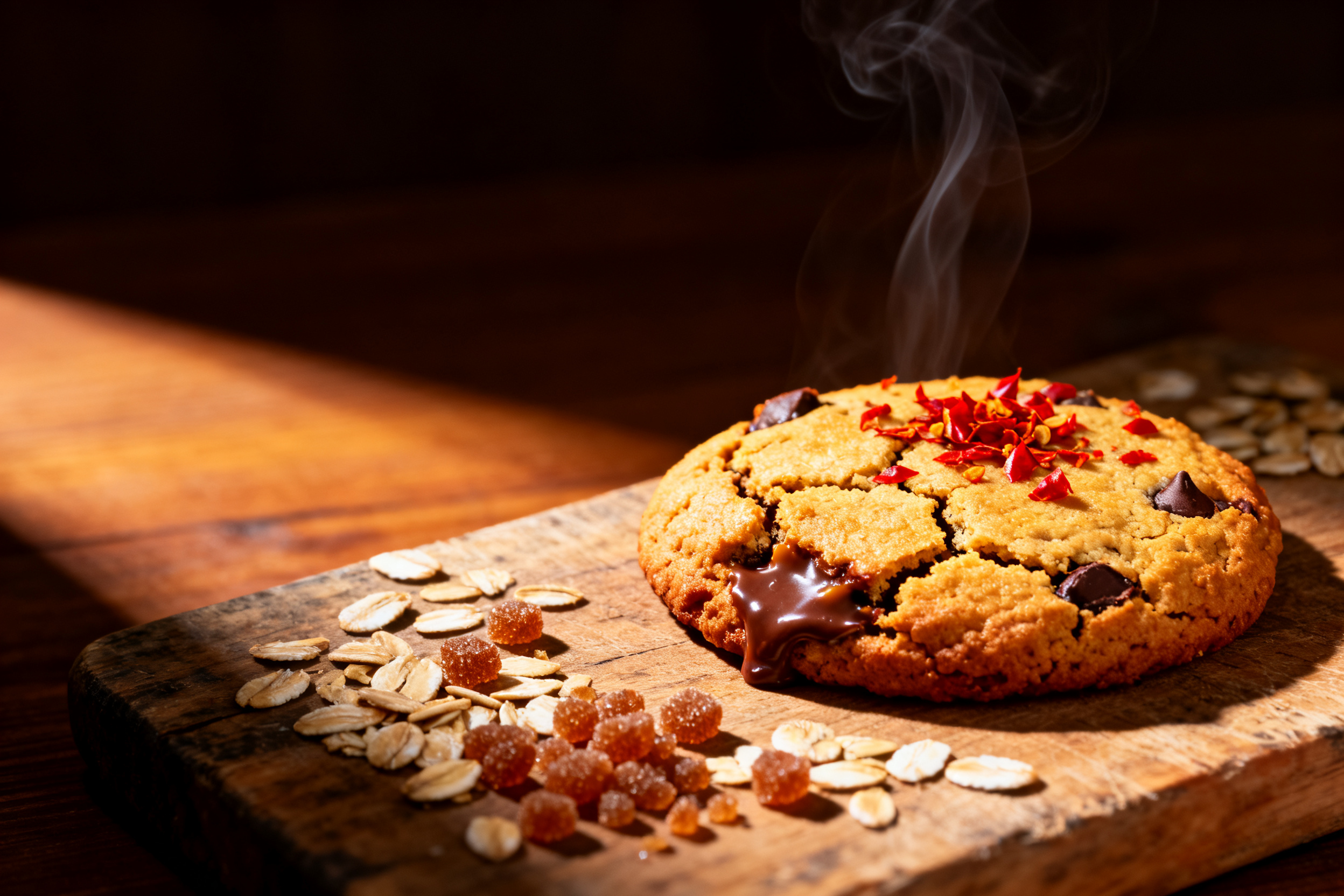
Add a cup of chocolate chips or chopped pecans for a classic twist. Dried cranberries and white chocolate chips are also fantastic.
For a fall-inspired version, add a teaspoon of pumpkin pie spice and swap half the butter for pumpkin puree. Reduce the sugar slightly.
To make these vegan, use a flax egg (1 tbsp flax meal + 3 tbsp water) and vegan butter. The texture will be a bit more cake-like.
9. Why this recipe works
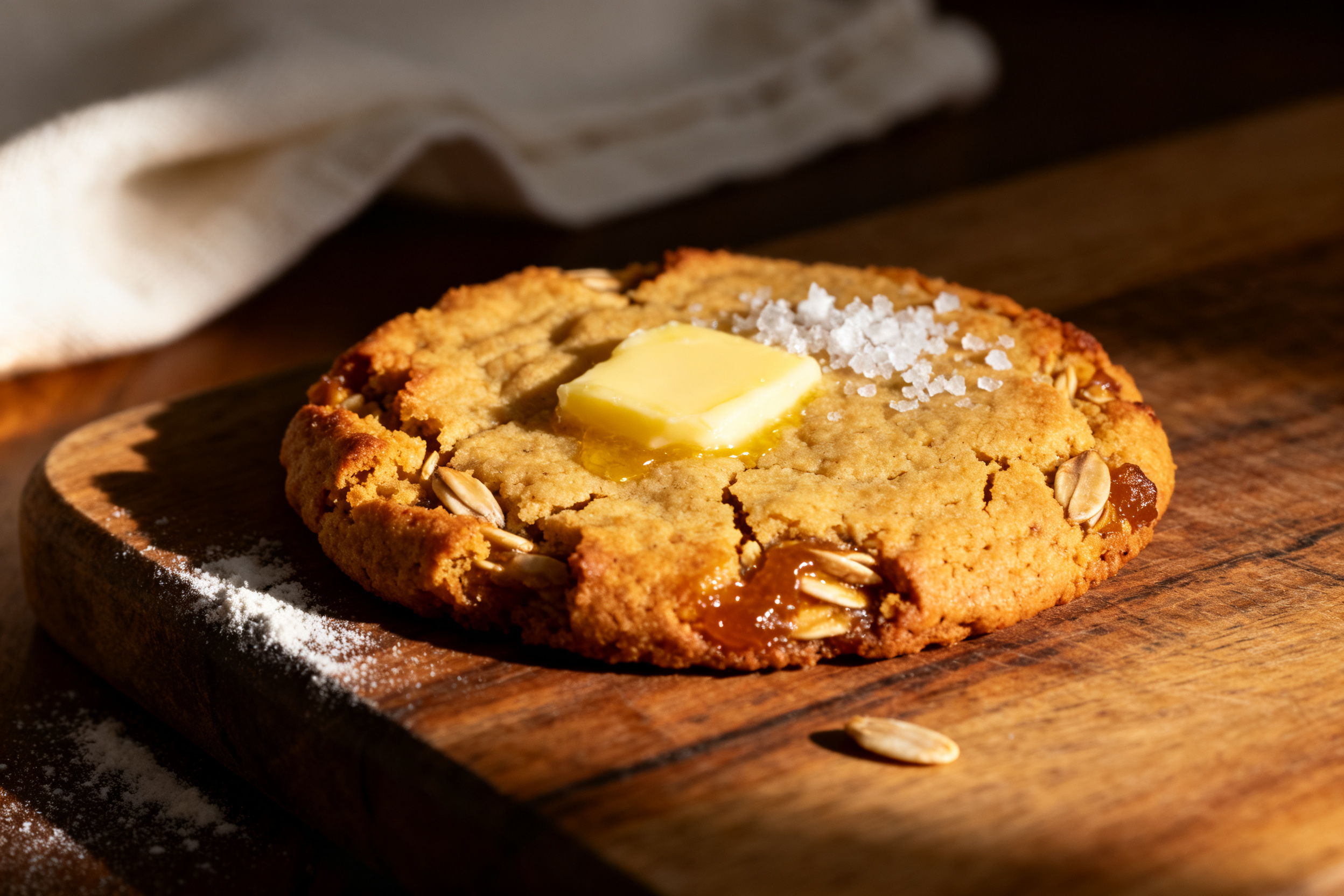
The ratio of brown sugar to white sugar is key. More brown sugar means more moisture and a chewier cookie.
Melting the butter instead of creaming it with sugar creates a denser, more uniform texture. It also makes the dough easier to mix.
The small amount of cornstarch in the flour helps tenderize the gluten, giving you a softer, more tender crumb.
10. Frequently Asked Questions (FAQ)
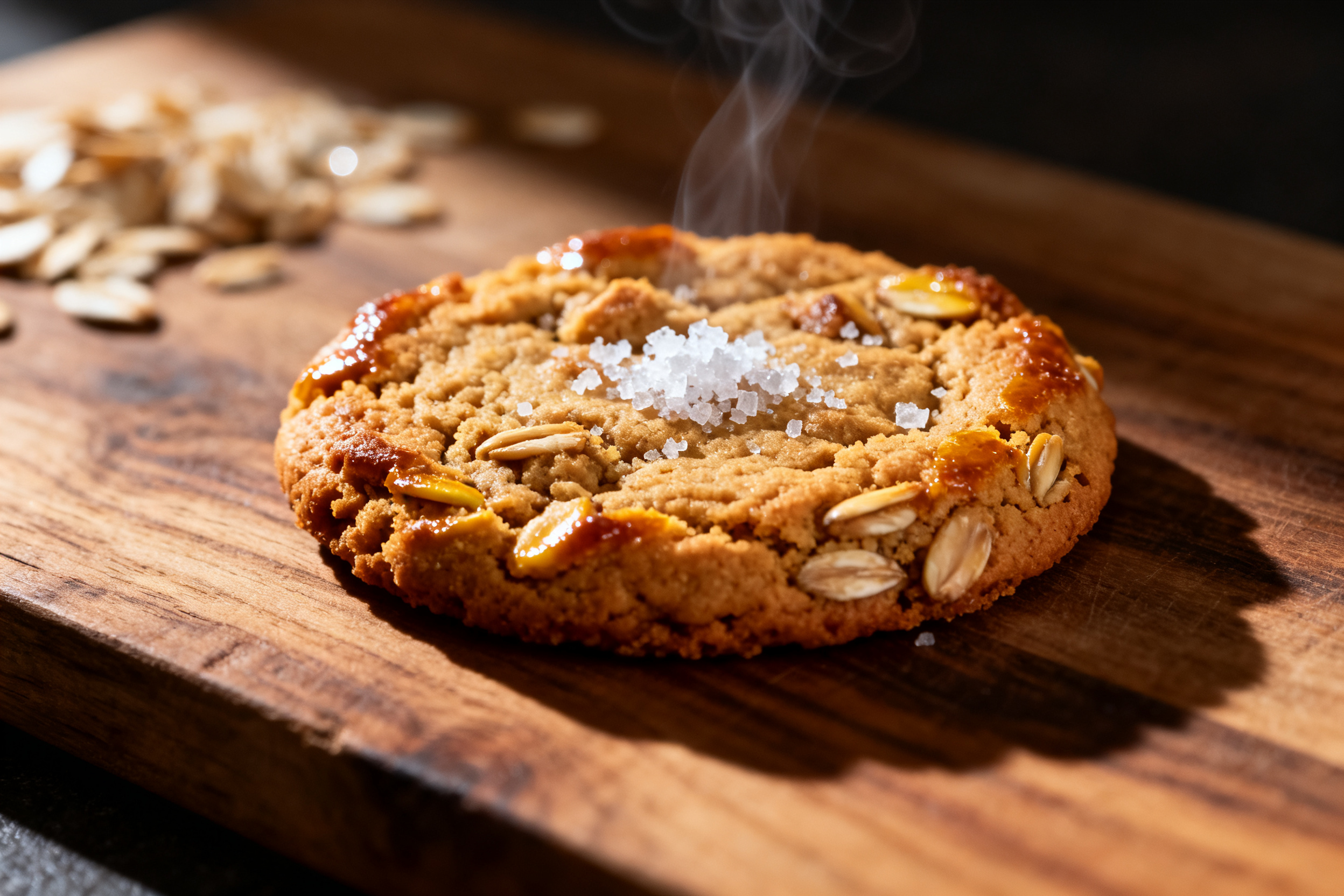
Can I use quick oats instead of old-fashioned oats? You can, but the cookies will be less chewy and have a softer, more uniform texture.
Why did my cookies turn out hard? They were likely overbaked or the dough wasn’t chilled. Next time, bake for a minute less and pull them out while still soft.
Can I double this recipe? Absolutely. This oatmeal cookie recipe scales beautifully. Just make sure your mixer bowl is big enough.
11. Call to action
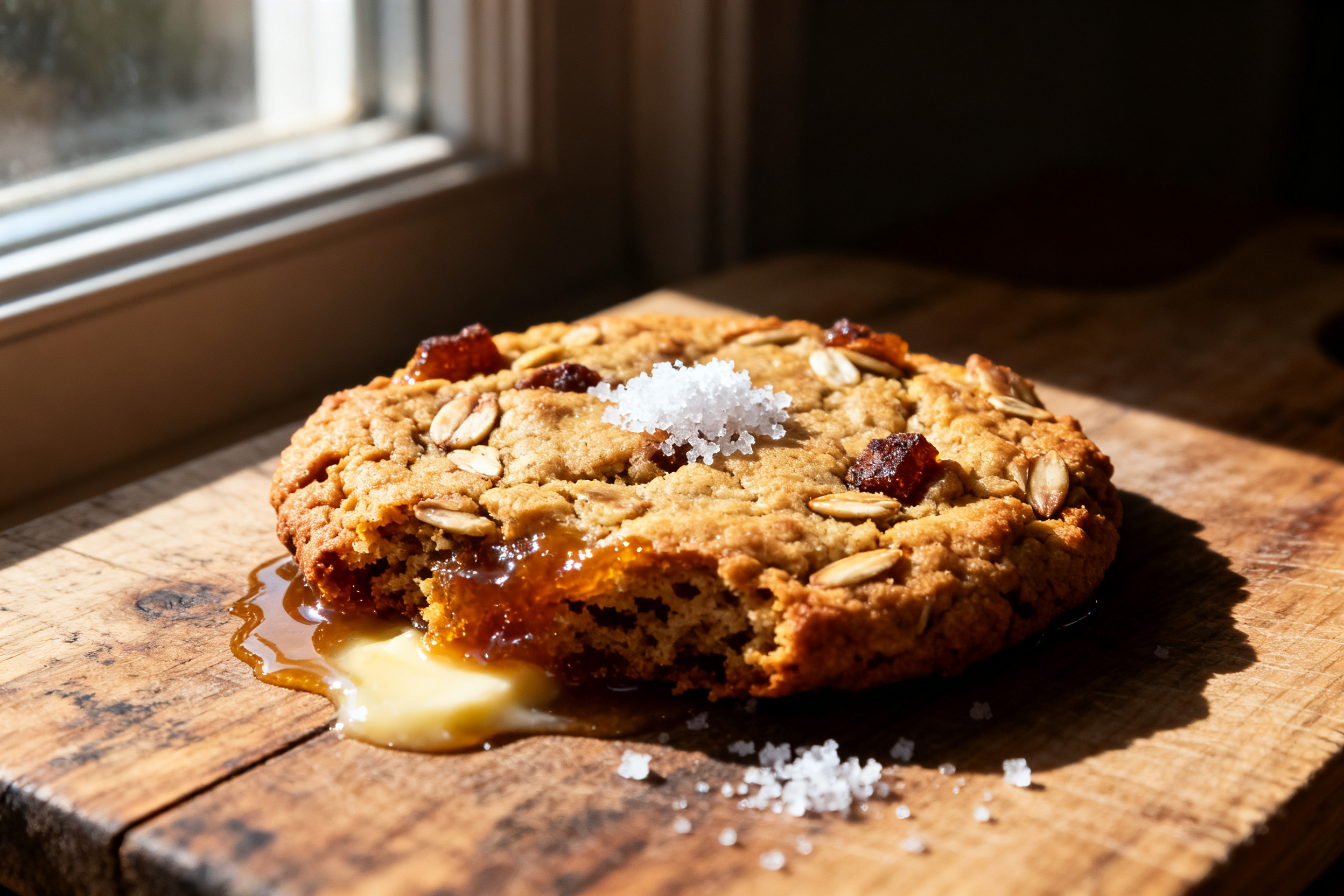
I’d love to hear how these turn out for you! Drop a comment below and let me know if your family loved them as much as mine does.
If you snap a photo, tag me on social media so I can see your beautiful cookies. Don’t forget to share this post with a friend who needs a new go-to oatmeal cookie recipe.
And hey, if you haven’t already, subscribe to the newsletter so you never miss a delicious update. Happy baking, friend.
Conclusion
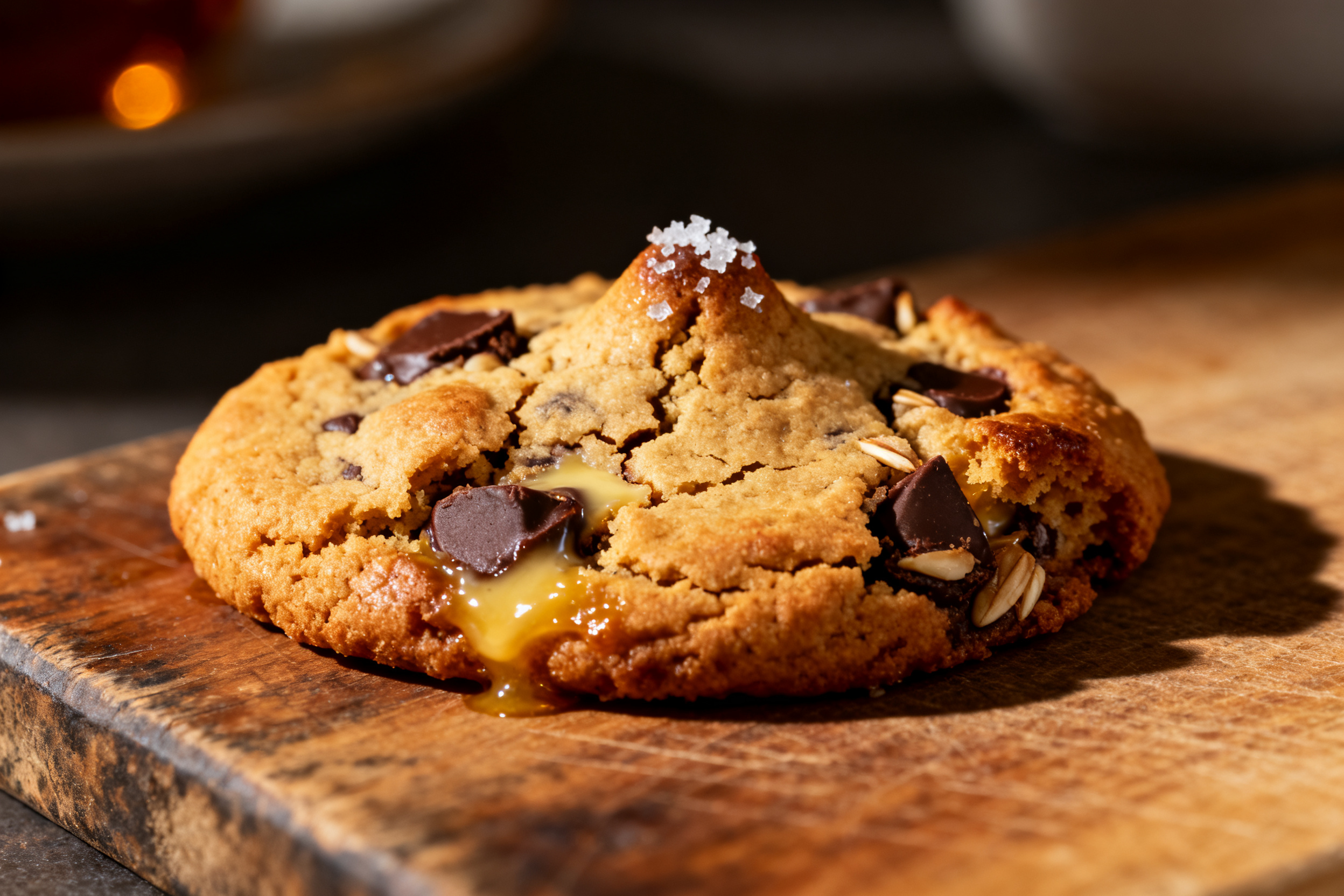
These buttery brown sugar oatmeal cookies are everything you want in a classic cookie. They’re chewy, flavorful, and surprisingly simple to pull together.
I hope this oatmeal cookie recipe becomes a staple in your kitchen, just like it is in mine. Go ahead, preheat that oven and treat yourself.
Your cookie jar is about to become the most popular spot in the house.
Buttery Brown Sugar Oatmeal Cookies
Ingredients
- 1 cup 2 sticks unsalted butter, melted and cooled slightly
- 1 cup packed light brown sugar
- 1/2 cup granulated sugar
- 2 large eggs at room temperature
- 2 teaspoons vanilla extract
- 1 1/2 cups all-purpose flour
- 1 teaspoon baking soda
- 1 teaspoon ground cinnamon
- 1/2 teaspoon salt
- 1 tablespoon cornstarch
- 3 cups old-fashioned rolled oats
Instructions
- Preheat your oven to 350°F (175°C). Line two baking sheets with parchment paper.
- In a large bowl, whisk together the melted butter, brown sugar, and granulated sugar until smooth and well combined.
- Beat in the eggs one at a time, then stir in the vanilla extract.
- In a separate bowl, whisk together the flour, baking soda, cinnamon, salt, and cornstarch.
- Gradually add the dry ingredients to the wet ingredients, mixing until just combined. Do not overmix.
- Fold in the rolled oats until evenly distributed.
- Cover the bowl with plastic wrap and refrigerate the dough for at least 30 minutes (or up to 3 days).
- Scoop rounded tablespoons of dough (about 1.5 tablespoons each) onto the prepared baking sheets, spacing them about 2 inches apart.
- Bake for 10-12 minutes, or until the edges are golden brown and the centers look slightly underdone.
- Let the cookies cool on the baking sheet for 5 minutes, then transfer them to a wire rack to cool completely.
Notes
2. To make these dairy-free, substitute the butter with a high-quality vegan butter stick.
3. Store baked cookies in an airtight container at room temperature for up to 5 days.
4. Freeze unbaked dough balls on a baking sheet, then transfer to a freezer bag.
5. Bake from frozen, adding 2-3 minutes to the bake time.
6. Add 1 cup of chocolate chips, chopped nuts, or dried fruit for a variation.