

You know that moment when you pull a cake out of the oven and it looks like it belongs in a fancy bakery window? Yeah, me neither – until I cracked the code on boxed cake mixes. I used to think a box mix was a shortcut that screamed “I cheated.” But with a few tweaks, you get a cake so tall and fluffy your friends will swear you spent hours on it. Let’s fix that boxed cake mix reputation once and for all.
These boxed cake mixes recipes are my secret weapon for birthdays, potlucks, or just a Tuesday that needs a little sugar. No complicated techniques, no weird ingredients – just a handful of tricks that turn a humble box into a showstopper. Ready to bake something that actually looks like you tried? Good.
1. Allergens
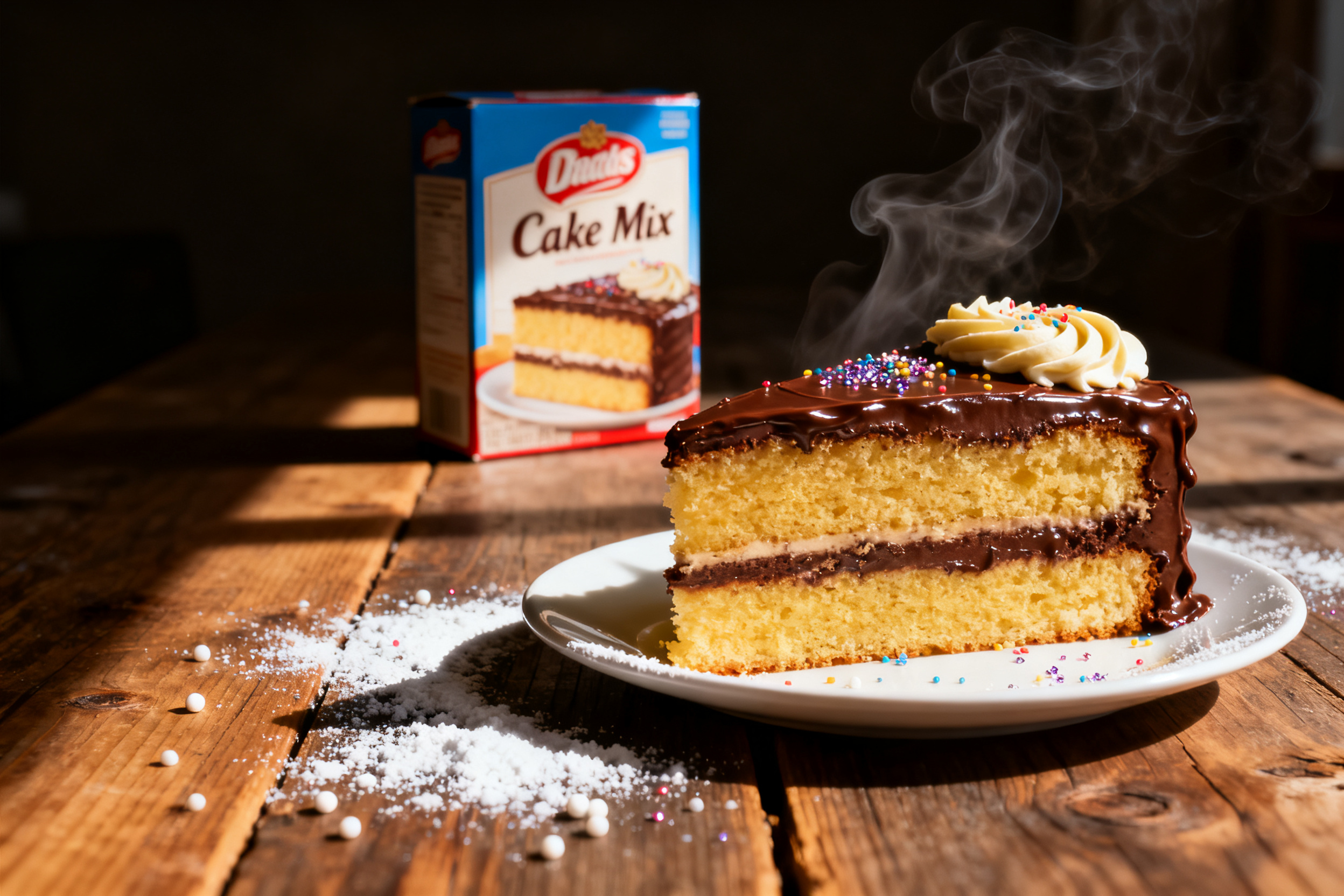
First things first – let’s talk about who can eat this cake. The base boxed mix usually contains wheat flour, so this recipe is not gluten-free unless you swap the mix. Many boxed mixes also have milk powder or whey, making them a no-go for dairy-free folks.
Eggs are a major player here – we’re adding extra ones for that bakery lift. If you need an egg-free version, try a flax egg or commercial egg replacer, but expect a slightly denser crumb. Soy lecithin is common in cake mixes too, so check labels if soy is an issue.
Nut allergies? Most standard mixes are nut-free, but always read the package. And if you’re serving someone with celiac, use a certified gluten-free cake mix and follow the same tweaks – it works beautifully.
2. Ingredient notes & substitutions
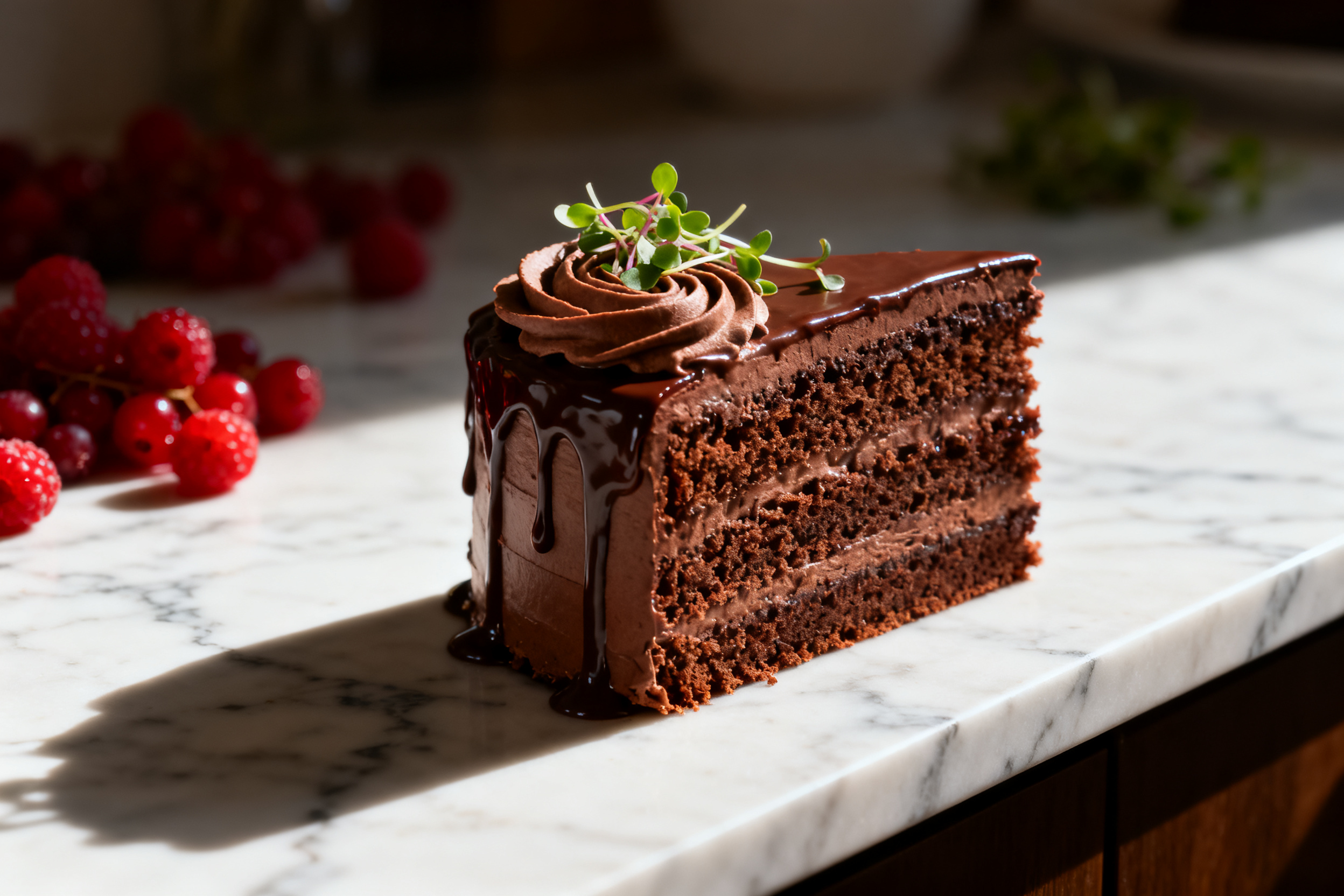
The magic starts with simple swaps. Use whole milk or buttermilk instead of water – it adds fat and tang for a tender crumb. Swap vegetable oil for melted butter (same amount) for richer flavor. And add one extra egg yolk beyond what the box calls for – that’s the bakery lift secret.
3. Pro tips
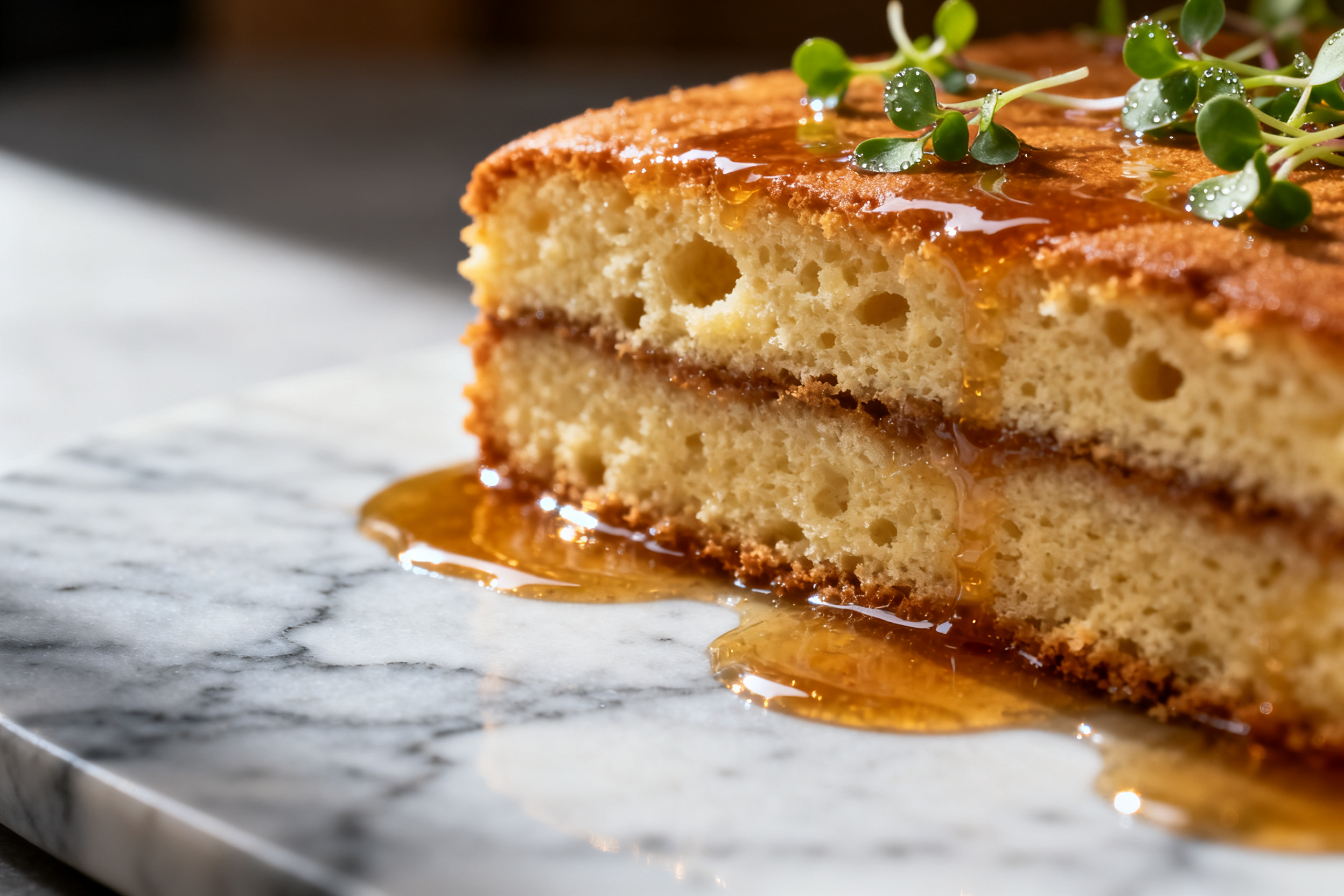
Room temperature ingredients are non-negotiable. Cold eggs and milk won’t emulsify properly, and you’ll end up with a lumpy batter. Set everything out 30 minutes before you start.
Don’t overmix! Stir just until the flour disappears – a few lumps are fine. Overworking the batter develops gluten and makes the cake tough instead of fluffy.
Use a kitchen scale if you have one – box mixes can settle during shipping, so weighing gives consistent results. For a 15.25 oz box, that’s exactly 432 grams.
Grease your pans with butter and a dusting of flour (or use baking spray with flour). Nonstick spray alone can leave a gummy edge. And for extra height, line the bottom with parchment paper.
4. Storage & make-ahead
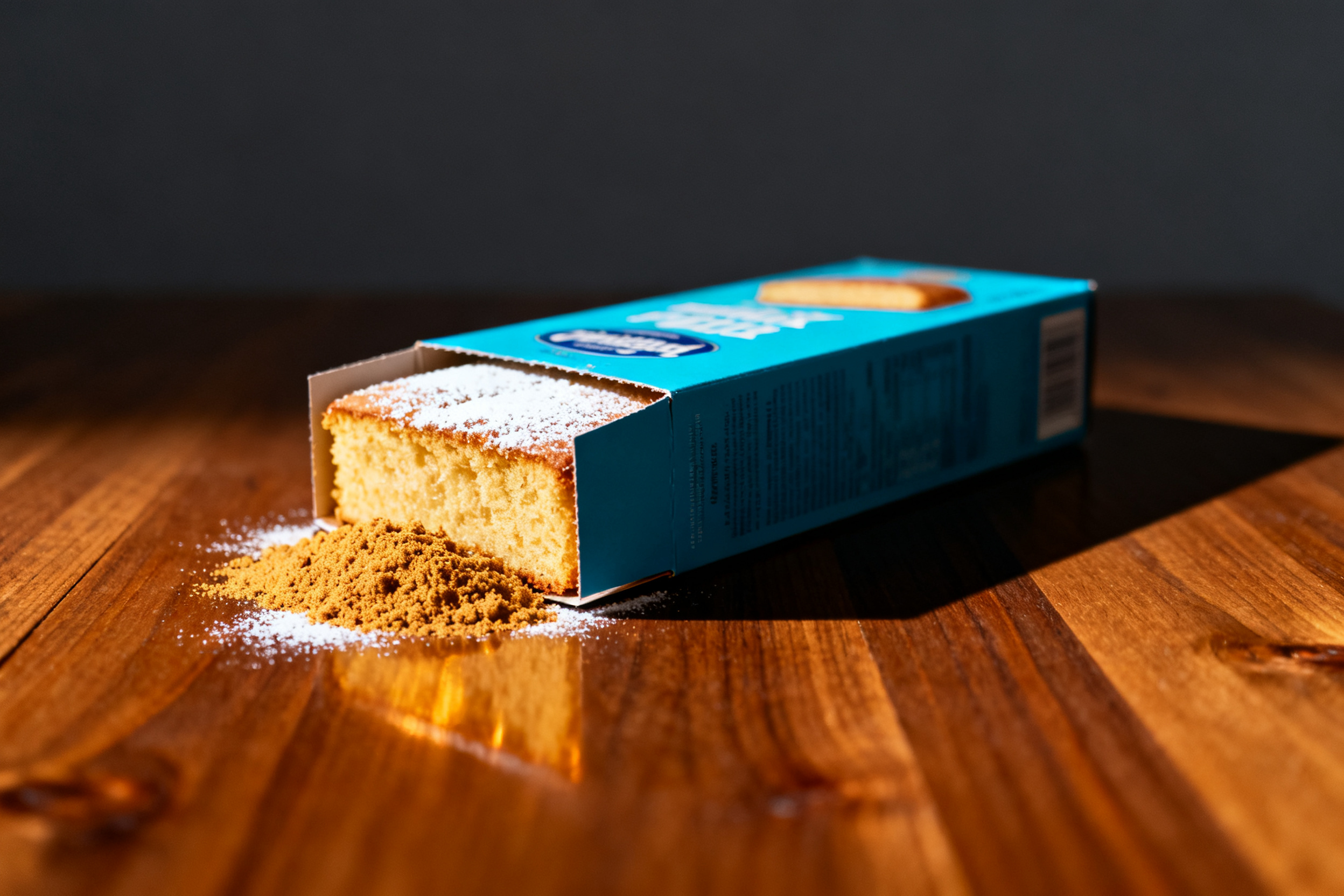
Bake the cake layers a day ahead and cool them completely. Wrap each layer tightly in plastic wrap, then foil, and keep at room temperature. Frost the next day – the cake actually tastes better after resting.
For longer storage, freeze unfrosted layers for up to three months. Wrap well and thaw in the fridge overnight. Frost while still slightly cold for a cleaner crumb coat.
5. Serving suggestions
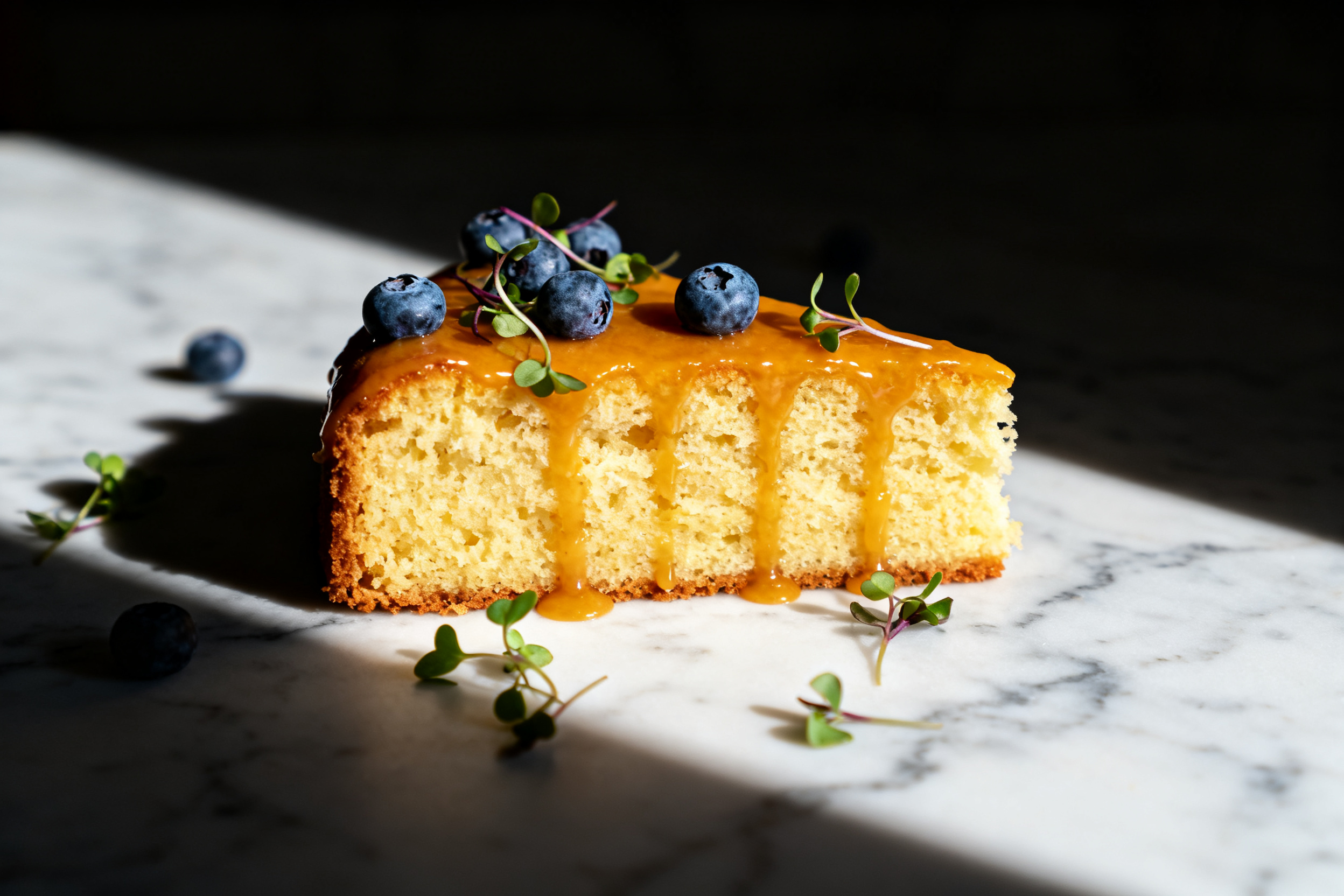
This tall cake is a star on its own, but pair it with a simple berry compote or fresh whipped cream for a lighter dessert. A dusting of powdered sugar works wonders if you’re short on time.
For a party, slice the cake horizontally and fill with jam, pudding, or lemon curd. The extra height means you can get away with two filling layers without the cake toppling over.
Serve with a scoop of vanilla ice cream or a drizzle of warm chocolate sauce. The contrast of cold and warm is pure comfort.
If you’re feeling extra, toast some coconut flakes and press them into the frosting on the sides. It adds texture and a little tropical vibe.
And don’t forget the coffee – a tall slice of cake and a strong cup of black coffee is my idea of a perfect afternoon.
6. Use your leftovers
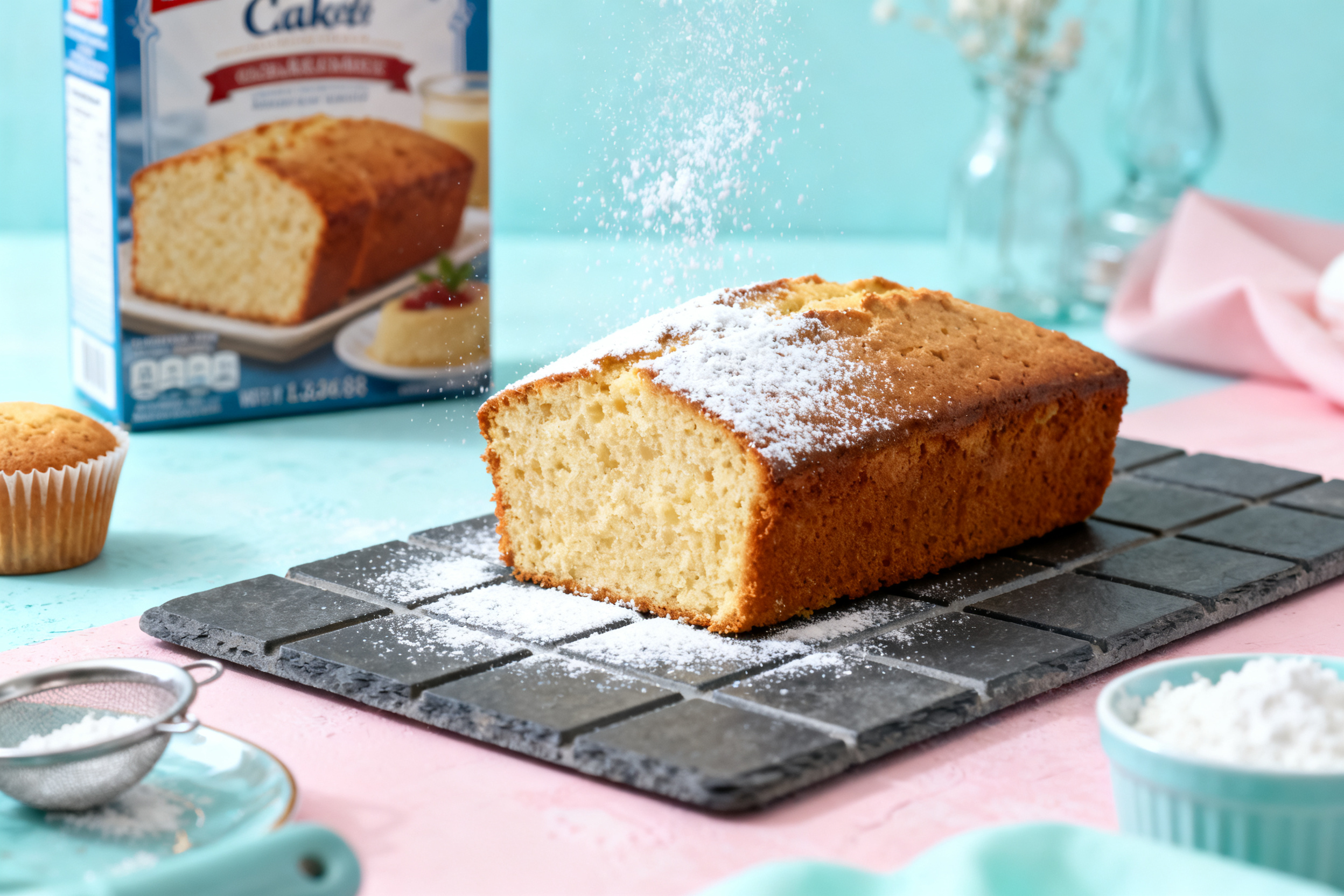
Leftover cake? Cube it up and make a trifle. Layer cake pieces with pudding, fruit, and whipped cream in a glass dish. It looks fancy and uses every crumb.
Stale cake (if that ever happens) makes excellent cake pops. Crumble it, mix with a little frosting, roll into balls, and dip in chocolate. Instant party treat.
You can also toast cake slices in a buttered skillet for a quick bread pudding base. Drizzle with caramel sauce and call it breakfast – I won’t tell.
Freeze leftover frosting in a piping bag – just snip the tip when you need a quick cupcake decoration later.
Crumbled cake works as a topping for ice cream sundaes. Sprinkle it over a bowl of vanilla soft serve and watch people lose their minds.
And if you have just a few crumbs left, mix them into yogurt for a sweet parfait. Waste not, want not.
7. Common mistakes & how to fix them
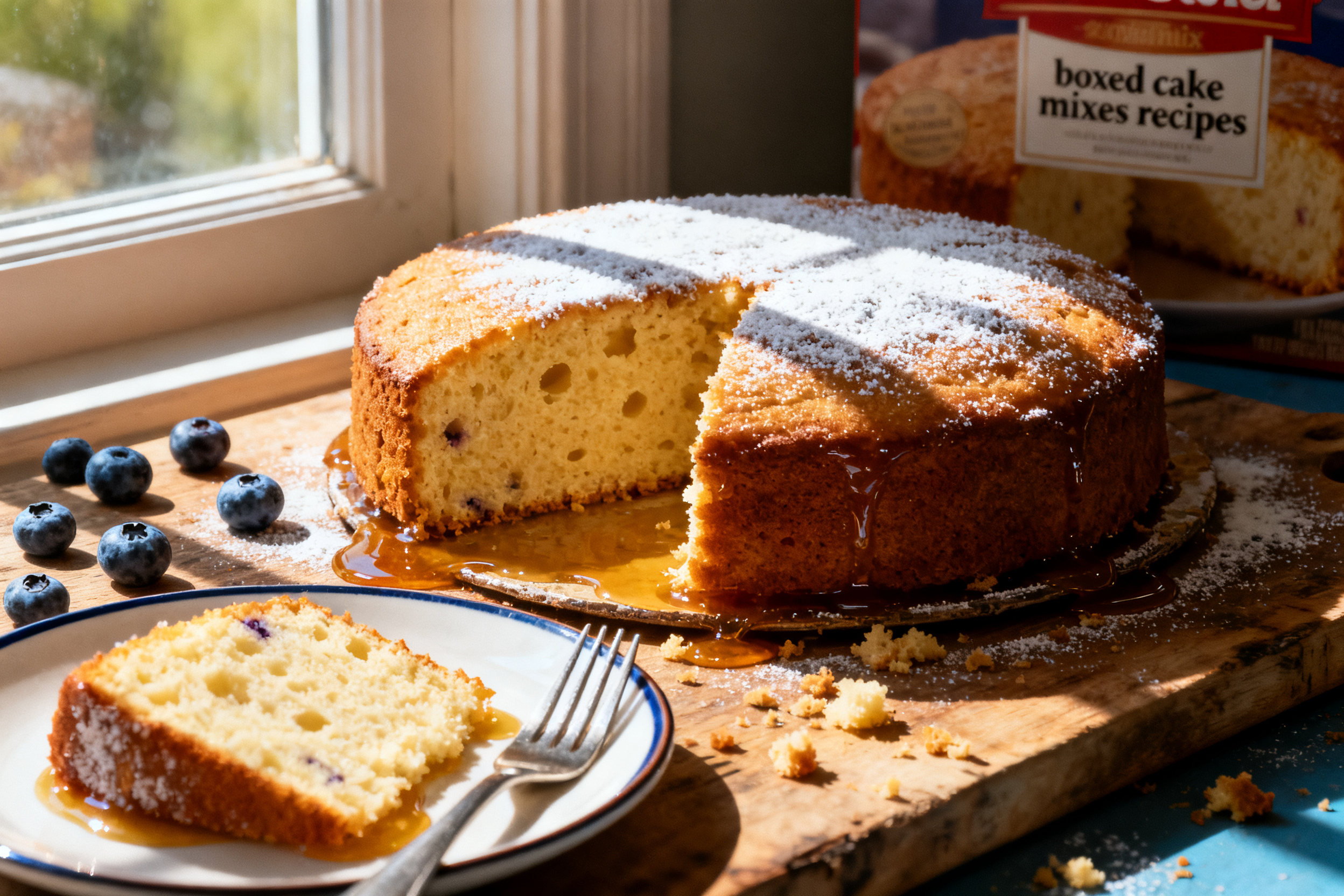
Your cake sank in the middle? That usually means you opened the oven door too early or underbaked it. Wait until the cake is set before checking – a toothpick should come out clean or with a few moist crumbs.
Dry cake? You probably overbaked or used too much flour. Next time, check the oven temperature with an oven thermometer – many run hot. And measure your liquid ingredients carefully.
Dome too high and cracked? Your oven might be too hot. Reduce the temperature by 25°F and bake a little longer. Also, don’t overfill the pans – fill only halfway for a flat top.
8. Variations by diet or flavor profile
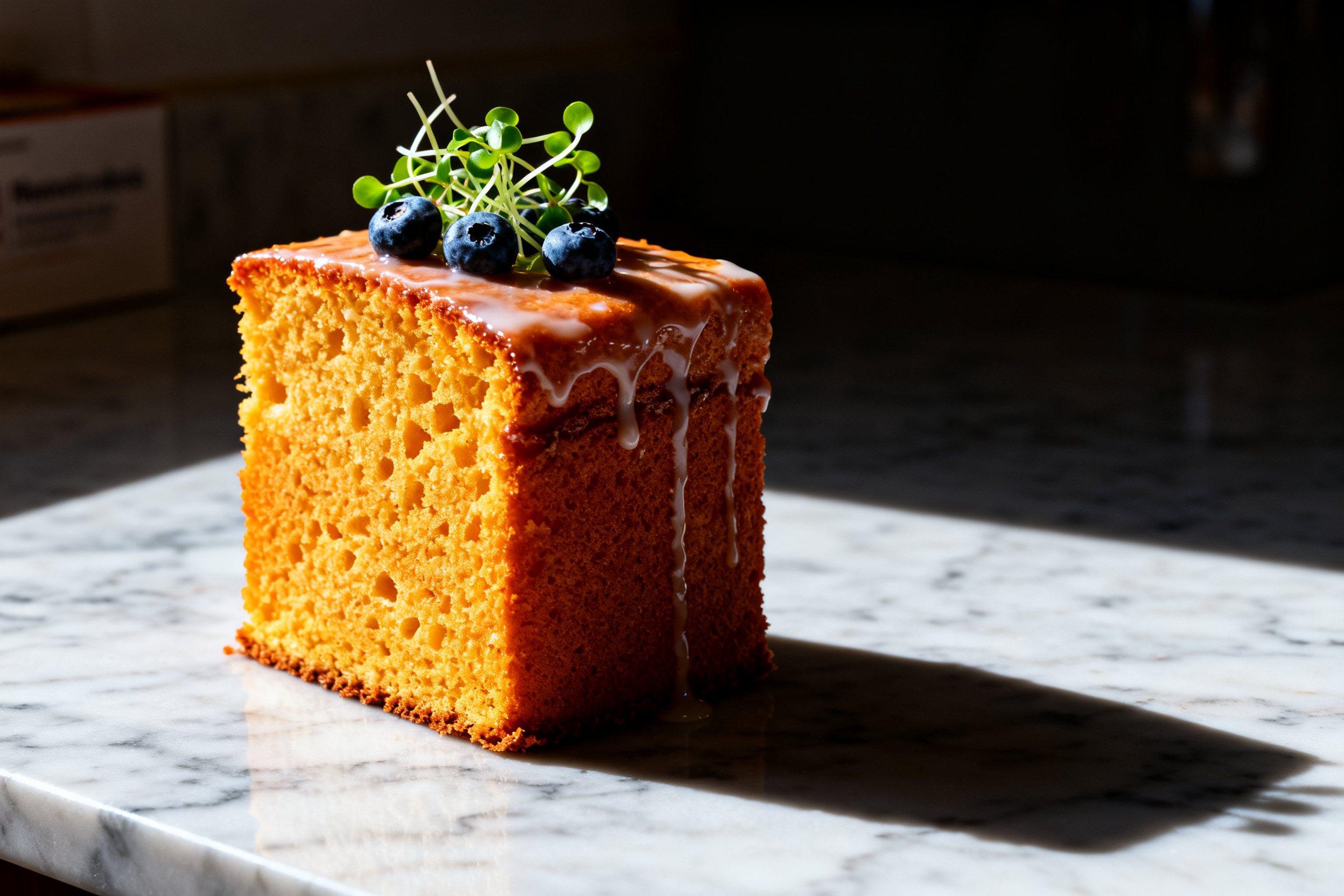
Go chocolate: use a chocolate cake mix and add a tablespoon of instant espresso powder dissolved in the milk. The coffee deepens the chocolate flavor without making it taste like coffee. For a lemon version, use a white cake mix, add lemon zest and a tablespoon of lemon juice, and swap milk for buttermilk.
9. Why this recipe works
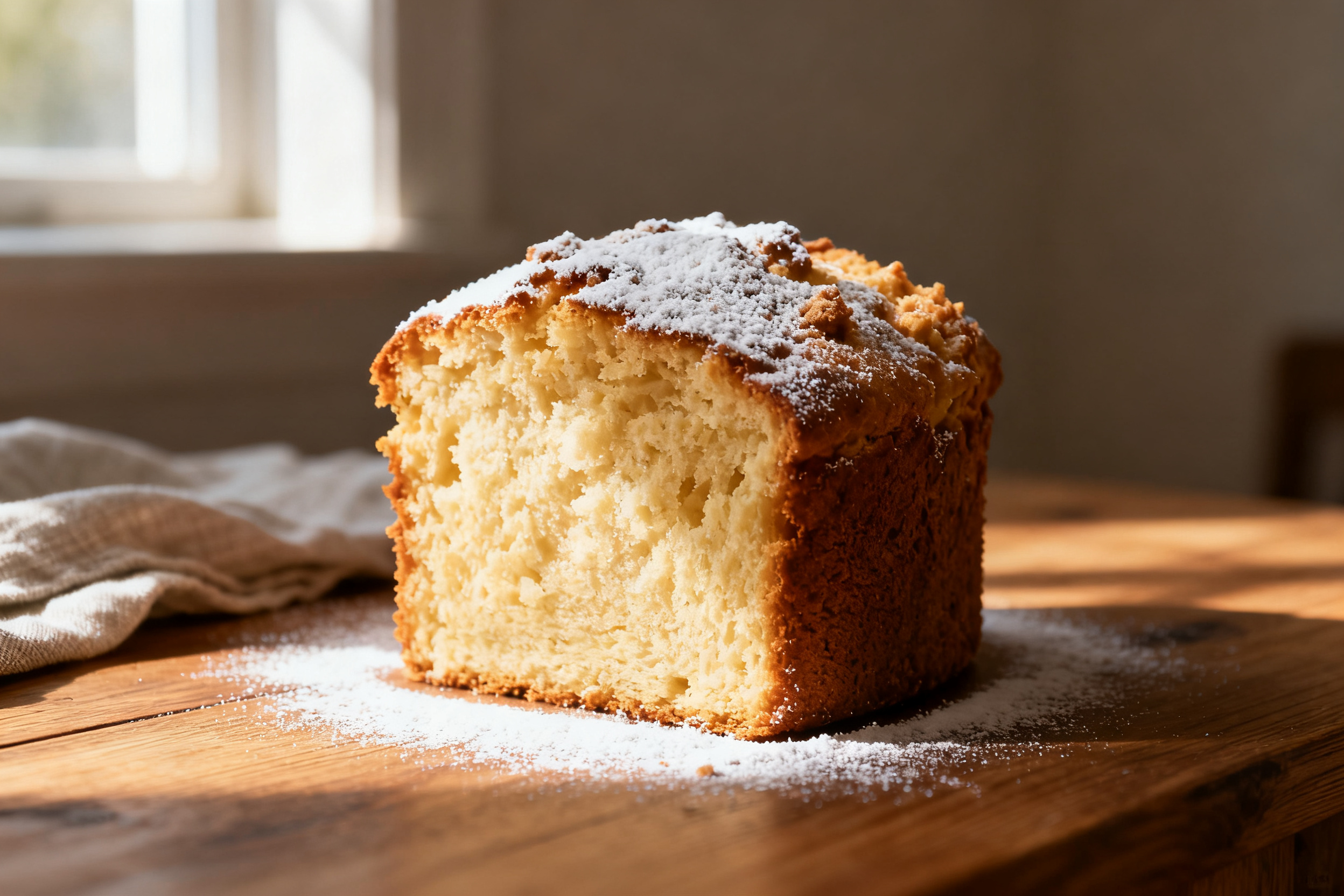
The extra egg yolk adds fat and emulsifiers that create a finer, more tender crumb. Yolks also help the cake rise higher because they stabilize the air bubbles you beat in during mixing.
Buttermilk reacts with baking soda (which is already in the mix) to produce carbon dioxide – that’s extra lift without any chemical aftertaste. The acidity also tenderizes gluten, so the cake stays soft.
Melted butter instead of oil brings water content down and solid fat content up. As the cake bakes, the butter releases steam and then solidifies, giving you that light, airy structure.
Room temperature ingredients ensure everything blends evenly. Cold butter or eggs can seize up and leave you with a dense, uneven batter. Patience pays off in height.
10. Frequently Asked Questions
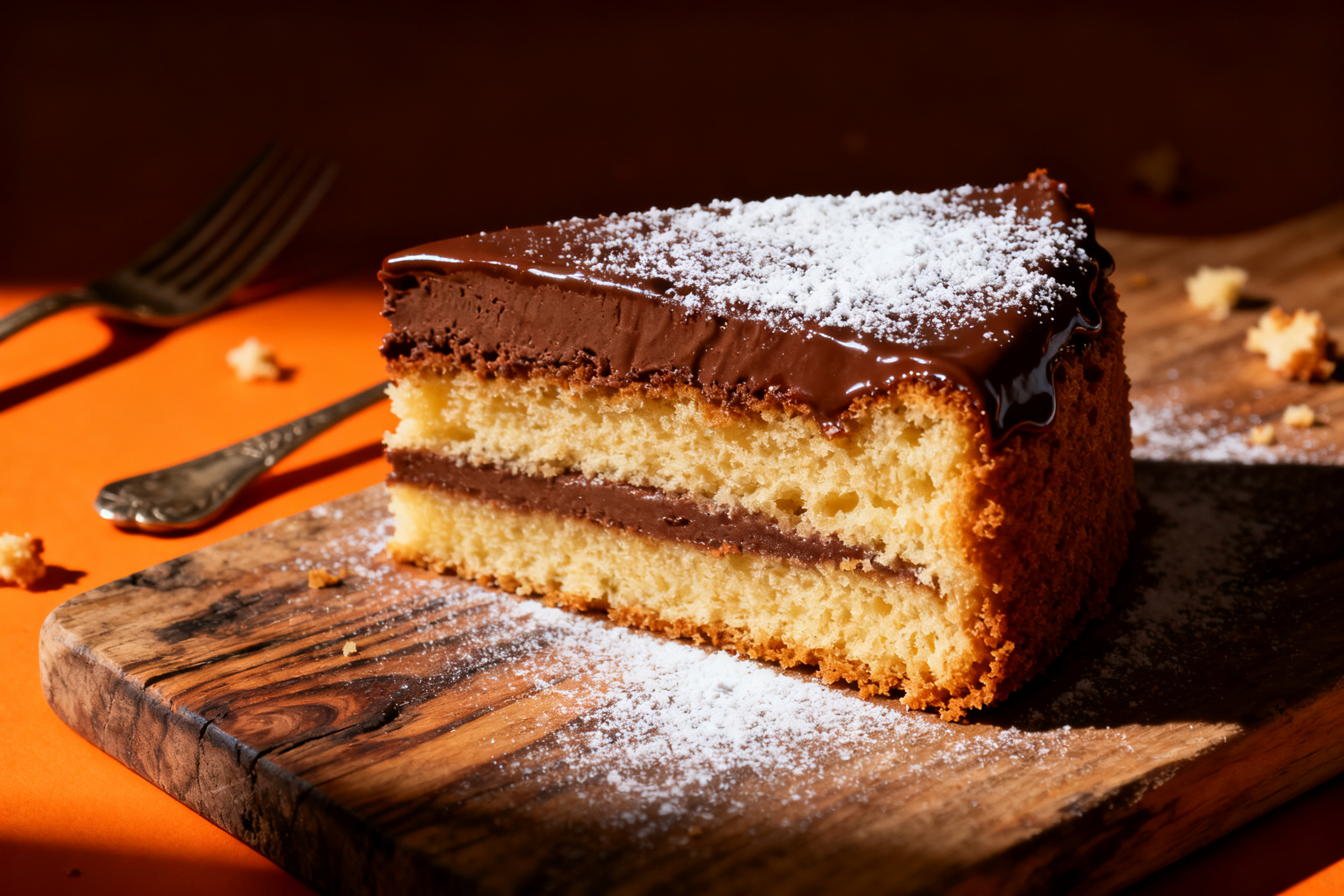
Can I use a gluten-free cake mix? Absolutely – just follow the same tweaks. Add an extra egg yolk and use buttermilk. Gluten-free mixes tend to be more delicate, so don’t overmix and let the cake cool completely before frosting.
How do I get a flat top for stacking? Bake at 325°F instead of 350°F and use cake strips (wet fabric strips around the pan). The lower heat and even temperature distribution prevent doming. Or just level the dome with a serrated knife after cooling.
11. Call to action
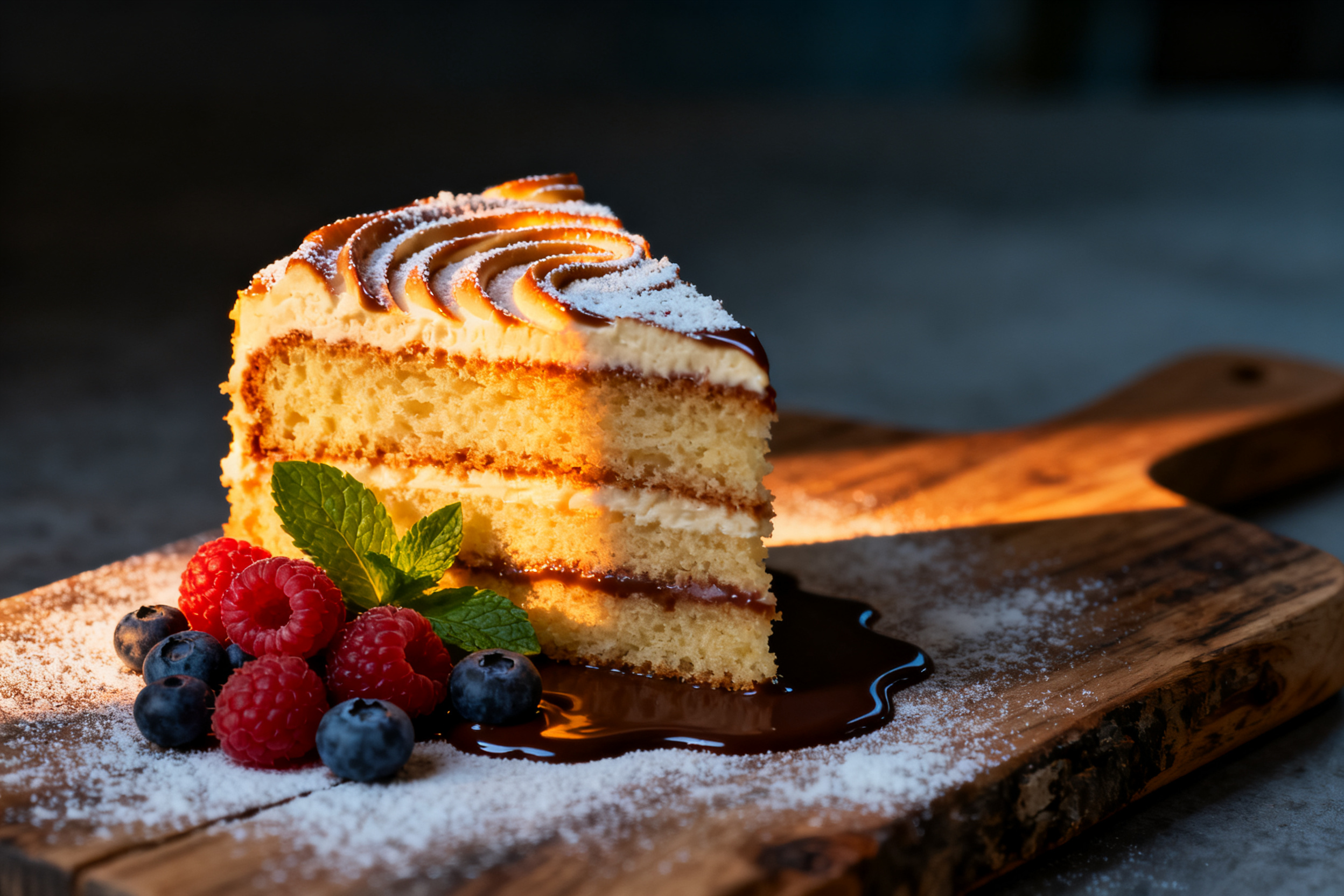
Now it’s your turn – grab a box of your favorite cake mix and try this method. I promise you’ll never look at a box the same way again.
Drop a comment below and tell me which flavor you’re baking. Did you try the lemon version? The chocolate espresso? I want to hear all about your tall, fluffy victories.
If you found this helpful, share it with a friend who claims they can’t bake. They’ll thank you when their cake actually rises.
Don’t forget to subscribe to the blog for more boxed cake mixes recipes that turn everyday desserts into something special. New recipes every week, no spam, just sugar.
Happy baking – and remember, a tall cake is a happy cake.
Conclusion
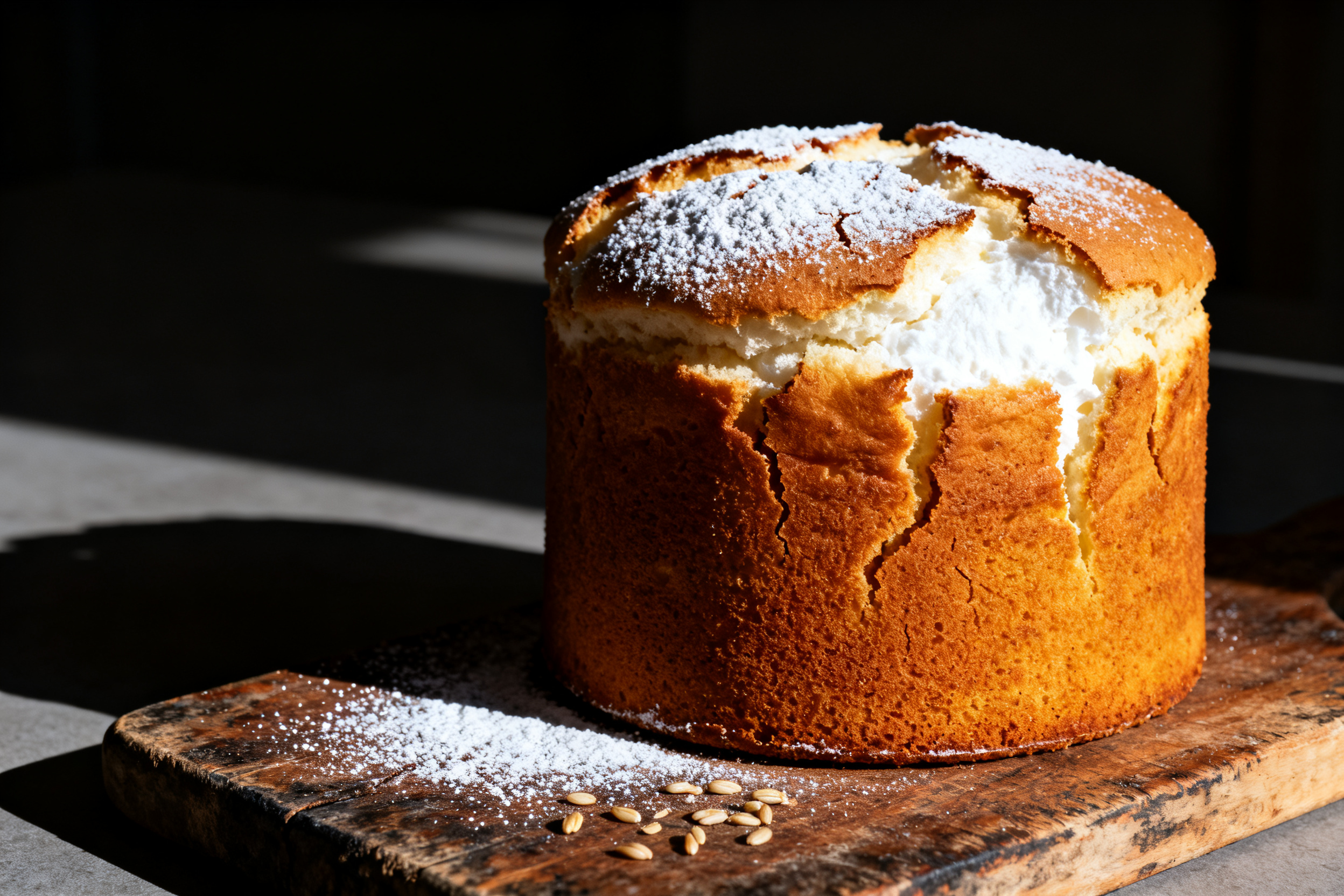
Boxed cake mixes are the ultimate shortcut, but with a few simple upgrades you get a cake that looks and tastes like it came from a bakery. The extra egg yolk, buttermilk, and butter do all the heavy lifting – you just stir and pour. No fancy equipment, no culinary degree required.
So next time you need a dessert that impresses without the stress, reach for that box and remember these tricks. Your cake will rise tall, stay fluffy, and disappear fast. Now go preheat that oven and make something beautiful.
Tall and Fluffy Vanilla Cake from a Box Mix
Ingredients
- 1 box 15.25 oz yellow or white cake mix
- 1 cup whole milk or buttermilk instead of water
- 1/2 cup unsalted butter melted (instead of oil)
- 3 large eggs + 1 extra egg yolk instead of 3 eggs
- 1 teaspoon vanilla extract
- Nonstick baking spray with flour
Instructions
- Preheat oven to 325°F. Grease two 8-inch round cake pans with baking spray and line bottoms with parchment paper.
- In a large bowl, whisk together the cake mix, milk, melted butter, eggs, extra yolk, and vanilla until just combined. Do not overmix – a few lumps are fine.
- Divide batter evenly between the prepared pans. Bake for 28-32 minutes, or until a toothpick inserted in the center comes out clean or with a few moist crumbs.
- Cool cakes in pans for 10 minutes, then turn out onto a wire rack to cool completely before frosting.
- Frost with your favorite buttercream or cream cheese frosting. For extra height, slice each layer in half horizontally and fill.
Notes
2. For lemon version: add zest of 1 lemon and 1 tbsp lemon juice; use buttermilk.
3. Store unfrosted layers wrapped in plastic at room temperature for up to 2 days, or freeze for up to 3 months.
4. If using a gluten-free cake mix, follow the same instructions but do not overmix and let cool completely before handling.
5. To avoid doming, use cake strips or bake at 325°F. Level domes with a serrated knife if needed.