
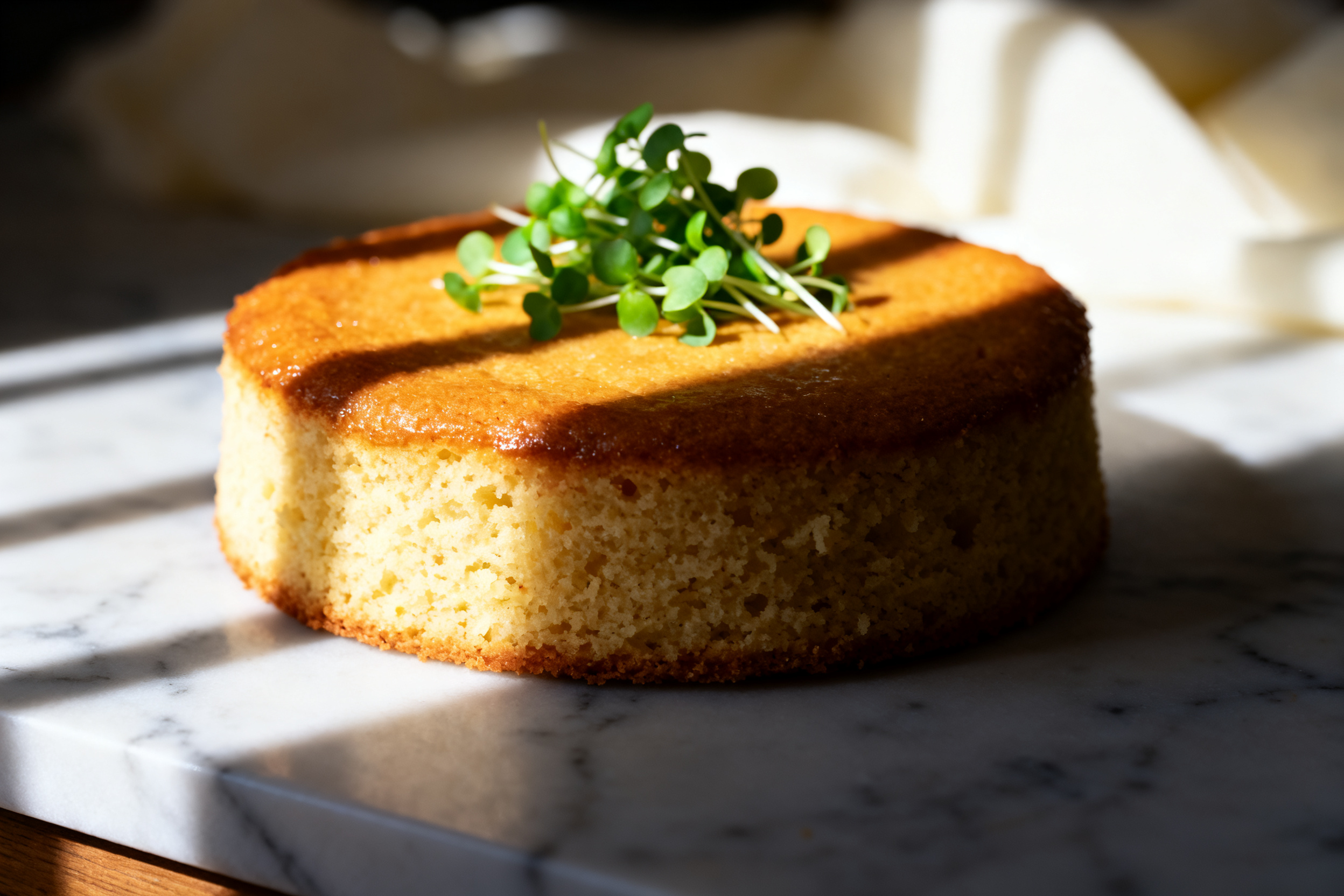

You know that feeling. You spend an hour measuring weird flours, you mix everything with hope in your heart, and then you pull a sad, dense, gummy brick out of the oven. I have been there more times than I care to admit. Why does gluten-free baking have to be so dramatic?
It doesn’t. I promise. After years of trial and error (and a few truly tragic birthday cakes), I cracked the code. These gluten free cake recipes actually work. They are fluffy, tender, and nobody at the table will know they are gluten-free unless you tell them. Let’s fix this together.
1. Allergens
This specific recipe is naturally gluten-free, and it is also nut-free if you use certified gluten-free oat flour. It contains dairy and eggs. For a dairy-free version, swap the butter for a high-quality vegan butter stick and use your favorite dairy-free milk. Always double-check your ingredient labels, especially for baking powder and vanilla extract, as some brands contain hidden gluten.
2. Ingredient notes & substitutions
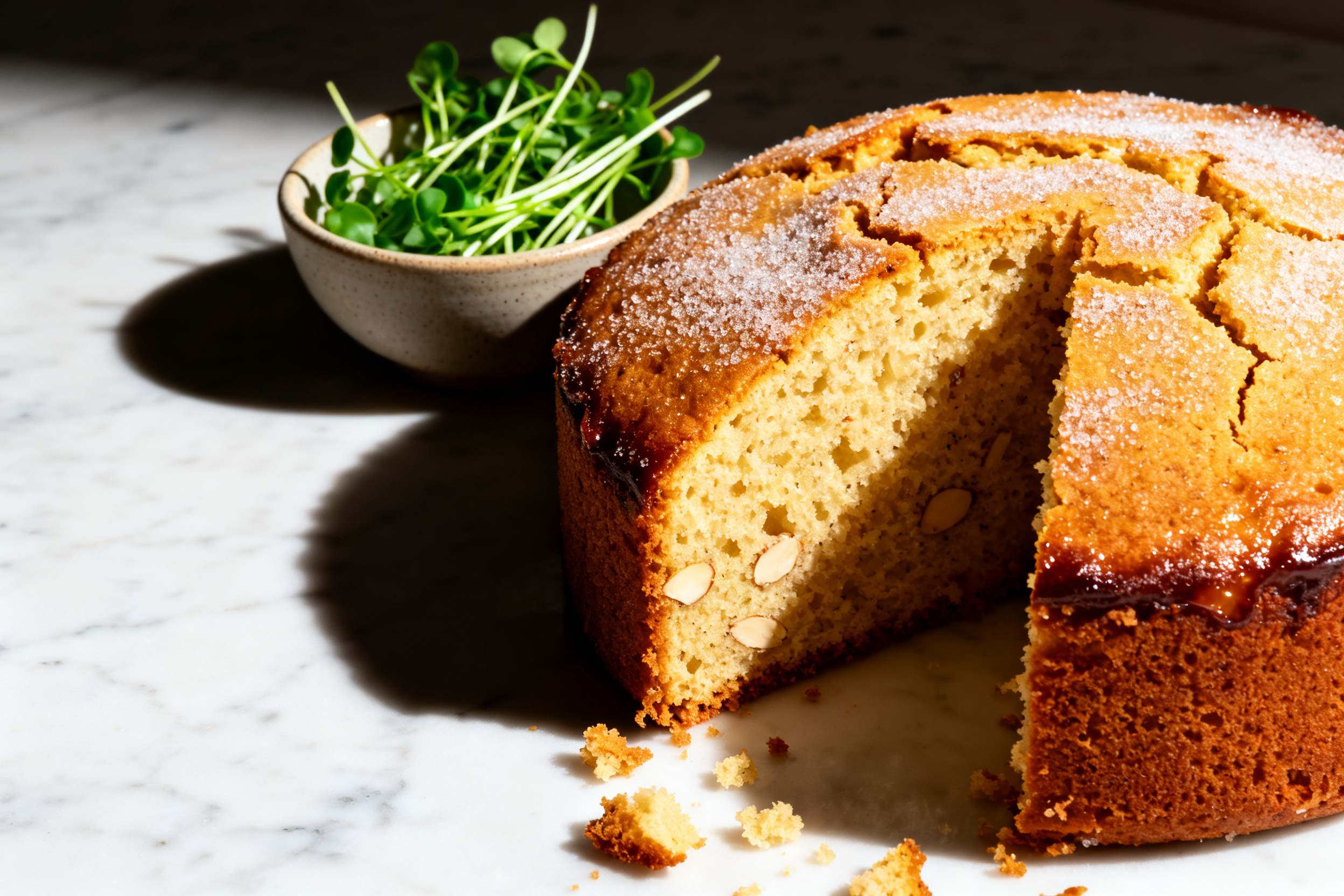
The magic comes from a blend of superfine white rice flour and potato starch. Do not swap these out for almond flour or coconut flour — those will change the texture completely. For the sugar, standard granulated sugar works best. If you need a lower-sugar option, try a 1:1 monk fruit sweetener blend, but know the cake may be slightly less tender.
3. Pro tips
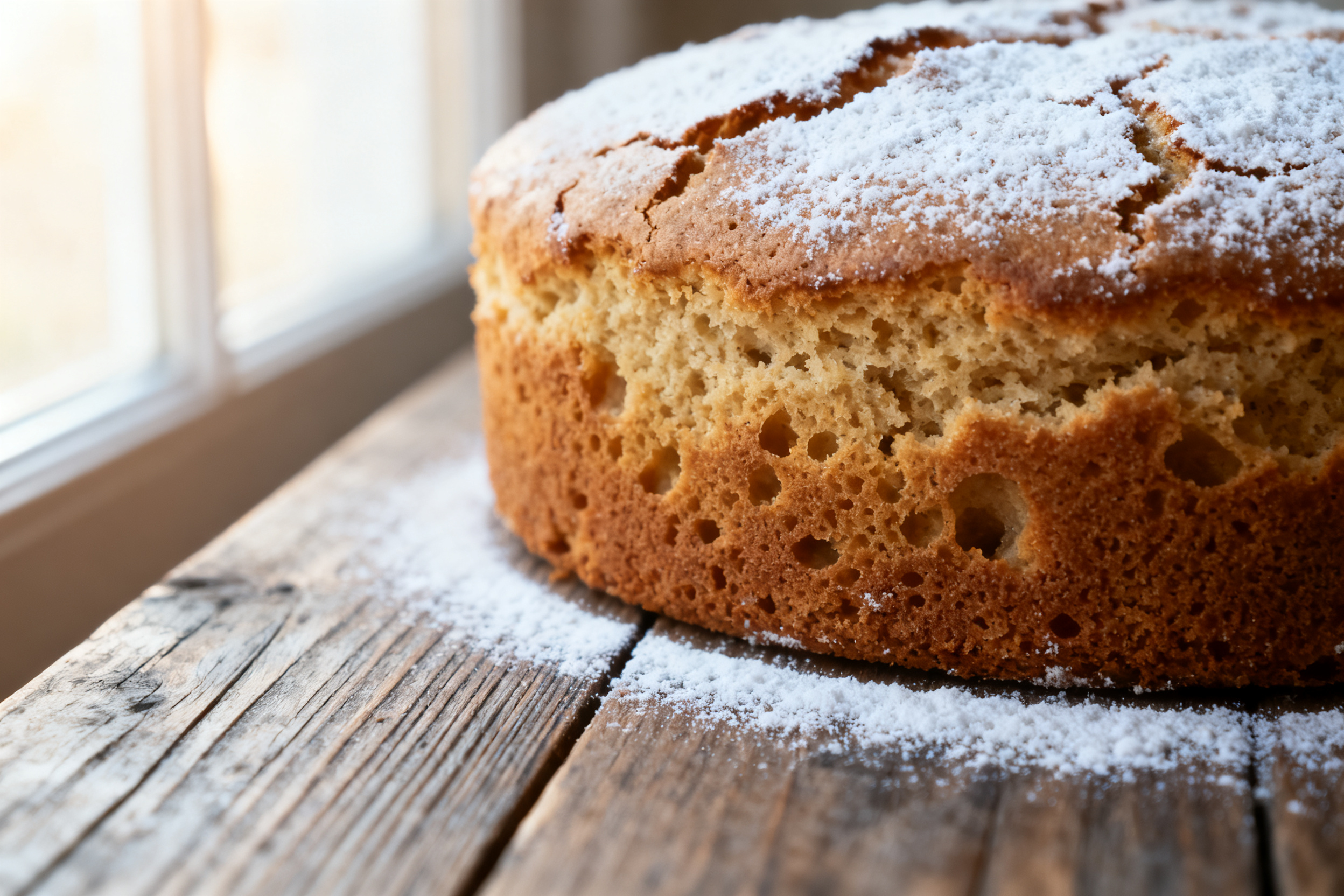
Weigh your flour. A kitchen scale is your best friend here. Scooping flour from a bag can add way too much, and that leads to a dry, crumbly cake. Room temperature ingredients are non-negotiable. Cold eggs or milk will seize the batter and ruin the fluff factor. Also, do not overmix. Stop as soon as the streaks disappear.
4. Storage & make-ahead
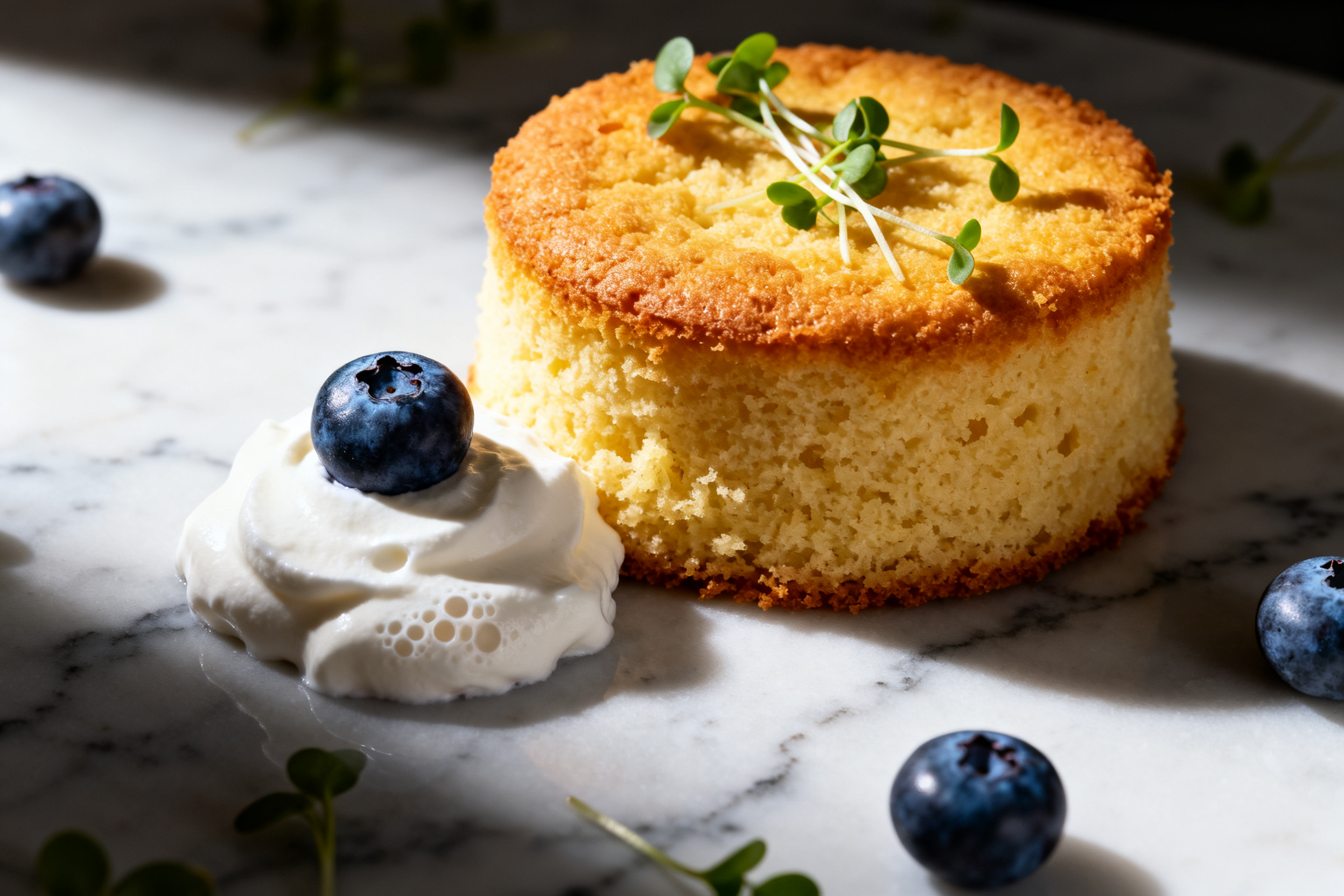
This cake stays moist on the counter for up to two days in an airtight container. For longer storage, wrap the cooled cake tightly in plastic wrap and then foil, and pop it in the freezer for up to three months. Thaw overnight in the fridge. Frost the cake only after it has thawed completely to avoid a soggy mess.
5. Serving suggestions
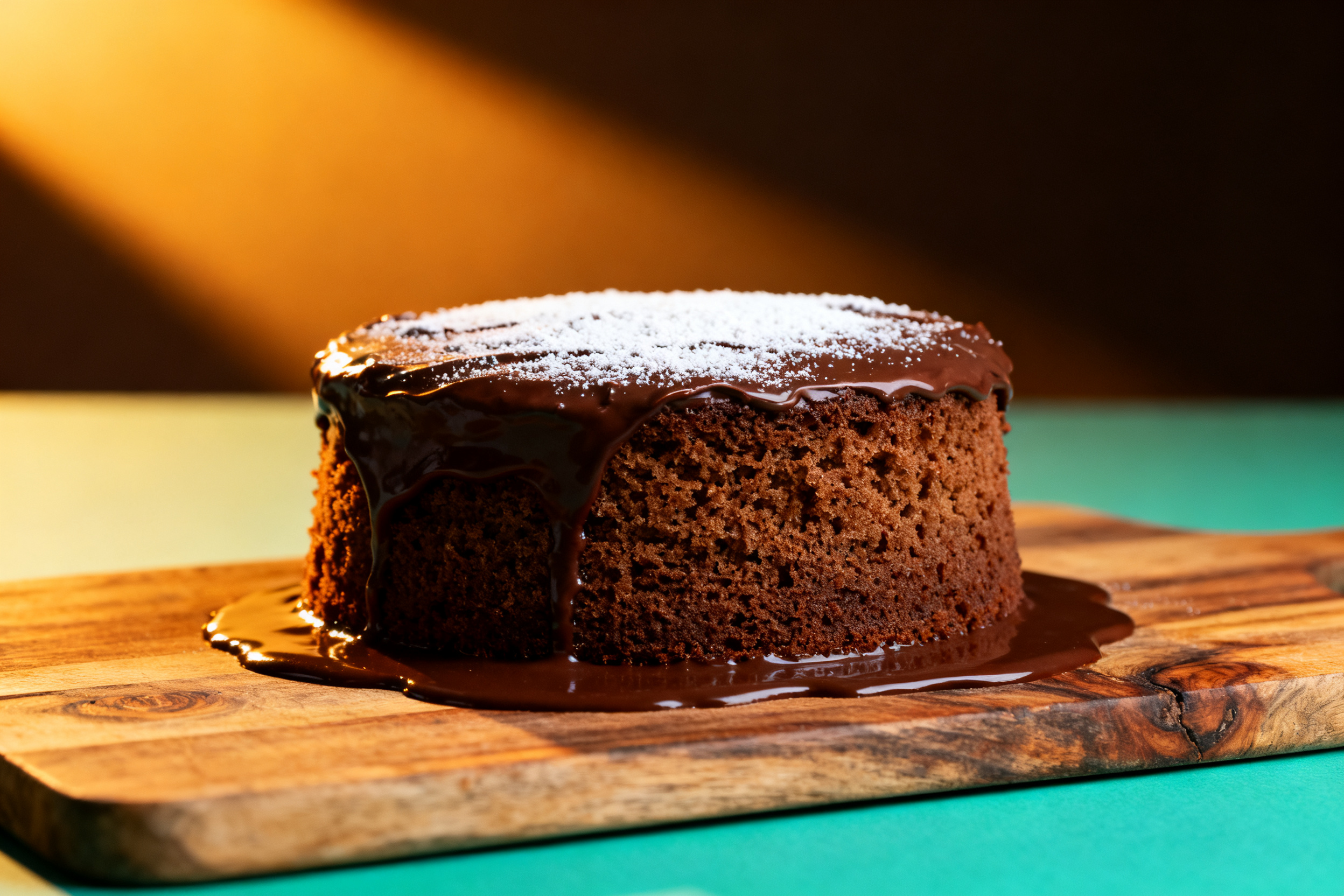
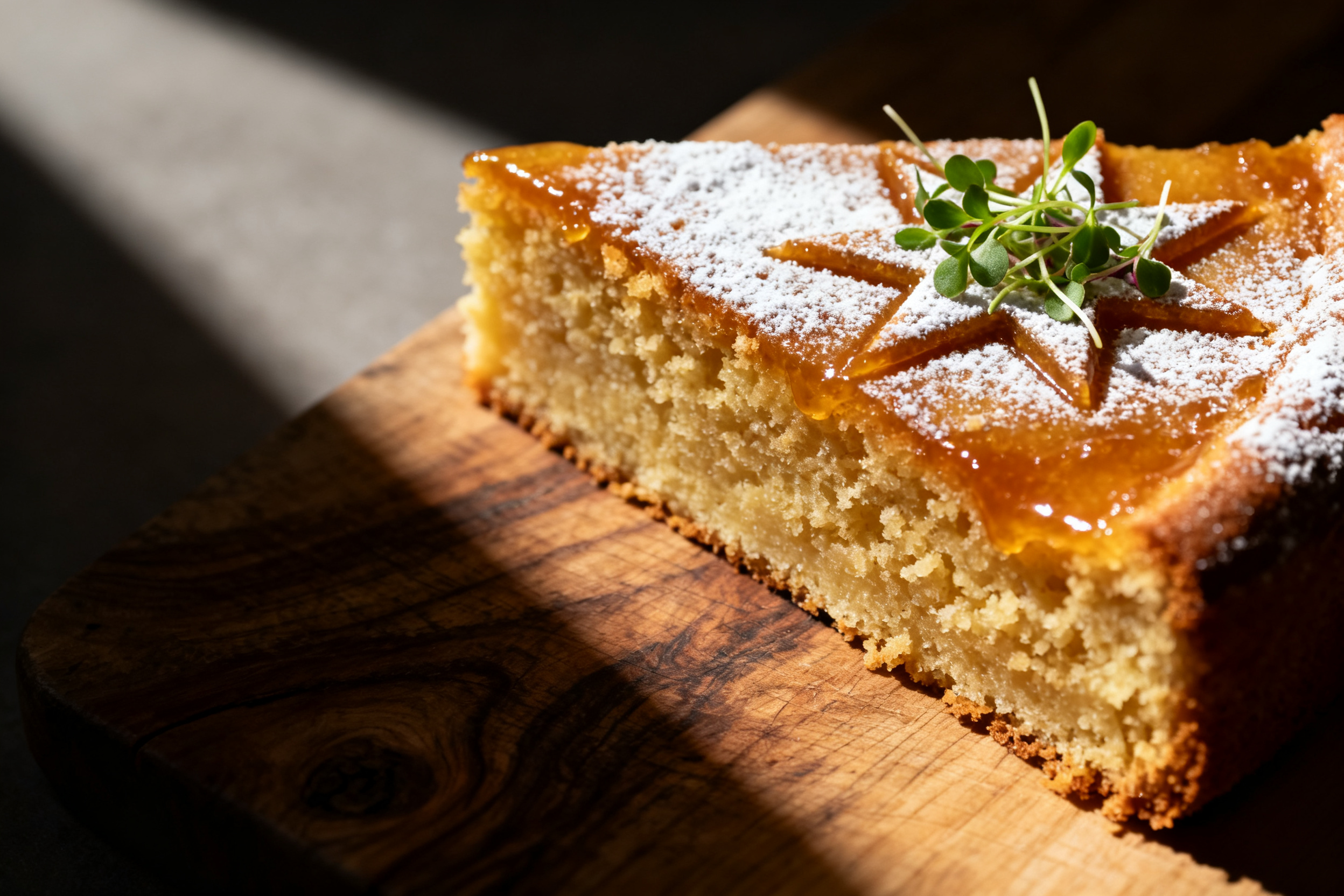
A simple dusting of powdered sugar is gorgeous. For a brunch vibe, serve warm slices with a dollop of lemon curd and fresh berries. This cake also makes an incredible base for strawberry shortcake. Just split a slice, add macerated strawberries, and pile on the whipped cream.
6. Use your leftovers
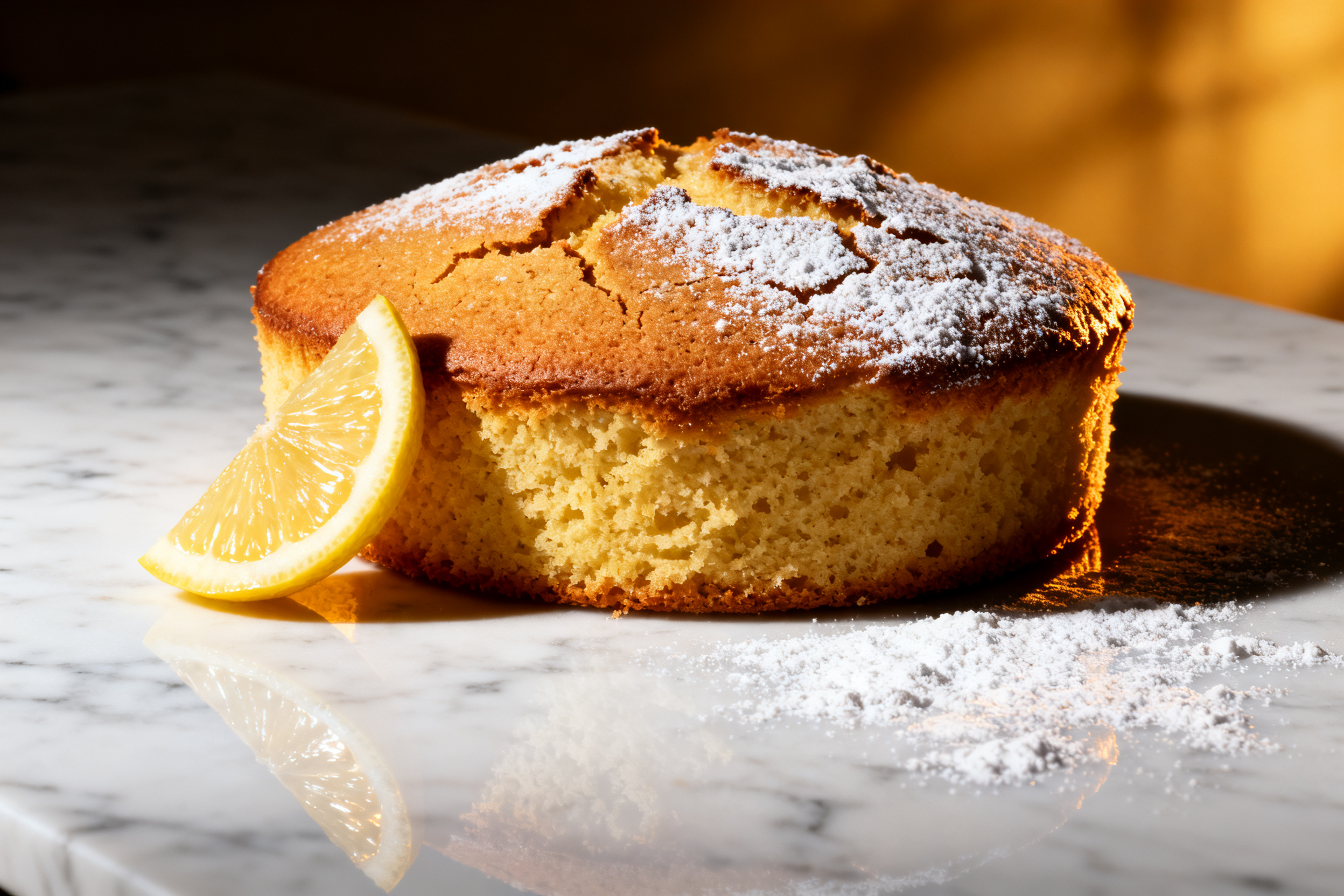
Stale cake cubes make fantastic gluten-free bread pudding. Toss them with a custard of eggs, milk, vanilla, and a pinch of cinnamon, then bake until golden. You can also crumble leftover cake over ice cream for a quick sundae topping. Nobody will judge you.
7. Common mistakes & how to fix them
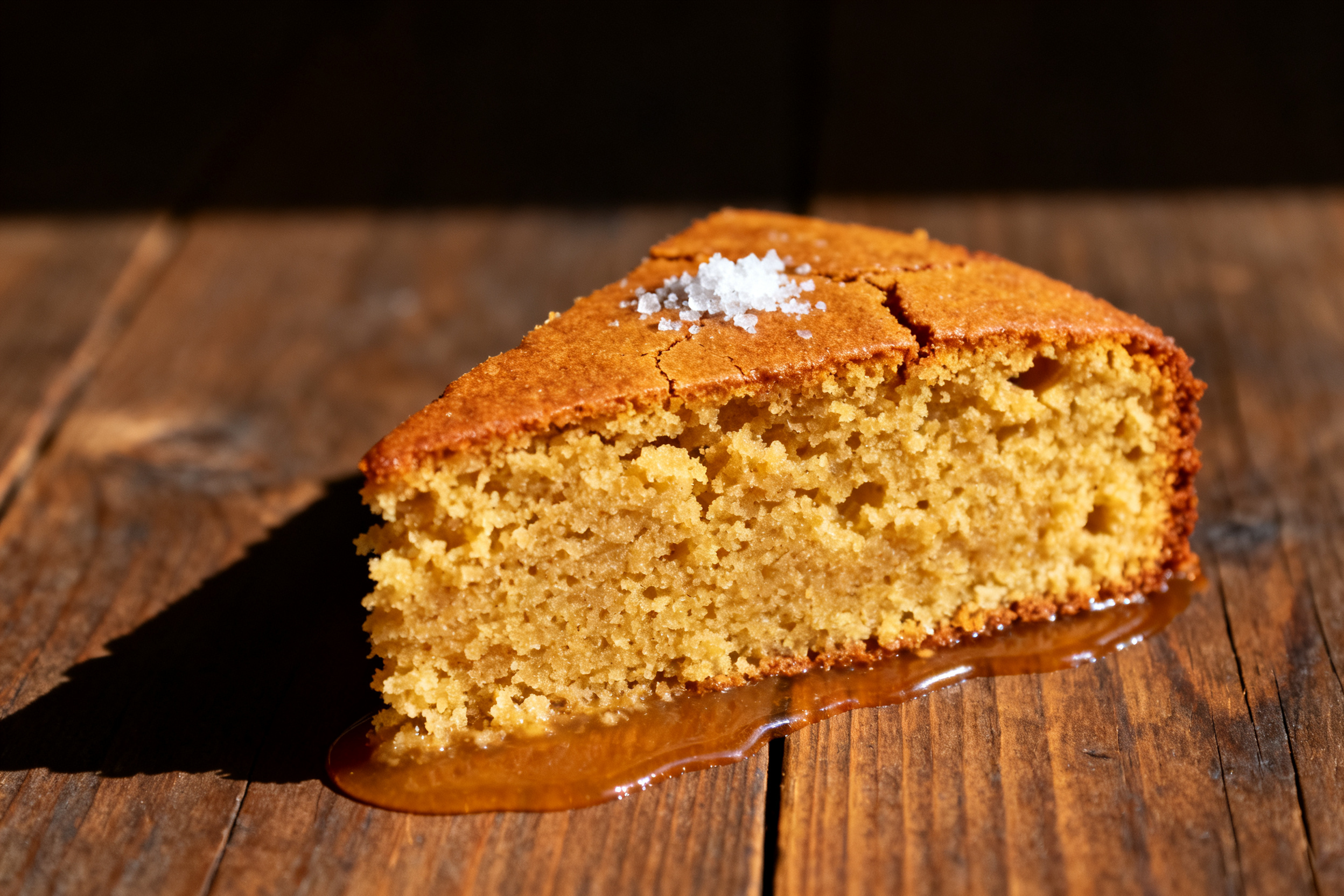
The biggest mistake is using a single gluten-free flour blend straight from the bag. Most blends contain xanthan gum, which can make the cake gummy. This recipe uses a custom blend for a reason. If your cake sinks in the middle, your oven was too cool or you opened the door too early. Invest in an oven thermometer.
8. Variations by diet or flavor profile
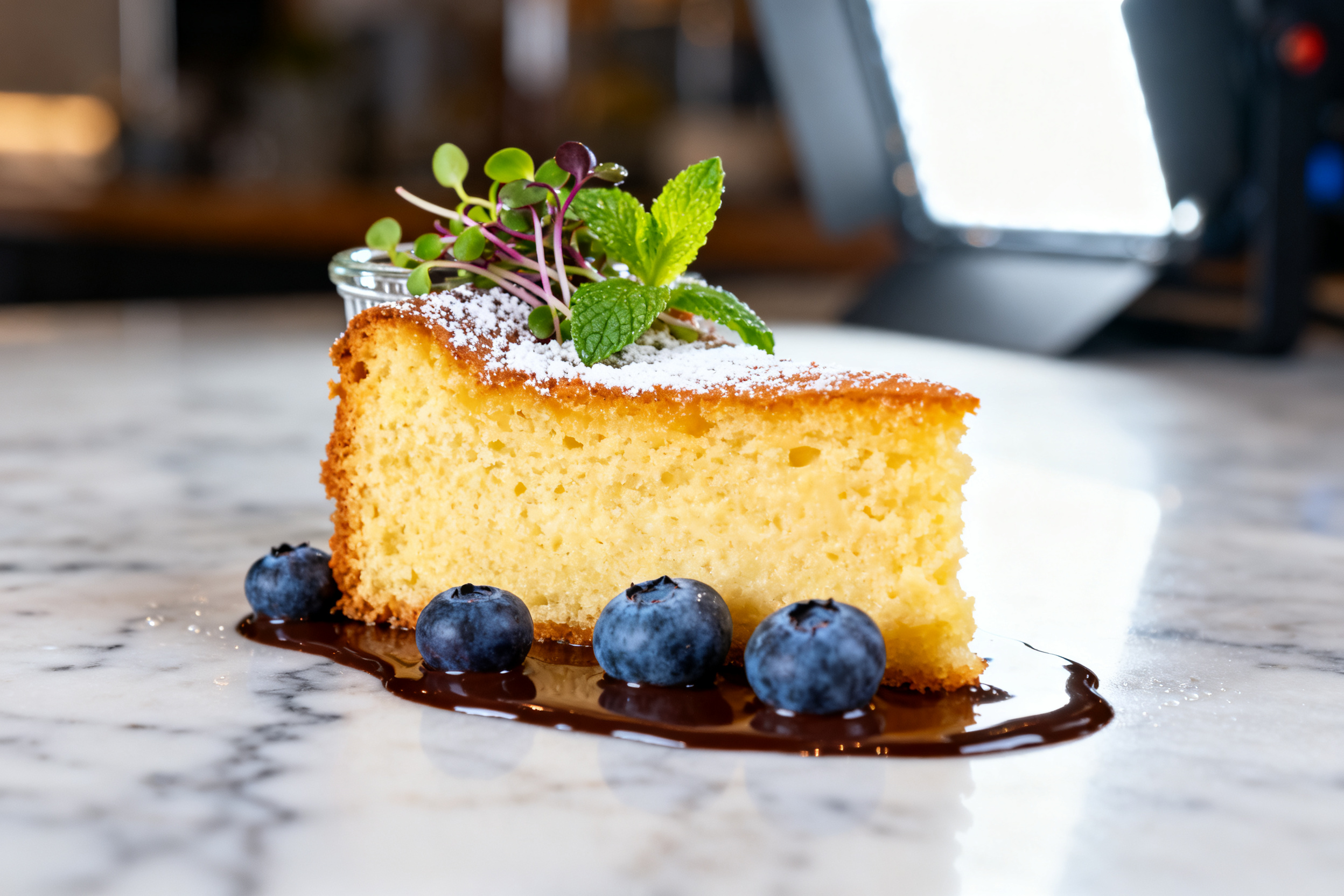
For a lemon version, add the zest of two lemons and swap 1/4 cup of the milk for fresh lemon juice. For a chocolate version, replace 1/4 cup of the rice flour with unsweetened cocoa powder. Want a vegan cake? Use a flax egg (1 tablespoon flax meal plus 3 tablespoons water) and vegan butter. The texture will be slightly denser but still delicious.
9. Why this recipe works
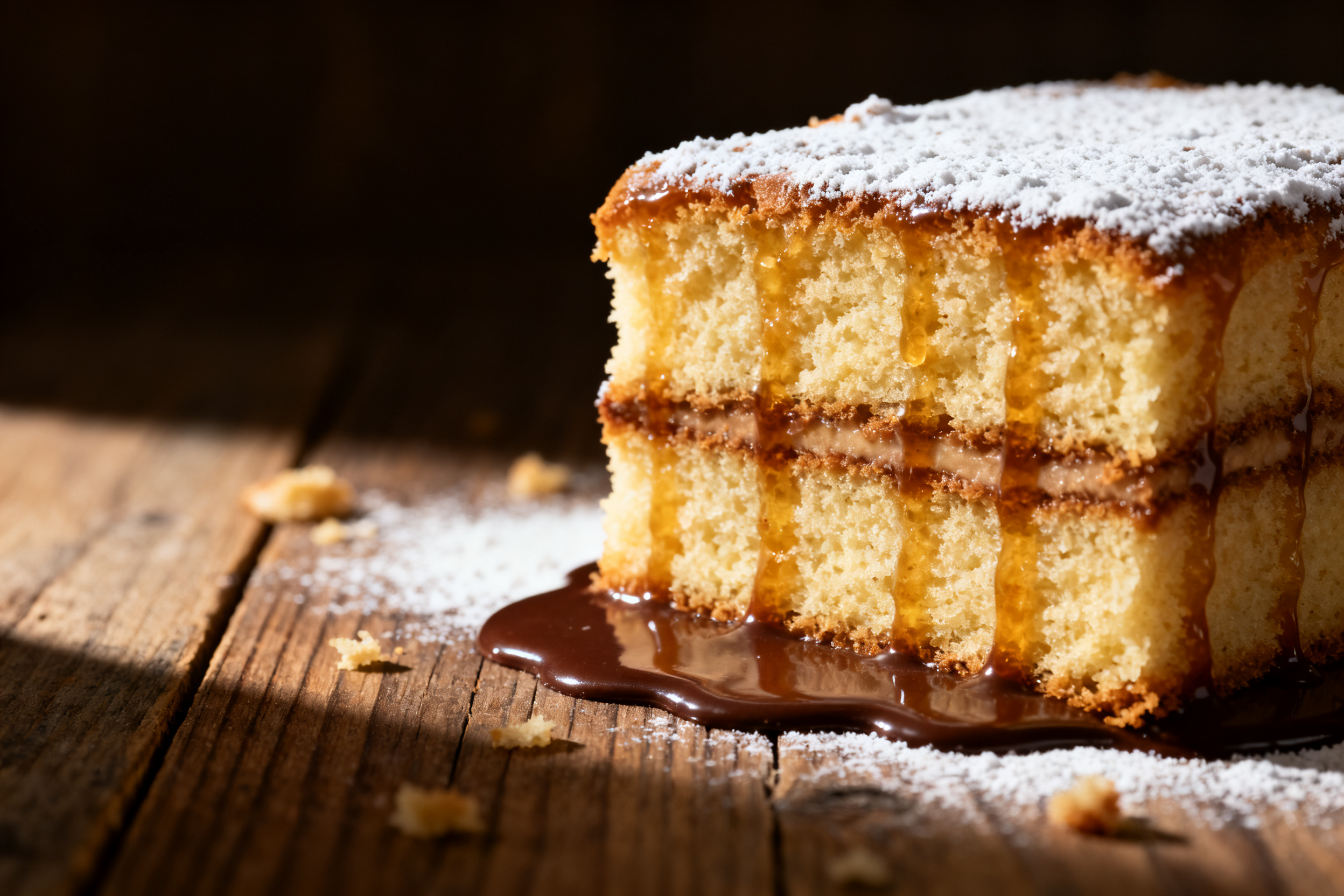
The science is simple. Gluten provides structure and elasticity in regular cakes. Without it, you need a different kind of support. The combination of rice flour (for structure) and potato starch (for tenderness) mimics gluten’s job. Adding an extra egg white gives lift, while the buttermilk reacts with the baking soda for a gentle rise. No gummy texture here.
10. Frequently Asked Questions (FAQ)
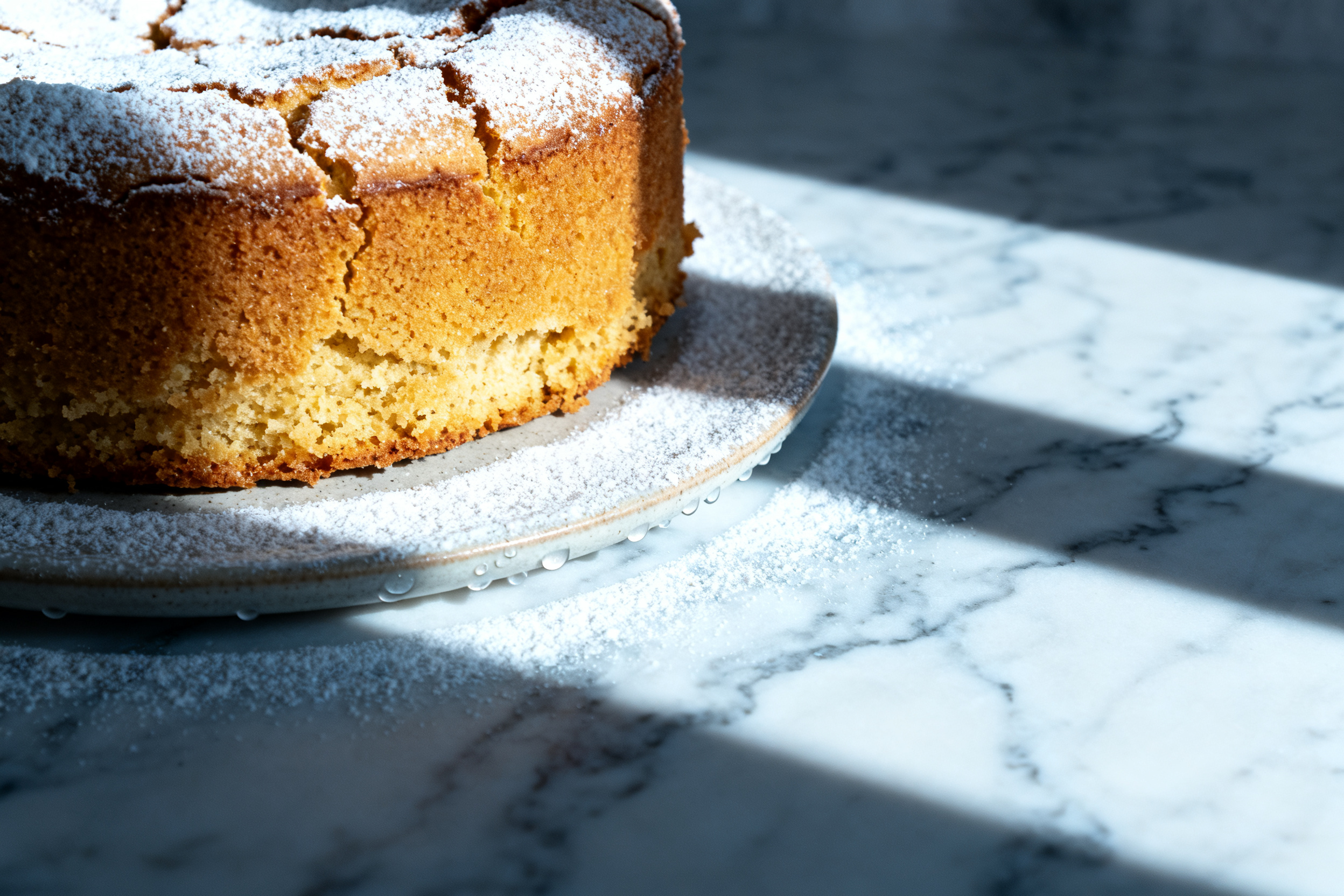
Can I use a store-bought 1:1 gluten-free flour blend? You can try, but the results may vary. My favorite blends for this recipe are King Arthur Measure for Measure or Bob’s Red Mill 1-to-1. Do not use a blend that is mostly almond flour. Why is my cake still dense? You likely overmixed the batter or used cold ingredients. Next time, mix gently and let your eggs sit out for 30 minutes.
11. Call to action
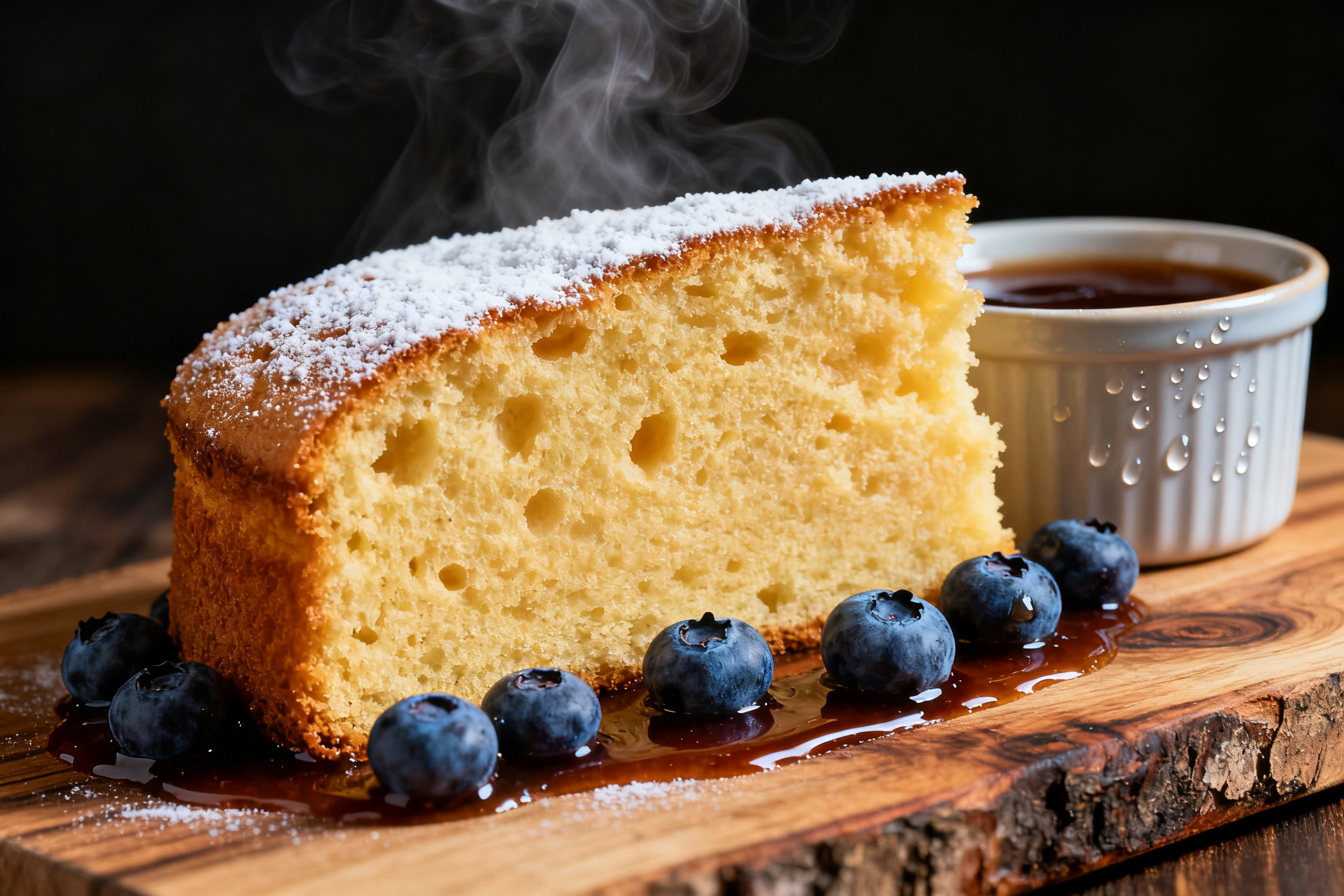
I want to see your fluffy victory cakes. Drop a comment below and tell me which variation you tried first. If you loved this recipe, share it with a friend who is gluten-free and tired of sad baked goods. And hey, hit that subscribe button so you never miss a recipe that actually works.
Conclusion
Gluten-free baking does not have to be a science experiment that ends in tears. With the right flour blend and a few simple tricks, you can bake a cake that is light, tender, and absolutely delicious. No gummy texture, no weird aftertaste, just pure cake joy.
This recipe is my go-to for birthdays, potlucks, and Tuesday nights when I just need a slice of something good. Give it a try, and then tell me all about it. Happy baking, friend.
Classic Fluffy Gluten-Free Vanilla Cake
Ingredients
- 1 1/2 cups 210g superfine white rice flour
- 1/2 cup 65g potato starch (not potato flour)
- 1 1/2 teaspoons baking powder
- 1/2 teaspoon baking soda
- 1/2 teaspoon salt
- 1/2 cup 113g unsalted butter, softened
- 1 cup 200g granulated sugar
- 2 large eggs room temperature
- 1 large egg white room temperature
- 2 teaspoons vanilla extract
- 3/4 cup 180ml buttermilk, room temperature
Instructions
- Preheat your oven to 350°F (175°C). Grease an 8-inch round cake pan and line the bottom with parchment paper.
- In a medium bowl, whisk together the rice flour, potato starch, baking powder, baking soda, and salt. Set aside.
- In a large bowl, beat the butter and sugar together with an electric mixer on medium speed until light and fluffy, about 3 minutes.
- Add the eggs and egg white one at a time, beating well after each addition. Beat in the vanilla extract.
- With the mixer on low, add the dry ingredients in three additions, alternating with the buttermilk. Start and end with the dry ingredients. Mix only until just combined — do not overmix.
- Pour the batter into the prepared pan and smooth the top. Bake for 28 to 32 minutes, until a toothpick inserted in the center comes out clean or with a few moist crumbs.
- Let the cake cool in the pan for 10 minutes, then turn it out onto a wire rack to cool completely before frosting or serving.
Notes
2. Do not substitute almond flour or coconut flour for the rice flour and potato starch — the texture will not work.
3. Store unfrosted cake at room temperature in an airtight container for up to 2 days, or freeze for up to 3 months.
4. For a lemon cake, add the zest of 2 lemons to the butter and sugar mixture, and replace 1/4 cup of the buttermilk with fresh lemon juice.