
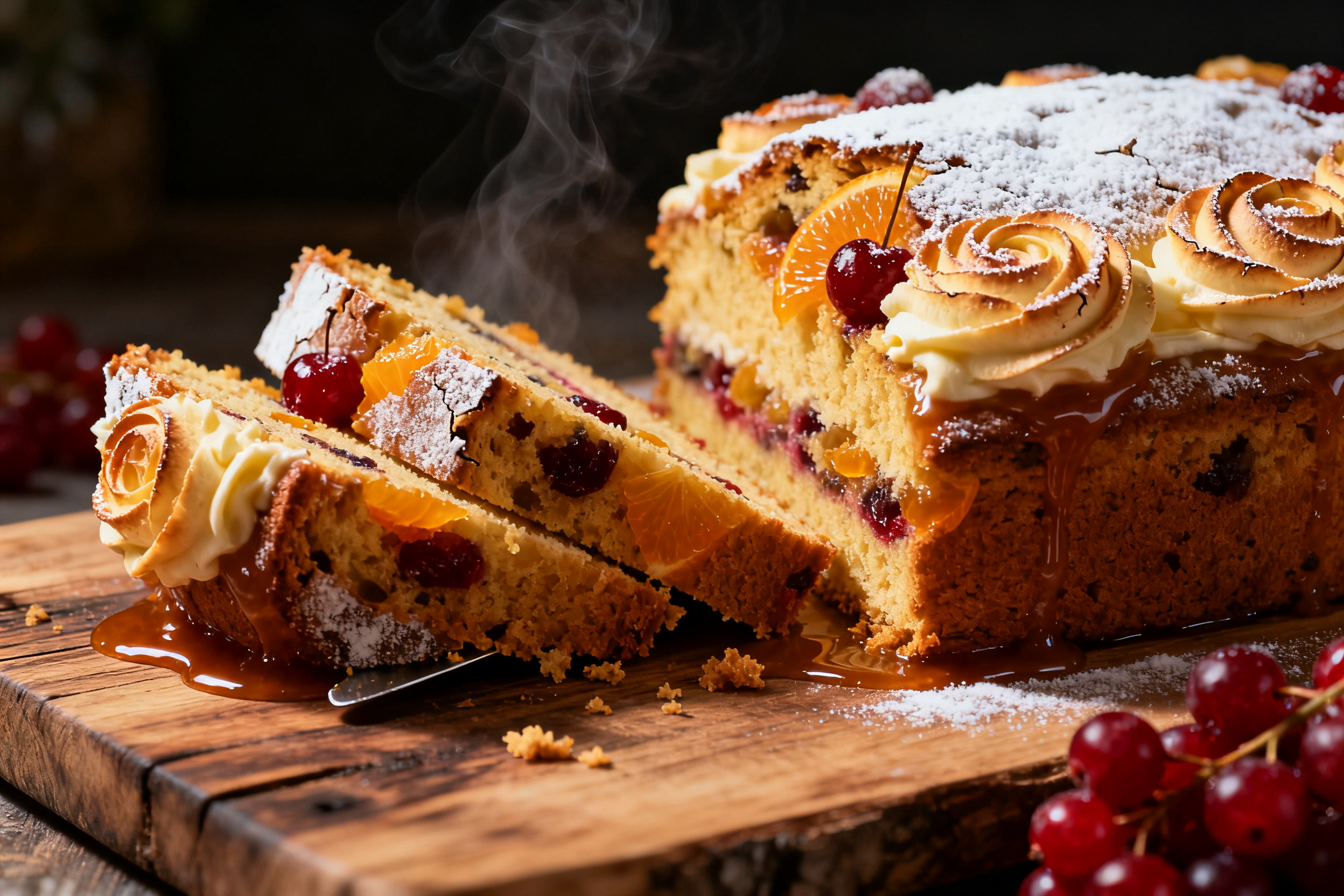

You know that moment when you bite into a slice of Christmas cake and it just… dissolves? Like, it’s so tender it barely holds together, but in the best way possible. That’s exactly what we’re chasing today.
I’ve tested more Christmas cake recipes than I care to admit (my kitchen scale has trust issues now), and I finally found the one that delivers that melt-in-your-mouth crumble every single time. No dry bricks, no gummy mess. Just pure, buttery, festive joy.
So grab a cup of tea, and let’s talk about how to make this dream a reality. I promise you’ll want to bake this for every holiday gathering.
Allergens
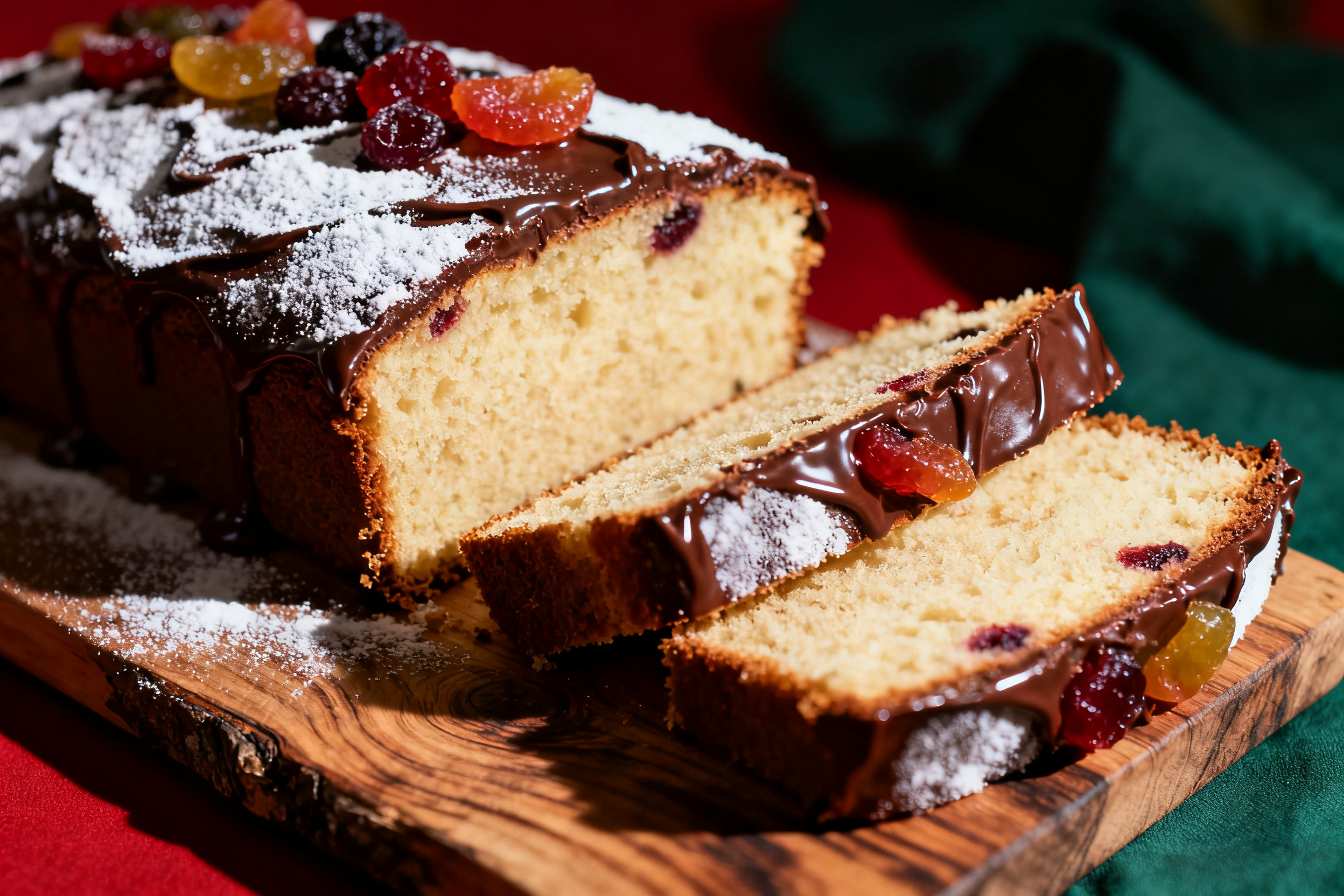
This recipe contains gluten (from all-purpose flour), dairy (butter), eggs, and tree nuts (optional almonds or walnuts). If you’re avoiding nuts, simply leave them out or swap in dried fruit instead. For a gluten-free version, use a 1:1 gluten-free flour blend with xanthan gum. Dairy-free? Replace the butter with a high-quality vegan butter stick (not margarine) and use a plant-based milk. And yes, the eggs are essential for structure – but you can try a flax egg substitute if you’re brave, though the texture will be slightly denser.
Ingredient Notes & Substitutions
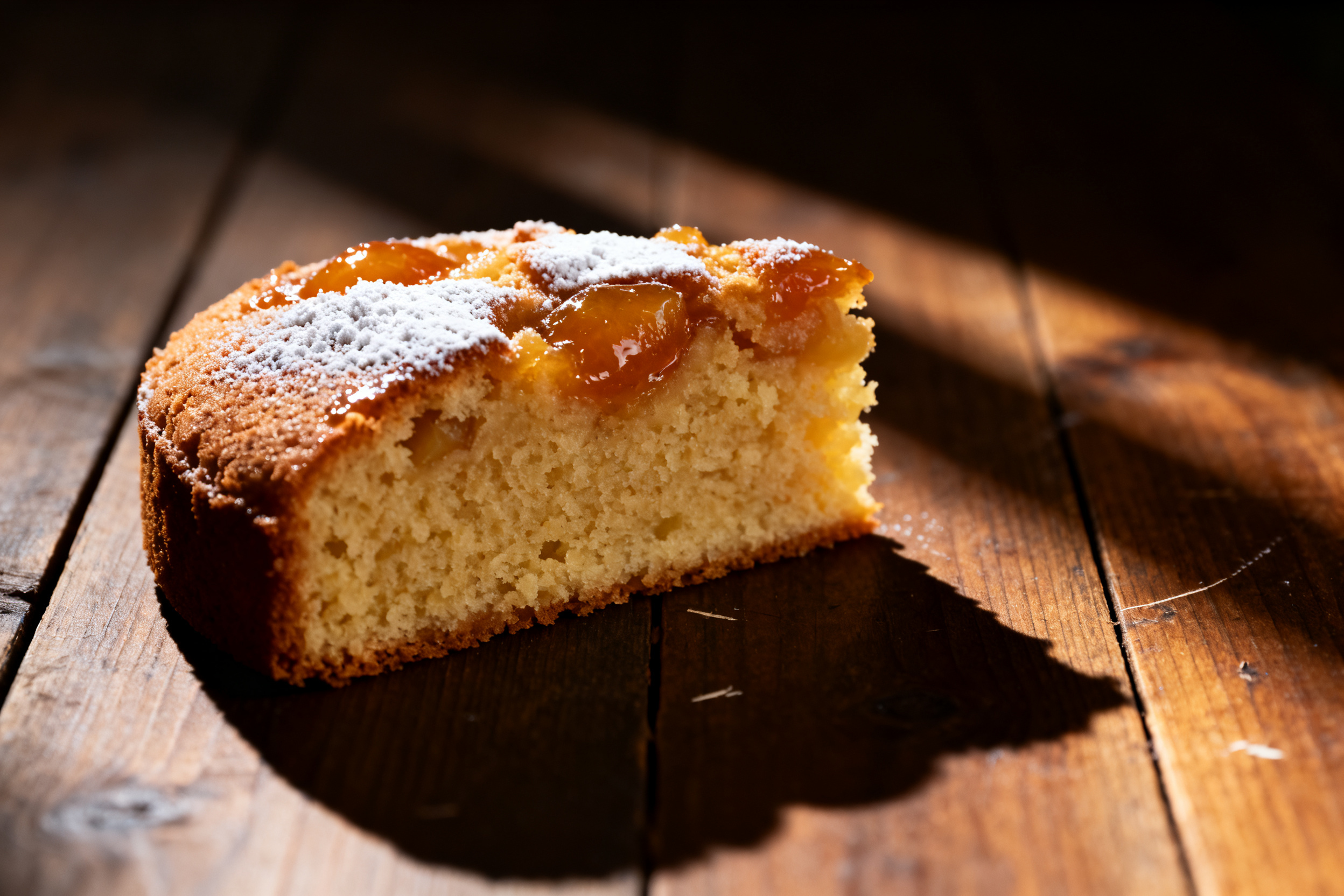
Let’s talk about the stars of the show. Unsalted butter is non-negotiable – you need full control over the salt level. If you only have salted butter, reduce the added salt by half.
For the dried fruit, I use a mix of golden raisins, currants, and chopped dried apricots. But feel free to swap in dates, figs, or even dried cherries. Soak them in dark rum or orange juice overnight – it plumps them up and adds incredible depth.
The sugar is classic dark brown sugar for that molasses-y richness. Light brown works too, but you’ll lose a bit of that festive flavor. And please, don’t skip the spices: cinnamon, nutmeg, and a pinch of cloves. They’re what make this taste like Christmas.
One more thing: almond extract. Just a tiny splash (¼ teaspoon) elevates everything. If you’re not a fan, use vanilla extract instead.
Storage & Make-Ahead
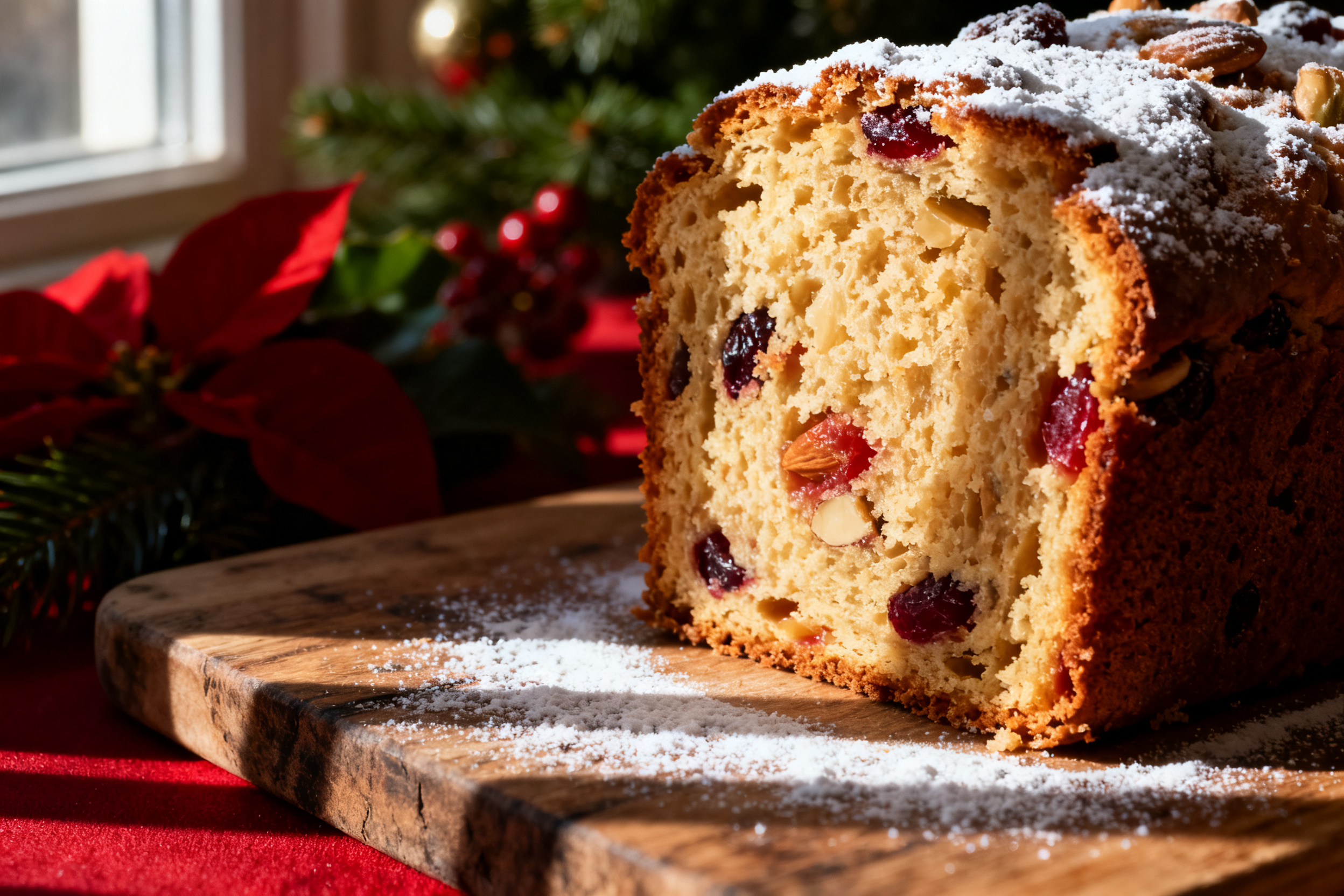
This cake actually gets better with age. I’m serious. Bake it at least 2 days before you plan to serve – wrap it tightly in plastic wrap and then in foil once it’s completely cool. Store it in an airtight container at room temperature.
For longer storage, you can freeze it for up to 3 months. Slice it first, then wrap each slice individually – that way you can pull out exactly what you need without thawing the whole cake. To thaw, just leave it on the counter for an hour or pop a slice in the microwave for 15 seconds.
If you want to make it a month ahead, feed it with a little rum or brandy once a week. Brush a tablespoon of alcohol over the top, re-wrap, and let it mature. This is called “feeding” the cake, and it’s the secret to a deeply flavorful Christmas cake.
One more thing: don’t refrigerate this cake. The fridge will dry it out and ruin that crumbly texture. Room temperature is your friend.
And if you’re making it for a crowd, you can double the recipe and bake it in two 9-inch pans. Just adjust the baking time by 5–10 minutes – check with a toothpick.
Serving Suggestions
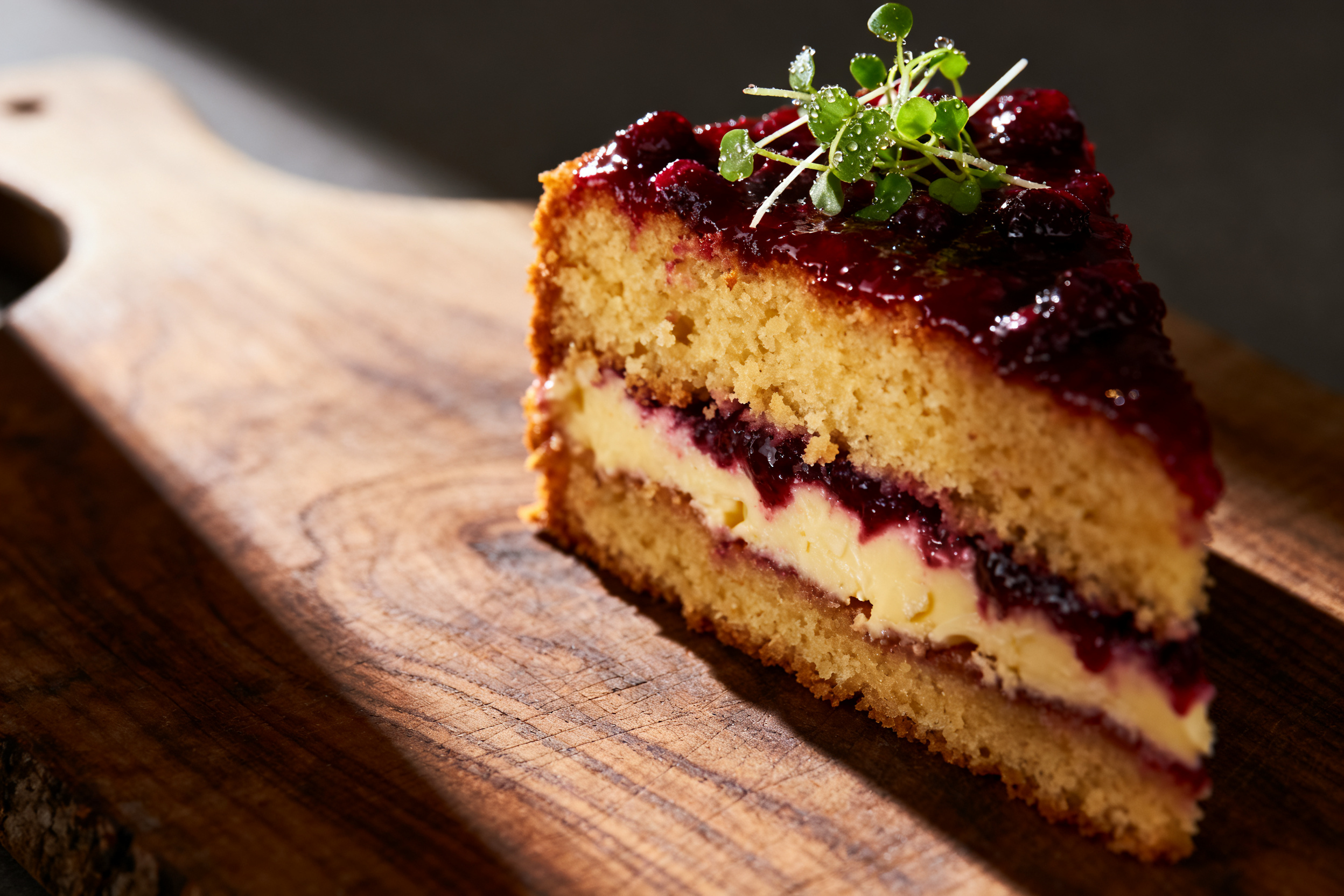
This cake is a showstopper on its own, but a little company never hurts. Serve it with a dollop of clotted cream or a scoop of vanilla bean ice cream. The creaminess cuts through the richness perfectly.
For a boozy finish, drizzle a little warmed brandy butter or rum sauce over the top. Or keep it simple with a dusting of powdered sugar and a few fresh cranberries for color.
If you’re building a full Christmas dessert table, pair this cake with a light lemon sorbet or a fresh fruit salad. The tartness balances the sweet, dense cake.
Oh, and don’t forget the hot beverages. A strong cup of black tea or a spiced chai latte is the perfect companion. For a non-traditional twist, try a matcha latte – the earthy notes are surprisingly good with the spices.
If you’re feeling fancy, top each slice with a spoonful of mascarpone mixed with a pinch of orange zest. It’s ridiculously easy and looks like you spent hours.
And for a kid-friendly option, skip the alcohol in the sauce and use a simple vanilla glaze instead. Mix 1 cup powdered sugar, 2 tablespoons milk, and ½ teaspoon vanilla – drizzle over the cooled cake.
Use Your Leftovers
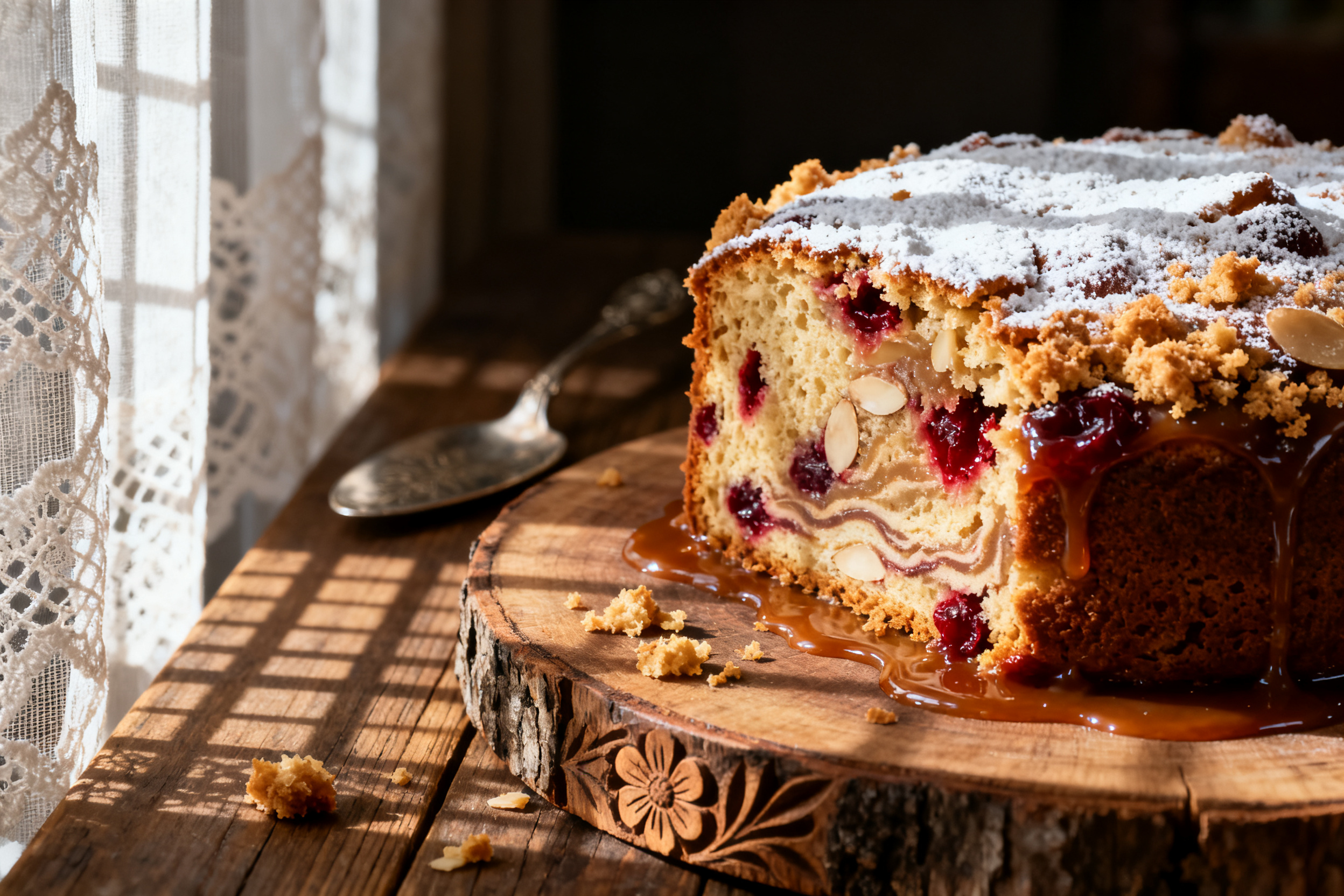
Leftover Christmas cake? That’s a myth in my house, but if you somehow have some, here’s what to do. Crumble it over vanilla ice cream or yogurt for a quick dessert parfait. The crunchy bits are amazing.
Another idea: make cake pops. Crumble the leftover cake, mix with a little cream cheese or buttercream, roll into balls, and dip in dark chocolate. Instant holiday treats.
Or toast a slice lightly and spread it with butter – it’s like a holiday breakfast pastry. I’ve done this more times than I’ll admit.
Common Mistakes & How to Fix Them
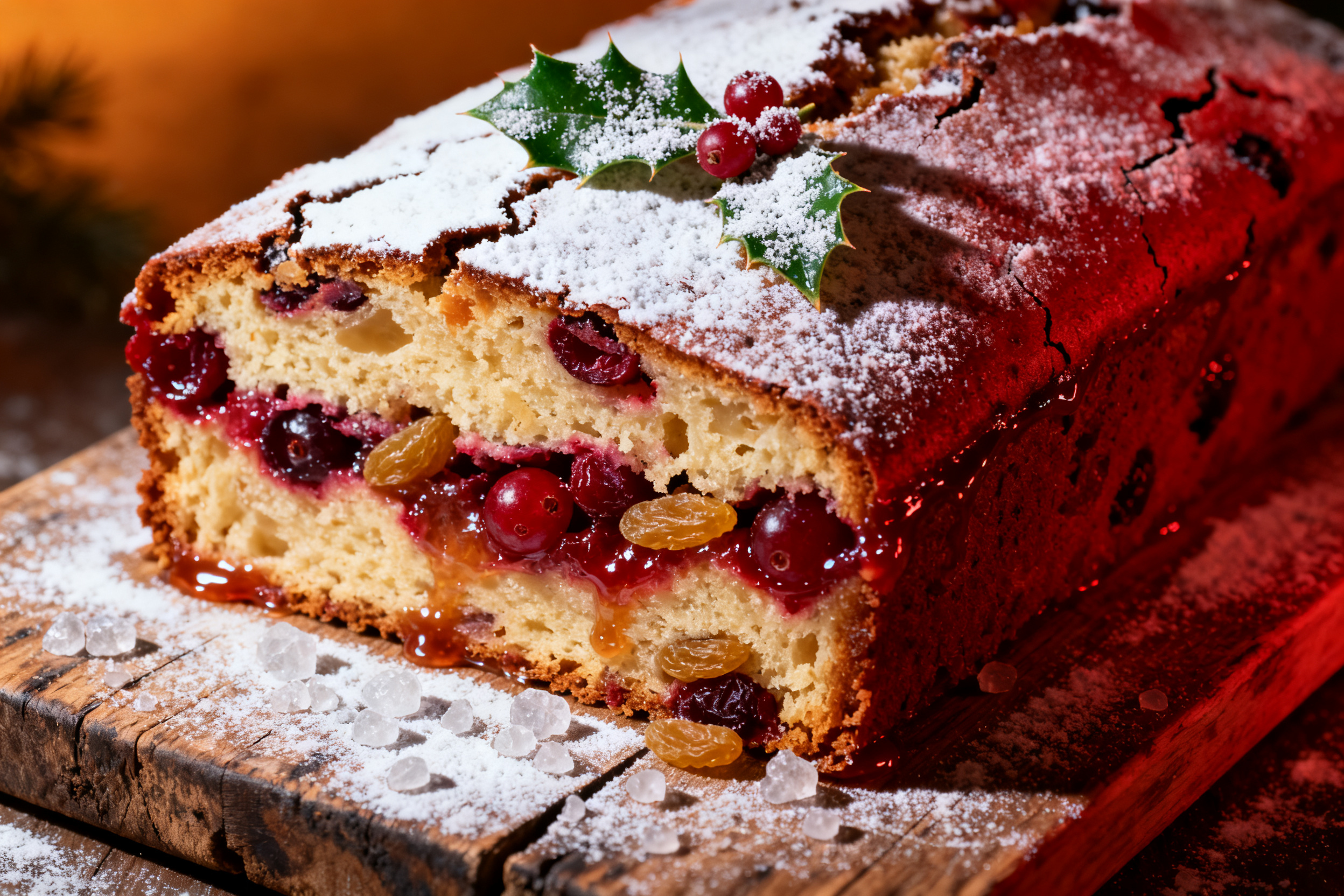
The biggest mistake is overmixing the batter. Once you add the flour, stir only until you see no white streaks. Overmixing develops gluten and makes the cake tough instead of crumbly. If you’ve already done it, your cake might be a bit dense, but it’ll still taste good – just serve it with extra sauce.
Another common issue: the cake cracks on top. That’s usually because the oven temperature is too high. Bake at 325°F (160°C) instead of 350°F. If you see cracks forming early, lower the temp by 10 degrees and cover the top loosely with foil.
Variations by Diet or Flavor Profile
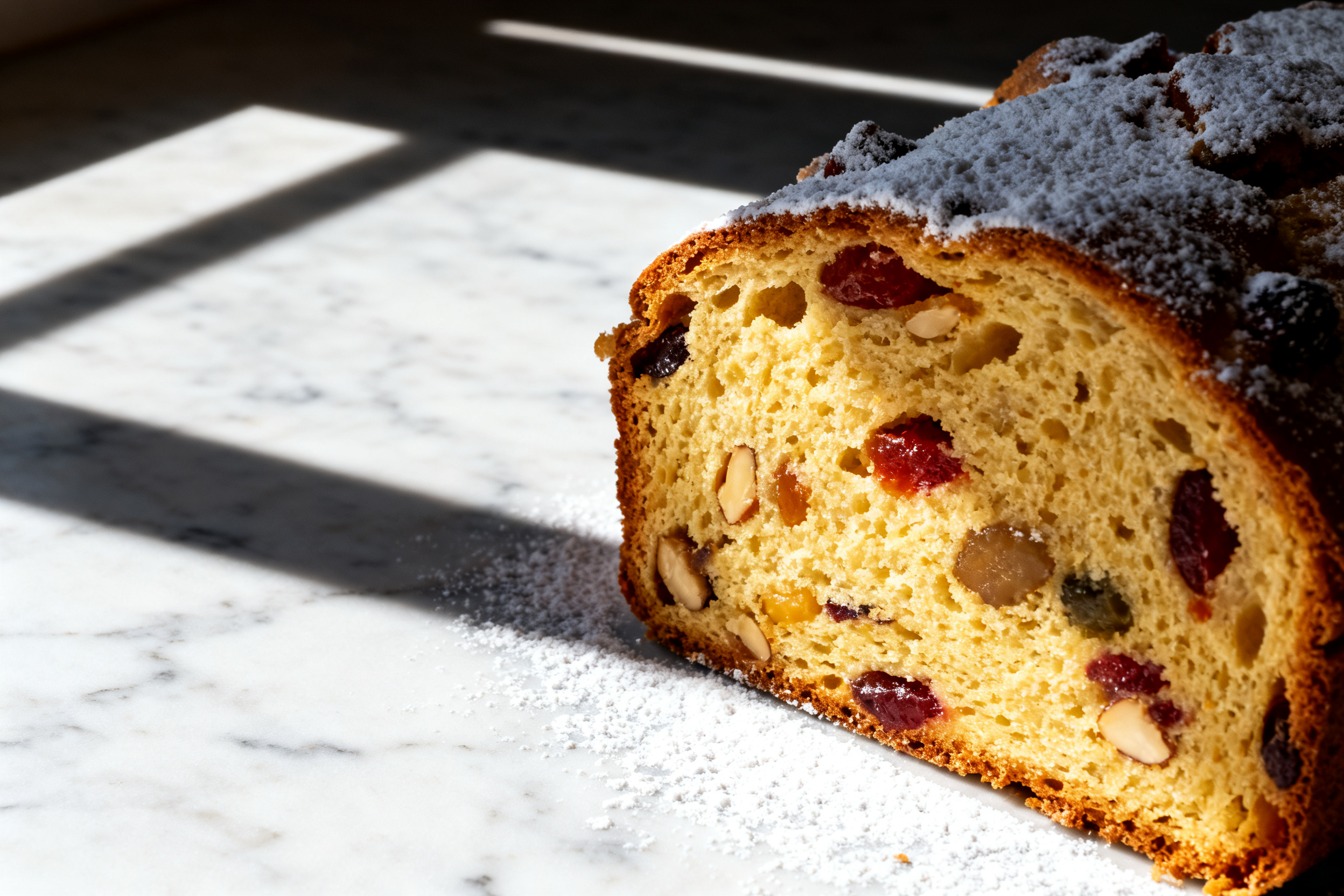
Want a chocolate version? Replace ¼ cup of the flour with unsweetened cocoa powder and add ½ cup dark chocolate chips. The result is a rich chocolate fruit cake that’s dangerously good.
For a vegan version, use flax eggs (1 tablespoon ground flaxseed + 3 tablespoons water per egg), vegan butter, and plant-based milk. The texture will be slightly less crumbly but still delicious. Soak the fruit in apple juice instead of rum for a non-alcoholic option.
Gluten-free? Use a 1:1 gluten-free all-purpose flour blend that contains xanthan gum. Add an extra tablespoon of cornstarch to help with tenderness. The crumb will be a bit more delicate, so handle with care.
If you’re a nut-free household, simply omit the almonds and walnuts. Replace them with an equal weight of dried apricots or cranberries to keep the texture interesting.
Why This Recipe Works
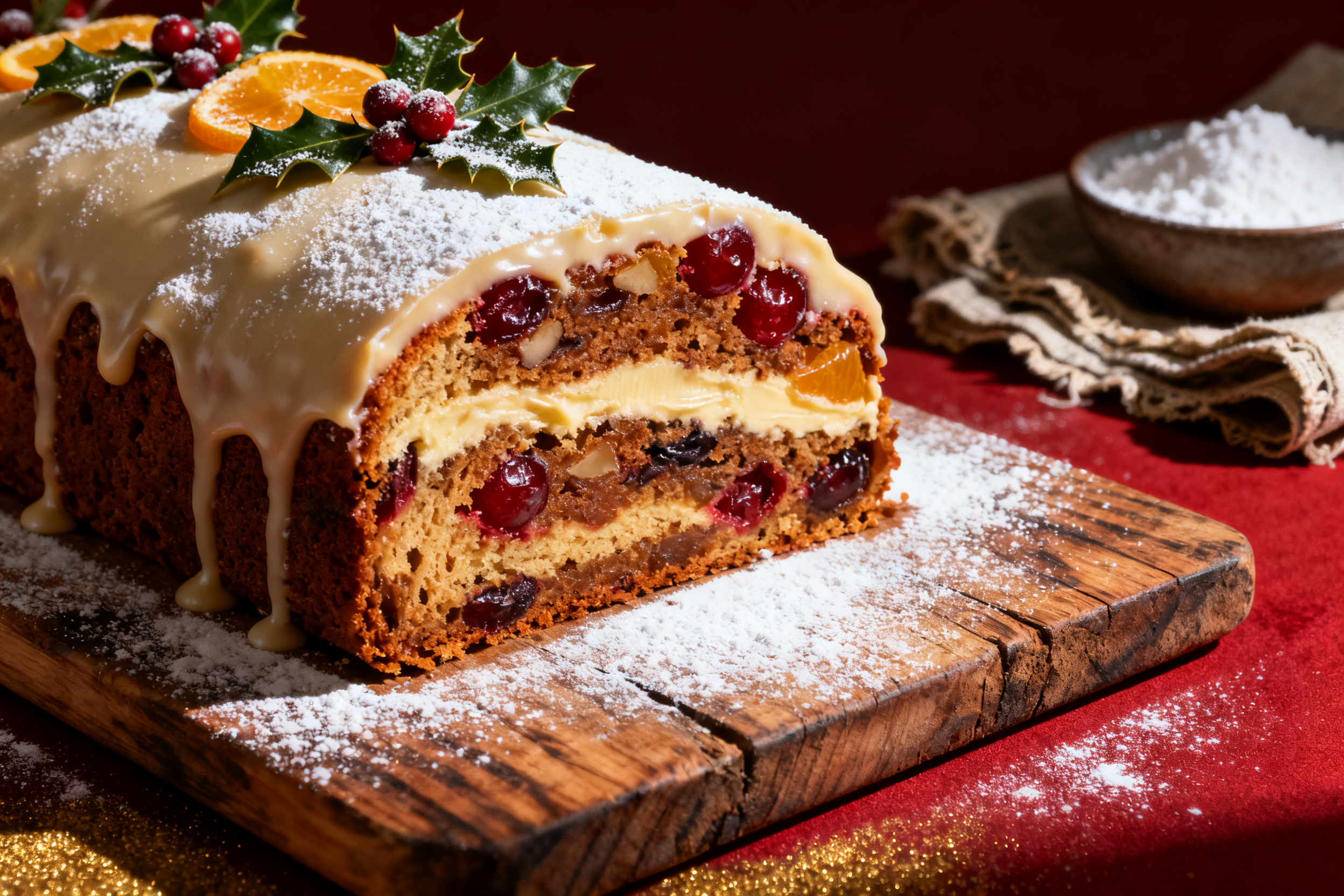
The secret to that crumbly texture is the ratio of butter to flour. This recipe uses a higher fat content than a typical cake, which creates a tender, shortbread-like crumb. The butter coats the flour particles, preventing too much gluten from forming.
Additionally, the soaking step for the fruit adds moisture that doesn’t evaporate during baking. The alcohol or juice stays in the fruit, releasing steam and creating tiny pockets of air as the cake bakes. That’s how you get that melt-in-your-mouth feel.
Frequently Asked Questions (FAQ)
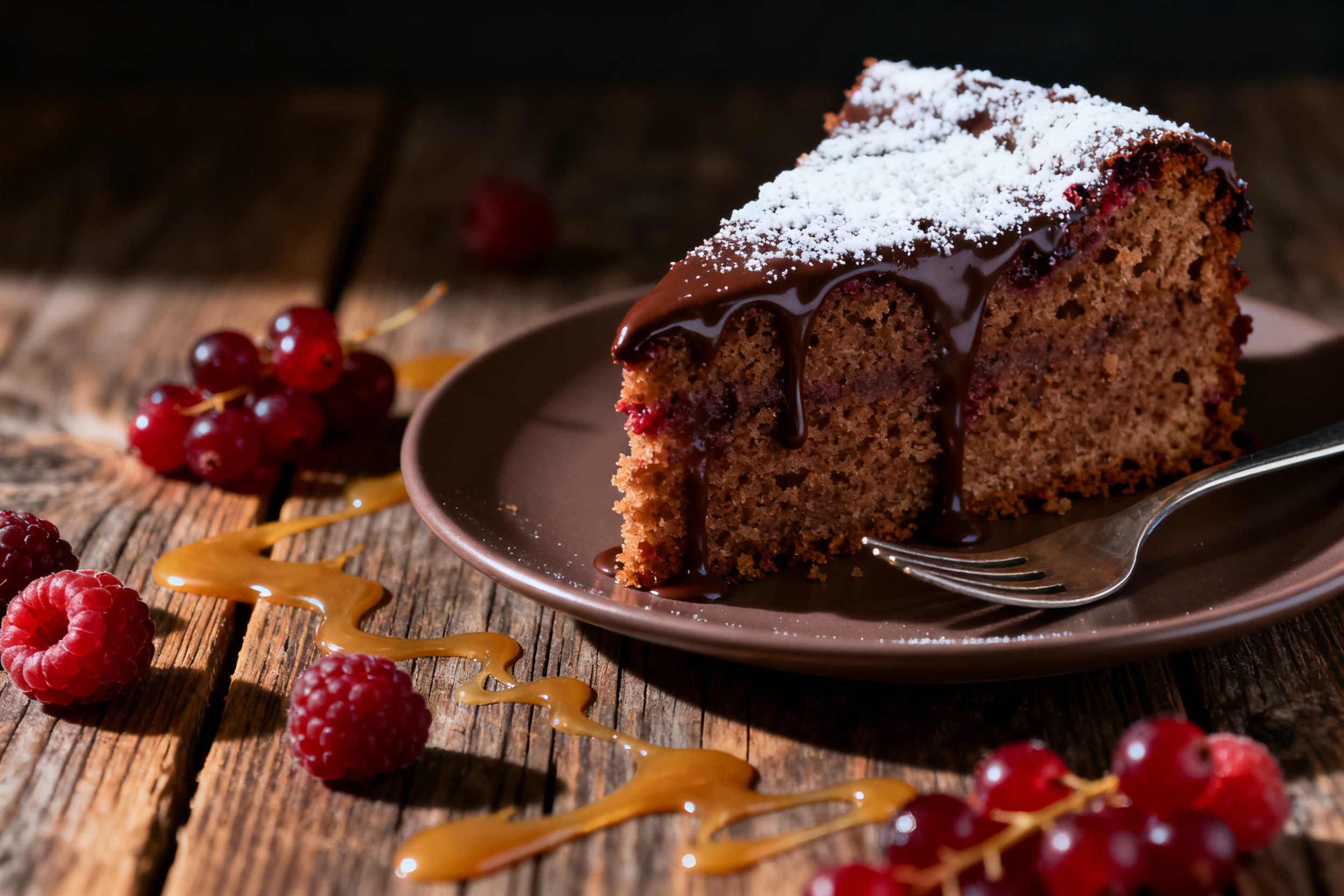
Can I make this cake without alcohol? Absolutely. Replace the rum with equal parts orange juice or apple cider. You can also use a strong cold brew coffee for a deeper flavor. The cake will still be moist and delicious.
Why did my cake sink in the middle? That’s usually a sign of either too much liquid or opening the oven door too early. Make sure you measure your fruit after soaking (drain off excess liquid) and resist peeking until at least 45 minutes have passed.
How do I store a fruit cake that’s been “fed”? Wrap it tightly in plastic wrap, then in foil, and keep it in a cool, dark place (not the fridge). Brush with alcohol every 7–10 days if you want to age it. It’ll keep for up to 3 months.
Can I freeze this cake? Yes, but it’s best to freeze it before feeding. Wrap it well, and it will last 3 months. Thaw overnight in the fridge, then bring to room temperature before serving.
My cake is too dry. What went wrong? You likely overbaked it. Check the cake at 1 hour 45 minutes – a toothpick inserted in the center should come out with a few moist crumbs, not clean. If it’s dry, brush it with a little simple syrup (equal parts sugar and water, heated) to add moisture back.
Call to Action
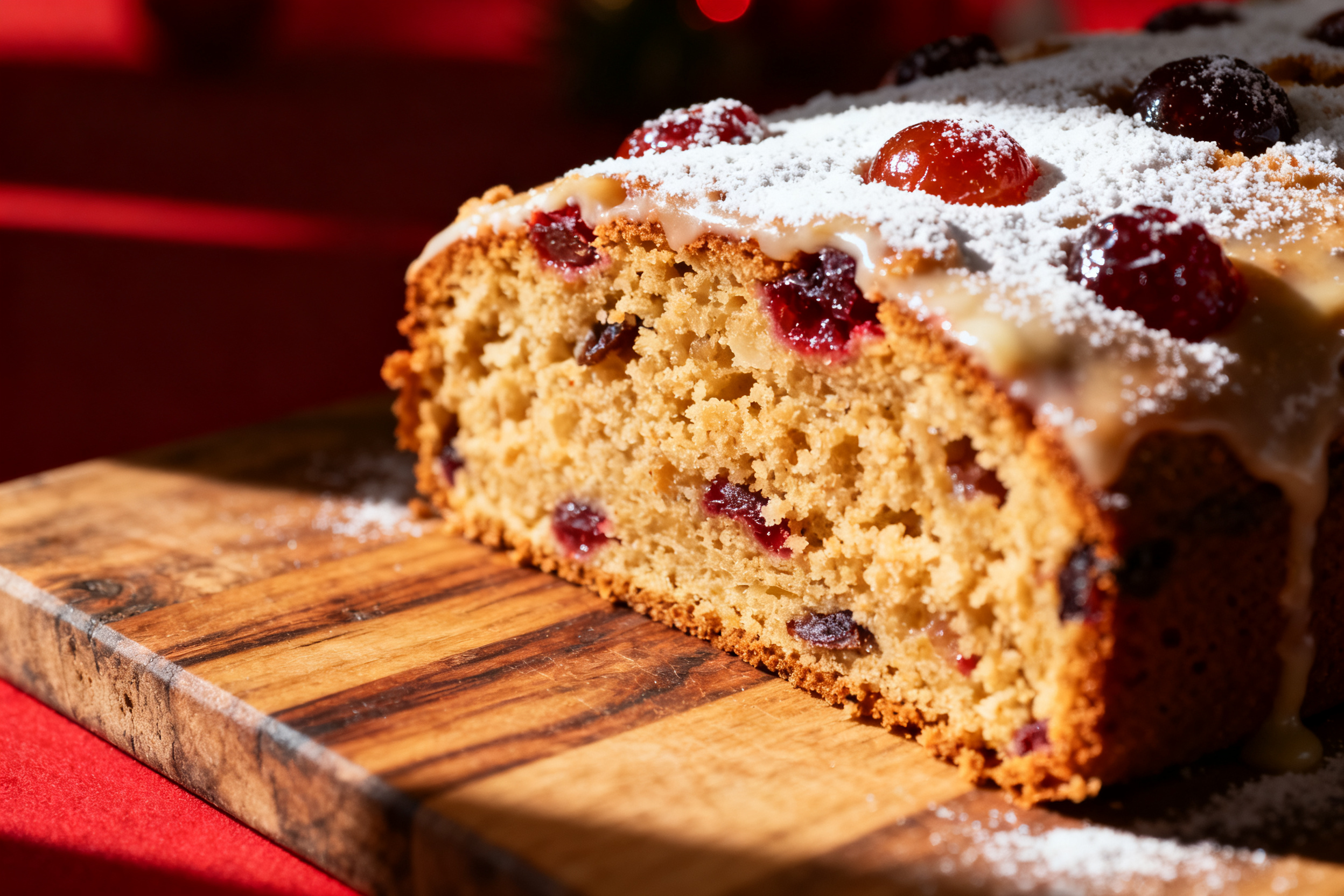
I’d love to see your version of this rich Christmas cake! Drop a comment below and tell me how it turned out – did you add any twists? Did your family fight over the last slice? Share your photos on Instagram and tag me @[YourHandle] – I’ll feature my favorites.
If you found this helpful, hit that share button so your friends can enjoy the crumbly goodness too. And while you’re at it, sign up for my newsletter to get new holiday recipes delivered straight to your inbox. No spam, just sugar.
Happy baking, and remember: if it crumbles, you’ve done it right.
Conclusion
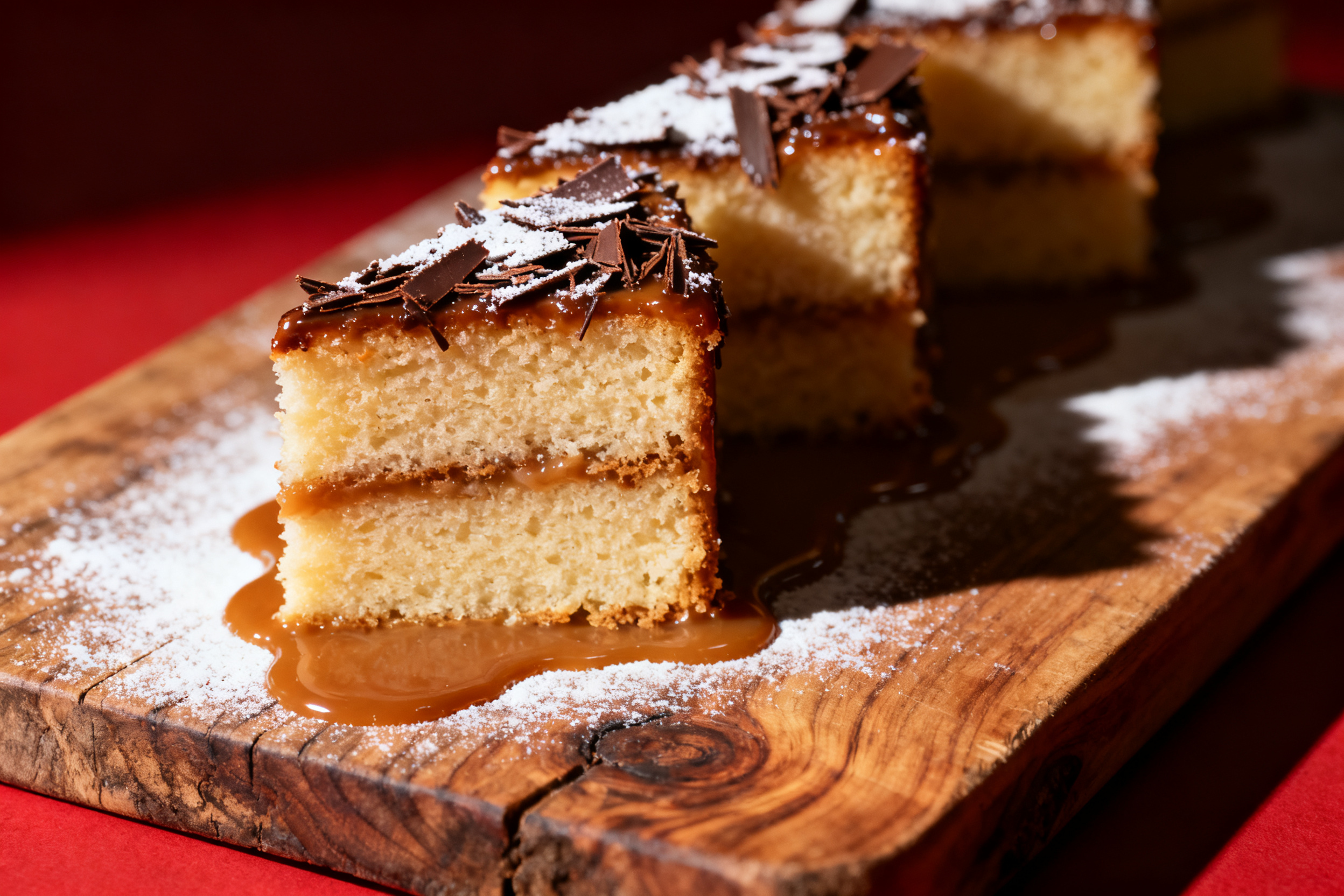
This Christmas cake recipe is everything you want in a holiday dessert: rich, buttery, and so tender it practically falls apart on its own. The secret is in the fat-to-flour ratio and the gently soaked fruit – no complicated techniques, just pure baking magic.
Whether you’re serving it at a Christmas dinner or gifting it to neighbors, this cake always steals the show. And the best part? It actually gets better with time, so you can bake it ahead and relax on the big day.
So go ahead, preheat that oven, and make a cake that crumbles in your mouth. Trust me, your taste buds will thank you.
Rich Christmas Crumb Cake
Ingredients
- 1 cup 2 sticks / 226g unsalted butter, softened
- 1 cup 200g packed dark brown sugar
- 3 large eggs room temperature
- 1 teaspoon vanilla extract
- ¼ teaspoon almond extract
- 2 cups 250g all-purpose flour
- 1 teaspoon baking powder
- ½ teaspoon salt
- 1 teaspoon ground cinnamon
- ½ teaspoon ground nutmeg
- ¼ teaspoon ground cloves
- 1 ½ cups 225g mixed dried fruit (golden raisins, currants, chopped dried apricots)
- ½ cup 60g chopped walnuts or almonds (optional)
- ¼ cup 60ml dark rum or orange juice (for soaking fruit)
Instructions
- Soak the dried fruit in the rum or orange juice overnight (or at least 8 hours). Drain any excess liquid before using.
- Preheat your oven to 325°F (160°C). Grease a 9-inch round cake pan and line the bottom and sides with parchment paper, leaving a 2-inch overhang.
- In a large bowl, cream the softened butter and brown sugar together until light and fluffy, about 3 minutes.
- Beat in the eggs one at a time, then add the vanilla and almond extracts. Mix until smooth.
- In a separate bowl, whisk together the flour, baking powder, salt, cinnamon, nutmeg, and cloves.
- Gradually add the dry ingredients to the wet mixture, stirring just until combined. Do not overmix.
- Fold in the soaked dried fruit and nuts (if using) gently until evenly distributed.
- Pour the batter into the prepared pan and smooth the top. Bake for 1 hour 45 minutes to 2 hours, or until a toothpick inserted in the center comes out with a few moist crumbs (not wet batter).
- Let the cake cool in the pan for 15 minutes, then lift it out using the parchment paper and transfer to a wire rack to cool completely.
- Once cool, wrap tightly in plastic wrap and then foil. Store at room temperature for at least 2 days before serving for best flavor. Feed with a tablespoon of rum or brandy weekly if aging longer.
Notes
2. If you’re short on time, microwave the fruit with the liquid for 30 seconds and let it sit for 30 minutes.
3. For a non-alcoholic version, use orange juice or apple cider instead of rum.
4. You can also use a strong brewed coffee for a deeper flavor.
5. Storing: Keep the cake wrapped at room temperature for up to 2 weeks.
6. For longer storage, freeze for up to 3 months.
7. Thaw at room temperature.
8. Feeding the cake: If you want a mature flavor, brush the cake with 1 tablespoon of rum or brandy every 7–10 days.
9. Re-wrap tightly after each feeding.
10. Substitutions: Swap the mixed dried fruit for any combination of dates, figs, dried cherries, or cranberries.
11. The nuts are optional – omit or replace with extra dried fruit.
12. Gluten-free option: Use a 1:1 gluten-free all-purpose flour blend with xanthan gum.
13. Add 1 tablespoon of cornstarch to improve tenderness.
14. The texture will be slightly more delicate.
15. Room temperature ingredients are crucial.
16. Cold butter and eggs won’t cream properly, and you’ll end up with a dense, heavy cake.
17. Let everything sit out for at least 30 minutes before you start.
18. Another trick: line your pan with parchment paper that rises above the rim – it makes lifting the cake out a breeze.
19. And don’t forget to wrap the outside of the pan with a strip of folded newspaper or a baking belt.
20. This stops the edges from over-baking while the center stays moist.