
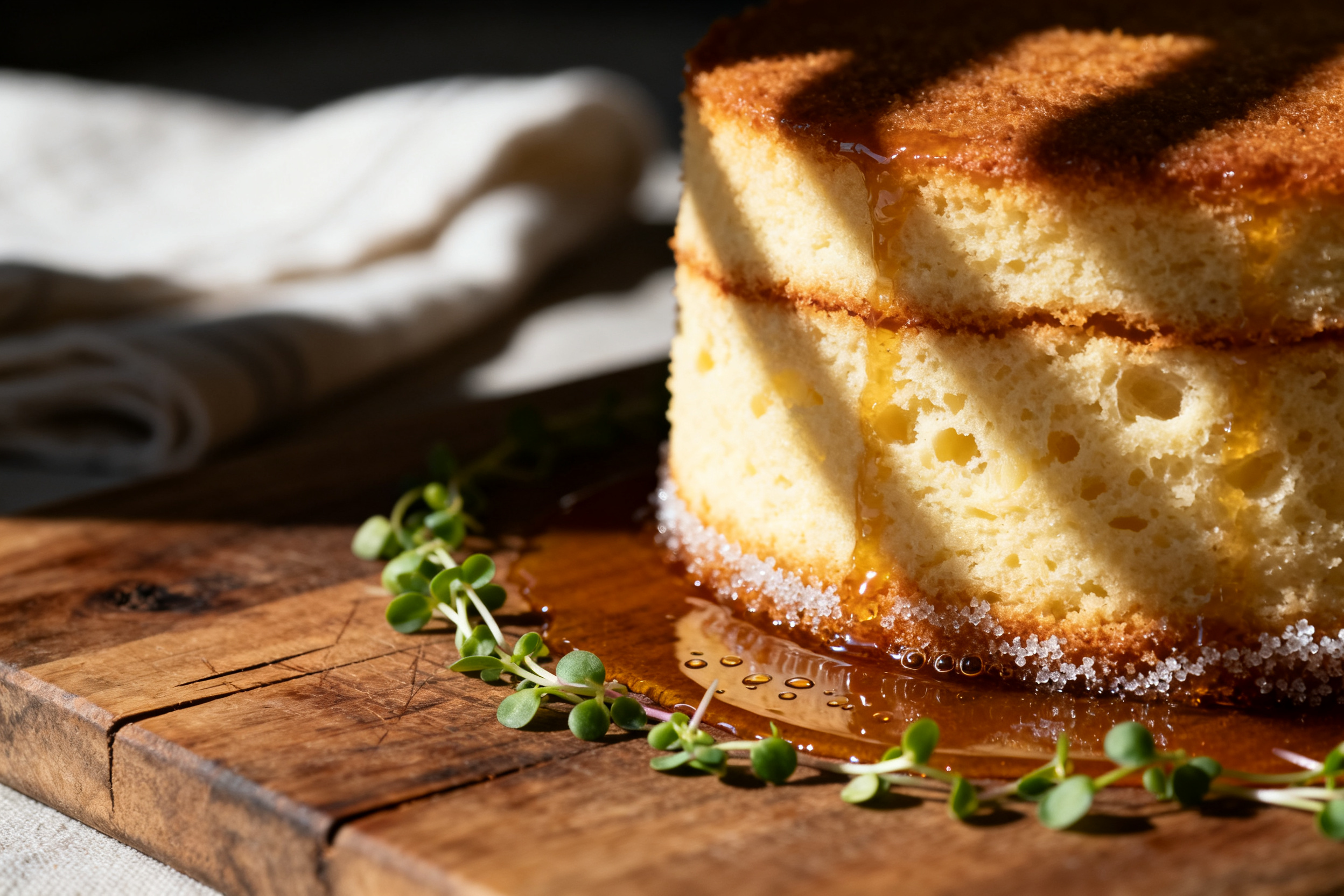

You know that feeling when you bite into a cake and it practically floats off your fork? That’s exactly what we’re making today. No dense bricks, no weird gluey texture – just pure, pillowy bliss.
I’ve tested these tricks in my own kitchen (and messed up enough cakes to write a comedy show). So trust me, you don’t need a bakery degree to nail this. Let’s get that fluffy magic happening.
1. Allergens
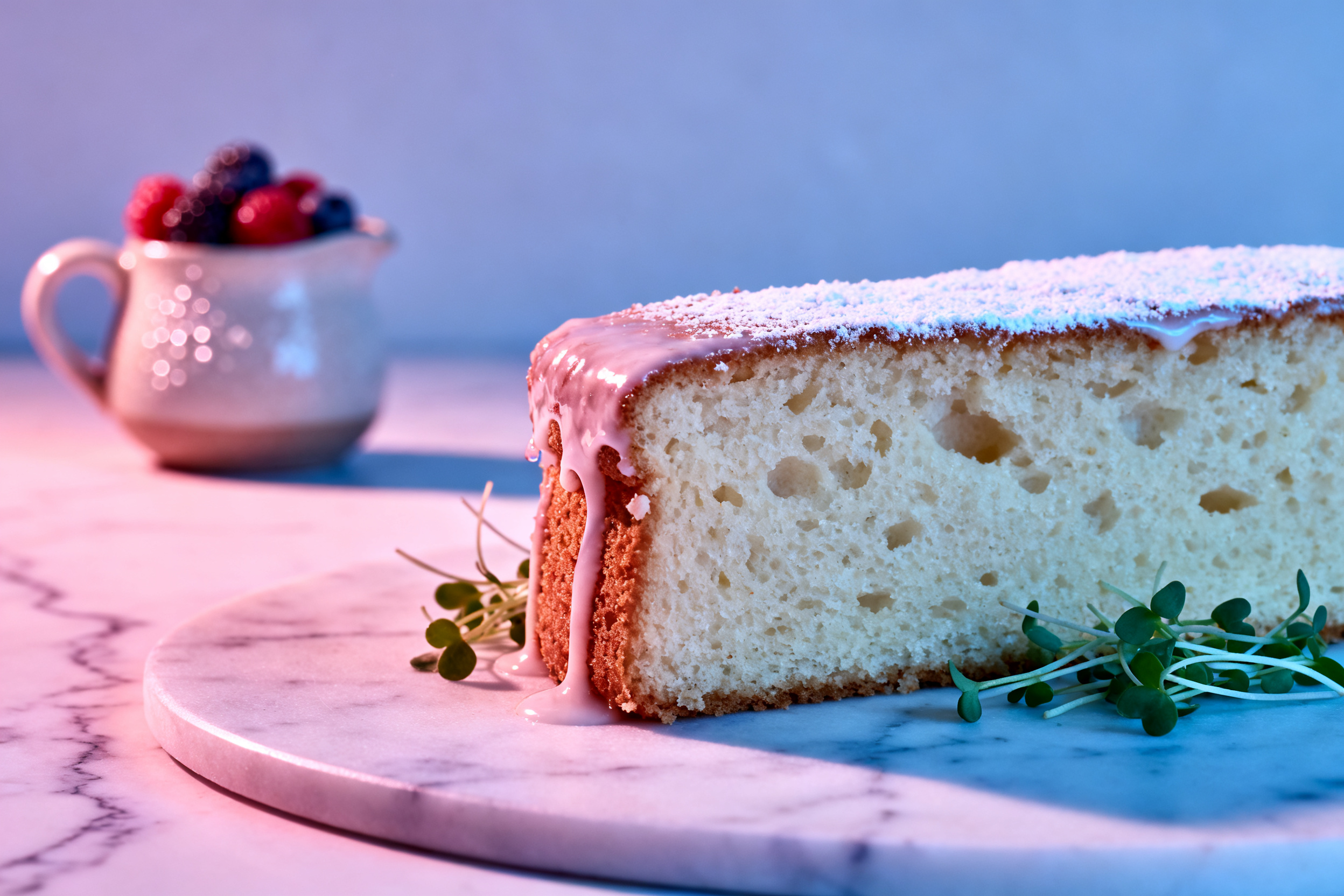
This recipe uses eggs, wheat flour, and dairy (milk and butter). If you’re avoiding gluten, swap the all‑purpose flour for a 1:1 gluten‑free blend – just add an extra tablespoon of milk to keep it moist. For dairy‑free, use oat milk and vegan butter, but note the texture will be slightly less airy. And for egg‑free, try a flax egg (1 tbsp ground flax + 3 tbsp water per egg) – it works, but the cake will be a bit denser.
2. Ingredient notes & substitutions
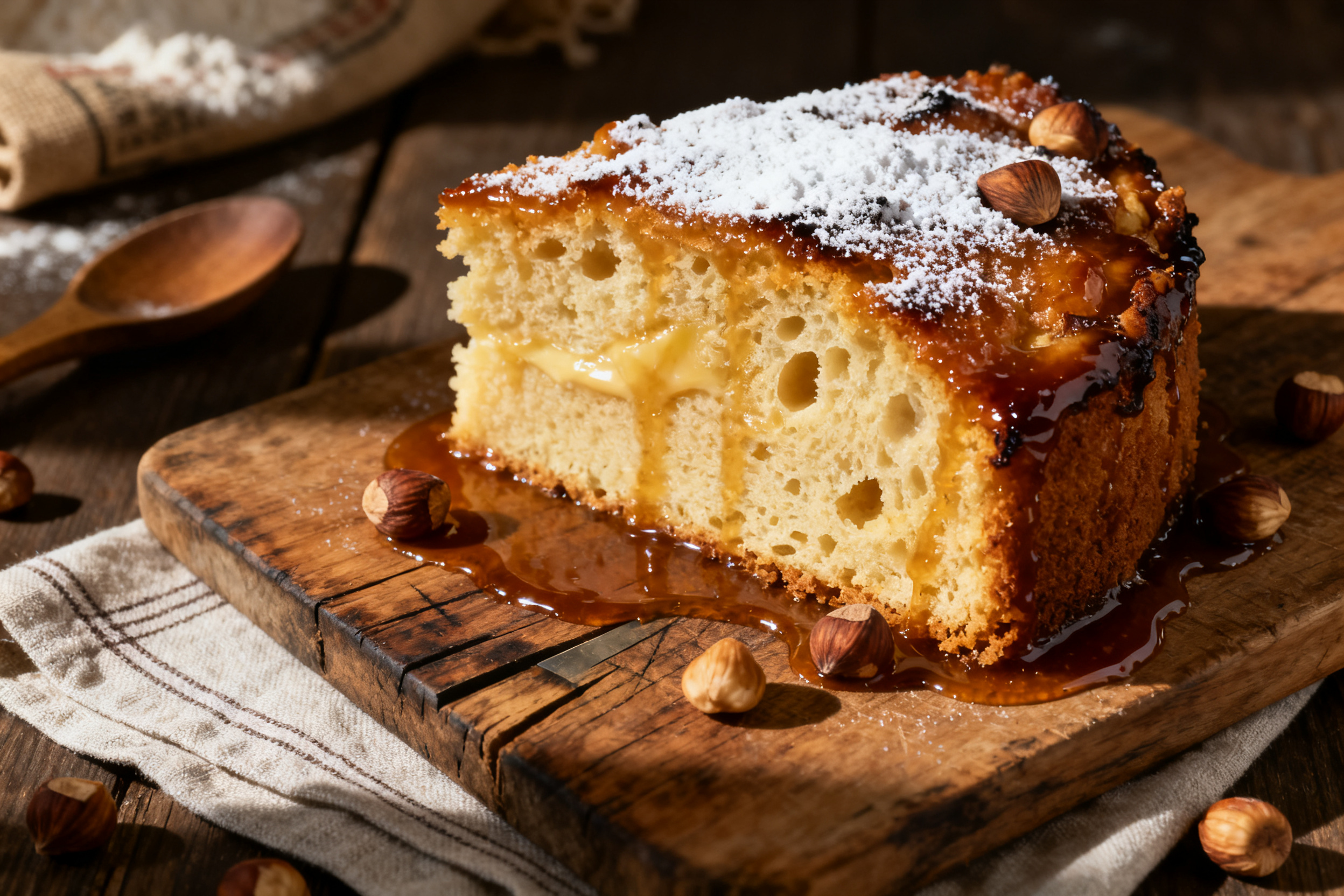
Start with room‑temperature ingredients. Cold eggs and milk won’t emulsify properly, and you’ll end up with a lumpy batter. I learned that the hard way when I tried to rush a birthday cake – the result was a sad, cratered mess.
Butter should be soft but not melted. If you’re in a hurry, cut it into small cubes and let it sit for 10 minutes – that’s enough to bring it to room temp. For the flour, always spoon and level. Scooping directly from the bag packs in too much and makes the cake heavy.
If you don’t have buttermilk (it adds incredible tenderness), mix ½ cup milk with ½ tablespoon lemon juice and let it sit for 5 minutes. That’s your homemade buttermilk. Don’t skip the vanilla extract – it’s the flavor backbone, not just a suggestion.
And yes, you can use cake flour instead of all‑purpose for an even lighter crumb. Just swap 1 cup all‑purpose for 1 cup + 2 tbsp cake flour. Worth it for special occasions.
3. Pro tips
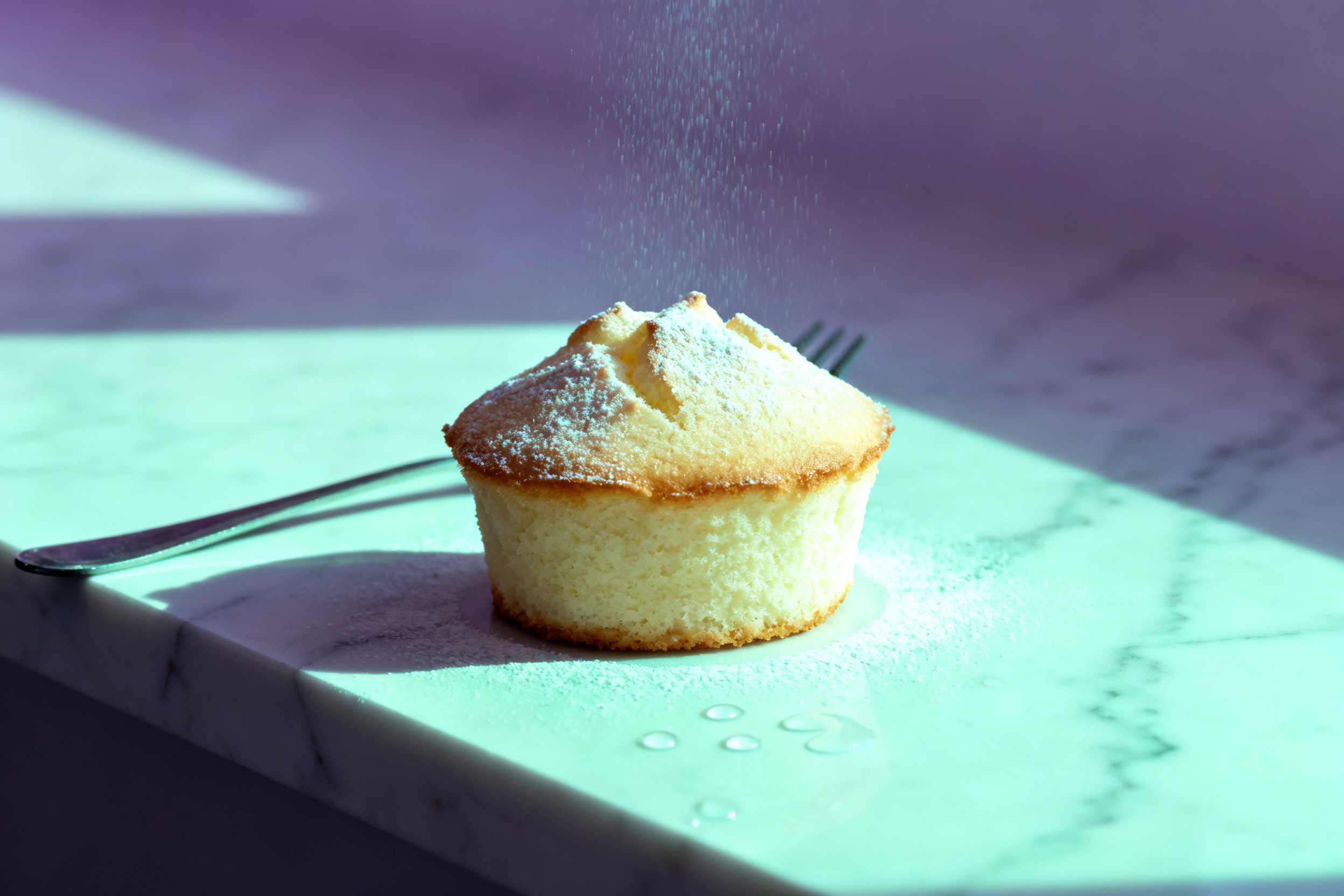
Weigh your ingredients if you have a scale – it’s the single biggest upgrade you can make. Flour too heavy? Cake too dense. Sugar too heavy? Cake might collapse. A kitchen scale costs less than a takeout dinner and pays for itself in consistent results.
Another pro move: cream the butter and sugar for a full 3 minutes. Set a timer. You want it light and fluffy, not just mixed. That’s where the air pockets form that make the cake rise beautifully.
4. Storage & make‑ahead (fridge/freezer)
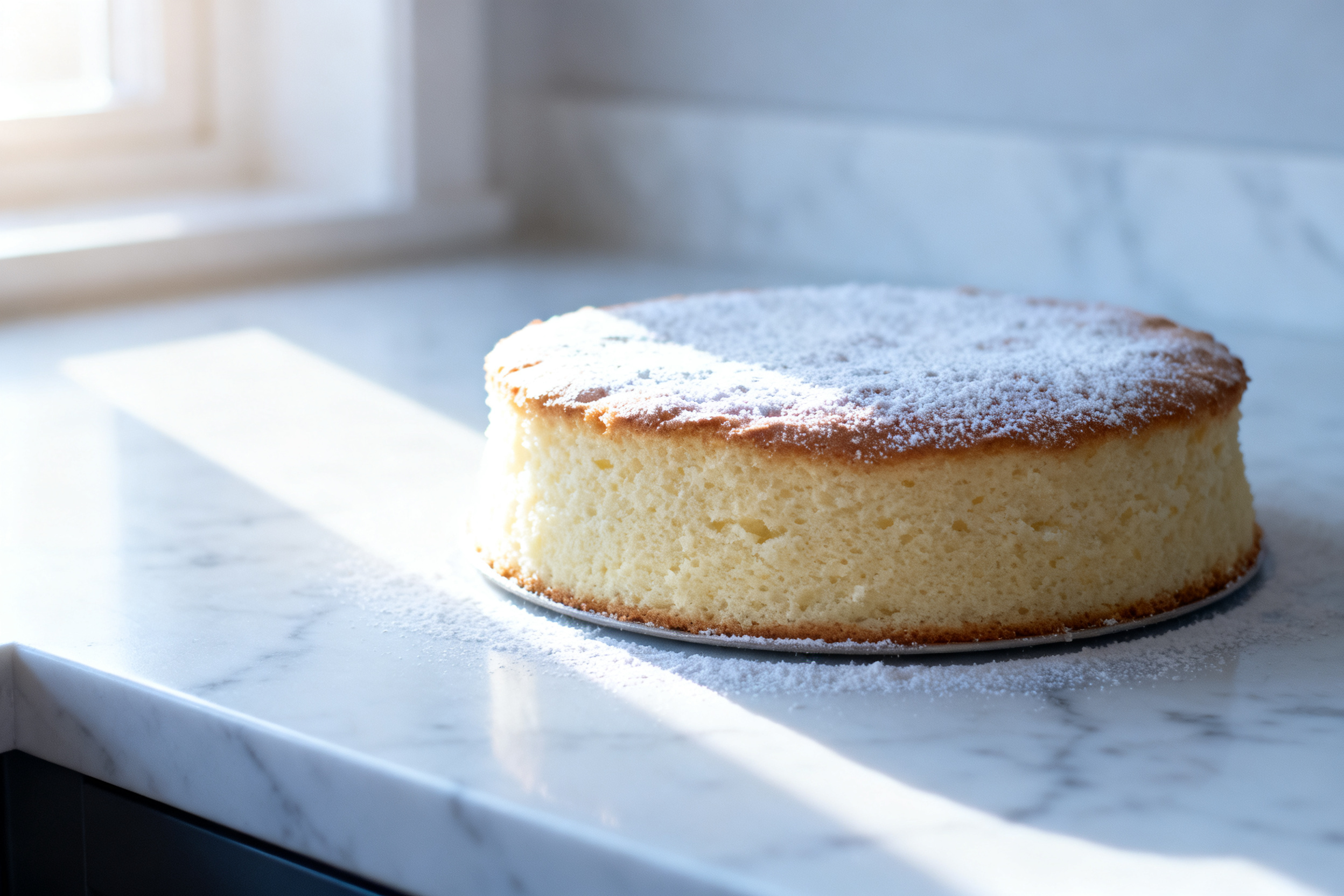
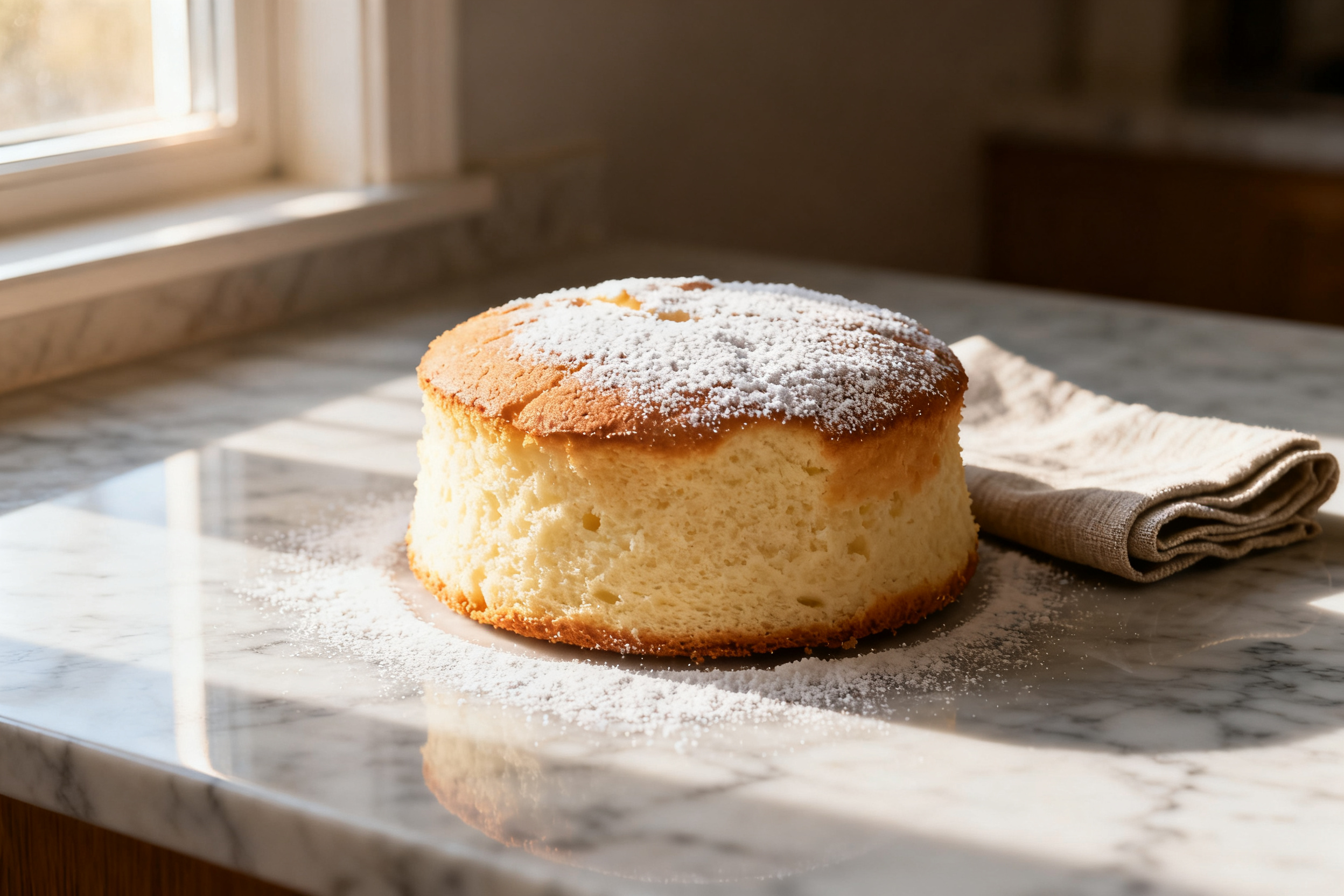
This cake stays fresh at room temperature for up to 3 days, wrapped tightly in plastic wrap. Don’t refrigerate it unless you have to – the fridge dries out cakes faster than you can say “stale.”
For longer storage, freeze the unfrosted cake layers. Cool completely, wrap each layer in plastic, then foil, and freeze for up to 3 months. When you’re ready, thaw overnight in the fridge, then bring to room temp before frosting.
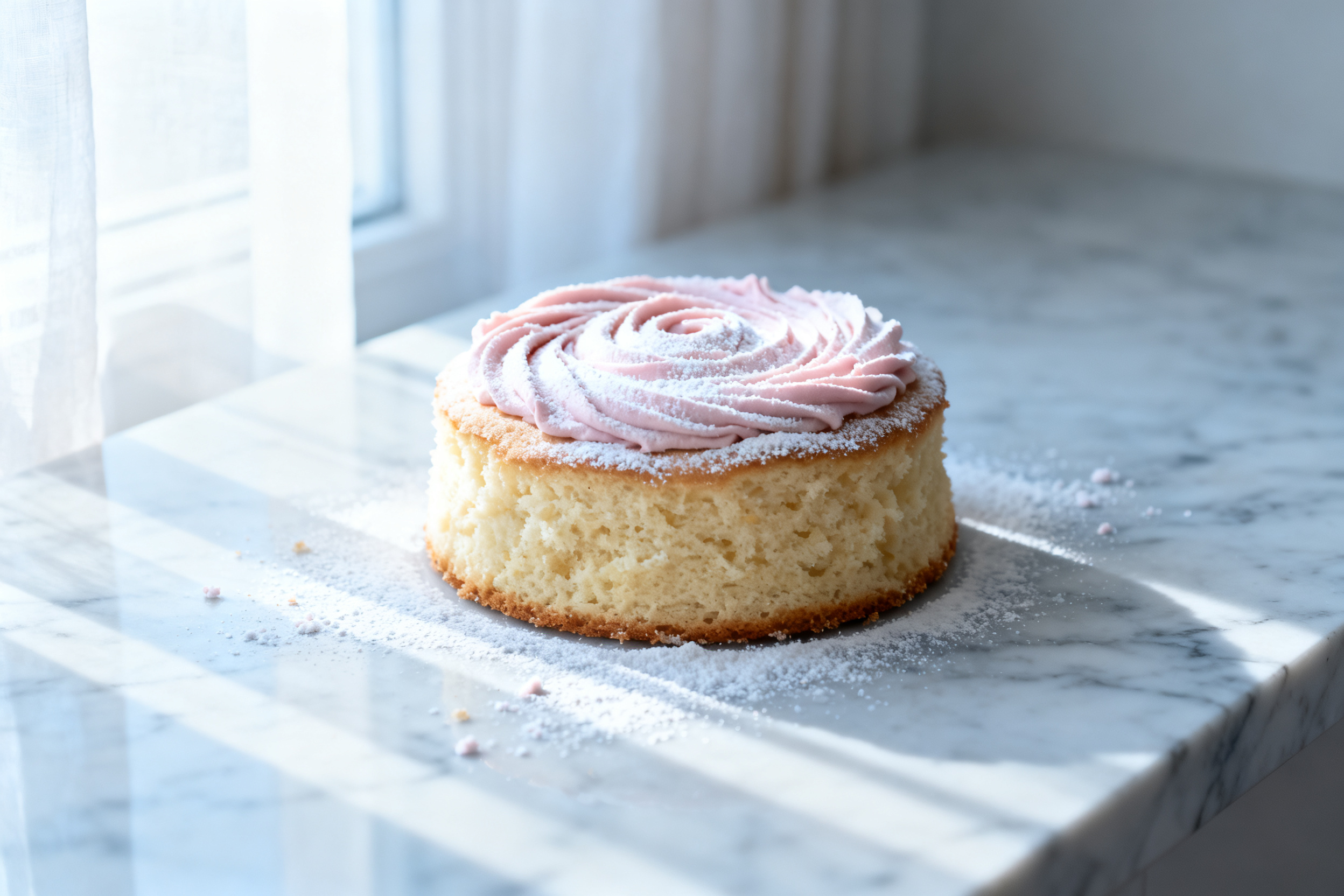
If you’re making ahead for a party, bake the cake a day in advance, but don’t frost it until a few hours before serving. The frosting can make the cake soggy if it sits too long. And if you’re using a buttercream, let it come to room temperature before spreading – cold buttercream tears the cake.
Pro tip for freezing: Slice the cake into individual portions before freezing if you’re only planning to eat a piece at a time. That way you don’t have to defrost the whole thing.
And here’s a little hack: if you’re making a layered cake, you can freeze the layers for 20 minutes before frosting. That makes them firmer and easier to handle without crumbling.
5. Serving suggestions (complete the meal)
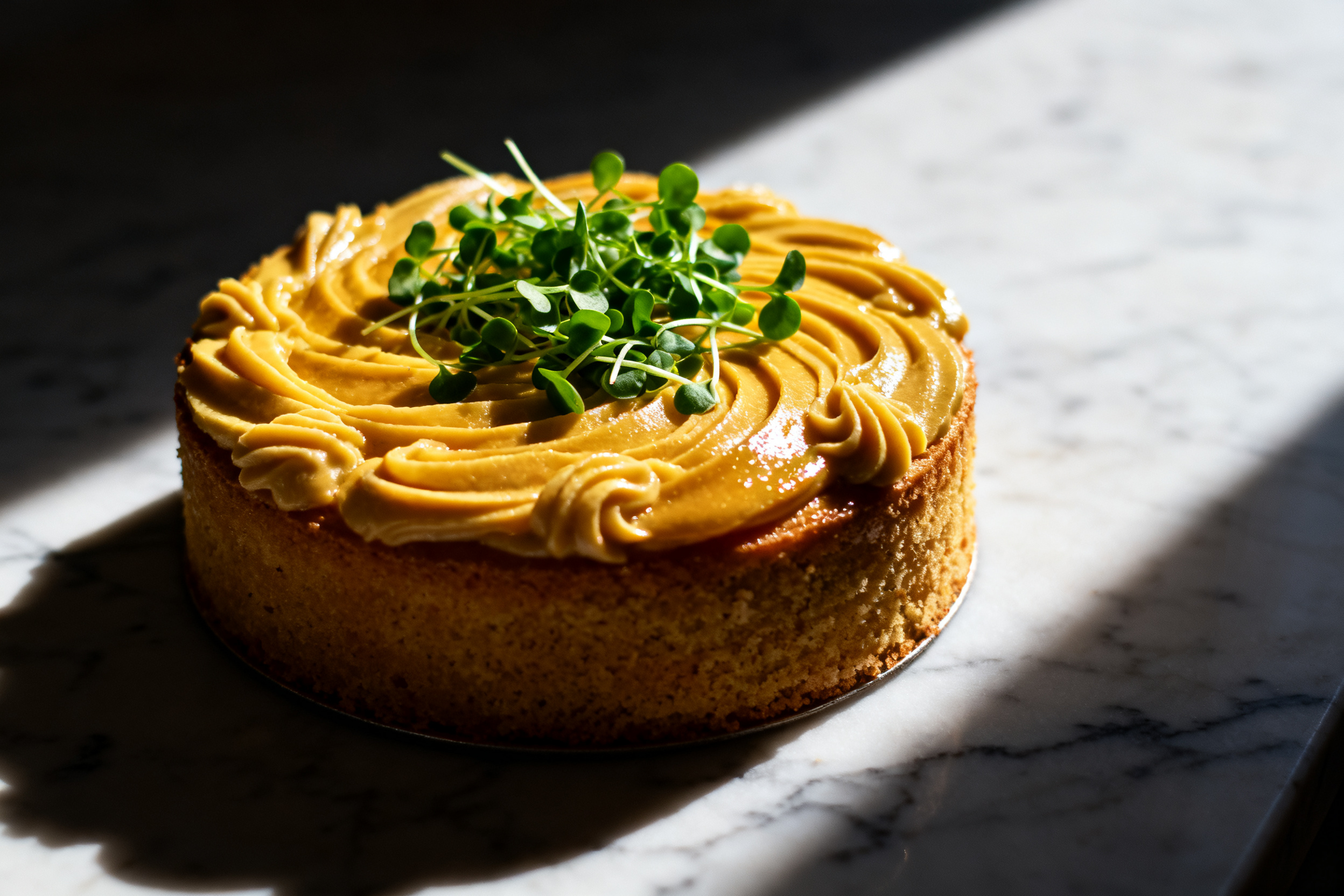
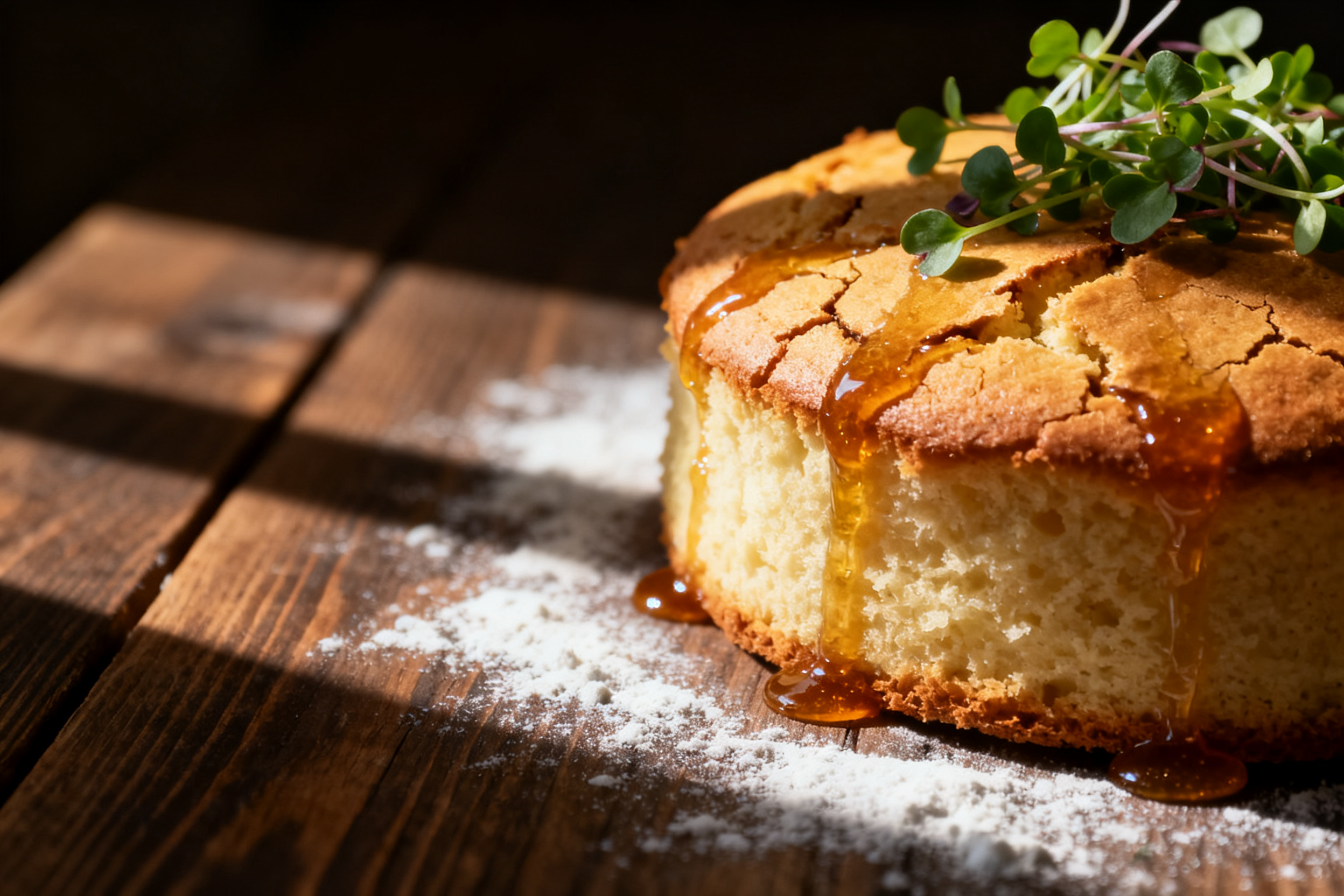
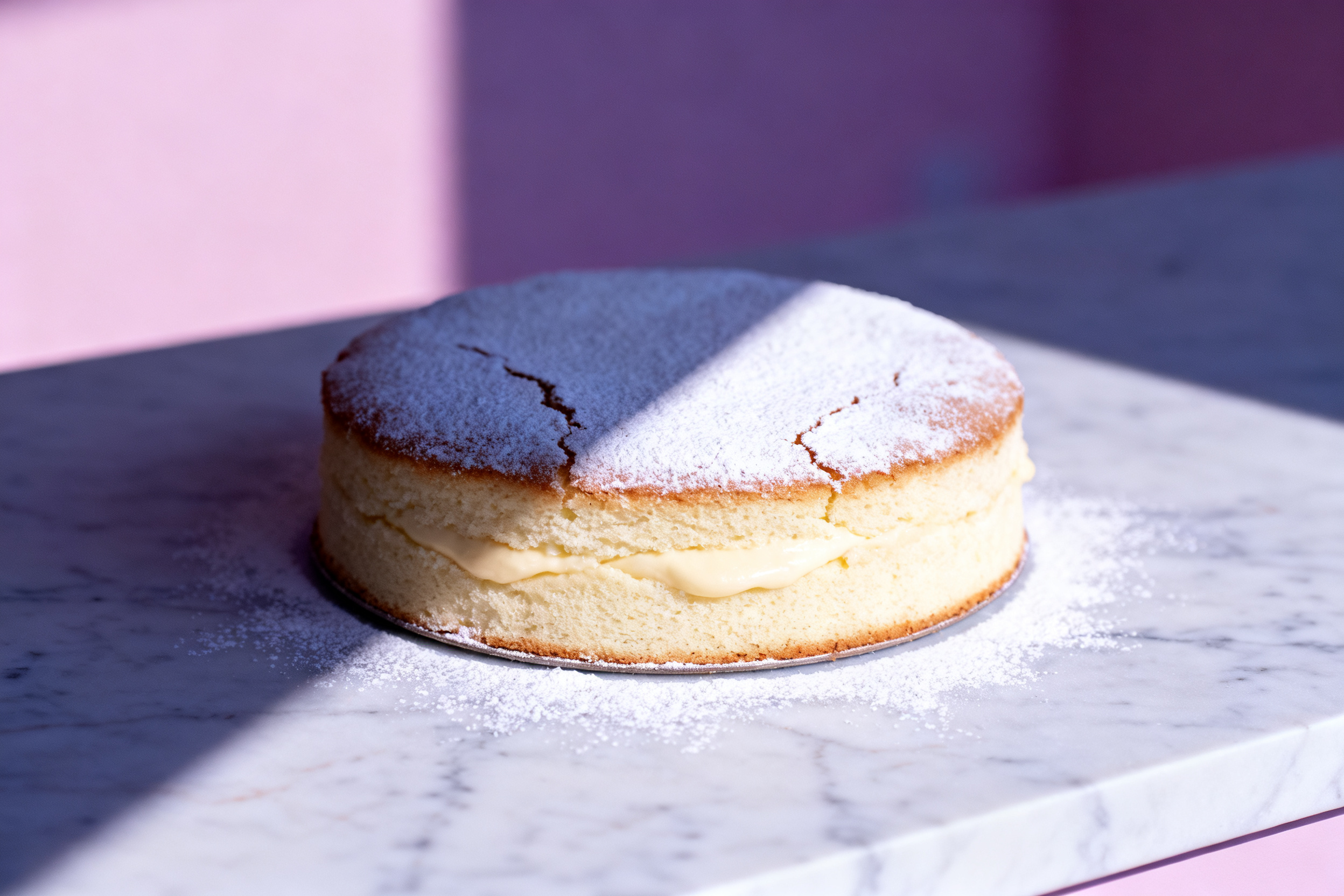
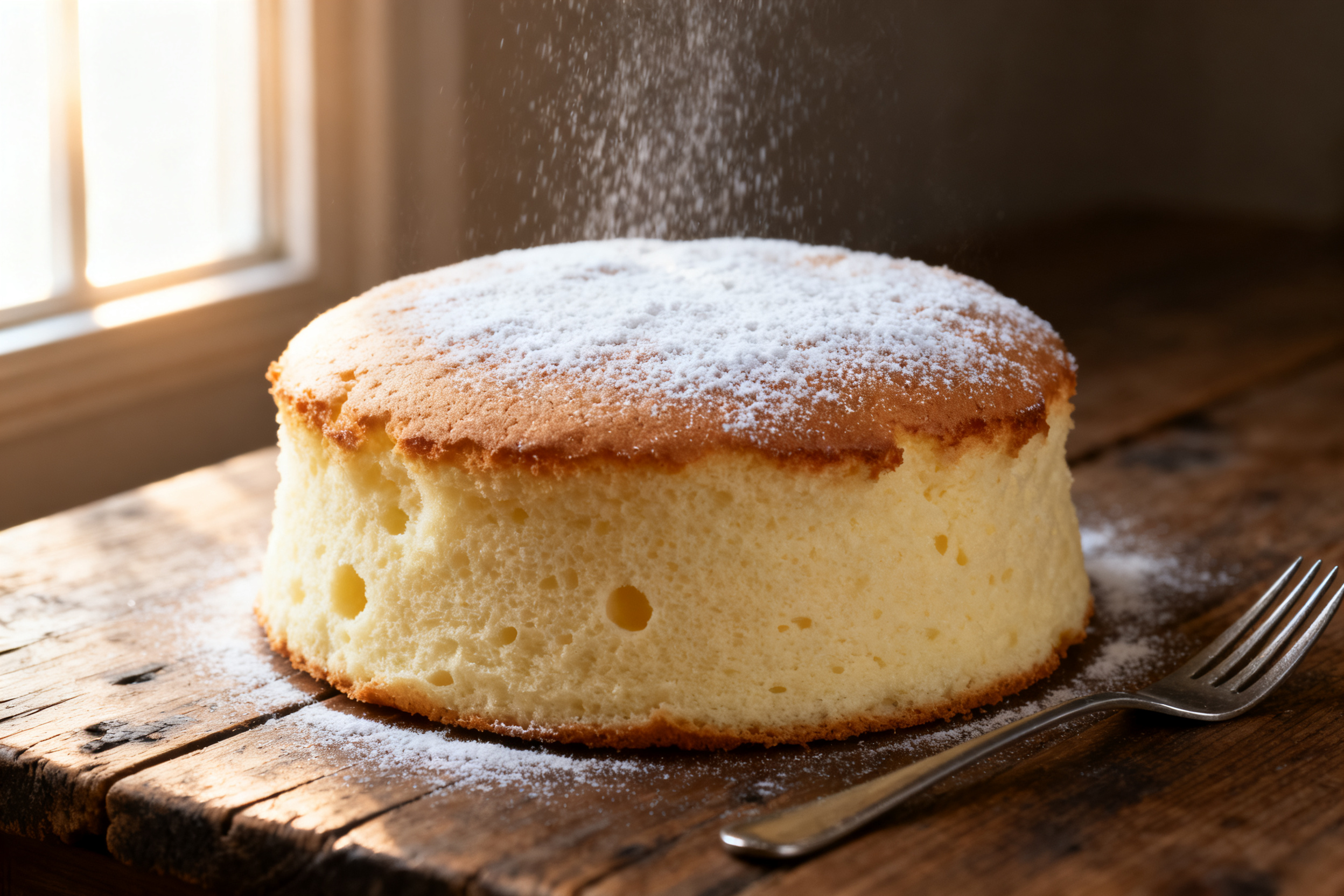
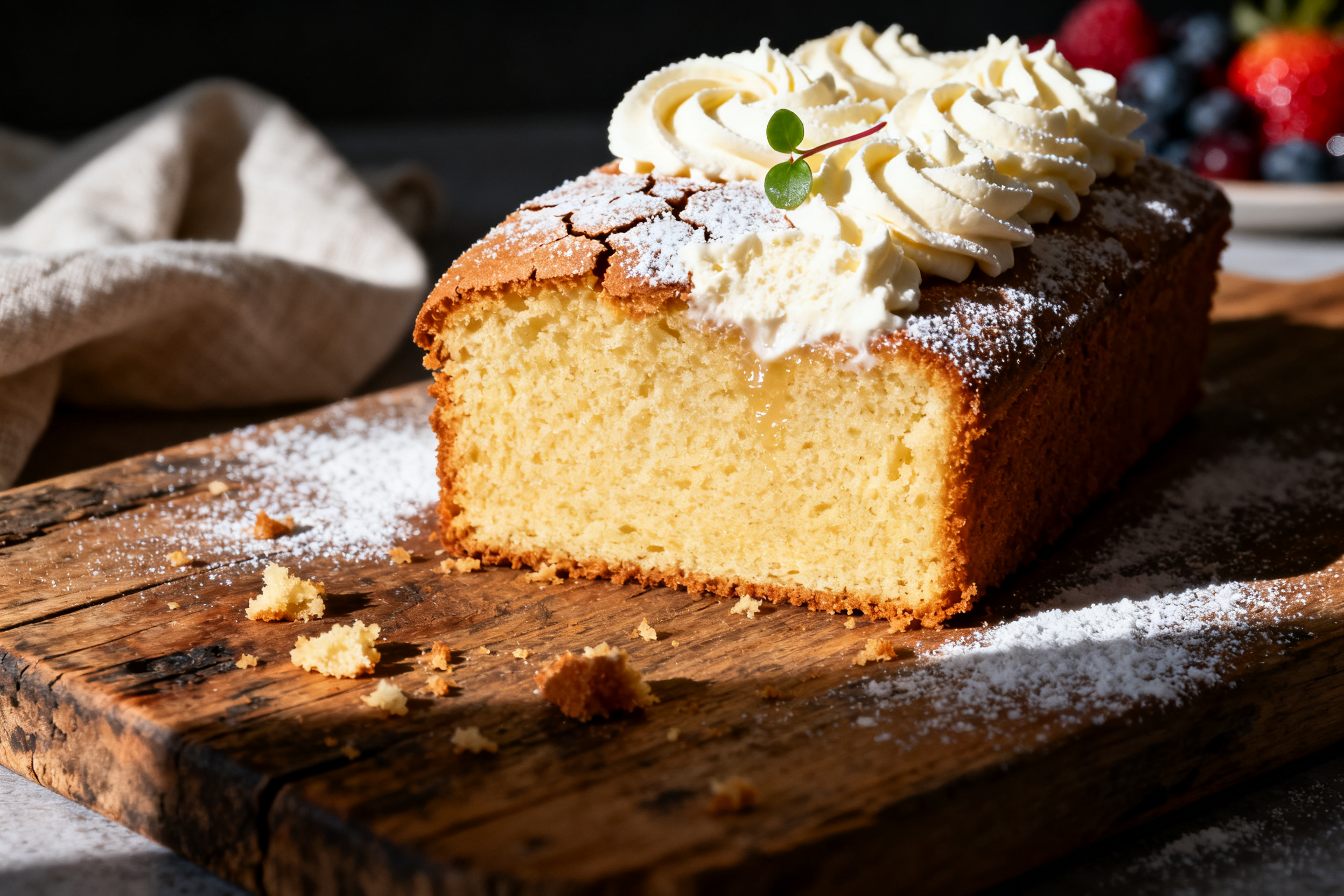
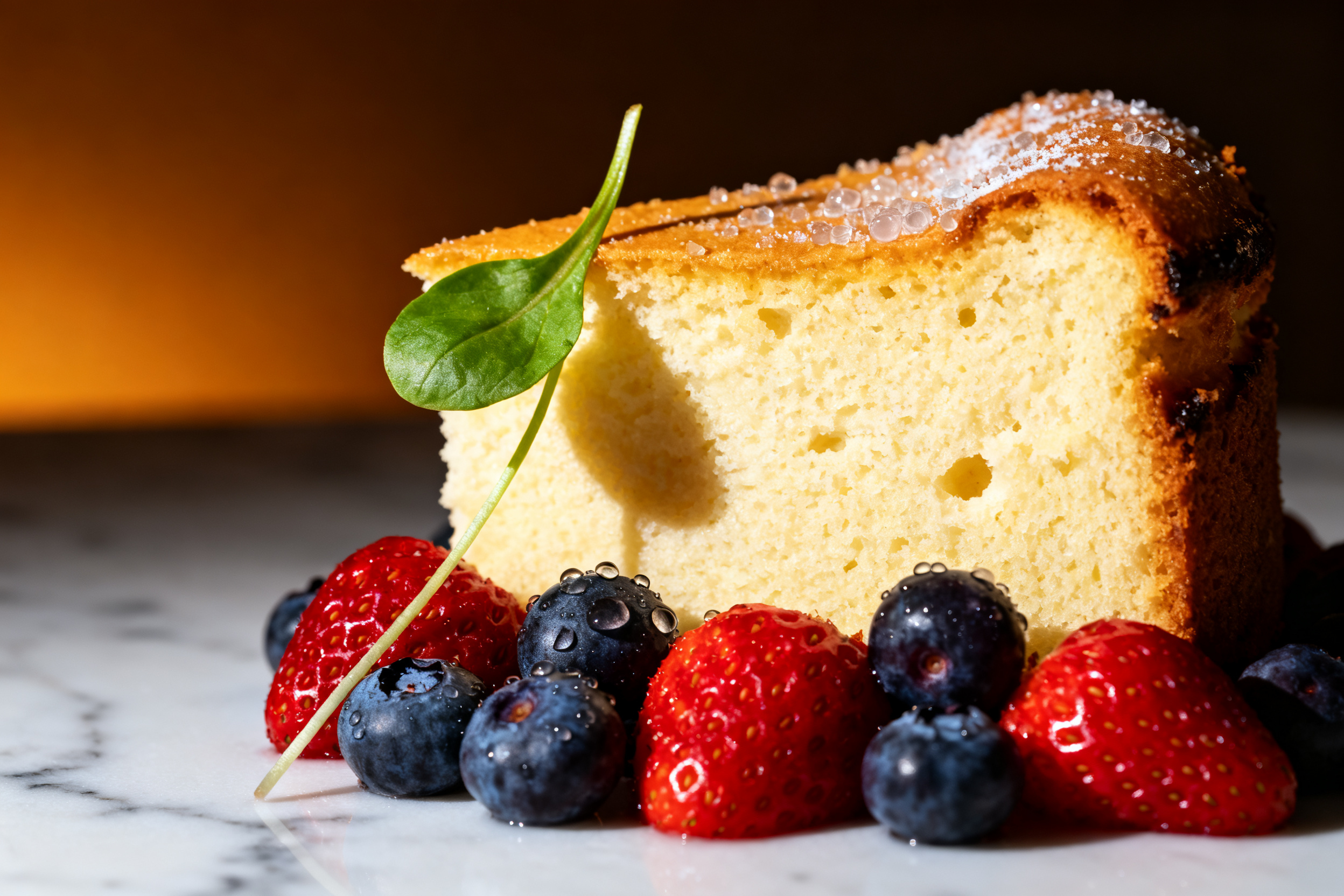
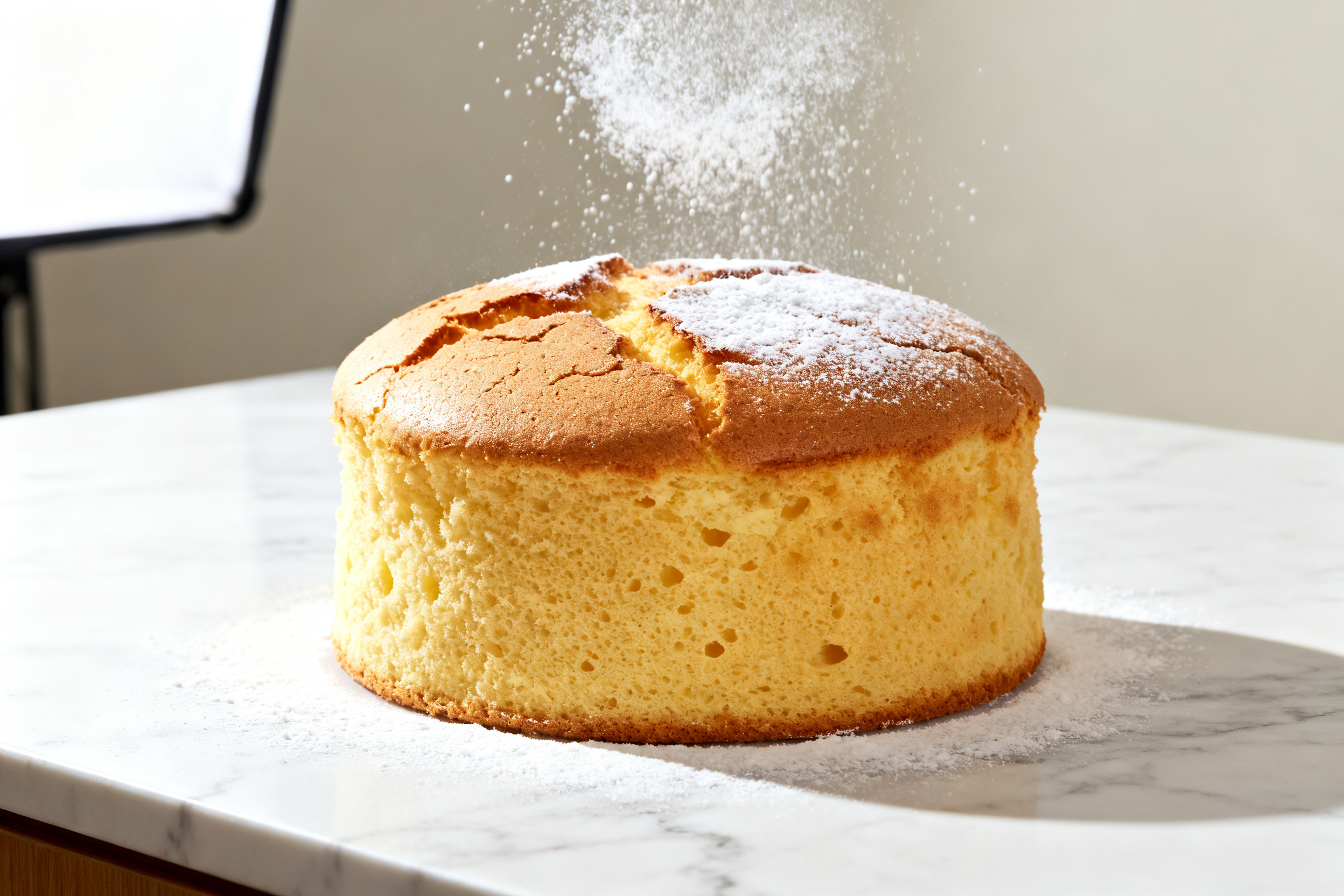
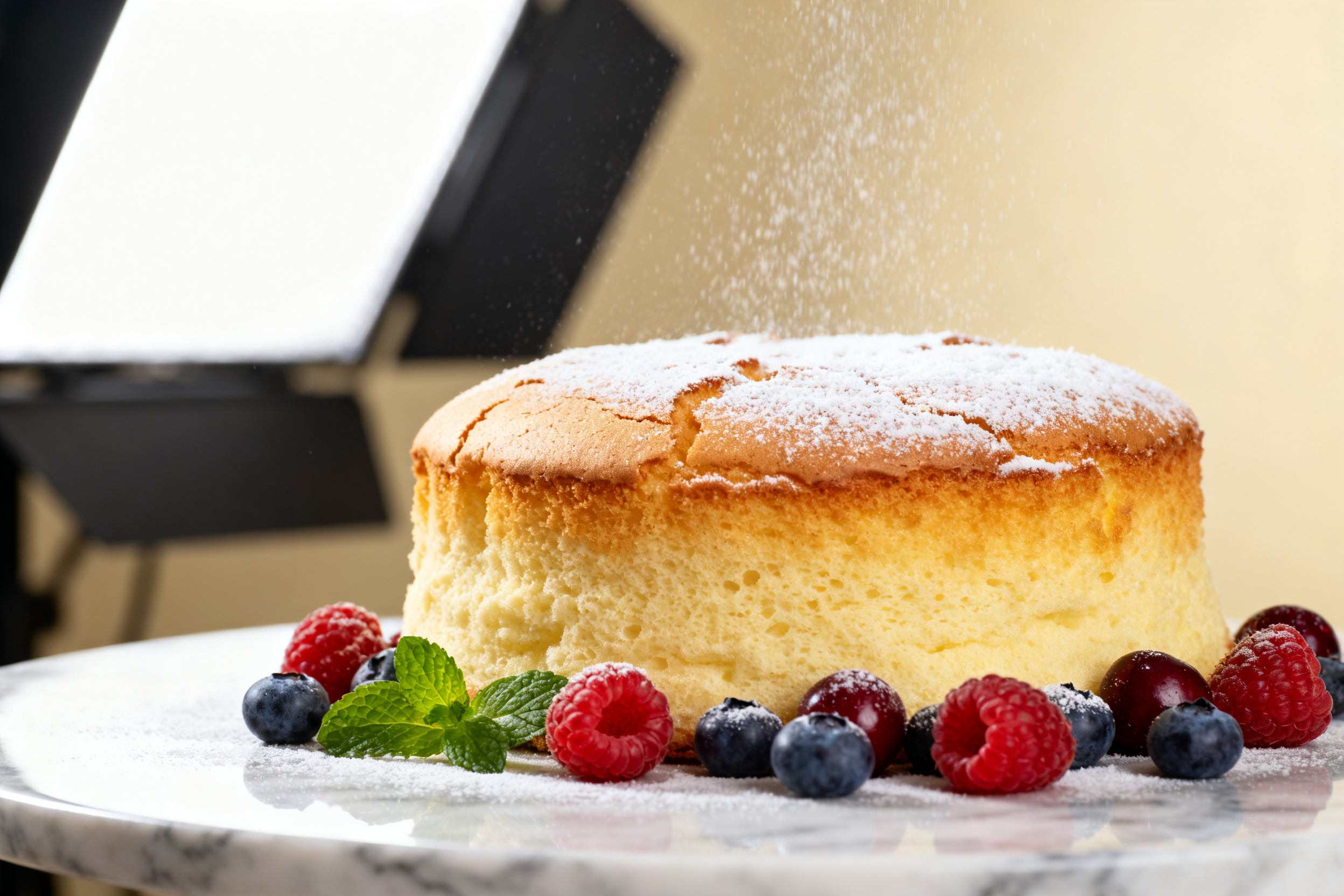
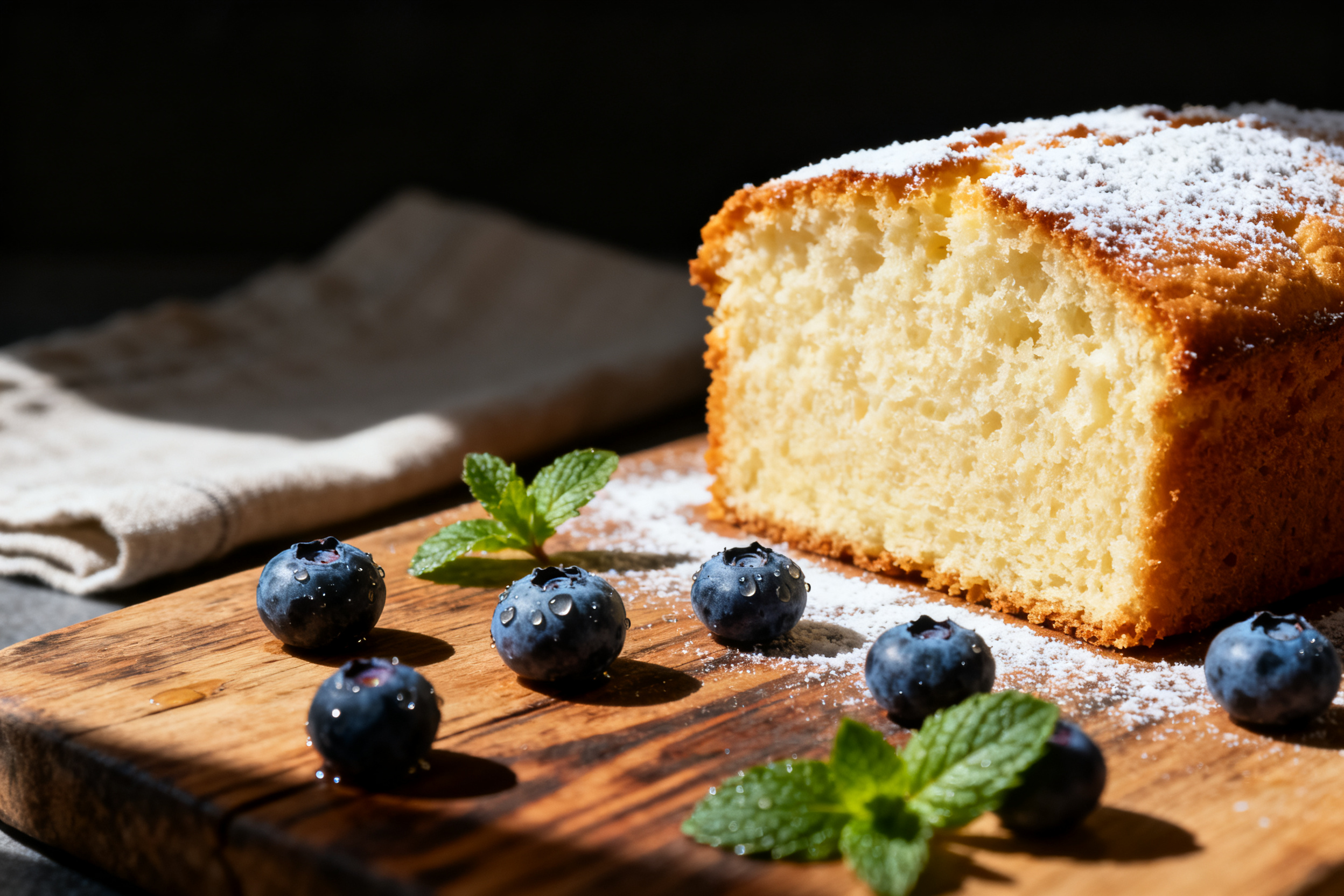
This versatile cake shines with a simple dusting of powdered sugar and a handful of fresh berries. It’s perfect for brunch, afternoon tea, or a casual dessert after dinner. Pair it with a dollop of whipped cream and a drizzle of honey – that’s my go‑to when I want something quick but impressive.
For a more dressed‑up version, add a layer of lemon curd and top with toasted coconut. Or go classic with a chocolate buttercream and sprinkles. The cake itself is neutral enough to take on any flavor you throw at it.
If you’re serving it as a breakfast cake (yes, that’s a thing), it’s lovely with a cup of coffee and a side of fruit salad. I’ve even packed it in lunchboxes – it holds up well and doesn’t get mushy.
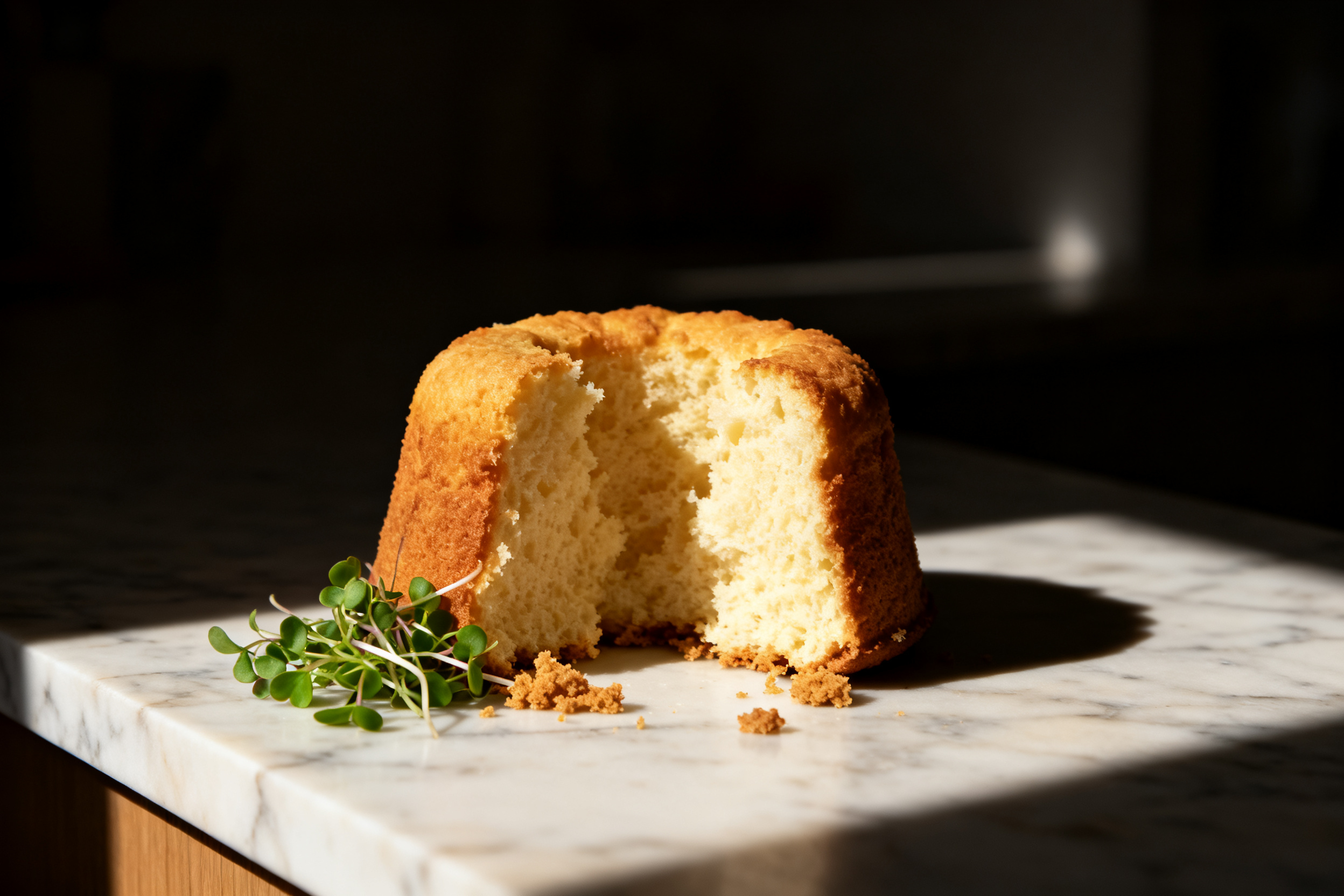
For a complete meal, serve it after a light main dish like grilled chicken with a green salad. The cake is airy, so it won’t weigh you down. And if you’re hosting, consider making mini Bundt cakes – they look adorable and bake faster, so you can serve them warm.
One more idea: toast a slice and spread it with mascarpone and fig jam. Seriously, it’s like a fancy bakery treat in five minutes. Don’t skip the toasting step – it brings out the buttery flavor.
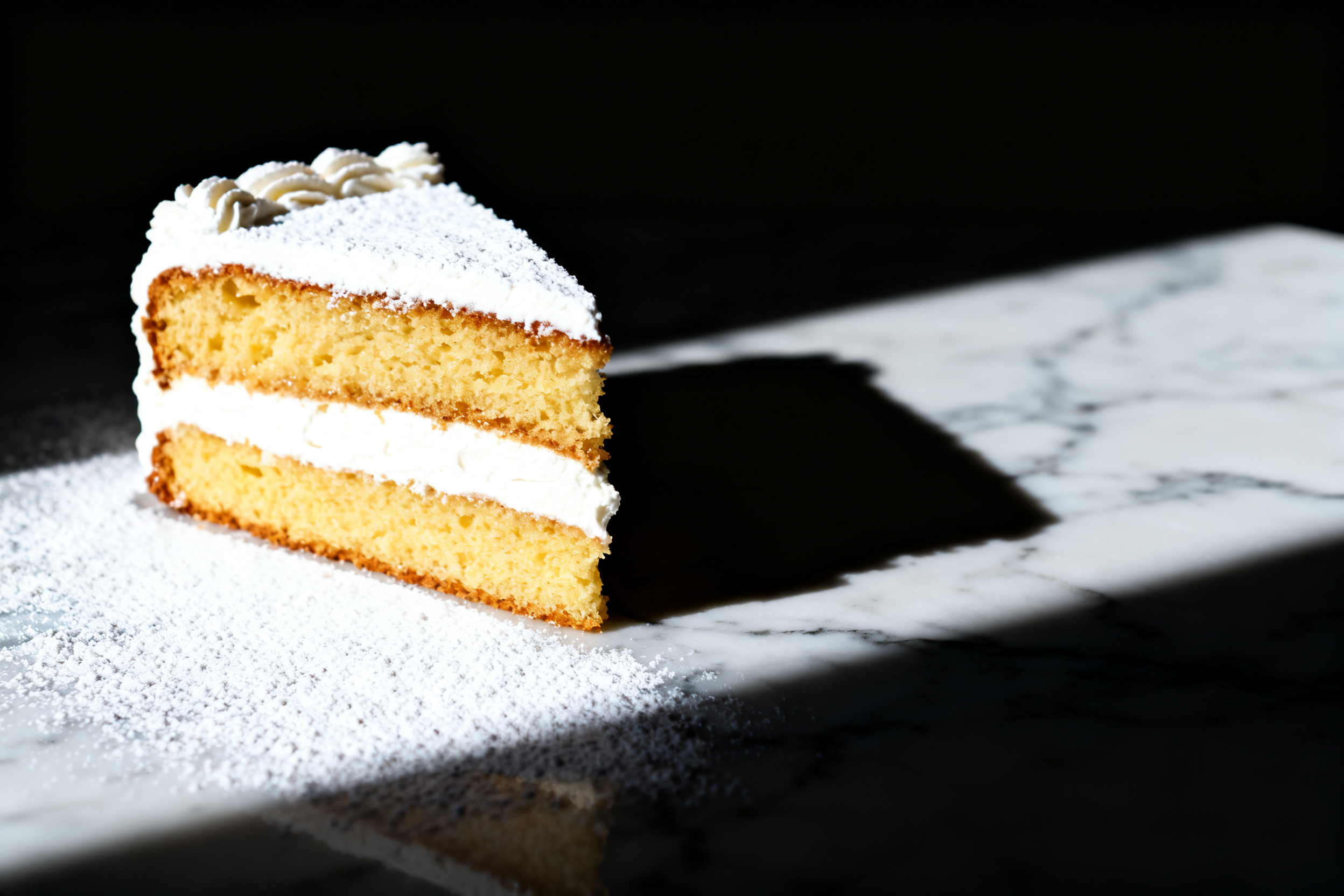
And if you’re feeling extra, layer it with fresh strawberries and whipped cream for a shortcake vibe. That’s what I do when strawberries are in season and I can’t resist.
6. Use your leftovers (reduce waste)
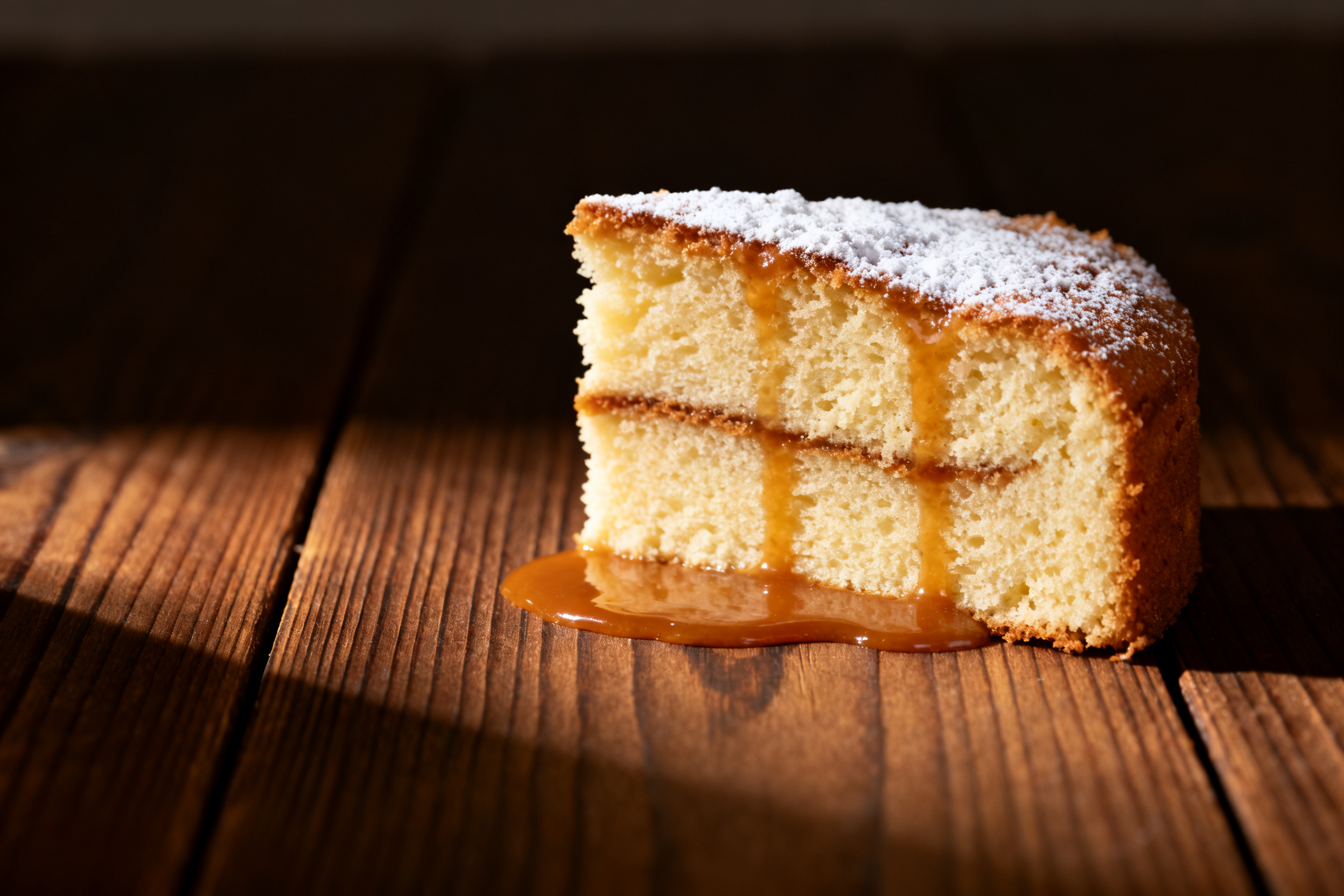
Leftover cake? That’s a rare problem, but if it happens, turn it into cake pops. Crumble the cake, mix with a little frosting, roll into balls, and dip in melted chocolate. They’re dangerous – in a good way.
You can also cube the cake and toast it in a pan with butter for a quick bread pudding. Just pour a simple custard (eggs, milk, sugar, vanilla) over the cubes and bake at 350°F for 25 minutes. It’s way better than the original – and I’m not joking.
Another idea: freeze the crumbs and use them as a topping for yogurt or ice cream. Or crush them finely and mix with melted butter for a crumb crust for cheesecake. Waste not, want not, right?
7. Common mistakes & how to fix them
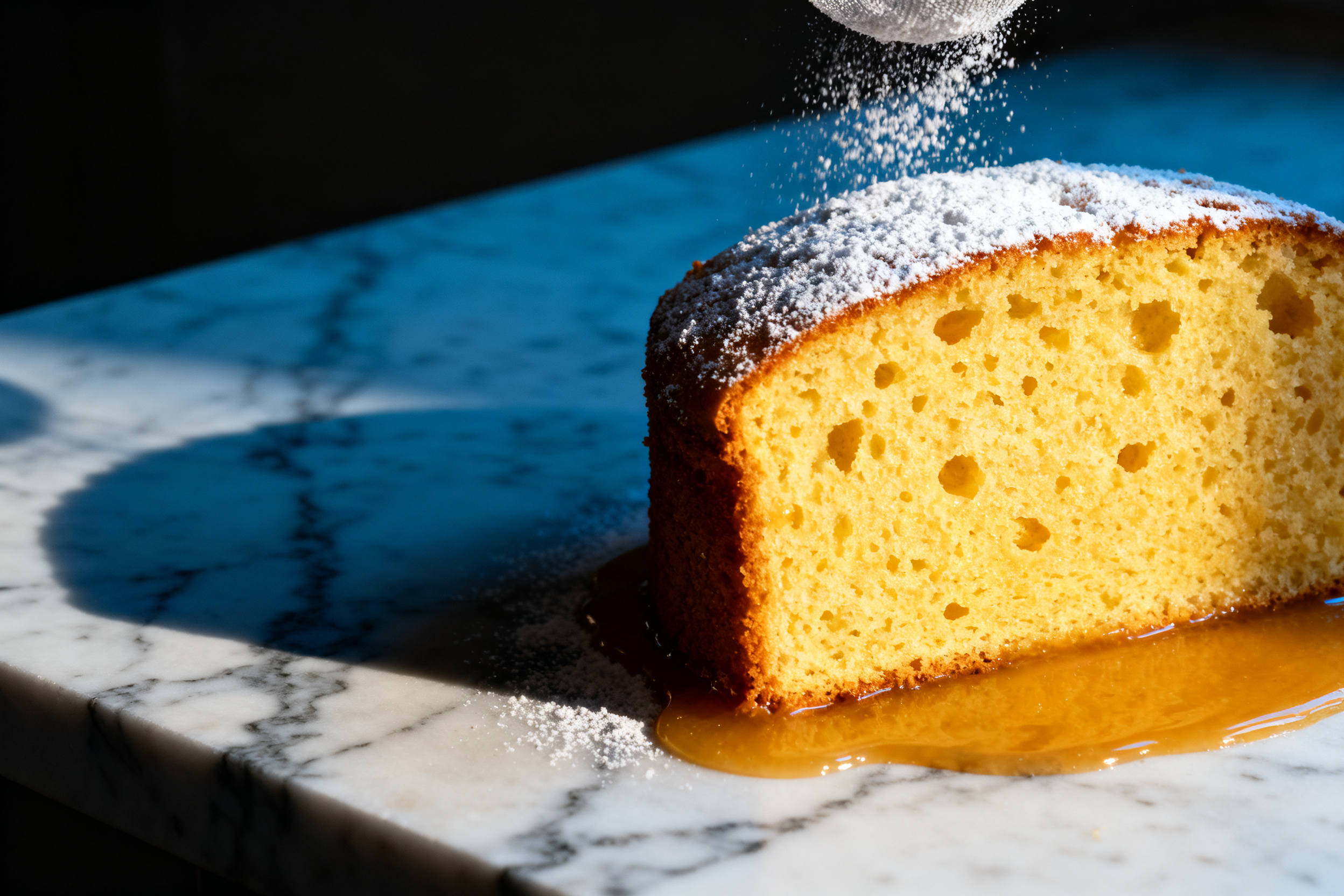
The biggest mistake? Overmixing the batter. Once you add the flour, mix only until just combined. A few streaks of flour are fine – they’ll disappear in the oven. Overmixing develops gluten and makes the cake tough. I’ve done it, and it’s a heartbreaker.
8. Variations by diet or flavor profile
Want a vegan version? Use non‑dairy milk, vegan butter, and a flax egg. Add an extra teaspoon of baking powder to help it rise. The texture will be slightly denser but still delicious. For a chocolate twist, replace ¼ cup of flour with cocoa powder and add ¼ cup sugar to balance the bitterness.
Lemon lovers: add the zest of one lemon and replace 2 tablespoons of milk with lemon juice. It brightens the whole cake. For a citrusy variation, you can also add a teaspoon of orange zest.
Spice it up with a teaspoon of cinnamon and a pinch of nutmeg. That makes it perfect for fall – serve it with a caramel drizzle and you’ve got a holiday hit. And if you’re gluten‑free, use a 1:1 blend and add an extra egg for structure.
For a lower‑sugar version, reduce the sugar by ¼ cup and add a mashed banana for sweetness. The banana also adds moisture. Just be aware the cake will be slightly denser and have a banana flavor, so it’s a trade‑off.
9. Why this recipe works (The science)
The secret is the combination of buttermilk and room‑temperature butter. Buttermilk’s acidity reacts with baking soda to create carbon dioxide bubbles, which give the cake its lift. And creaming the butter and sugar traps air – that’s like building a structure of tiny balloons inside the batter. The heat of the oven expands those balloons, and the cake rises.
Using cake flour (with its lower protein content) reduces gluten formation, making the crumb tender. And the ratio of wet to dry ingredients is calibrated so the cake isn’t too wet (which would sink) or too dry (which would be crumbly). It’s a delicate balance, but once you get it, you’ll never go back.
10. Frequently Asked Questions (FAQ)
Can I use a hand mixer instead of a stand mixer? Absolutely. Just cream the butter and sugar for a few extra minutes – hand mixers are a bit slower. And don’t skip the scraping down of the bowl.
Why did my cake sink in the middle? Usually because the oven door was opened too early or the cake was underbaked. Give it a full 30 minutes before opening the oven. If it’s still jiggly, give it a few more minutes.
Can I double the recipe? Yes, but use a larger pan (9×13 inch) and bake for an extra 5‑10 minutes. Check with a toothpick – it should come out clean.
How do I know when it’s done? The top should be golden brown, the edges will pull away from the pan, and a toothpick inserted in the center should come out clean or with a few moist crumbs, not wet batter.
Can I use oil instead of butter? You can, but the cake will be denser and less fluffy. If you’re in a pinch, use ½ cup oil for every ½ cup of butter. The flavor will be milder, but it’ll still be tender.
11. Call to action (comment, share, subscribe)
I’d love to hear how your cake turns out. Drop a comment below – what flavor did you go with? Did you try any of the variations? And if you liked this post, share it with a friend who needs an easy cake recipe in their life. It helps my little blog more than you know.
Also, subscribe to my newsletter (there’s a box above) – I send out a new recipe every week, plus a few baking tips that I don’t share anywhere else. No spam, just cake. I promise.
So go ahead, preheat that oven, and make yourself a fluffy, light cake. You deserve it.
This cake is exactly what it says on the tin: fluffy, light, and ridiculously easy. You don’t need a fancy mixer or a pastry degree – just a bowl, a whisk, and a craving for something soft and sweet. I’ve made it for birthdays, lazy Sundays, and even as a “sorry I ate your chocolate” apology. It always works.
Now get baking, and let me know in the comments how it went. I’ll be here, probably eating a slice with my morning coffee. Because yes, cake for breakfast is a thing. And it’s glorious.
Recipe Name:
Fluffy Vanilla Sponge Cake
Servings:
8
Prep Time:
15 minutes
Cook Time:
30 minutes
Total Time:
45 minutes
Calories:
280
Course:
Dessert
Cuisine:
American
Fluffy Vanilla Sponge Cake
Ingredients
- 1 ½ cups 180g all-purpose flour (or cake flour for lighter texture)
- 1 ½ teaspoons baking powder
- ¼ teaspoon baking soda
- ½ teaspoon salt
- ½ cup 113g unsalted butter, softened
- 1 cup 200g granulated sugar
- 2 large eggs room temperature
- 1 teaspoon vanilla extract
- ½ cup 120ml buttermilk, room temperature
Instructions
- Preheat oven to 350°F (175°C). Grease and flour a 9-inch round cake pan (or line with parchment paper).
- In a medium bowl, whisk together flour, baking powder, baking soda, and salt. Set aside.
- In a large bowl, cream the softened butter and sugar together with an electric mixer on medium speed until light and fluffy, about 3 minutes. Scrape down the sides as needed.
- Add eggs one at a time, beating well after each addition. Mix in the vanilla extract.
- With the mixer on low, add the dry ingredients in three additions, alternating with the buttermilk. Start and end with the dry ingredients. Mix only until just combined – do not overmix.
- Pour the batter into the prepared pan and spread evenly. Bake for 28–32 minutes, or until a toothpick inserted in the center comes out clean or with a few moist crumbs.
- Let the cake cool in the pan for 10 minutes, then turn out onto a wire rack to cool completely before frosting or serving.
Notes
2. Substitutions: For gluten-free, use a 1:1 gluten-free flour blend.
3. For dairy-free, use oat milk + 1 teaspoon lemon juice (to replace buttermilk) and vegan butter.
4. For egg-free, use 2 flax eggs (2 tbsp ground flax + 6 tbsp water) – texture will be slightly denser.
5. Storage: Store unfrosted cake at room temperature wrapped in plastic for up to 3 days.
6. Freeze unfrosted layers for up to 3 months (wrap in plastic then foil).
7. Thaw overnight in fridge, then bring to room temp before frosting.
8. Make ahead: Bake the cake a day in advance.
9. Do not frost until a few hours before serving.
10. For easier frosting, freeze the layers for 20 minutes before spreading.
11. Pan size: This recipe also works as 12 cupcakes – bake for 18–20 minutes.
12. Or use a 9×13 inch pan for a sheet cake – bake for 25–28 minutes.