
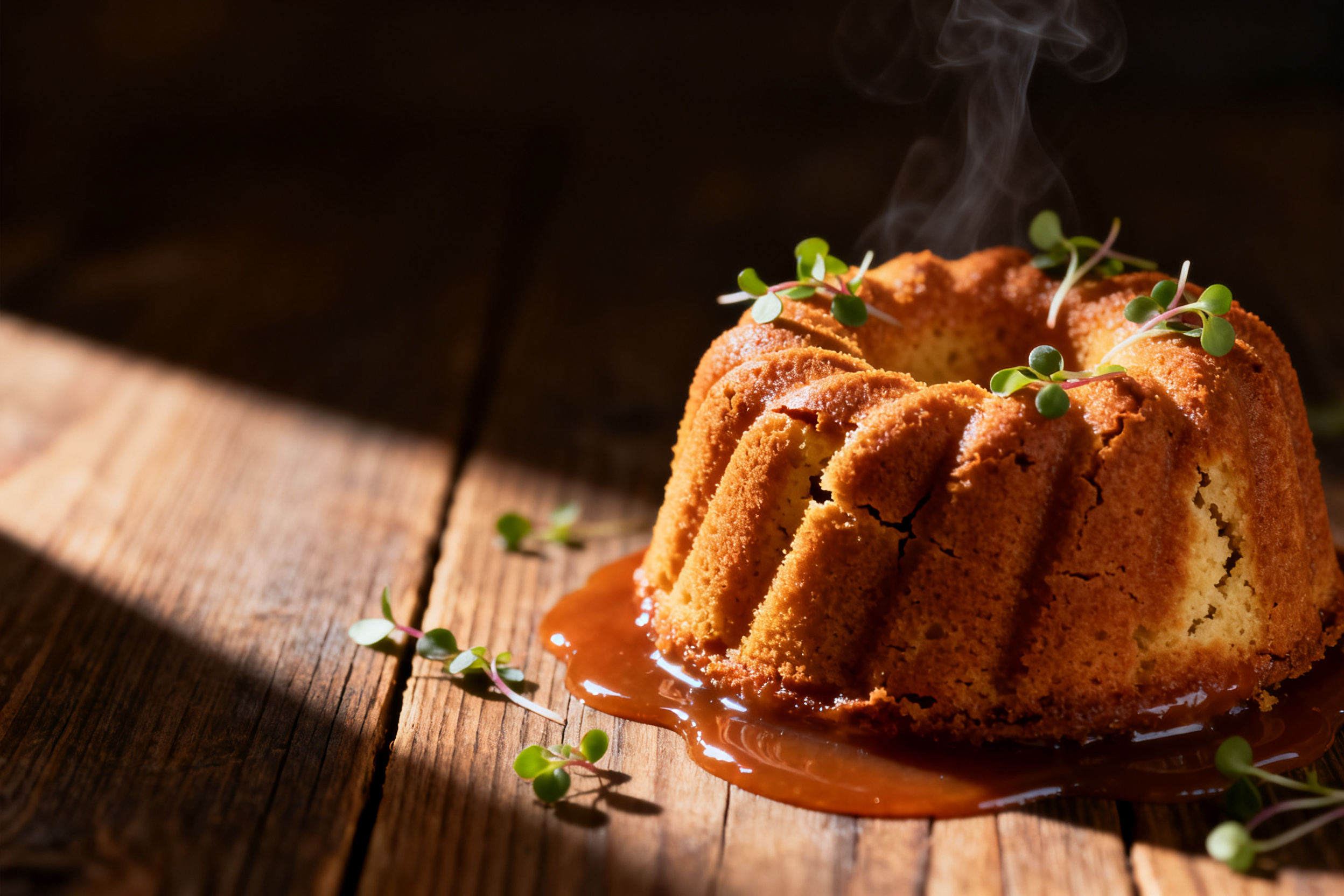

You know that sinking feeling when you slice into a beautiful cake only to find it dry and crumbly on day two? I have been there more times than I care to admit, especially with those adorable little bundts.
These mini bundt cake recipes solve that problem for good. We are talking tender, buttery cakes that actually taste better on day three. No joke.
I tested these until my family begged me to stop making mini cakes. The secret is a clever ingredient trick that locks in moisture without making the cake heavy. Let me show you exactly how it works.
1. Allergens
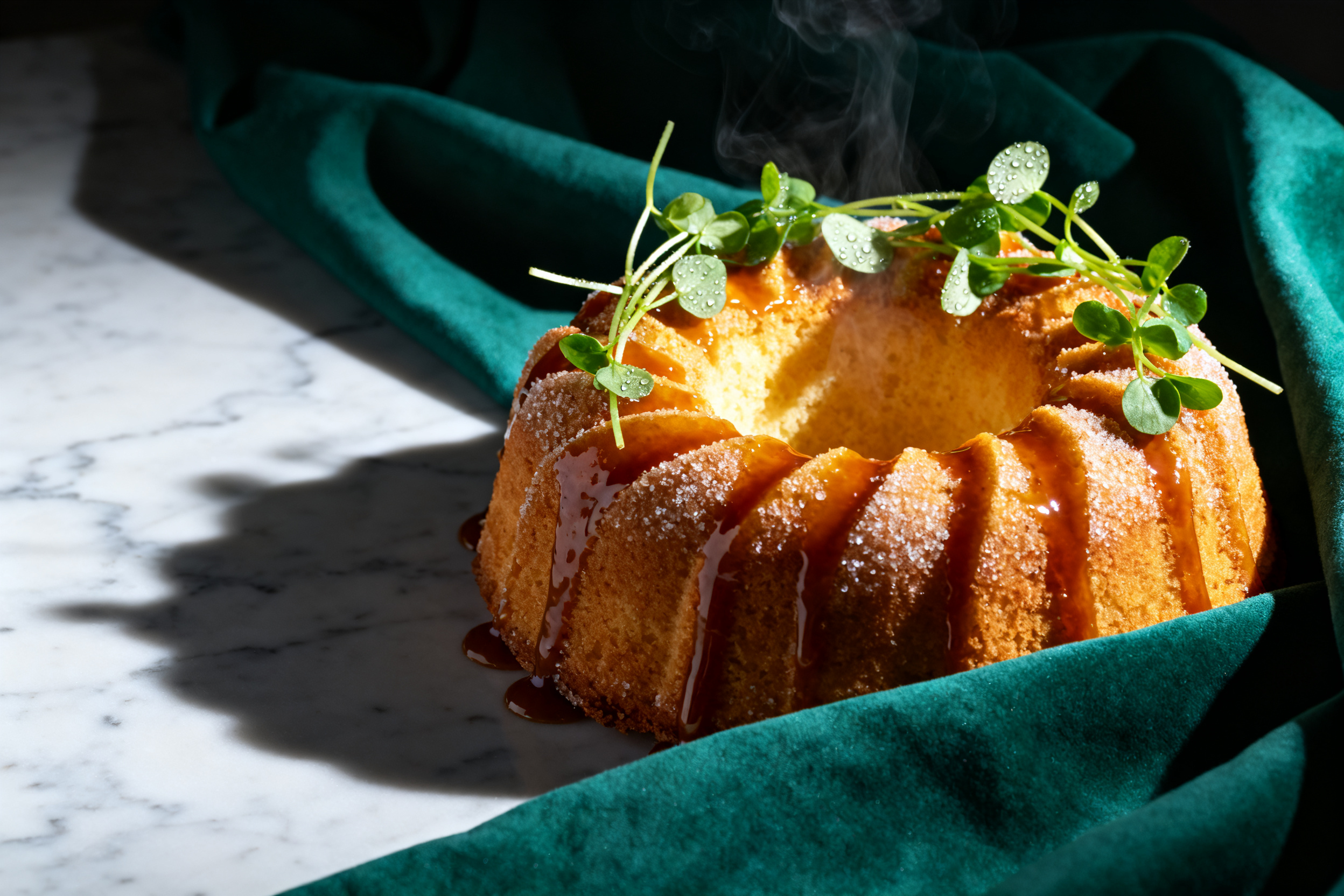
This recipe contains gluten from all-purpose flour, dairy from butter and buttermilk, and eggs. It also includes tree nuts if you choose the optional almond extract or pecan garnish.
For a dairy-free version, swap the butter for vegan butter and use a dairy-free milk mixed with lemon juice instead of buttermilk. The texture stays just as tender.
To make these mini bundt cake recipes gluten-free, use a 1:1 gluten-free flour blend that contains xanthan gum. Avoid coconut flour or almond flour alone, as they change the structure too much.
2. Ingredient notes & substitutions
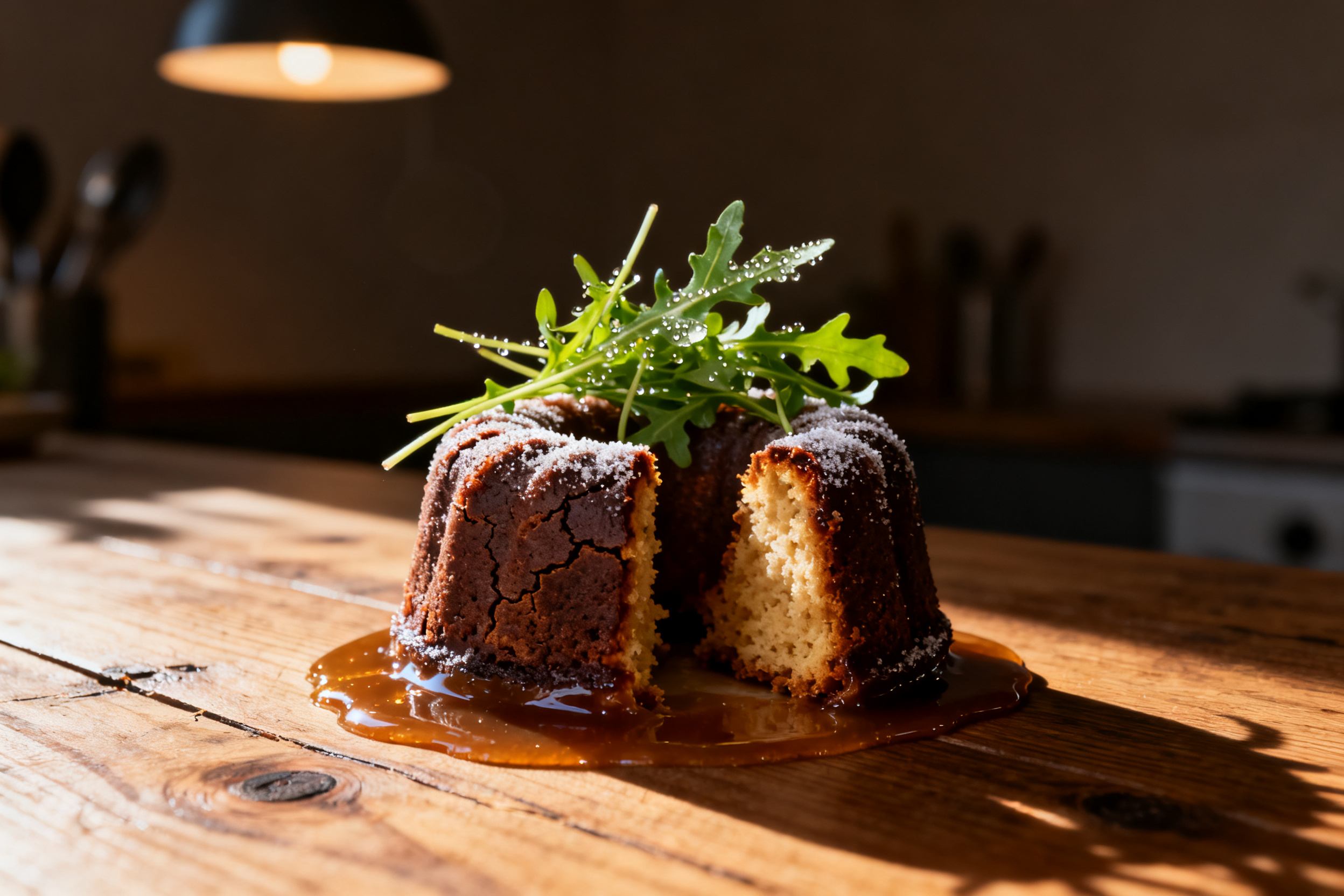
Buttermilk is the MVP here. It reacts with baking soda to create a super tender crumb and keeps the cakes moist longer. If you do not have buttermilk, add one tablespoon of lemon juice to a cup of milk and let it sit for five minutes.
Use room temperature eggs and butter. Cold ingredients do not emulsify properly, which leads to a denser cake that dries out faster. Set them out thirty minutes before you start.
3. Pro tips
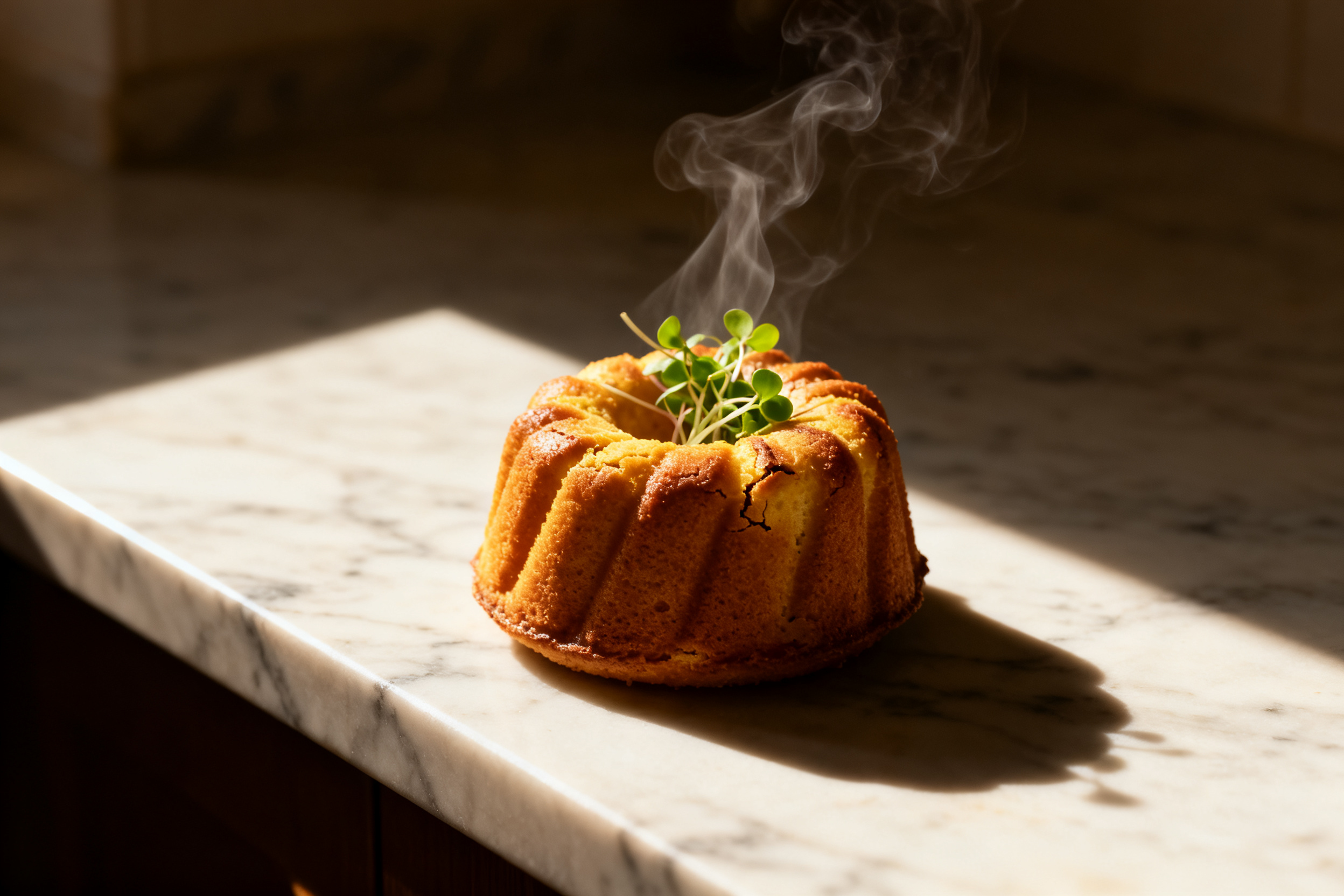
Grease your mini bundt pans thoroughly with a baking spray that contains flour. Those pretty ridges are notorious for sticking, and nobody wants a broken cake.
Do not overmix the batter once you add the flour. Mix until the streaks disappear, then stop. Overworking the gluten makes the cake tough and dry.
Let the cakes cool in the pan for exactly ten minutes before inverting. Too soon and they collapse. Too late and they steam themselves soggy.
4. Storage & make-ahead
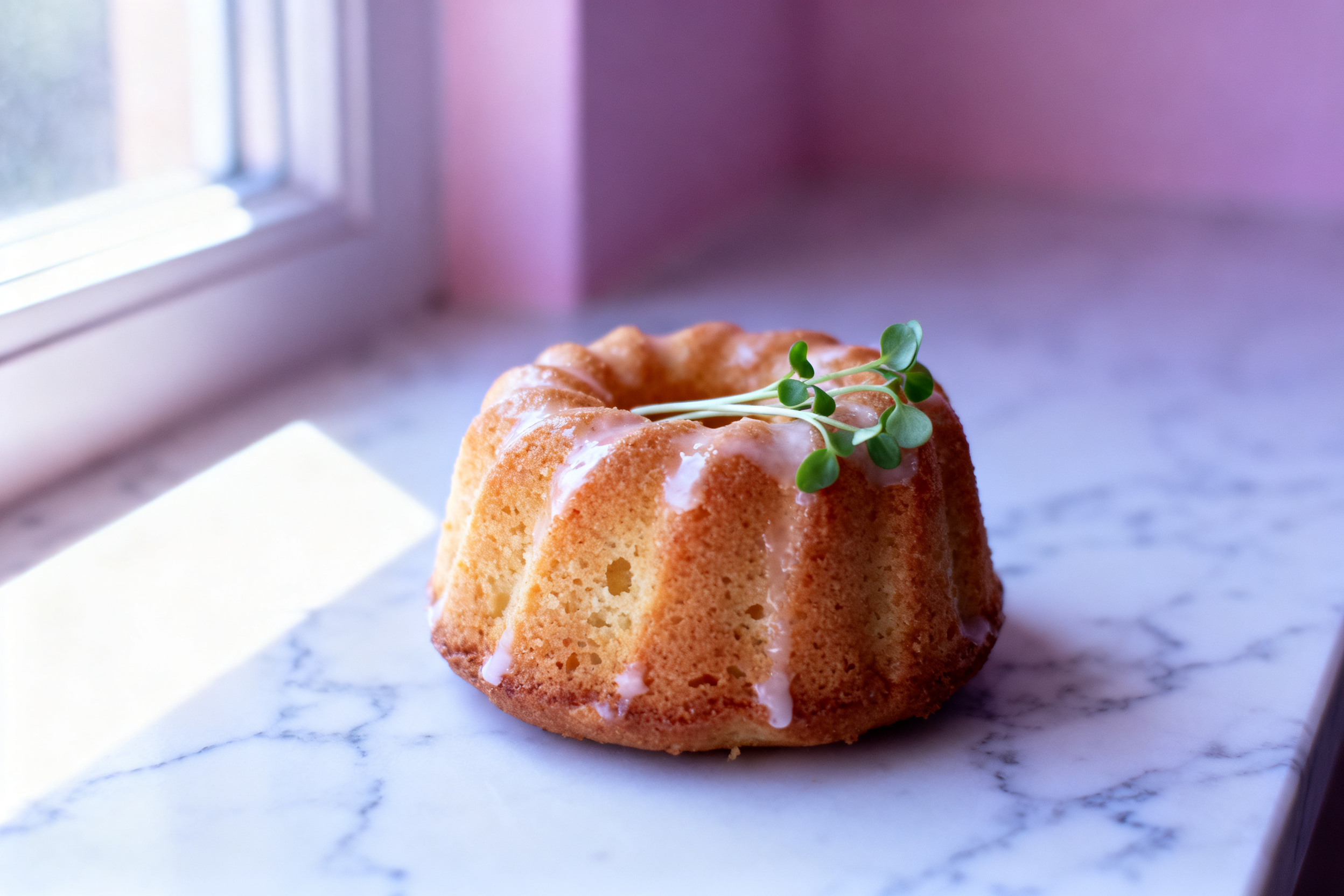
Wrap each cooled mini bundt tightly in plastic wrap, then place them in an airtight container. They stay perfectly moist at room temperature for up to four days.
For longer storage, freeze the unglazed cakes for up to three months. Wrap them in plastic wrap, then foil, and thaw overnight in the fridge before glazing and serving.
5. Serving suggestions
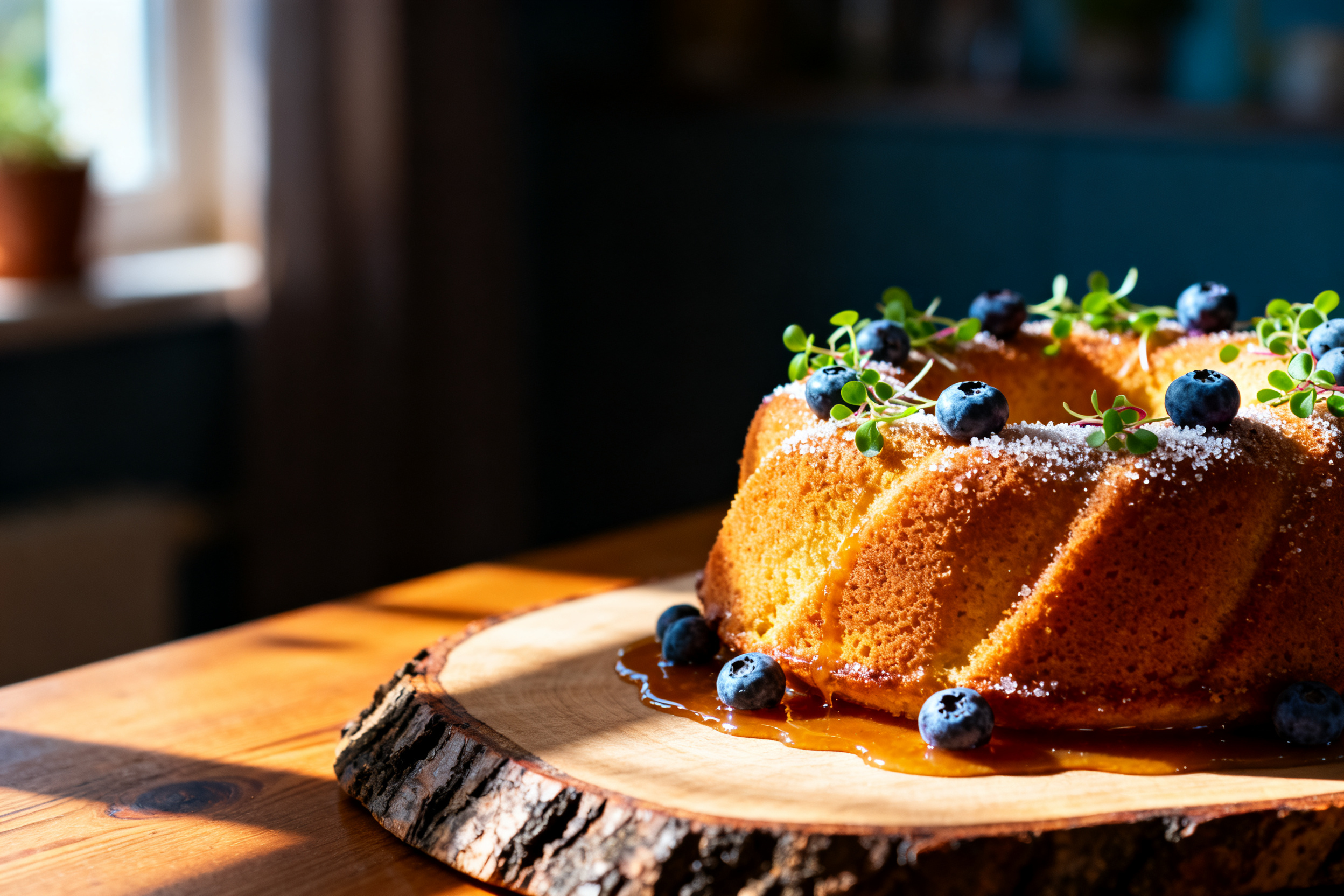
These mini bundt cake recipes shine with a simple dusting of powdered sugar or a drizzle of vanilla glaze. For a fancier presentation, add fresh berries and a dollop of whipped cream on the side.
They pair beautifully with coffee or tea for an afternoon treat. You can also serve them as individual desserts at dinner parties, and everyone gets their own perfect little cake.
A light lemon glaze or a dark chocolate ganache both work wonderfully. Pick your favorite and go with it.
6. Use your leftovers
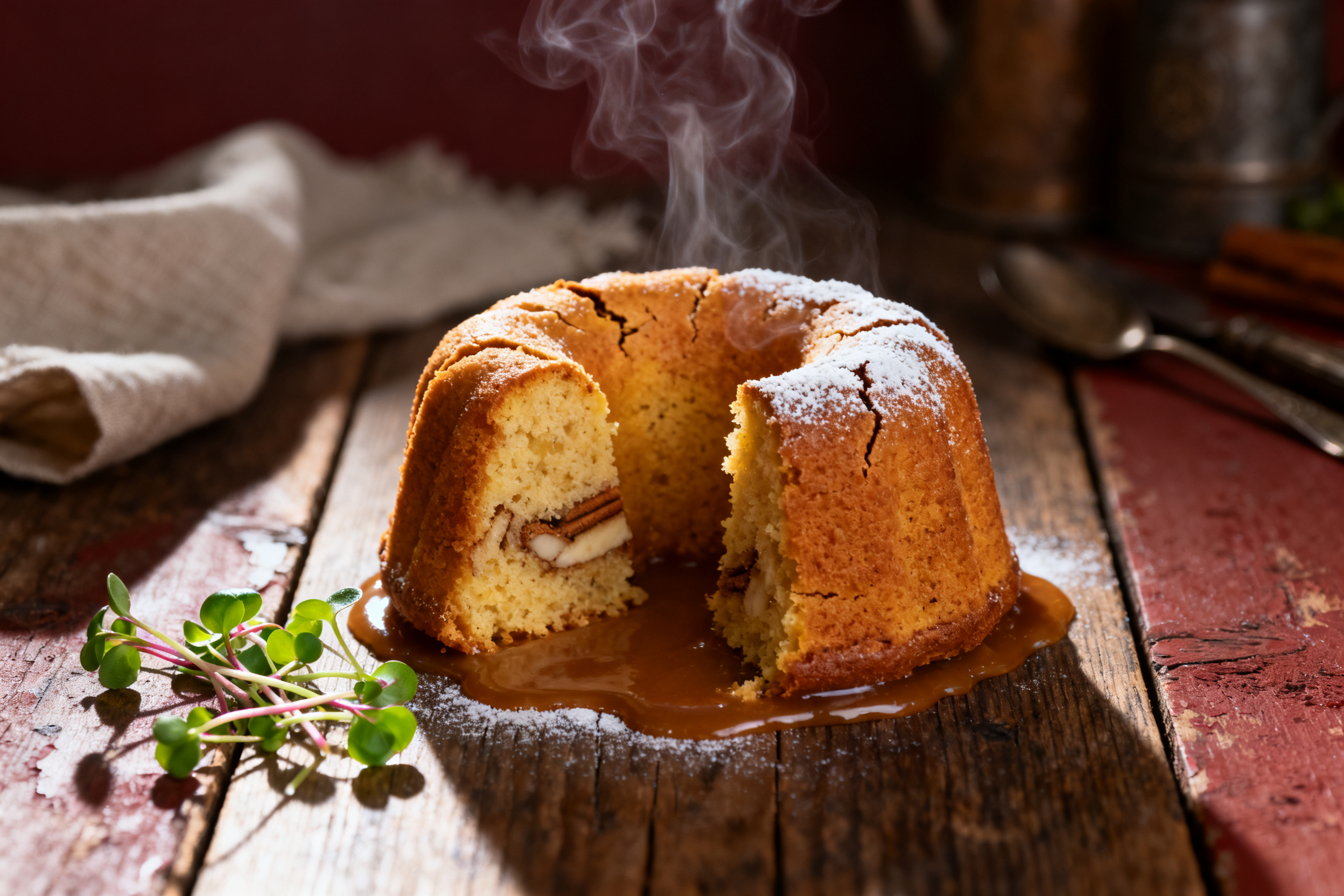
Crumble any leftover mini bundts over ice cream or yogurt for an instant crunch topping. It tastes like a fancy bakery sundae.
You can also cube the cake and toast the pieces in a skillet with a little butter. Serve them as a quick bread pudding base or just eat them warm as a snack.
7. Common mistakes & how to fix them
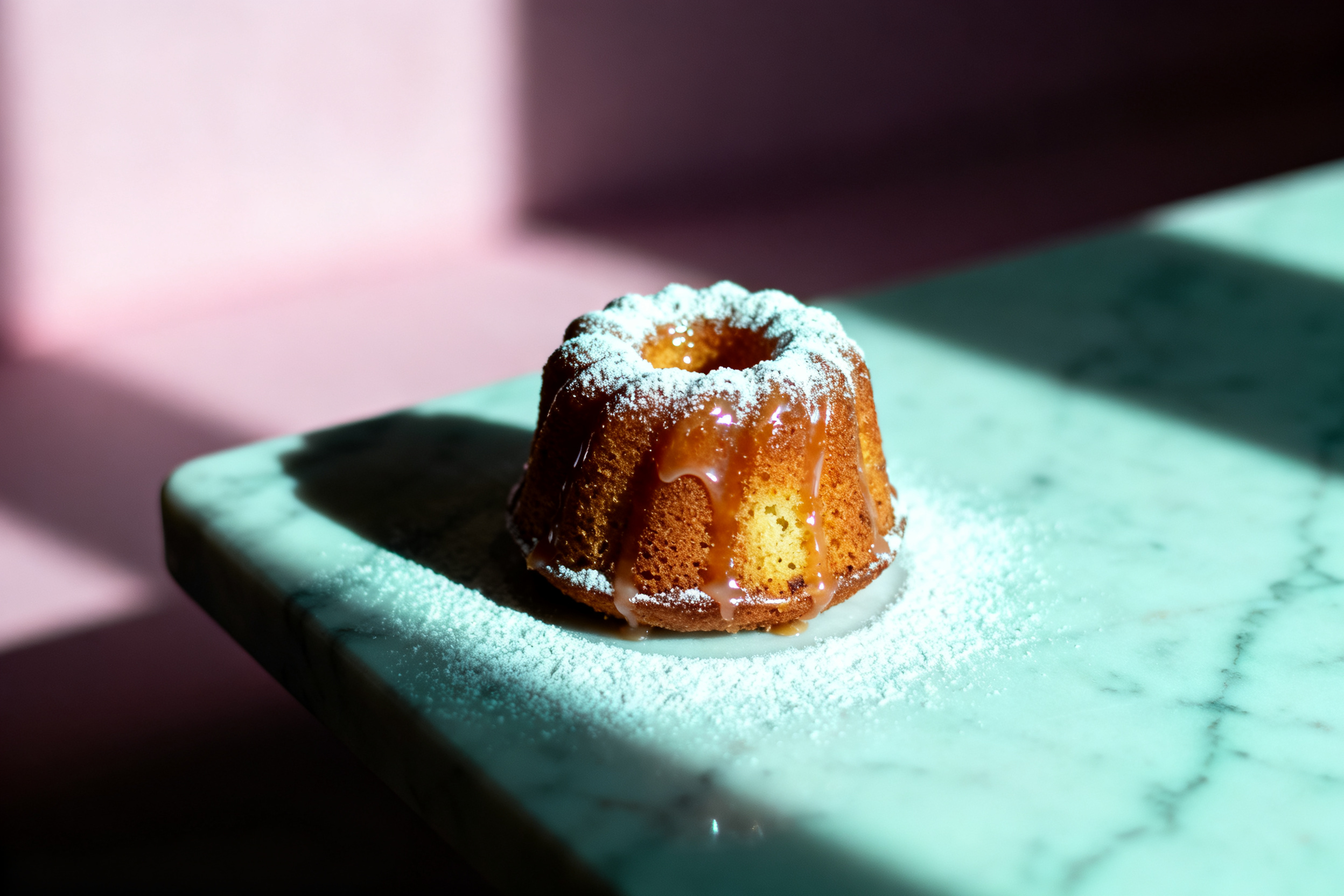
If your cakes stick to the pan, you likely did not grease the pan well enough or you tried to remove them too early. Next time, use a pastry brush to get every crevice with the baking spray.
If the cakes dome or crack on top, your oven temperature might be too high. Invest in an oven thermometer, because most ovens run hot or cold by a good twenty degrees.
A dry cake usually means you overbaked it. Start checking for doneness at the minimum baking time. A toothpick should come out with a few moist crumbs, not completely clean.
8. Variations by diet or flavor profile
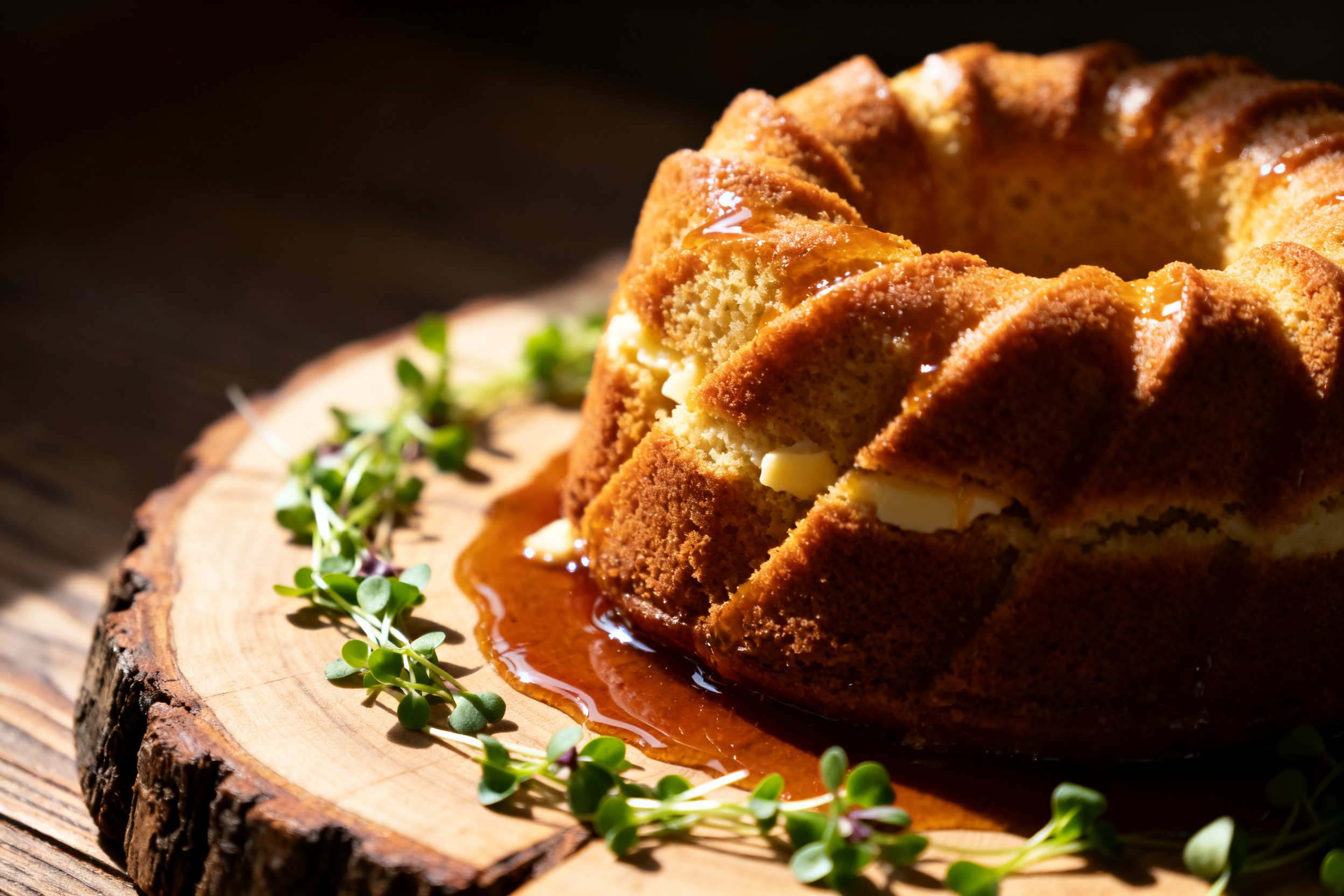
For a citrus version, add the zest of one lemon and one orange to the sugar, then rub it together with your fingers before mixing. Replace the vanilla with lemon extract for extra punch.
To make these mini bundt cake recipes chocolate, swap a quarter cup of flour for cocoa powder and add a half cup of mini chocolate chips. Reduce the vanilla to one teaspoon.
A vegan adaptation works beautifully with flax eggs, coconut oil, and oat milk. The cakes will be slightly denser but still wonderfully moist and tender.
9. Why this recipe works / The science
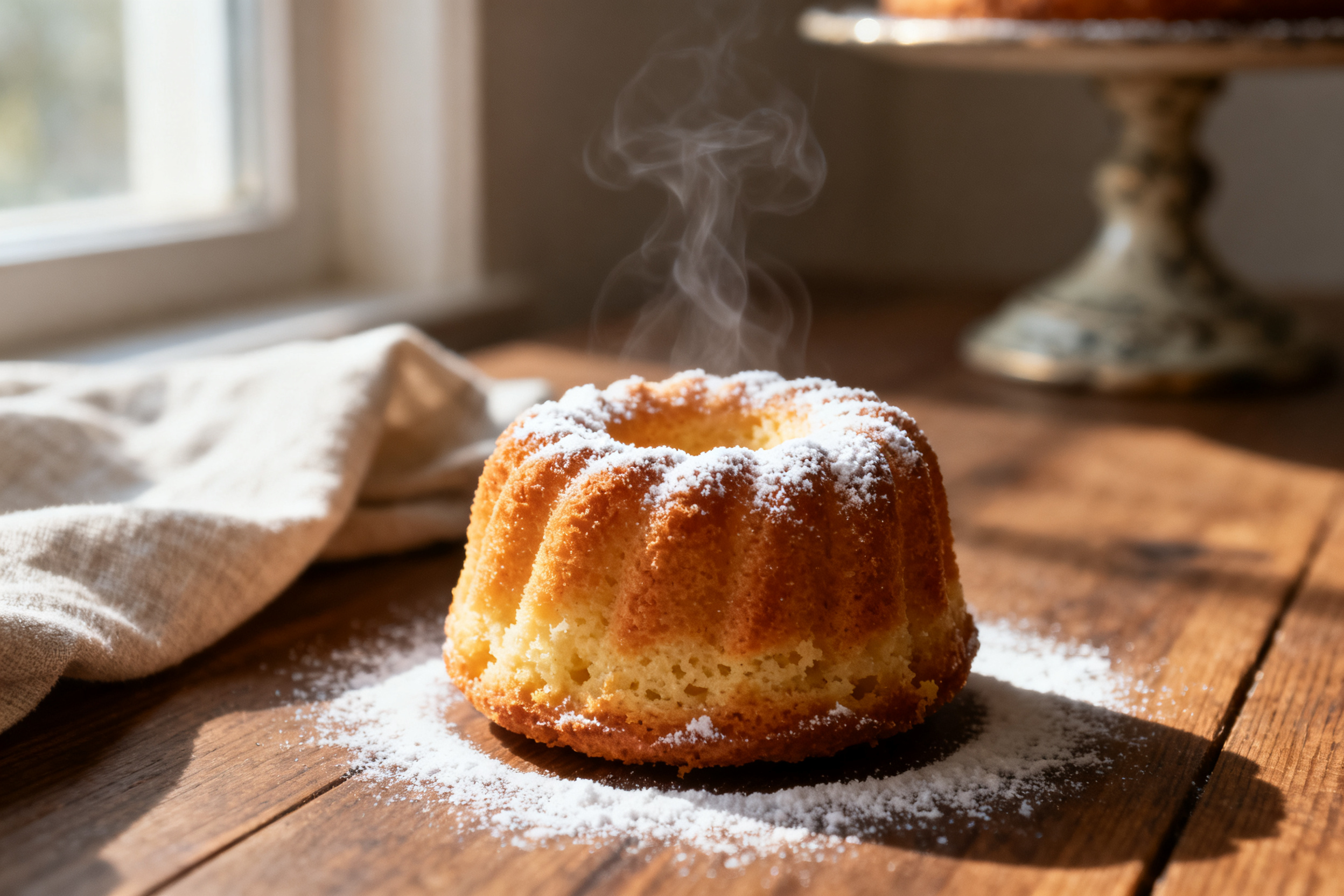
The buttermilk creates an acidic environment that tenderizes the gluten proteins. This gives you a soft, fine crumb that stays moist instead of drying out overnight.
Using cake flour instead of all-purpose flour lowers the protein content, which reduces gluten formation. Less gluten means a more delicate cake that holds onto moisture better.
The reverse creaming method, where you mix the dry ingredients with the butter first, coats the flour particles in fat. This prevents too much gluten from forming and keeps the cake incredibly tender.
10. Frequently Asked Questions
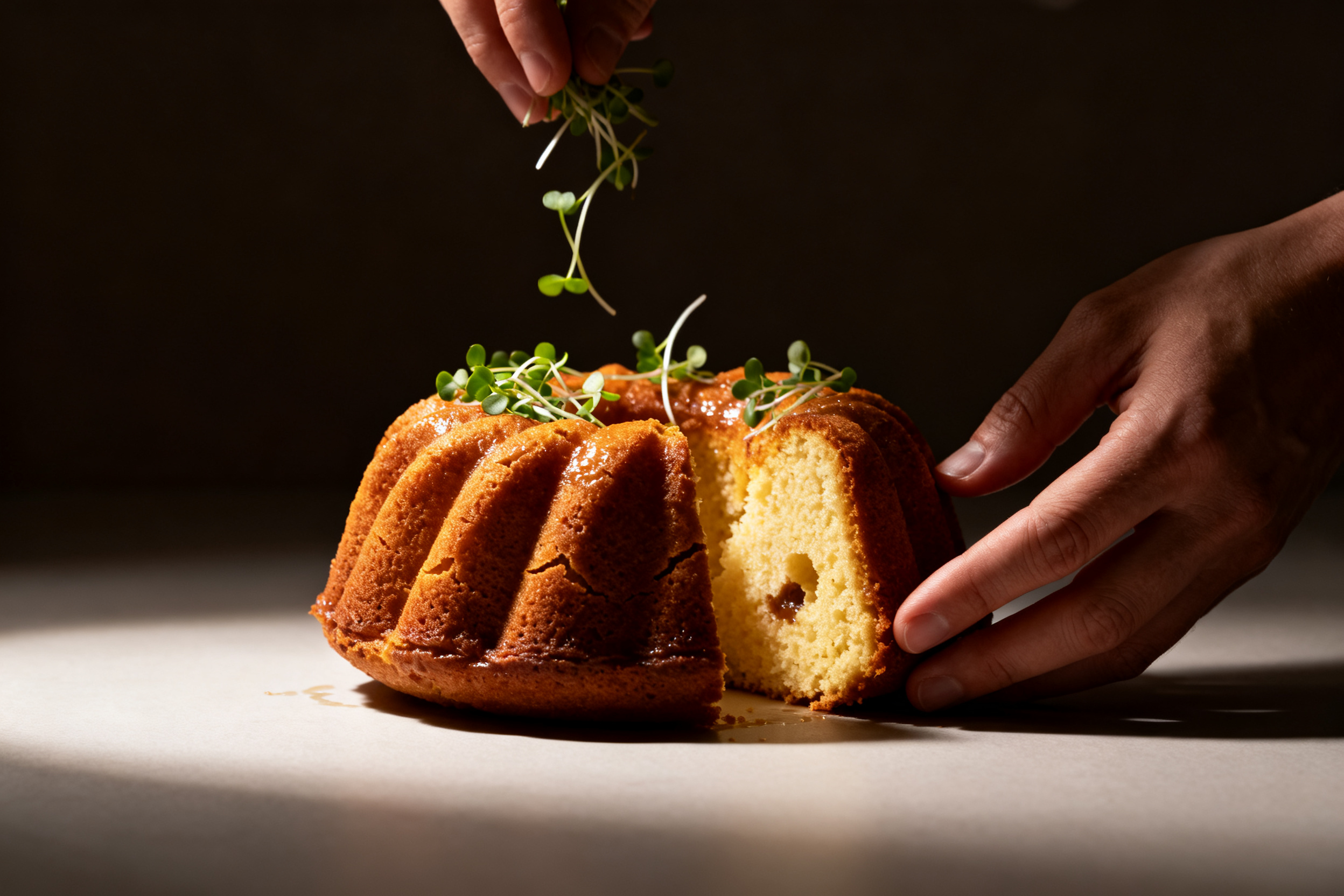
Can I use a regular bundt pan instead of mini pans? Yes, but you will need to increase the baking time to about forty-five minutes. Check for doneness with a toothpick starting at thirty-five minutes.
Why did my mini bundt cakes sink in the middle? This usually happens if the oven door is opened too early or if the batter was overmixed. Keep the oven closed for the first twenty minutes of baking.
Can I double this recipe? Absolutely. The recipe scales perfectly for a twelve-cavity mini bundt pan or two six-cavity pans. Just make sure you do not overfill the cavities, leaving a quarter inch of space at the top.
11. Call to action
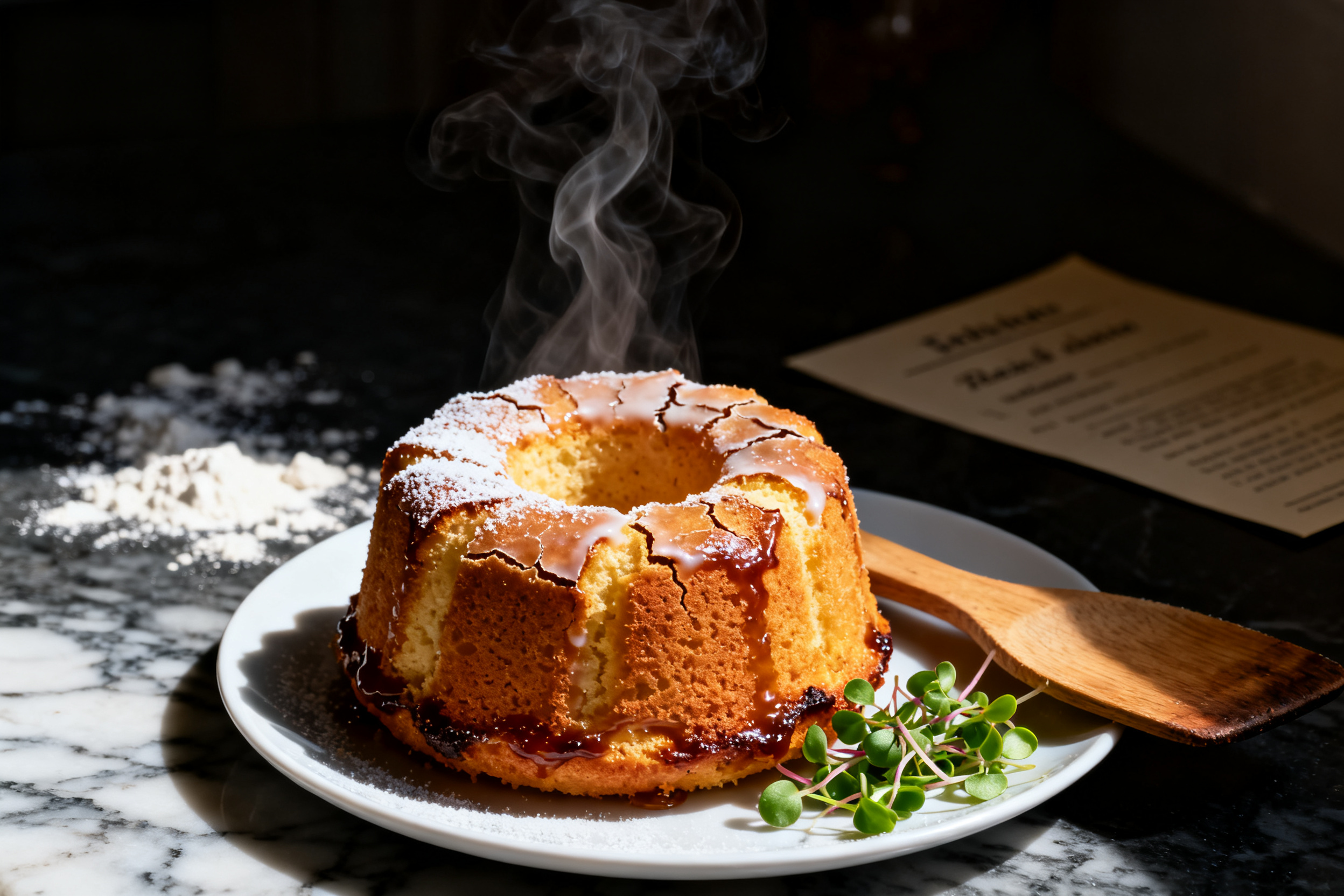
I would love to hear how these mini bundt cake recipes turn out for you. Drop a comment below and let me know which variation you tried first.
If you found this helpful, share it with a friend who loves baking but struggles with dry cakes. Do not forget to subscribe for more recipes that actually work every single time.
These mini bundt cakes have become my go-to for everything from birthday parties to lazy Sunday mornings. They are simple enough for a beginner but impressive enough for company, and they stay so moist that you will never worry about day-old cake again.
I hope you give them a try and fall in love with the process as much as I did. Happy baking, friend.
Classic Buttermilk Mini Bundt Cakes
Ingredients
- 1 1/2 cups 180g cake flour
- 1 teaspoon baking powder
- 1/4 teaspoon baking soda
- 1/2 teaspoon salt
- 1/2 cup 113g unsalted butter, softened
- 3/4 cup 150g granulated sugar
- 2 large eggs room temperature
- 1 teaspoon vanilla extract
- 1/2 cup 120ml buttermilk, room temperature
- Powdered sugar or vanilla glaze for serving
Instructions
- Preheat your oven to 350°F (175°C). Generously grease a 6-cavity mini bundt pan with baking spray containing flour.
- In a medium bowl, whisk together the cake flour, baking powder, baking soda, and salt. Set aside.
- In a large bowl, beat the softened butter and sugar together with an electric mixer on medium speed until light and fluffy, about 3 minutes.
- Add the eggs one at a time, beating well after each addition. Stir in the vanilla extract.
- With the mixer on low speed, add the flour mixture in three additions, alternating with the buttermilk. Begin and end with the flour mixture. Mix just until combined, do not overmix.
- Divide the batter evenly among the prepared mini bundt cavities, filling each about two-thirds full.
- Bake for 18 to 22 minutes, or until a toothpick inserted into the center comes out with a few moist crumbs.
- Let the cakes cool in the pan for exactly 10 minutes, then invert onto a wire rack to cool completely.
- Dust with powdered sugar or drizzle with a simple vanilla glaze before serving.
Notes
2. To make a lemon version, add the zest of 1 lemon to the sugar before creaming with butter.
3. Store leftover cakes wrapped tightly in plastic wrap at room temperature for up to 4 days.
4. Freeze unglazed cakes for up to 3 months. Thaw overnight in the refrigerator before glazing.
5. If using all-purpose flour instead of cake flour, reduce the amount to 1 1/4 cups and increase the butter by 1 tablespoon.