
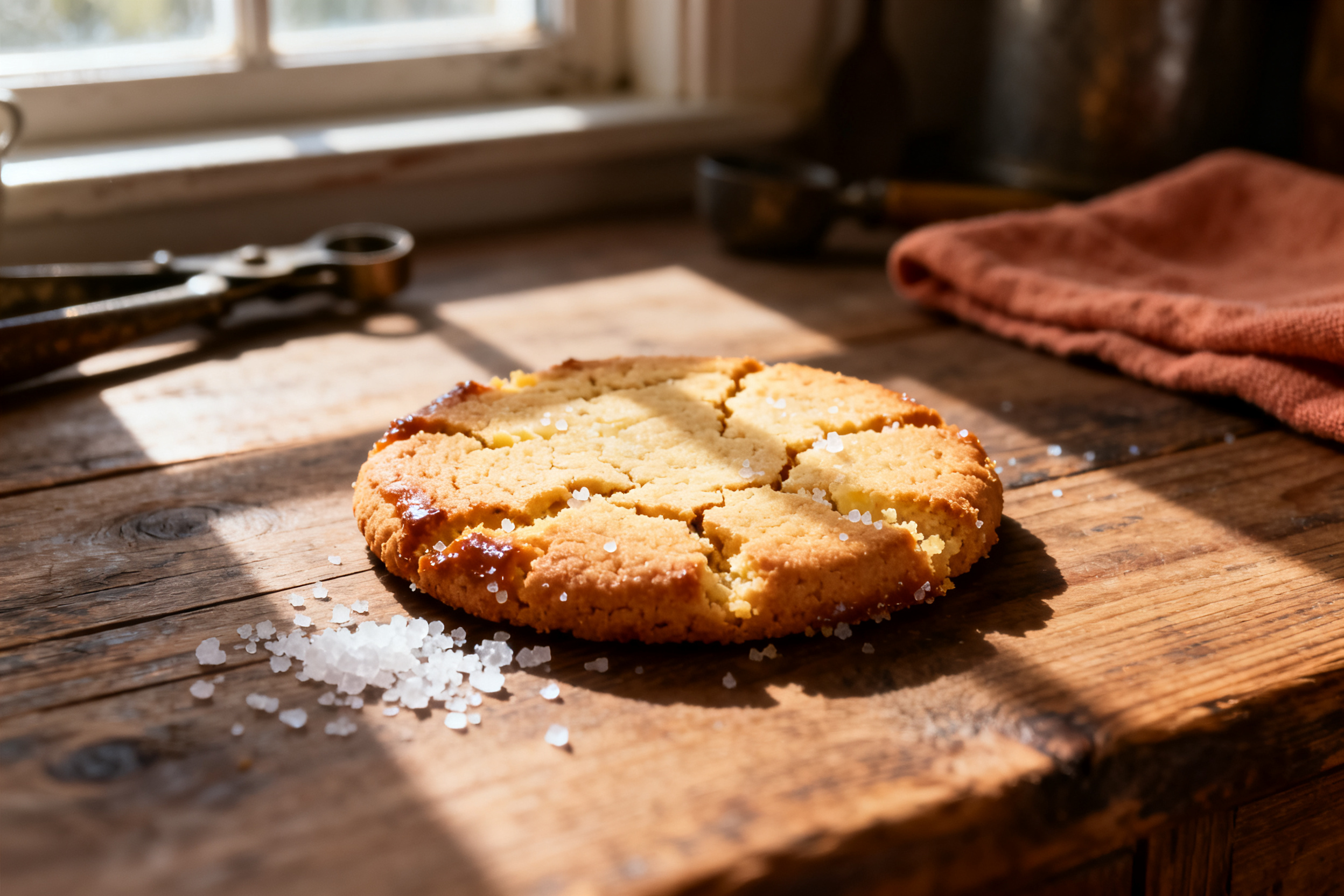
Let me guess. You have searched high and low for that perfect shortbread. You want something that shatters when you bite into it but melts on your tongue. I have been there, and I have burned through a lot of butter to find the answer.
This is not just any shortbread. This is the recipe that finally made my Scottish grandmother nod in approval. It hits that magical sweet spot between crumbly and tender, and it uses only four ingredients.
You might think shortbread is too simple to mess up. Oh, how wrong that is. I have made bricks, I have made puddles of butter, and I have made cookies that tasted like flour paste. This version fixes all of that.
Allergens
This recipe contains gluten (from all-purpose flour) and dairy (from butter). It also contains wheat as the primary grain. If you have celiac disease or a severe gluten intolerance, skip this one unless you use a quality 1:1 gluten-free flour blend.
The butter is non-negotiable for the classic flavor. However, you can use a high-quality vegan butter stick (not the spreadable tub kind) to make it dairy-free. Just know the texture will be slightly different.
There are no eggs, nuts, or soy in the standard recipe. Always check your specific brand of butter and vanilla for hidden allergens.
Ingredient notes & substitutions
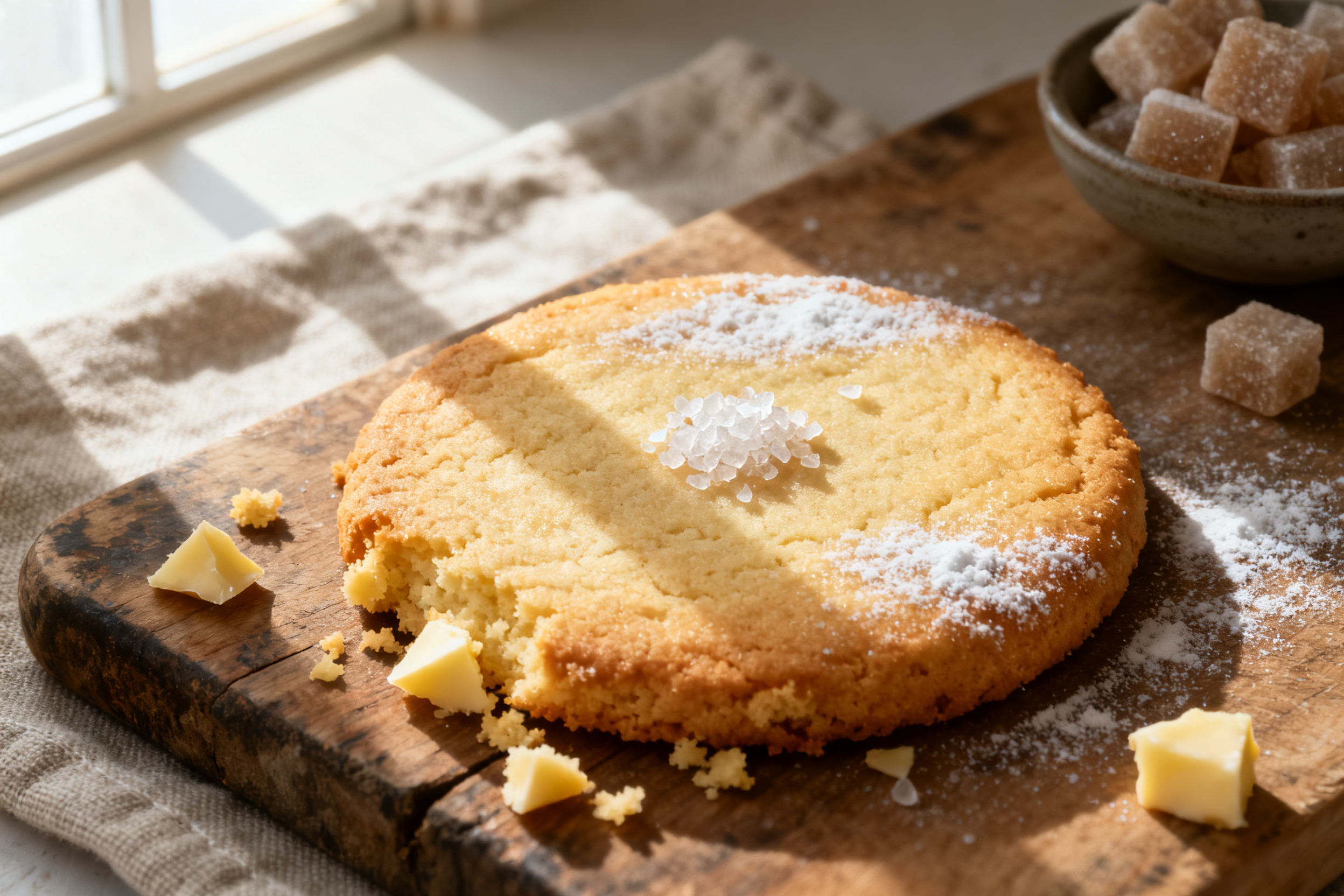
Use unsalted butter here. Salted butter has varying salt levels, and you want control over the final taste. Let it soften to room temperature, but not so soft it is greasy.
I use granulated sugar for the dough and a sprinkle of coarse sugar on top. You can swap in powdered sugar for a more melt-in-your-mouth texture, but the dough will be a bit stickier.
For the flour, all-purpose is perfect. Do not use bread flour or cake flour unless you are experimenting. Bread flour makes it tough, and cake flour makes it too delicate.
Storage & make-ahead (fridge/freezer)
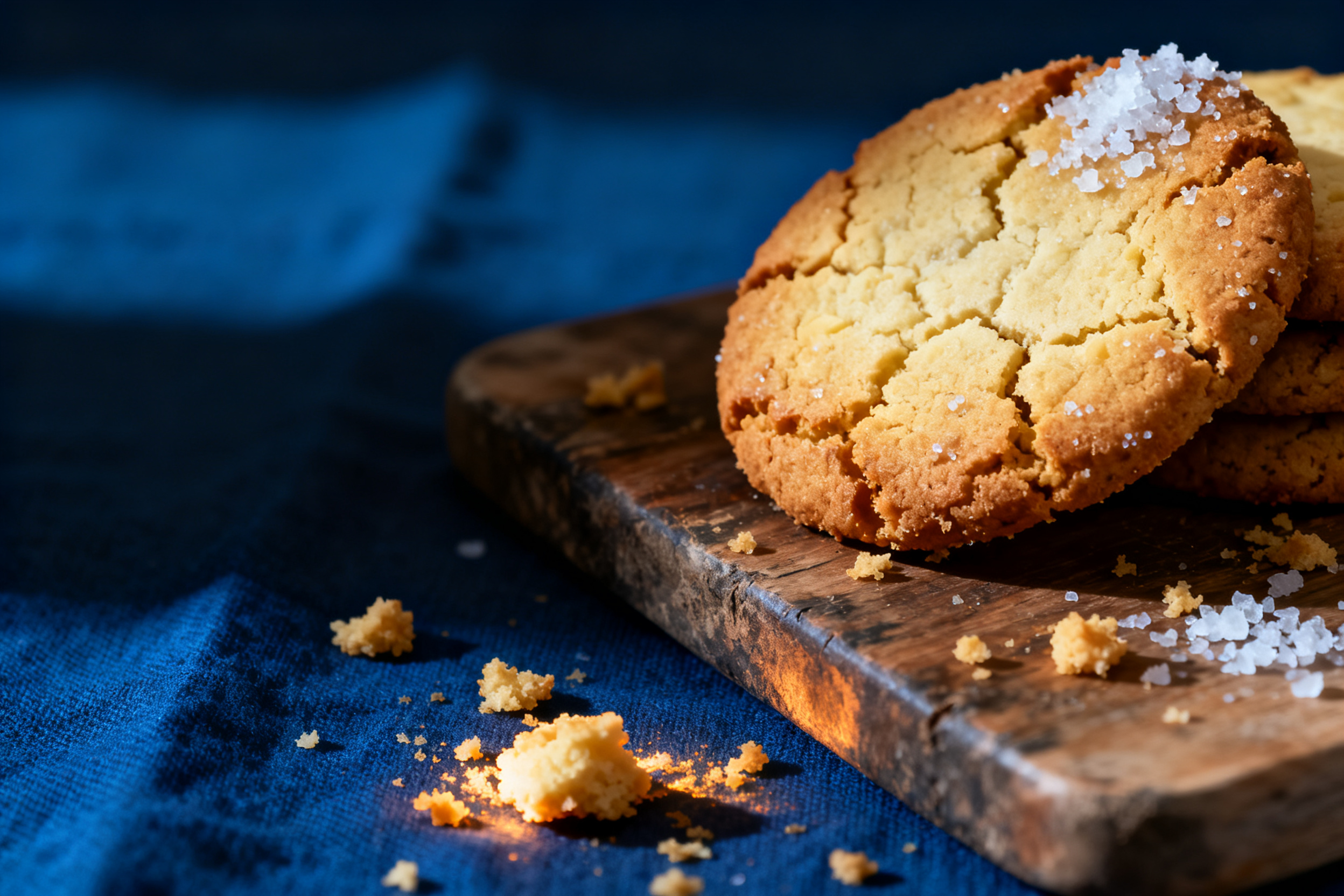
Store baked shortbread in an airtight container at room temperature for up to two weeks. I know they will not last that long, but you can pretend.
You can freeze the unbaked dough. Shape it into a log, wrap it tightly in plastic wrap, and freeze for up to three months. Slice and bake straight from frozen, adding a minute or two to the bake time.
Baked cookies freeze beautifully too. Layer them with parchment paper in a freezer-safe container. Thaw at room temperature for about 15 minutes.
Serving suggestions (complete the meal)
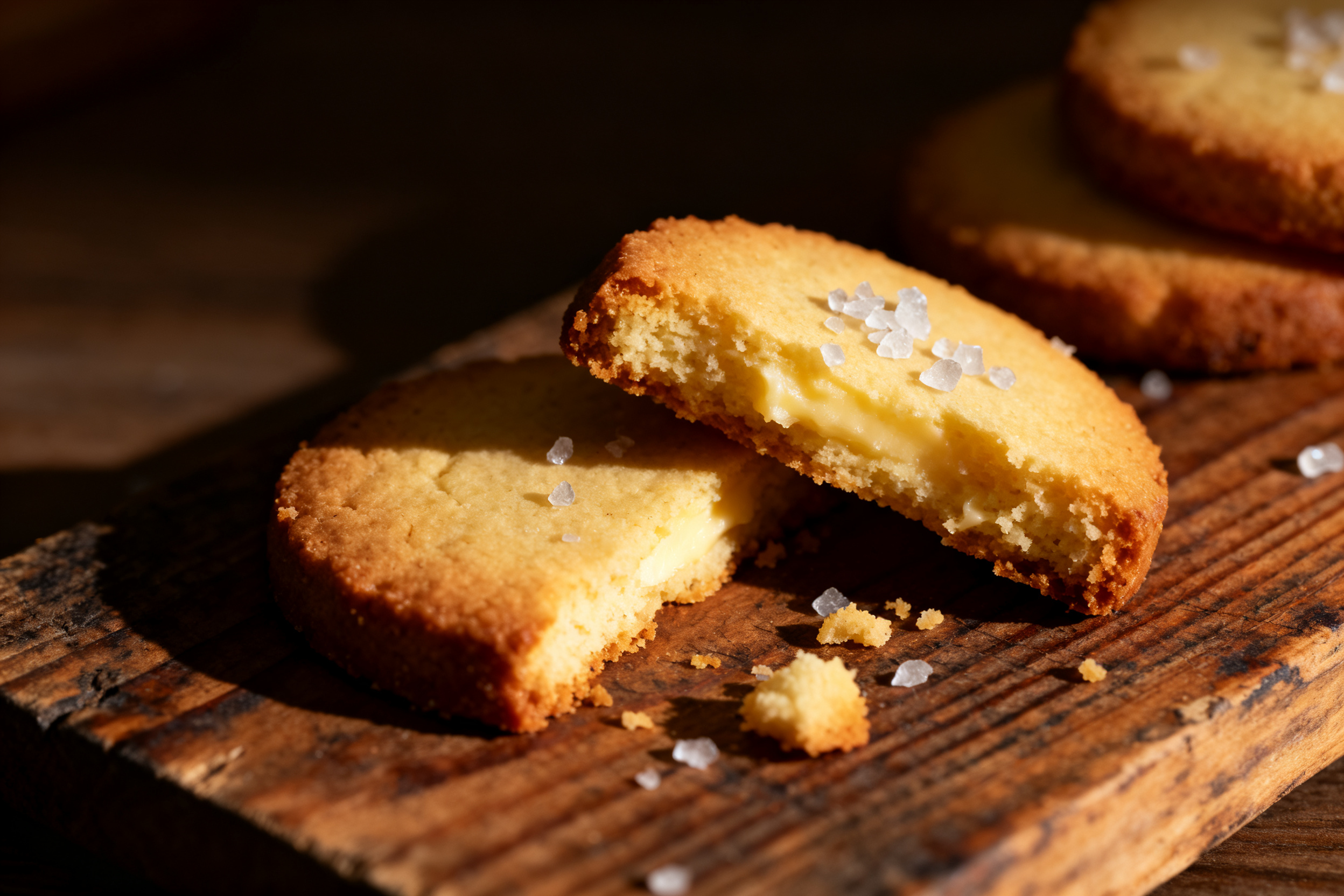
Shortbread is a solo star. Serve it with a cup of strong black tea or a dark espresso. The bitterness balances the sweetness perfectly.
Dip it in melted dark chocolate and sprinkle with sea salt for an instant upgrade. It also crumbles beautifully over vanilla ice cream or poached fruit.
For a holiday platter, pair it with spiced nuts and dried apricots. It makes a great hostess gift wrapped in a little cellophane bag with a ribbon.
Use your leftovers (reduce waste)
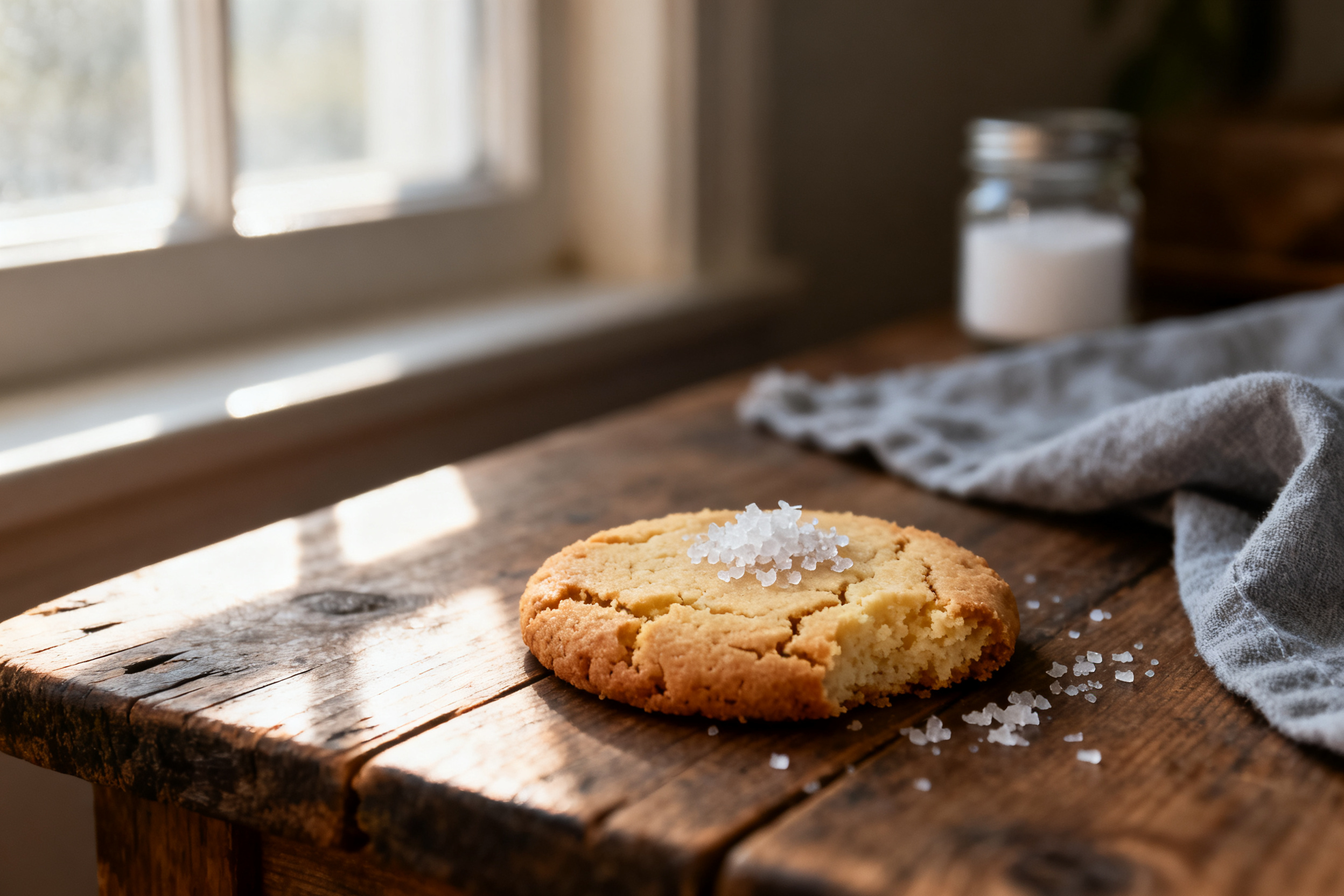
Crush leftover shortbread into crumbs. Use them as a topping for yogurt, oatmeal, or a fruit crumble. They also make an excellent pie crust.
You can grind the crumbs into a fine powder and mix them into buttercream frosting. It adds a subtle buttery flavor and a little texture.
If you have only a few cookies left, warm them in the microwave for 10 seconds. They become soft and almost cake-like, which is a completely different but delicious experience.
Common mistakes & how to fix them
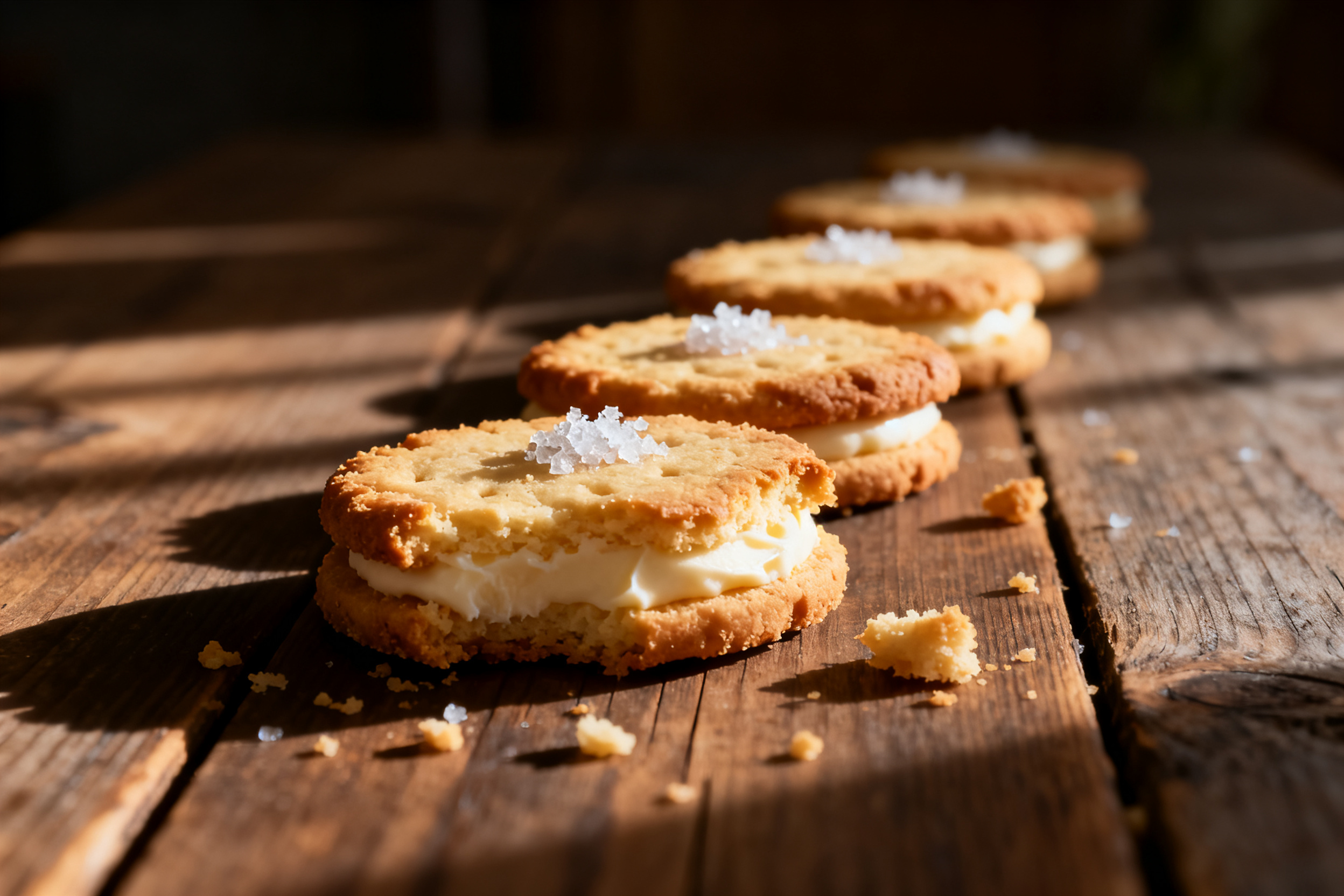
If your shortbread spreads into a flat puddle, your butter was too soft or your dough was not chilled enough. Next time, chill the dough for a full hour.
If it is dry and crumbly to the point of falling apart, you added too much flour or overbaked it. Measure your flour by spooning it into the cup and leveling it off.
If it tastes bland, you forgot the salt. Salt is not just for savory food; it amplifies the butter flavor in shortbread. Add a pinch of flaky sea salt on top before baking.
Variations by diet or flavor profile
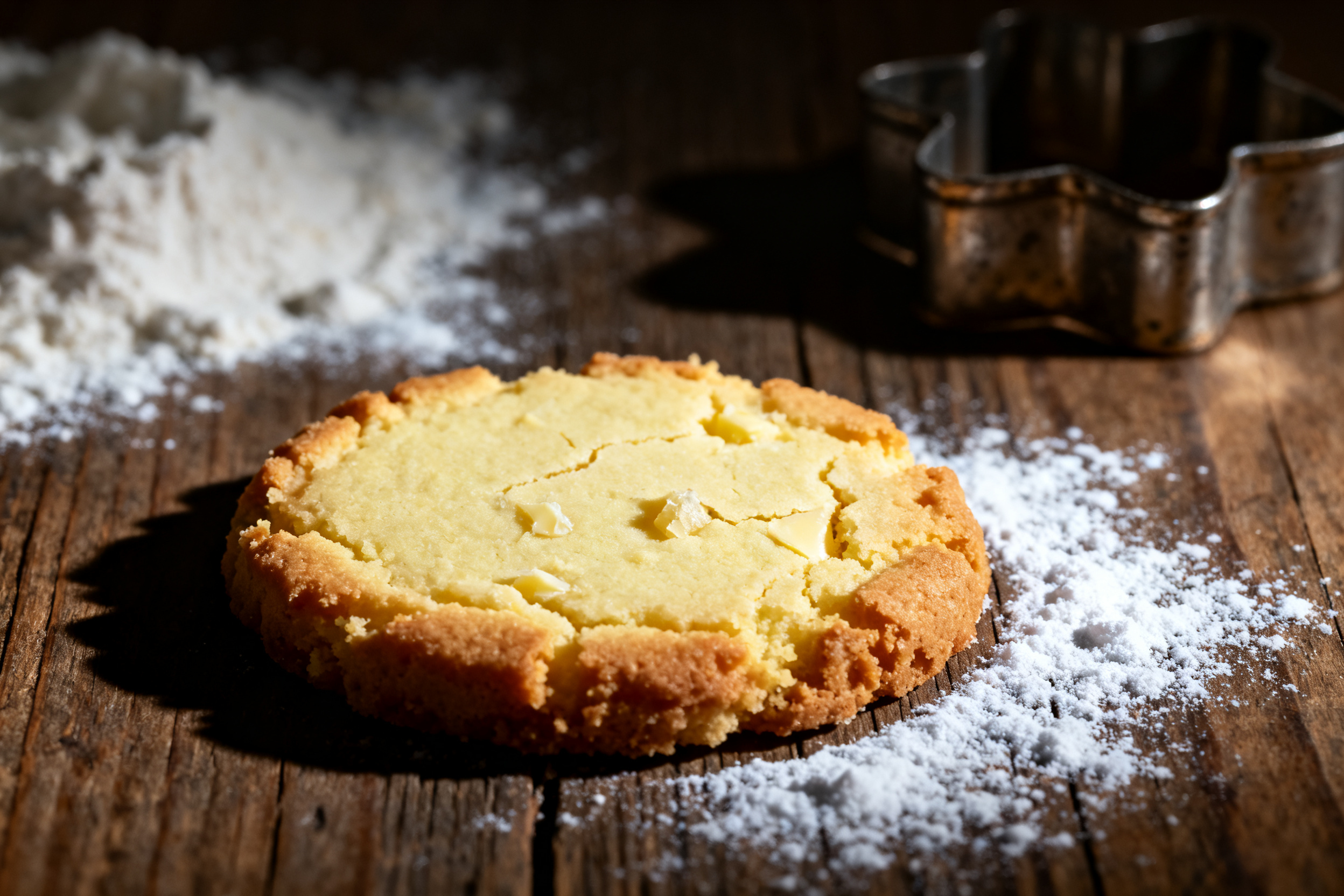
For a vegan version, use a block-style vegan butter and a tablespoon of cornstarch. The cornstarch helps mimic the tenderness of dairy butter.
For citrus shortbread, add the zest of one lemon or orange to the sugar before creaming. Rub the zest into the sugar with your fingers to release the oils.
For chocolate shortbread, replace 2 tablespoons of flour with unsweetened cocoa powder. Add a handful of mini chocolate chips for extra indulgence.
Why this recipe works / The science
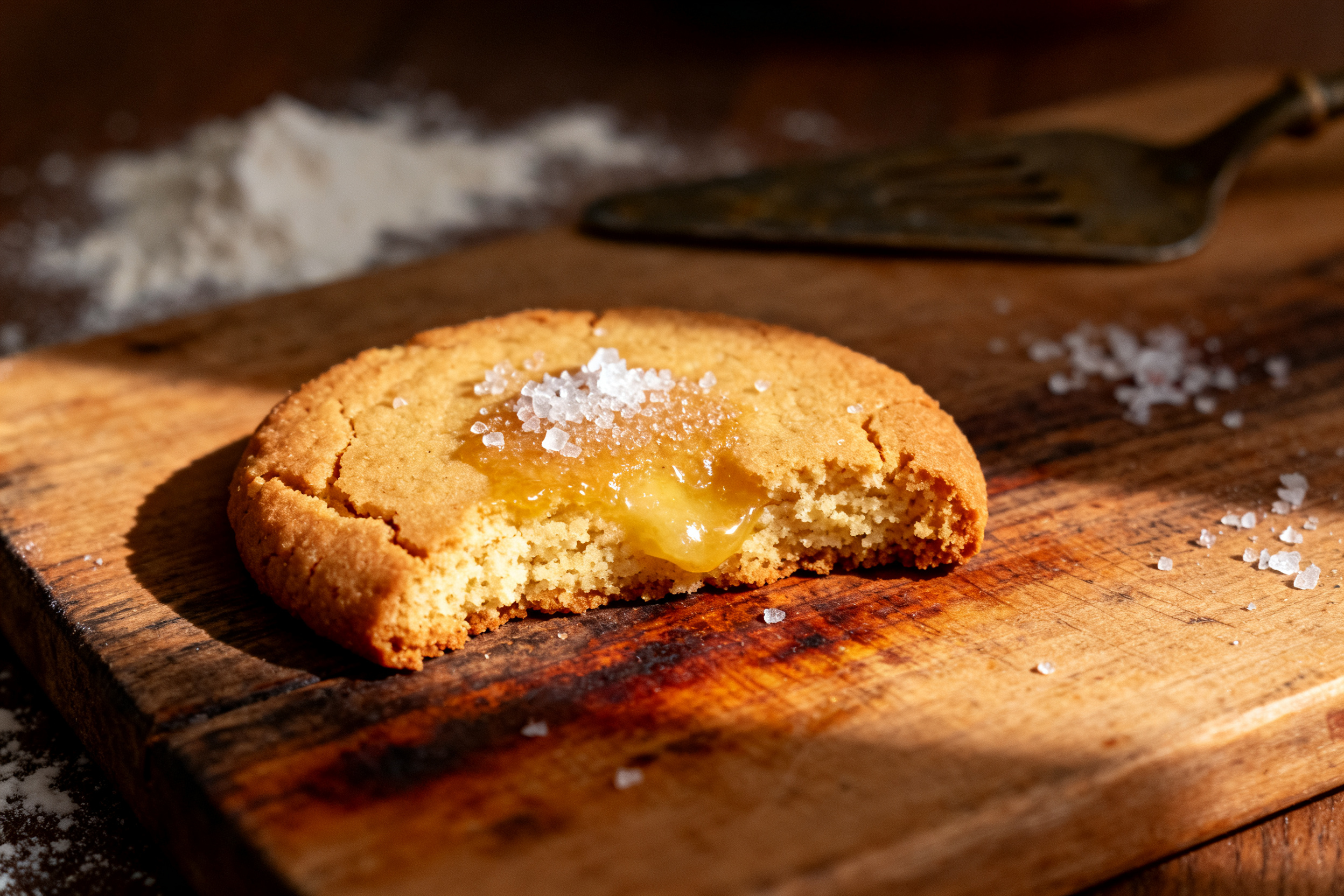
The ratio here is the classic 1:2:3 by weight. That is one part sugar, two parts butter, and three parts flour. This ratio guarantees the perfect crumbly yet tender texture every time.
Using cold butter that is just softened (not melted) creates tiny pockets of steam in the oven. Those steam pockets create the delicate, sandy crumb you want.
The lack of eggs or leavening agents means the cookies do not puff up. They stay dense and rich, which is exactly what shortbread should be.
Frequently Asked Questions (FAQ)
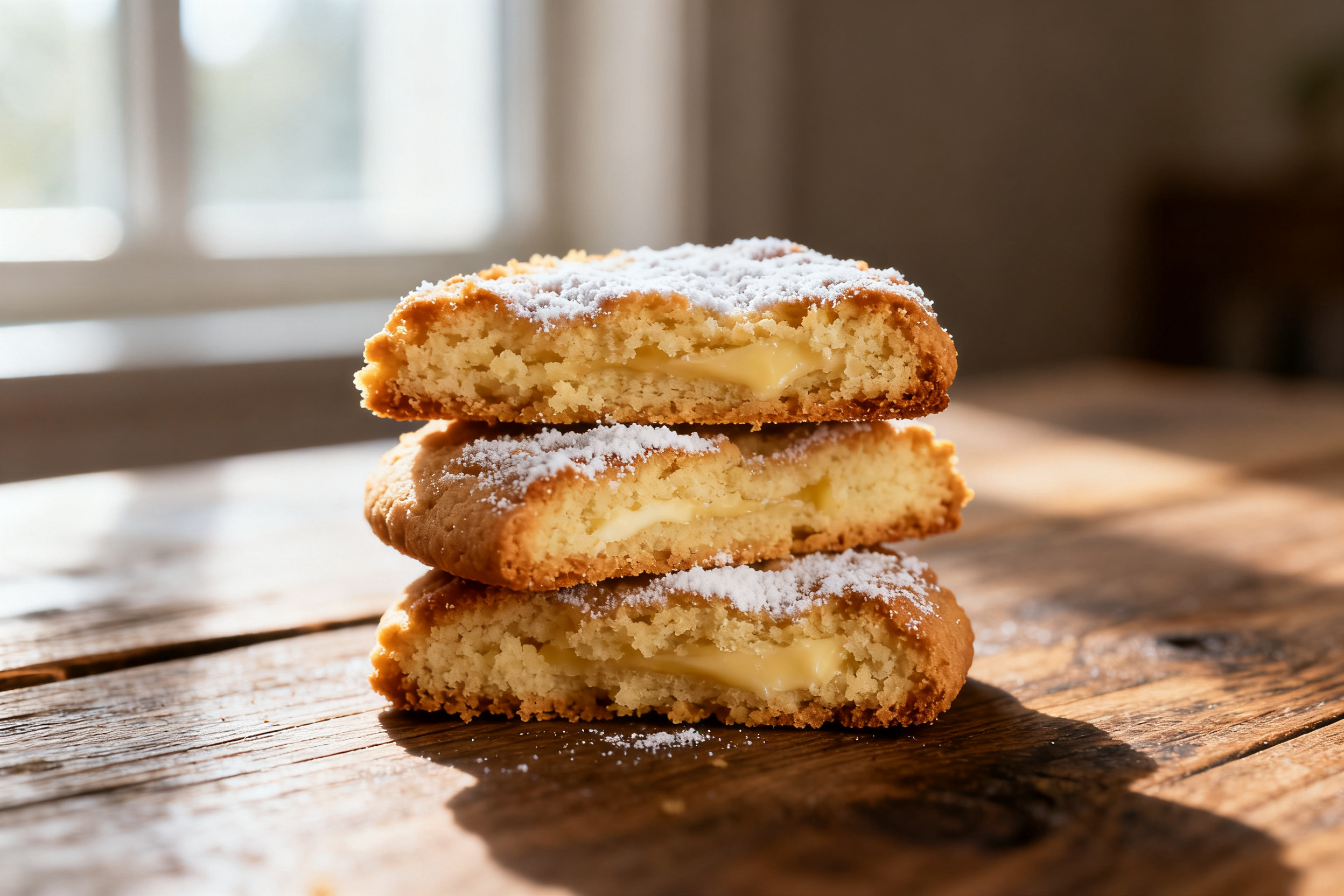
Can I use salted butter and skip the added salt? Yes, but reduce the salt in the recipe to zero. The final result will be slightly saltier, which some people love.
Why did my shortbread turn brown on the bottom? Your oven rack was too low, or the baking sheet was too dark. Use a light-colored baking sheet and place it on the middle rack.
Can I double this recipe? Absolutely. It scales perfectly. Just make sure your mixer can handle the volume, or mix by hand.
Call to action (comment, share, subscribe)
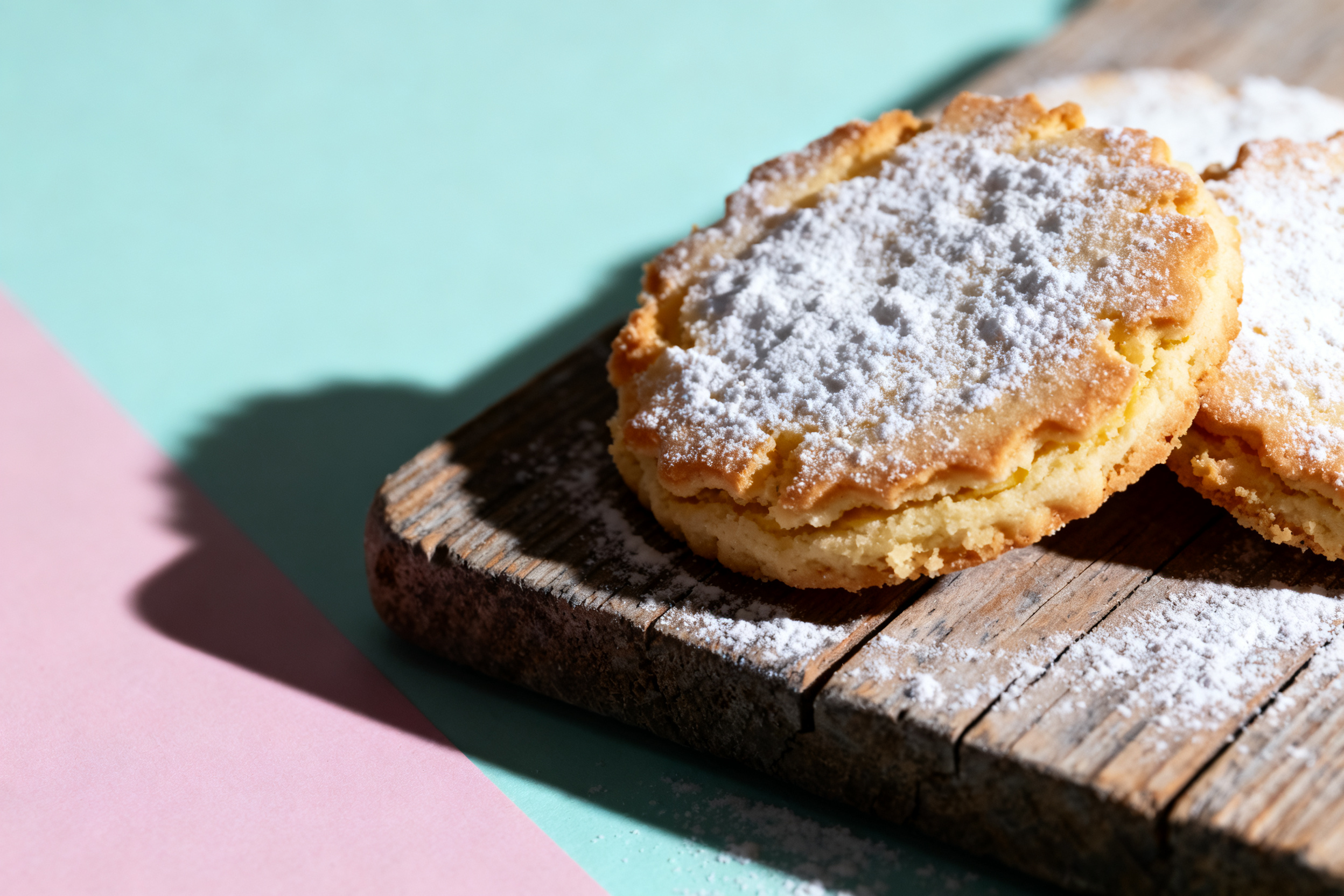
I want to hear about your shortbread adventures. Did you add chocolate chips? Did you dip them in tea and cry happy tears? Drop a comment below and tell me all about it.
If you loved this recipe, share it with a friend who needs a little buttery joy in their life. And do not forget to subscribe to the newsletter so you never miss a new recipe.
Happy baking, and may your cookies always be crumbly.
This shortbread recipe is proof that simple ingredients can create something truly special. It is buttery, it is tender, and it crumbles in the most satisfying way. Whether you are baking for a holiday, a tea party, or just a Tuesday, this is the recipe you will come back to again and again.
I have made this batch after batch, and it never fails to disappear. That is the mark of a truly great recipe. Now go preheat your oven and make some magic.
Do not forget to pin this recipe for later and tag me in your photos. I love seeing your baking wins.
Crumbly Yet Tender Shortbread Cookies Recipe
Ingredients
- 1 cup 226 g unsalted butter, softened to room temperature
- 1/2 cup 100 g granulated sugar
- 2 cups 250 g all-purpose flour
- 1/4 teaspoon salt
- 1 teaspoon vanilla extract optional
- 1 tablespoon coarse sugar for sprinkling, optional
Instructions
- In a large bowl, beat the softened butter and granulated sugar together with an electric mixer on medium speed until light and fluffy, about 2 minutes. Scrape down the sides.
- Add the vanilla extract (if using) and beat until combined.
- In a separate bowl, whisk together the flour and salt. Gradually add the dry ingredients to the butter mixture, mixing on low speed until just combined. Do not overmix.
- Turn the dough out onto a lightly floured surface. Shape it into a log about 2 inches in diameter. Wrap tightly in plastic wrap and refrigerate for at least 30 minutes, or up to 2 days.
- Preheat your oven to 350°F (175°C). Line a baking sheet with parchment paper.
- Slice the chilled dough into 1/4-inch thick rounds. Place them about 1 inch apart on the prepared baking sheet. Sprinkle the tops with coarse sugar, if desired.
- Bake for 10 to 12 minutes, or until the edges are just barely golden. The centers will look pale and dry.
- Let the cookies cool on the baking sheet for 5 minutes, then transfer them to a wire rack to cool completely. They will firm up as they cool.
Notes
2. To make chocolate shortbread, replace 2 tablespoons of flour with unsweetened cocoa powder.
3. Store baked cookies in an airtight container at room temperature for up to 2 weeks.
4. Freeze unbaked dough logs for up to 3 months.
5. For a vegan version, use a block-style vegan butter (not tub spread) and ensure your sugar is vegan-friendly.
6. Do not overmix the dough.
7. Stop as soon as it comes together.
8. Overworking develops gluten, and that turns your shortbread into a hockey puck.
9. Chill the shaped dough for at least 30 minutes before baking.
10. This prevents spreading and gives you those clean, sharp edges.
11. Bake until the edges are just barely golden.
12. The center should look pale and dry.
13. It will continue to firm up as it cools.