

You know that moment when you’re staring at a tub of canned frosting in the grocery aisle, and your soul just sighs? Yeah, me too. That sugary, waxy mess has fooled us all at least once. But here’s the thing – making your own cookie frosting is laughably easy, and I promise it tastes ten times better.
This cookie frosting recipe is about to become your new best friend. It’s silky, creamy, and actually tastes like real butter and vanilla. No weird aftertaste, no plastic-y texture. Just pure, homemade goodness that spreads like a dream on any cookie.
And the best part? You probably already have everything in your pantry. So let’s ditch the can and whip up something that actually deserves to be on your cookies.
1. Allergens

This recipe contains dairy (butter, milk) and eggs (if using egg whites). For a dairy-free version, swap in vegan butter and plant-based milk. It’s also naturally gluten-free, so celiac friends can dig in without worry.
2. Ingredient notes & substitutions

Let’s talk butter. Use unsalted butter – you control the salt. If you only have salted, cut back on any added salt by half. Room temperature butter is non-negotiable. Cold butter won’t cream properly and you’ll get lumpy frosting.
Powdered sugar is the backbone here. Sift it first unless you enjoy crunchy frosting from clumps. I use organic powdered sugar because it doesn’t have that weird cornstarch aftertaste, but any works.
Vanilla extract – go for the real stuff, not imitation. It makes a noticeable difference. If you’re feeling fancy, scrape a vanilla bean pod into the butter.
Milk or cream? Whole milk or heavy cream gives the richest texture. But 2% or even oat milk works in a pinch. Add it one tablespoon at a time until you reach your desired consistency.
3. Pro tips
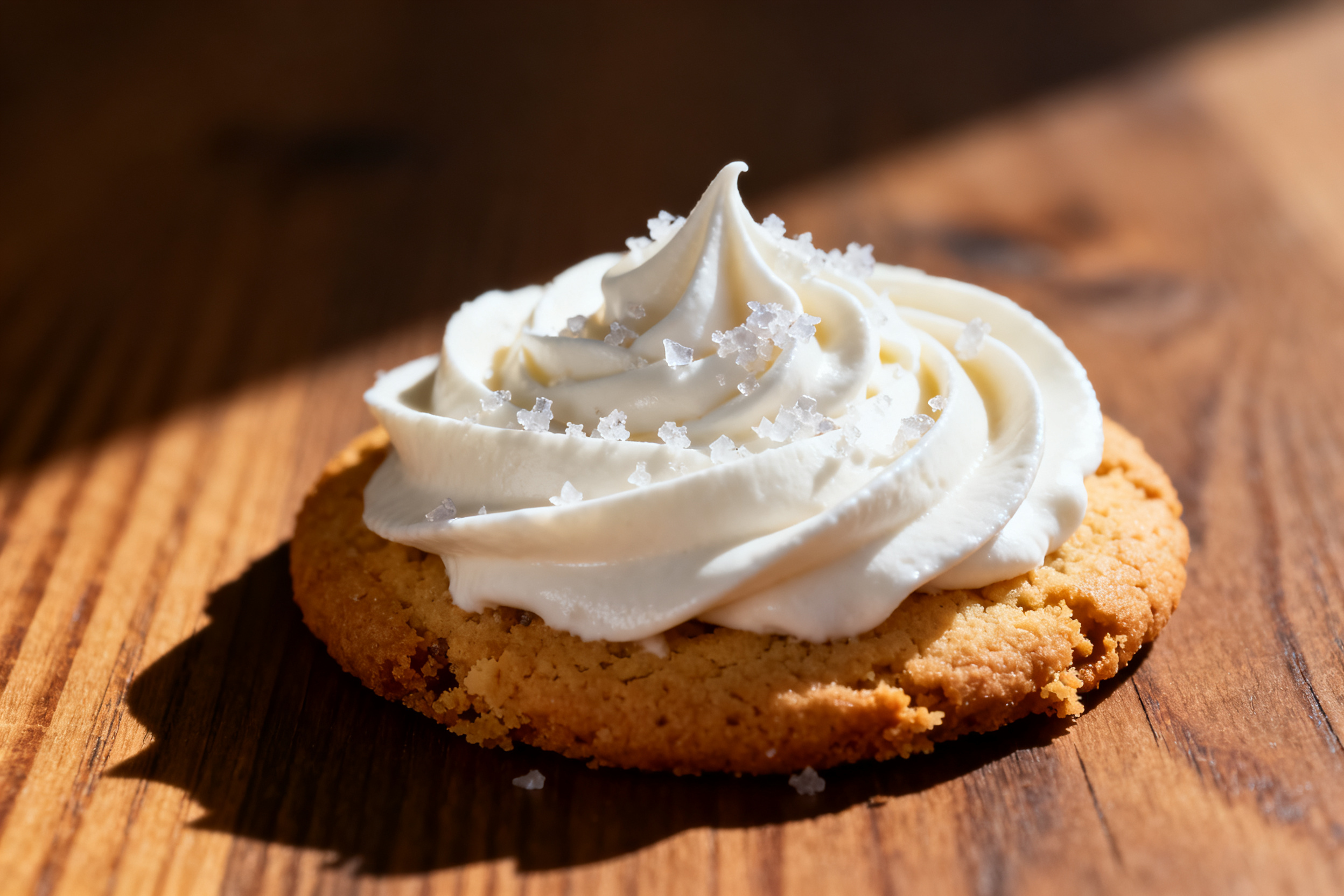
Whip the butter alone for 2 minutes first before adding sugar. This aerates it and makes the frosting light and fluffy. Don’t skip this step – it’s the secret to that cloud-like texture.
If your frosting is too thick, add milk a teaspoon at a time. Too thin? Add more powdered sugar, one tablespoon at a time. Patience is your friend here.
4. Storage & make-ahead
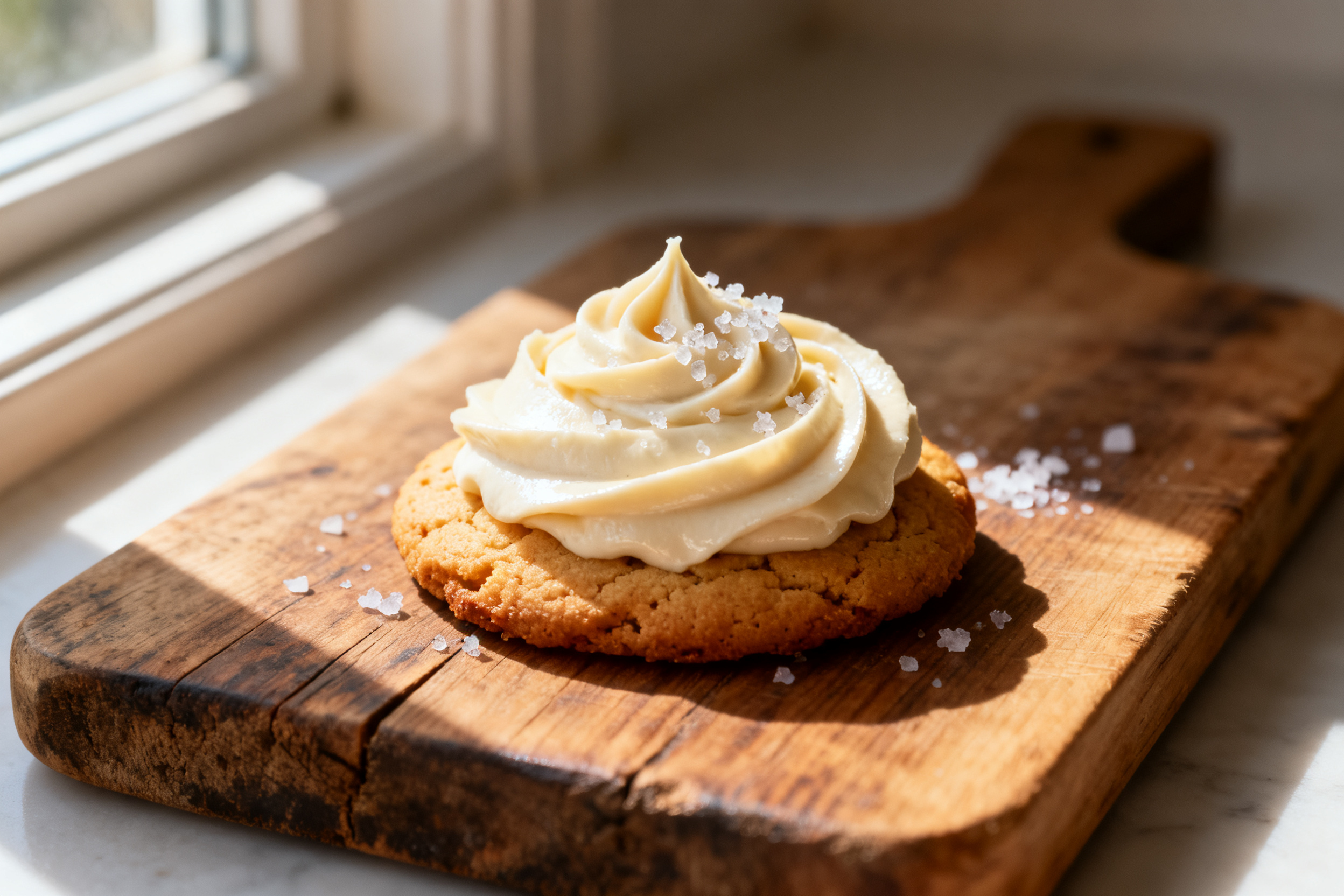
This frosting keeps beautifully. Store it in an airtight container in the fridge for up to 1 week. Let it come to room temperature and give it a quick whip before using.
You can also freeze it for up to 3 months. Spoon it into a zip-top bag, squeeze out the air, and freeze flat. Thaw overnight in the fridge, then re-whip.
If you’re making it ahead for a party, do it the day before. The flavors actually meld and get even better overnight. Just give it a good stir before spreading.
Leftover frosting? Pipe it onto parchment paper in little rosettes and freeze. Pop them off and store in a bag – instant decoration for future cookies.
One warning: don’t leave frosting out at room temp for more than 2 hours, especially if you used dairy. Better safe than sorry.
5. Serving suggestions

This frosting is a dream on sugar cookies, cut-out cookies, and thumbprint cookies. It also rocks on brownies, cupcakes, and even graham crackers for a quick treat.
Want to get fancy? Add a pinch of cinnamon or a drop of peppermint extract for holiday cookies. Or swirl in some melted chocolate for a marbled effect.
I love using this cookie frosting recipe for decorating with kids. It’s forgiving, doesn’t crack, and you can color it with gel food coloring without changing the texture.
For a brunch spread, frost some shortbread cookies and top with fresh berries. The sweet frosting + tart fruit = perfection.
If you’re making a cookie cake, double the batch. This frosting spreads thick and luscious, and everyone will go back for seconds.
And honestly? Sometimes I just eat it by the spoonful. No judgment here.
6. Use your leftovers
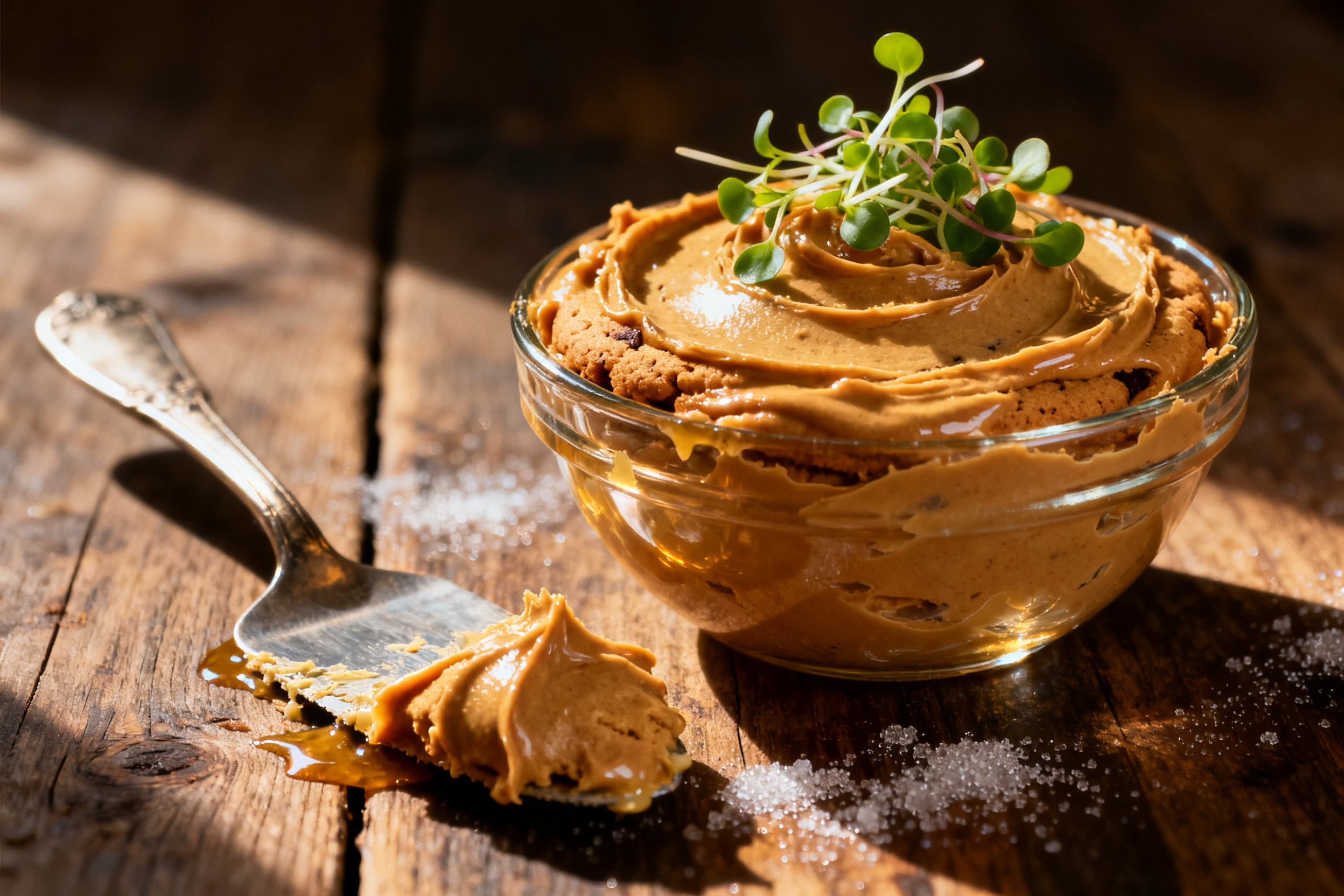
Got extra frosting? Pipe it onto wafer cookies for a quick snack. Or spread it between two graham crackers for a homemade s’more without the campfire.
You can also thin it with a little milk and use it as a glaze for cinnamon rolls or pound cake. Just warm it slightly and drizzle away.
Another trick: freeze leftover frosting in a piping bag. Next time you need a quick decoration, just thaw and snip the tip.
7. Common mistakes & how to fix them

Frosting too runny? You added too much milk. Fix it by beating in more powdered sugar, one tablespoon at a time, until it firms up. Frosting too stiff? Add milk a teaspoon at a time while beating. Grainy texture? Your powdered sugar wasn’t sifted, or your butter was too cold. Next time, sift and use room-temp butter.
8. Variations by diet or flavor profile
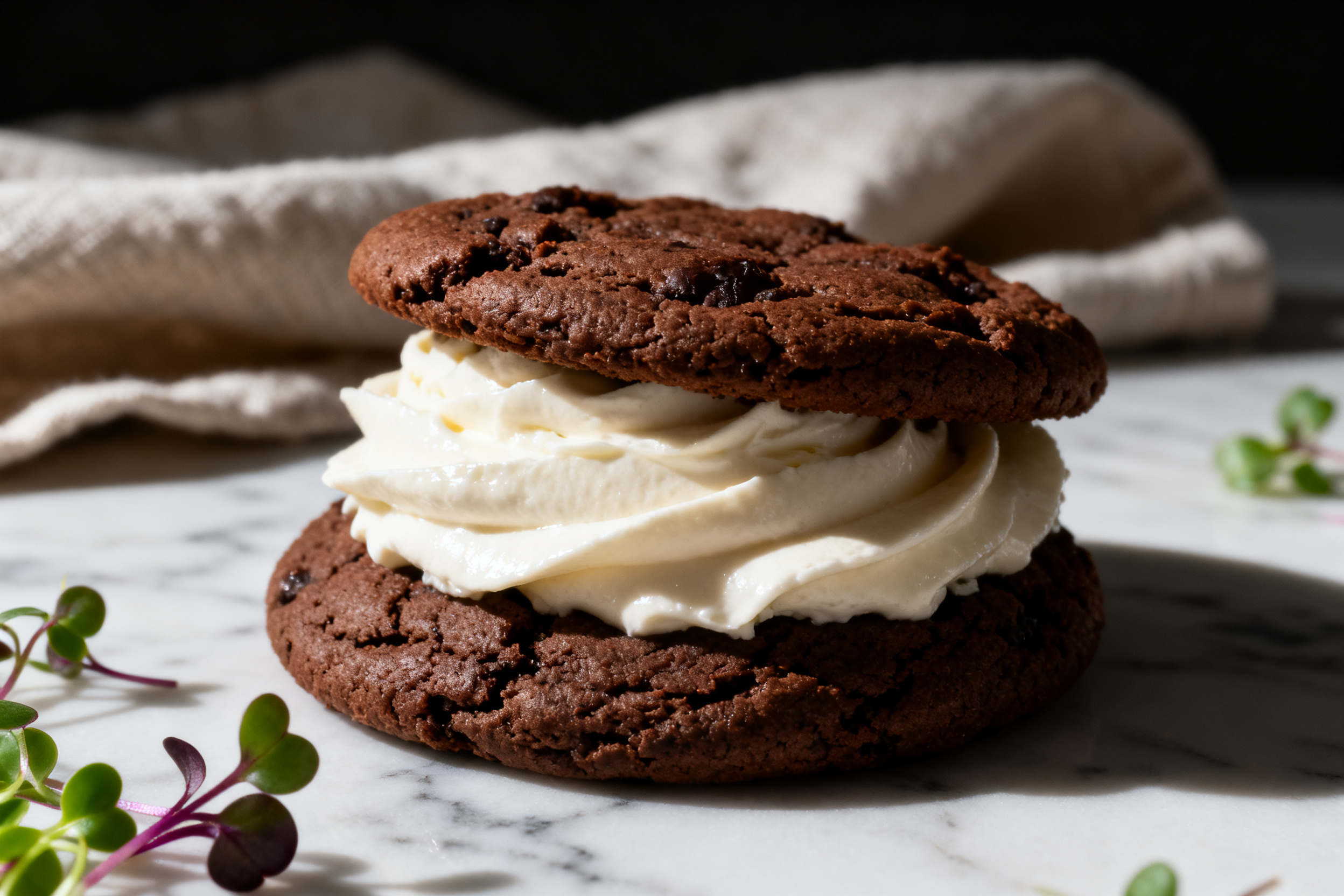
For a vegan version, use vegan butter (like Earth Balance) and oat milk. The texture is slightly different but still delicious. Add a pinch of salt to boost flavor.
Chocolate lovers: add 1/4 cup unsweetened cocoa powder with the powdered sugar. You might need an extra tablespoon of milk to keep it spreadable.
Citrus frosting: replace half the milk with fresh lemon or orange juice, and add a teaspoon of zest. Perfect for spring cookies.
For a cream cheese twist, swap half the butter for room-temp cream cheese. This gives a tangy, slightly savory edge that pairs beautifully with spiced cookies.
9. Why this recipe works / The science
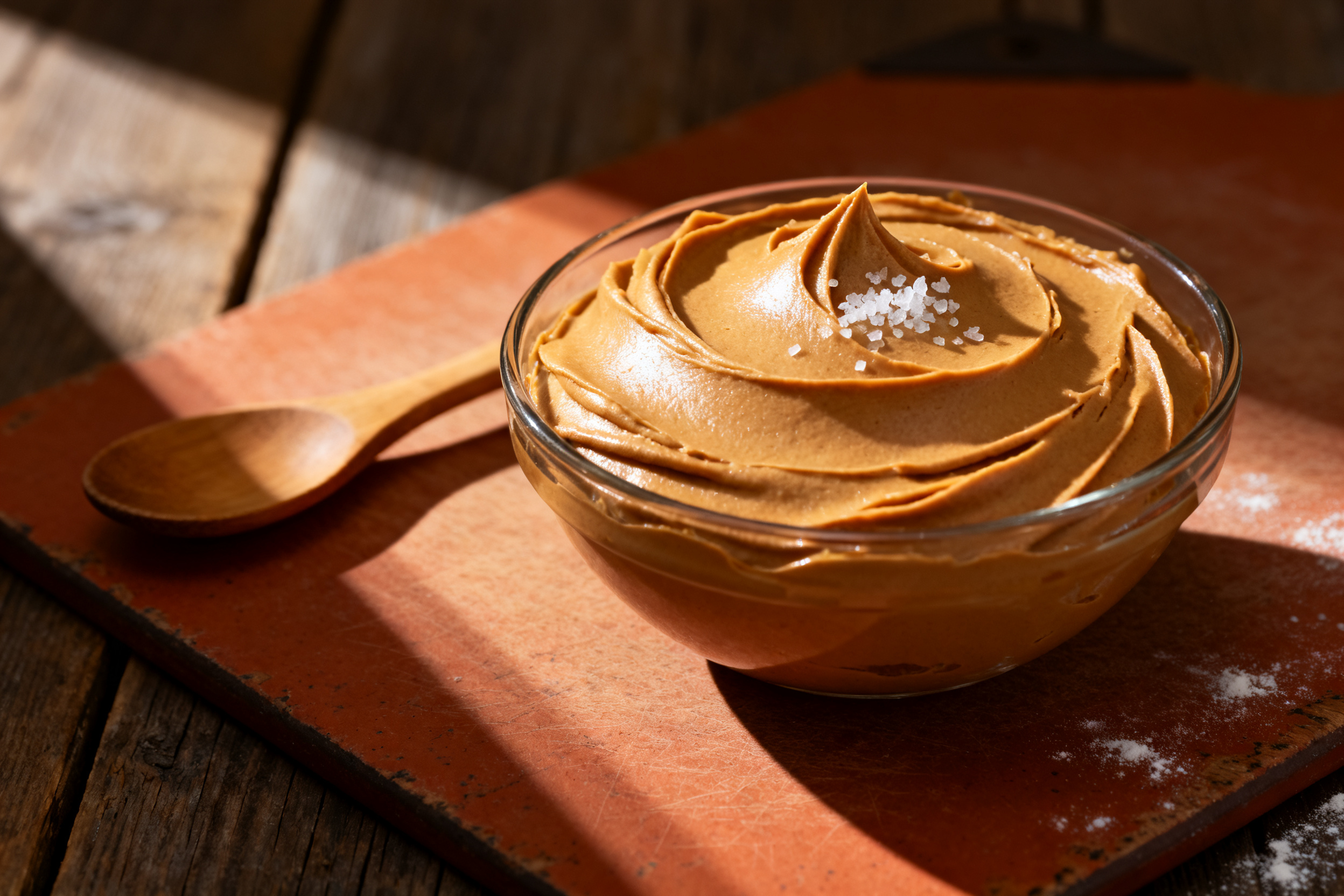
The magic is in the creaming method. Beating butter alone first incorporates tiny air bubbles, which then get coated by the powdered sugar. That’s what makes the frosting fluffy instead of dense.
Powdered sugar contains cornstarch, which absorbs moisture and stabilizes the emulsion. That’s why this frosting holds its shape even at room temperature for a while. No greasy separation here.
10. Frequently Asked Questions

Can I use this cookie frosting recipe on warm cookies? Nope. Let cookies cool completely, or the frosting will melt into a puddle. Patience pays off.
Why is my frosting yellow? That’s from the butter. If you want pure white frosting, use a high-fat European butter or add a tiny drop of purple food coloring to cancel the yellow.
How do I get stiff peaks for piping? Use less milk – start with 1 tablespoon total. Whip longer, and chill the frosting for 10 minutes before piping if it’s too soft.
Can I use honey or maple syrup instead of powdered sugar? Not directly – that would make a runny glaze, not a spreadable frosting. You’d need a completely different recipe.
Does this frosting crust? Yes, a thin crust forms after a few hours, which is great for stacking cookies. If you want a glossy, non-crusting frosting, add a tablespoon of corn syrup.
11. Call to action
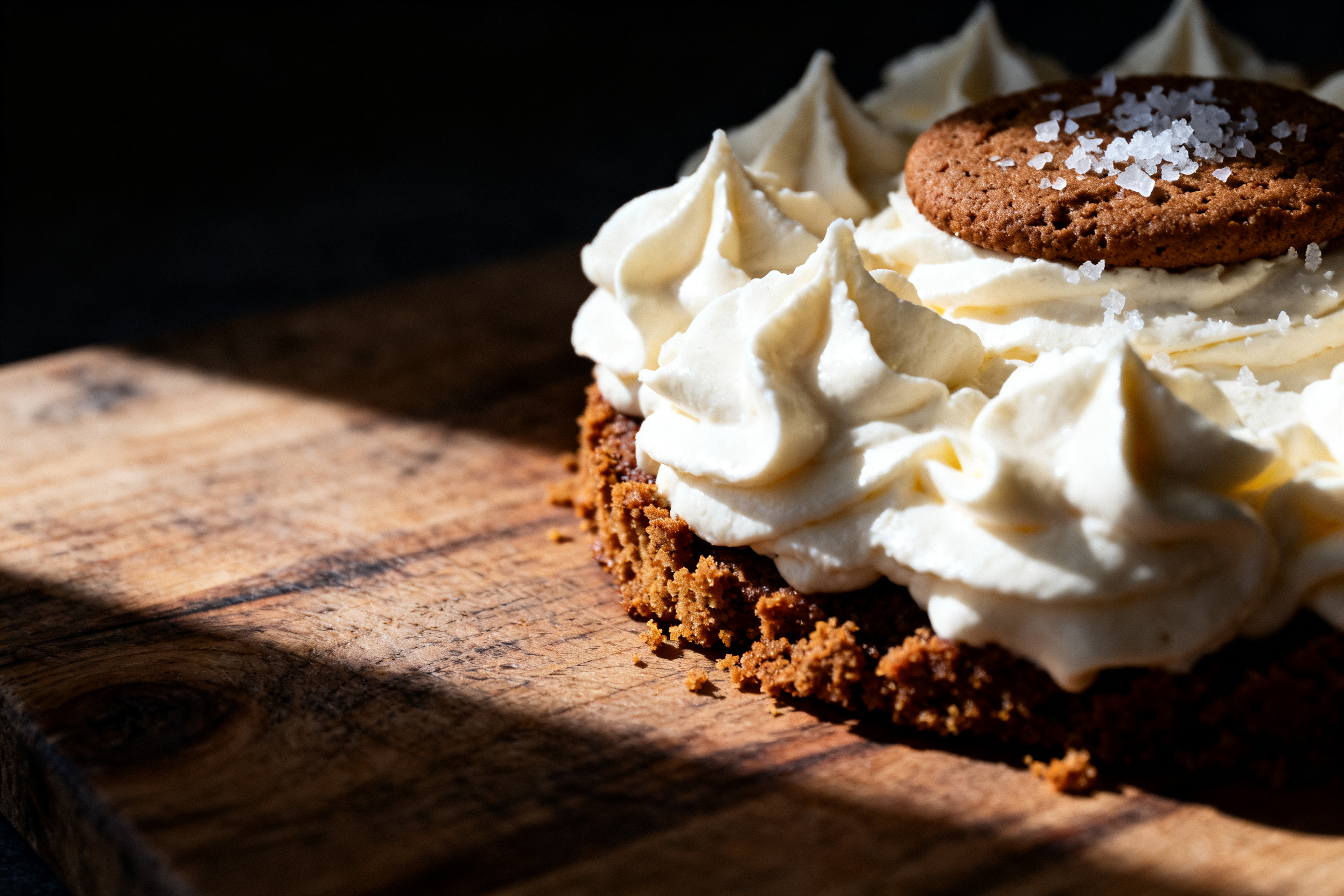
Now it’s your turn. Grab that butter and sugar and make this cookie frosting recipe tonight. You’ll never look at a can the same way again.
I’d love to hear how it goes. Drop a comment below and tell me what cookies you frosted – or if you just ate it with a spoon (no shame).
If you found this helpful, share it with a friend who’s still buying canned frosting. Let’s spread the homemade love.
And don’t forget to subscribe to the newsletter for more recipes that beat the store-bought stuff every time. I promise no spam, just deliciousness.
Happy frosting, friend. Your cookies are about to get a major upgrade.
P.S. Tag me on social media if you make these – I want to see your beautiful creations!
Conclusion
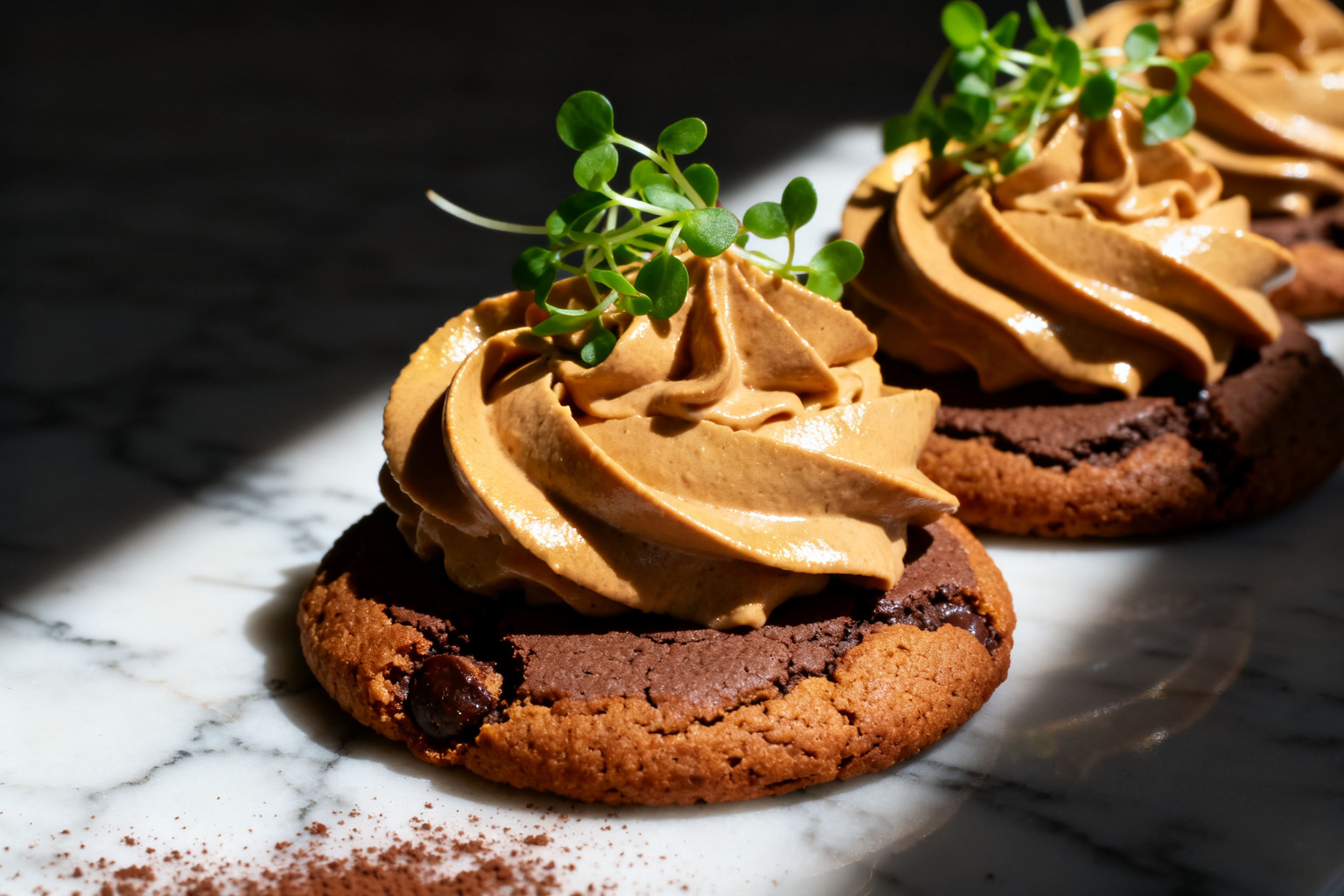
So there you have it – a cookie frosting recipe that truly beats canned frosting in every way. It’s faster than you think, uses simple ingredients, and tastes like a bakery secret. Once you make it from scratch, you’ll wonder why you ever settled for that tub.
This frosting is forgiving, adaptable, and downright delicious. Whether you’re decorating holiday cookies, birthday treats, or just a Tuesday snack, it delivers every time. And the best part? You made it yourself. That’s something to be proud of.
Now go forth and frost. And if you run into any hiccups, you know where to find me. Happy baking!
Homemade Vanilla Buttercream Cookie Frosting
Ingredients
- 1 cup 2 sticks unsalted butter, softened to room temperature
- 3 cups powdered sugar sifted
- 2 teaspoons vanilla extract
- 2-3 tablespoons whole milk or heavy cream
- Pinch of salt optional, if using unsalted butter
Instructions
- In a large bowl, beat the softened butter with an electric mixer on medium speed for 2 minutes until pale and fluffy.
- Add the sifted powdered sugar, one cup at a time, beating on low speed after each addition until combined. Scrape down the sides of the bowl.
- Add the vanilla extract and 2 tablespoons of milk. Beat on medium-high speed for 2-3 minutes until light and creamy. If the frosting is too thick, add the remaining tablespoon of milk, one teaspoon at a time, until you reach your desired consistency.
- Taste and add a pinch of salt if needed. Beat for another 30 seconds.
- Use immediately or store in an airtight container in the refrigerator for up to 1 week. Bring to room temperature and re-whip before using.
Notes
2. For a dairy-free version, use vegan butter and oat milk. The texture may be slightly softer.
3. If frosting becomes too soft, refrigerate for 10 minutes before piping.
4. Color with gel food coloring for best results – avoid liquid coloring which can thin the frosting.