
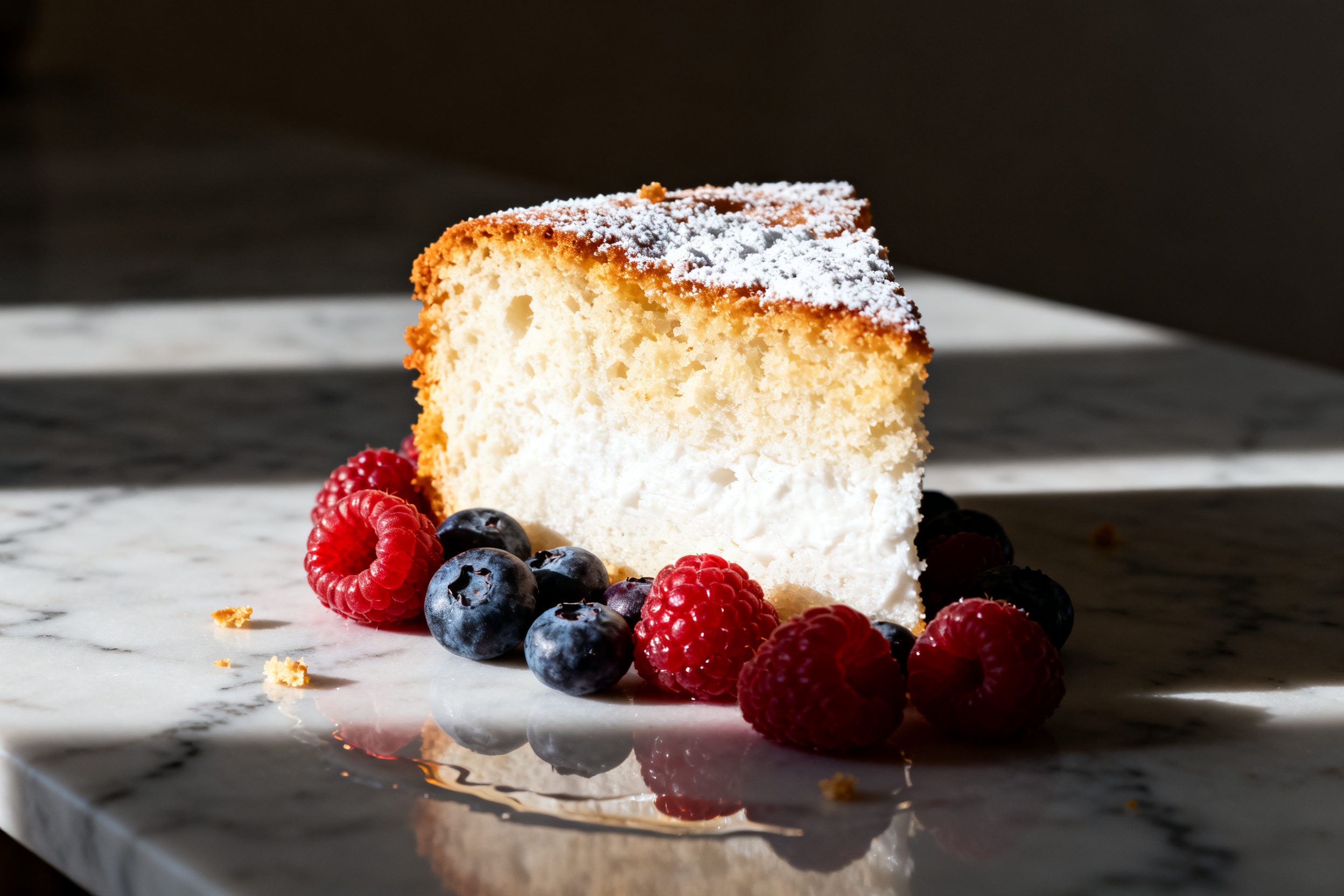

You know that moment when you stare at a sad slice of bakery cake and wonder why you paid eight bucks for something that tastes like cardboard? I have been there way too many times. That is exactly why I stopped buying bakery cake and started making this white cake mix recipe from scratch. It beats any box mix or bakery version every single time.
This recipe gives you a tender, moist crumb with a delicate vanilla flavor. No weird aftertaste, no dry edges. Just pure, fluffy perfection. And the best part? You probably have all the ingredients in your pantry right now.
1. Allergens
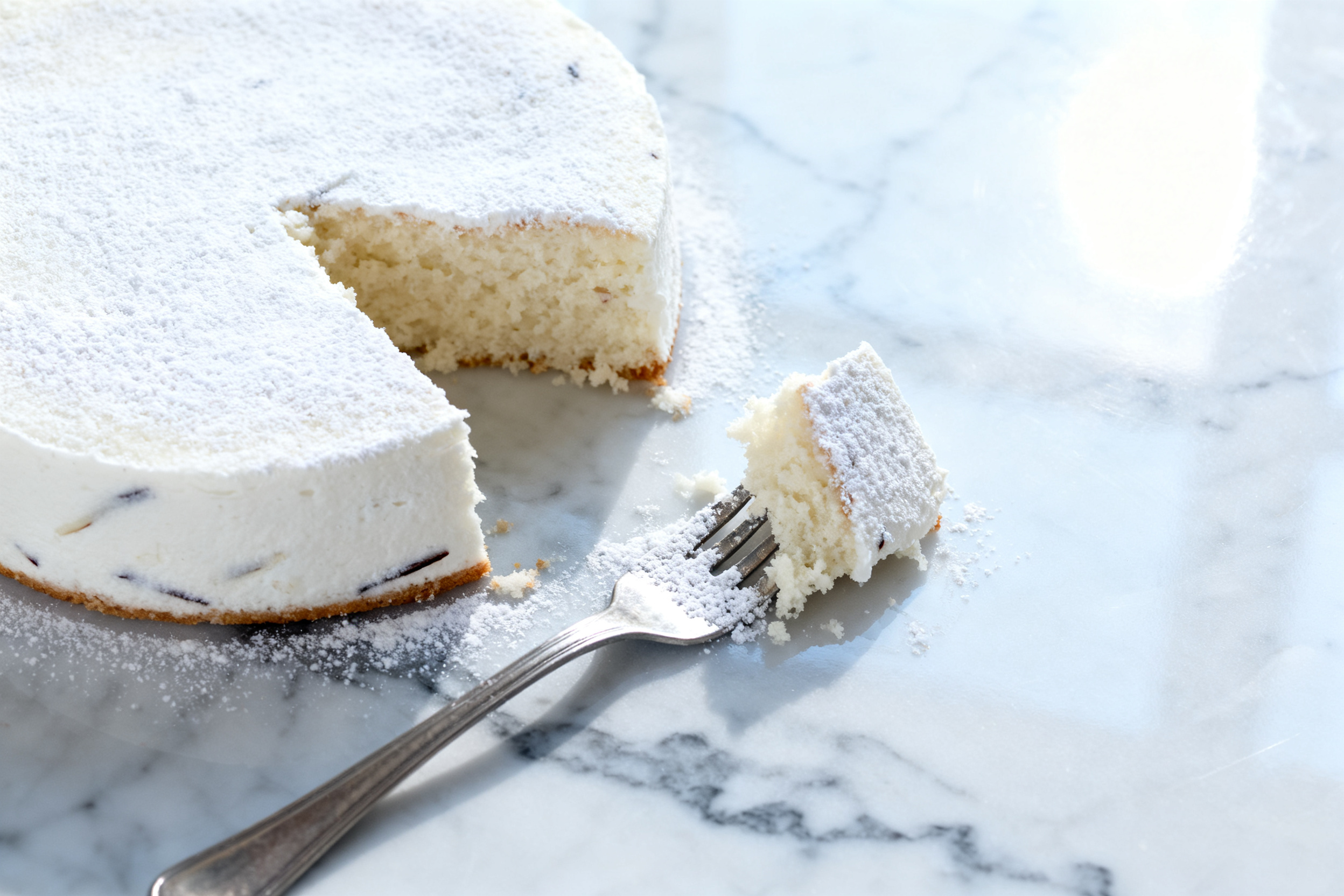
This white cake contains wheat flour, dairy (butter and milk), and eggs. It is not gluten-free, dairy-free, or vegan as written.
For a dairy-free version, you can substitute the butter with a plant-based butter that has a high fat content. Use your favorite non-dairy milk like oat or almond milk instead of whole milk.
If you need it egg-free, try using aquafaba (the liquid from canned chickpeas) whipped to stiff peaks. Replace each egg white with 2 tablespoons of aquafaba. The texture will be slightly different but still delicious.
2. Ingredient notes & substitutions
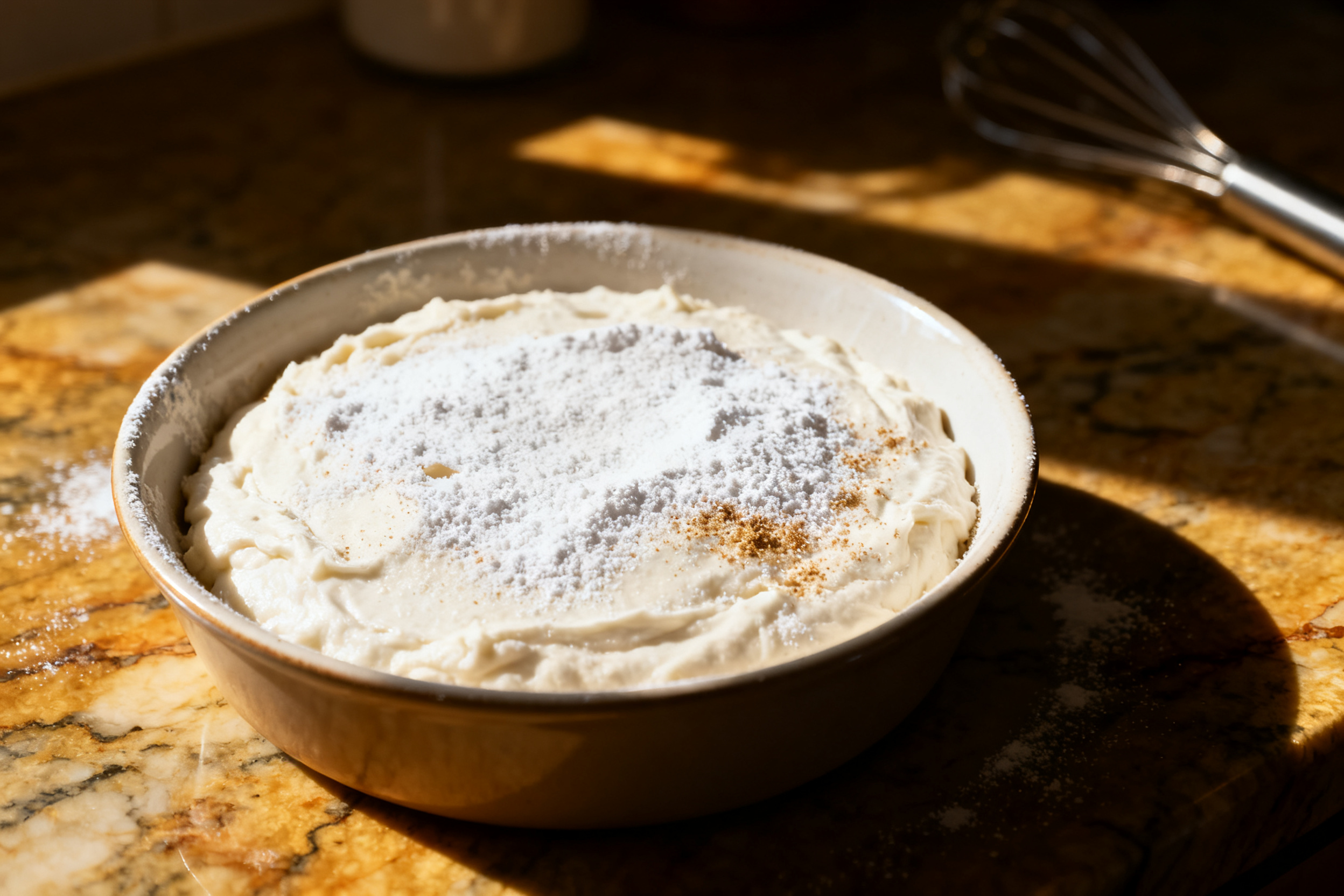
Use cake flour for the lightest texture – all-purpose works but will give a denser crumb. For the milk, whole milk adds richness but 2% or even buttermilk (for a tangy twist) work fine. The butter must be unsalted and at room temperature so it creams properly with the sugar.
3. Pro tips
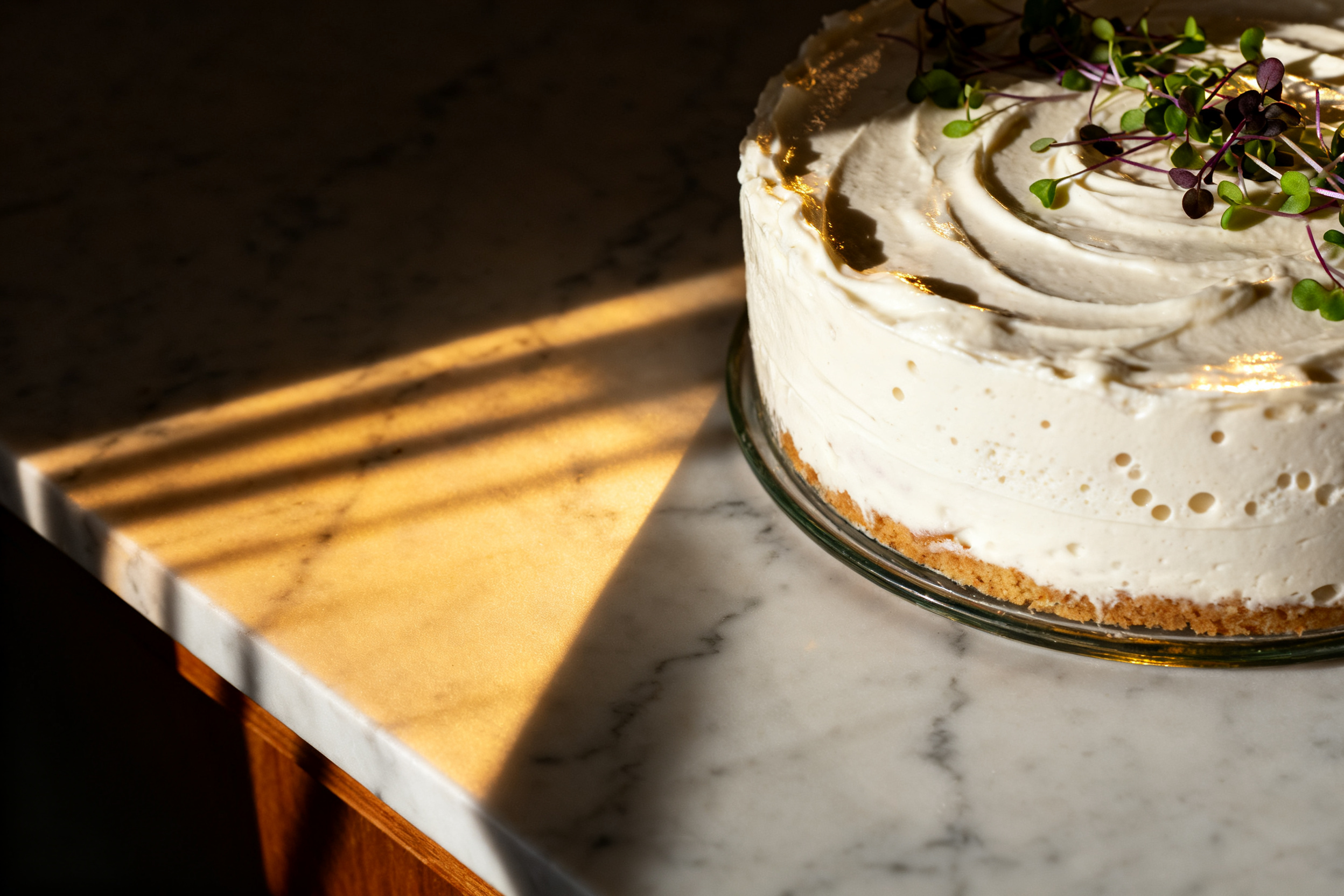
Bring all your cold ingredients to room temperature before you start. Cold butter won’t cream well, and cold milk can make the batter curdle. Set them out about 30 minutes ahead.
Whip the egg whites separately until stiff peaks form, then fold them in gently. That is the secret to that cloud-like texture. Do not overmix after adding the whites or you will deflate all that air.
Use a kitchen scale for the flour if you have one. Scooping flour with a cup can pack in extra ounces and make the cake dry. Spoon the flour into the cup and level it off if you do not have a scale.
Bake the cake layers on the middle rack and rotate the pans halfway through. Ovens have hot spots, and you want both layers to bake evenly.
4. Storage & make-ahead
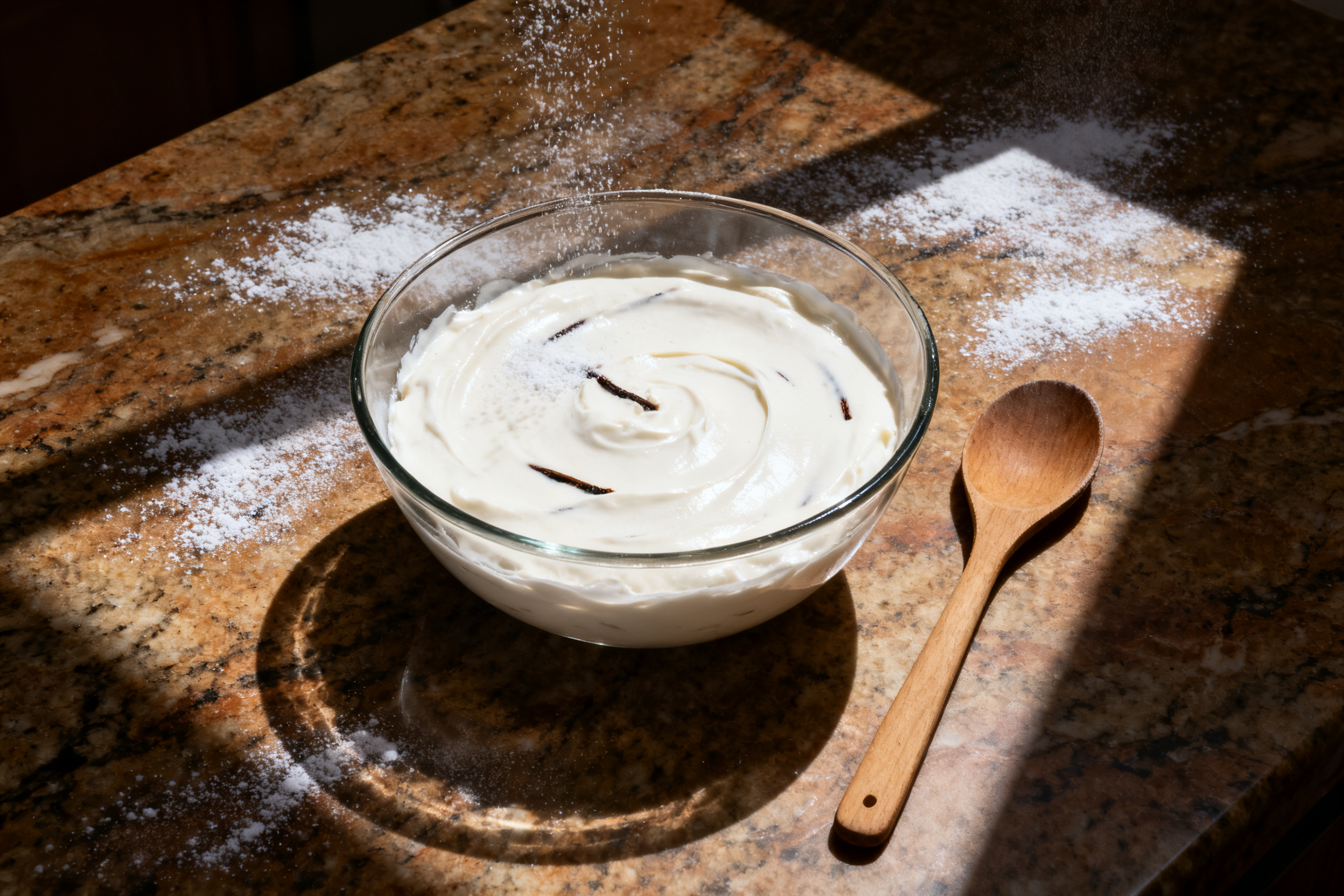
You can bake the cake layers a day ahead. Let them cool completely, wrap each layer tightly in plastic wrap, and store at room temperature. Frost the cake the next day.
For longer storage, freeze the unfrosted layers for up to three months. Wrap them in plastic wrap then foil. Thaw overnight in the fridge before frosting.
5. Serving suggestions
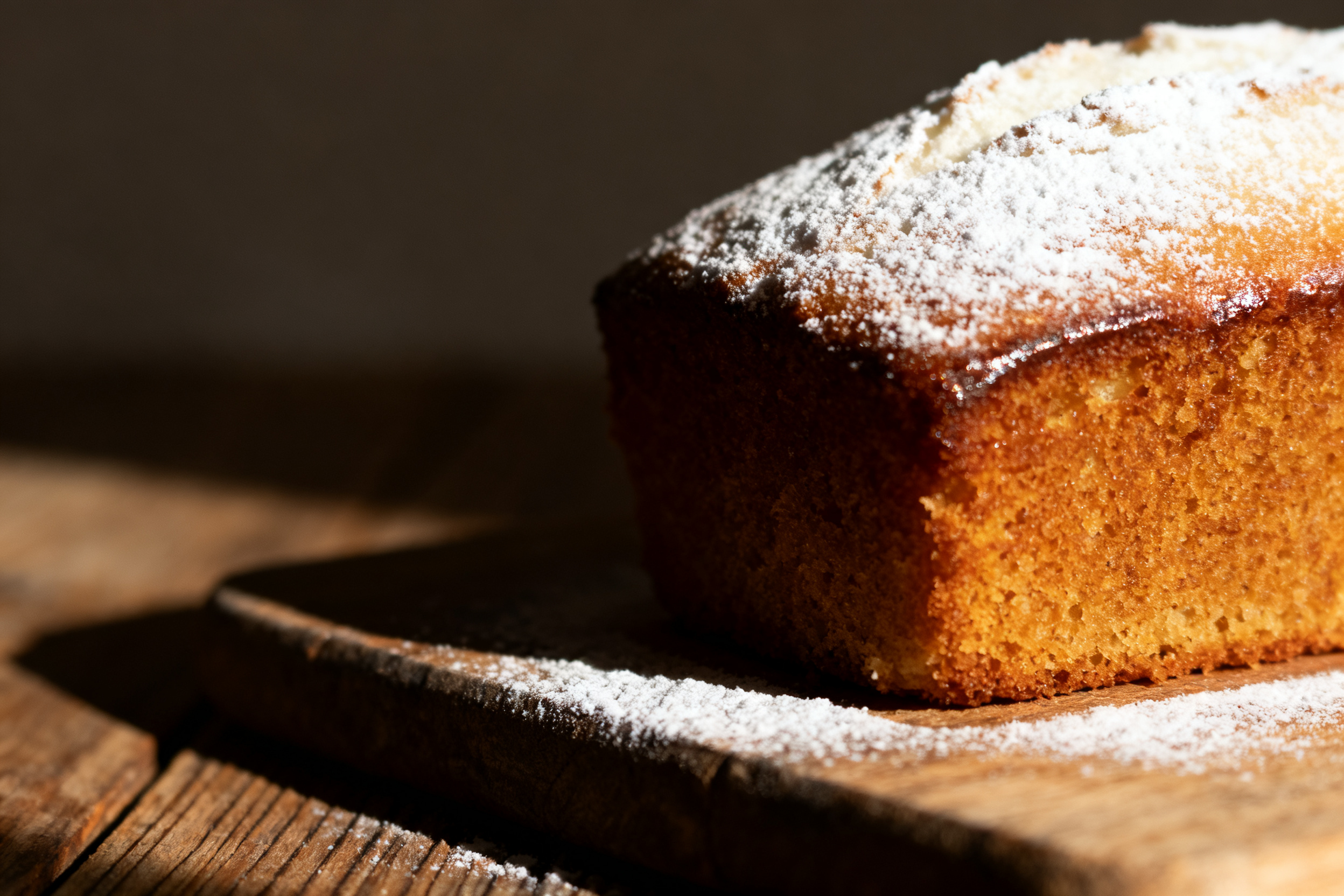
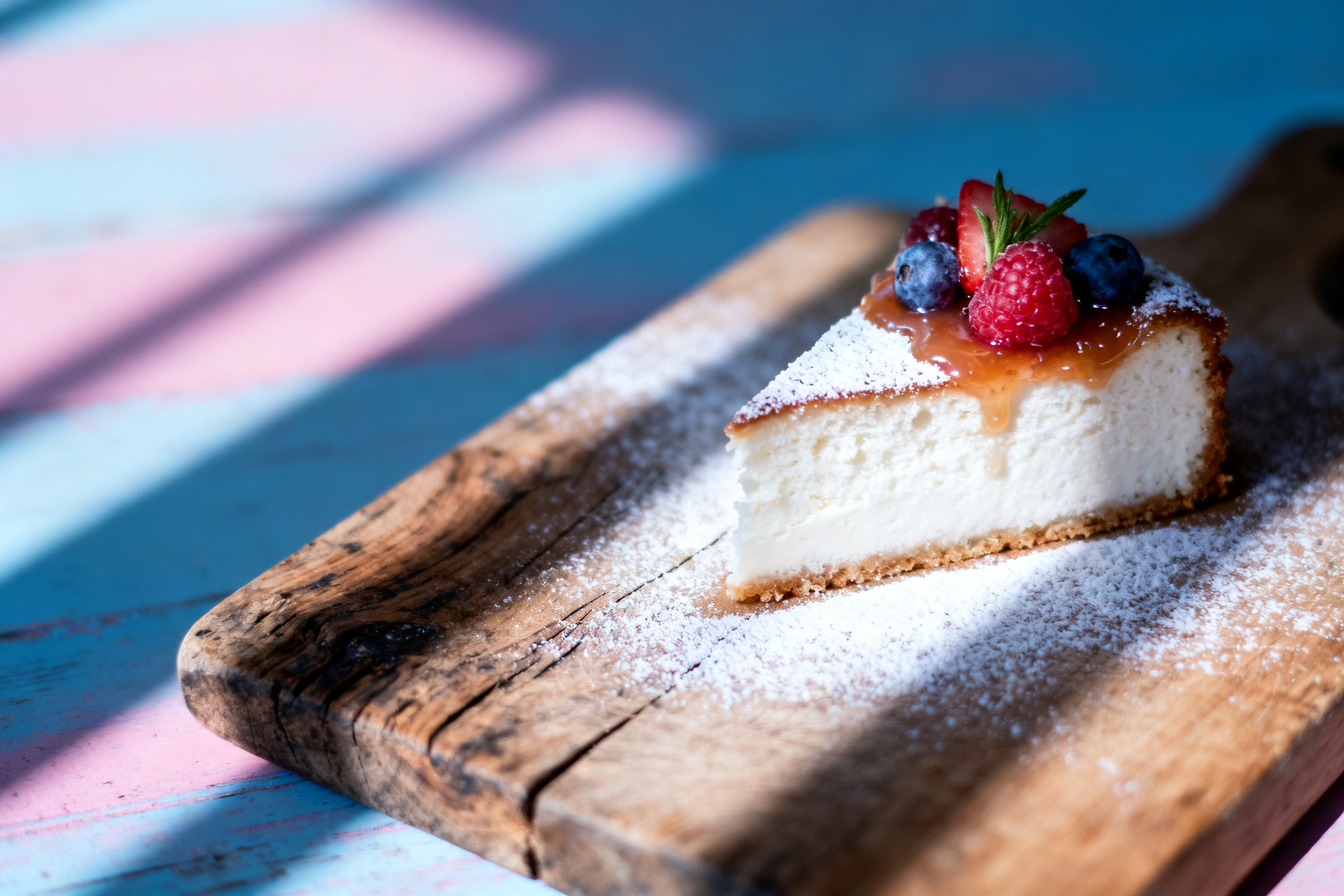
This white cake is perfect for birthdays, weddings, or just a Tuesday night treat. Pair it with fresh berries and whipped cream for a light dessert.
For a classic combination, serve it with a simple vanilla buttercream and a side of fresh fruit salad. The sweetness of the cake balances nicely with tart raspberries or sliced strawberries.
You can also turn it into a trifle. Cube the leftover cake, layer it with pudding, fruit, and whipped cream in a glass dish. It looks fancy with zero extra effort.
If you want to make it a full meal, serve the cake after a light dinner like grilled chicken and a green salad. A slice of cake feels like a celebration without being too heavy.
For a brunch twist, toast a slice and spread it with lemon curd or honey butter. It is amazing with a cup of coffee.
6. Use your leftovers
Leftover cake stays fresh for about three days in an airtight container at room temperature. If you frosted it, keep it in the fridge and let slices come to room temp before eating.
Stale cake is not a problem – turn it into cake pops. Crumble the leftover cake, mix with a little frosting, roll into balls, and dip in melted chocolate. Instant party treat.
You can also make a bread pudding. Cube the cake, soak it in a custard of eggs, milk, and vanilla, then bake until golden. Serve with a drizzle of caramel sauce.
Another idea: freeze the crumbs and use them as a topping for ice cream sundaes. Sprinkle them over vanilla ice cream with hot fudge.
If you have a slice that is a bit dry, microwave it for 10 seconds with a damp paper towel over it. It will soften right up.
And do not forget you can always make a mini trifle in a jar for a lunchbox dessert. Layer cake, pudding, and fruit – easy and portable.
7. Common mistakes & how to fix them
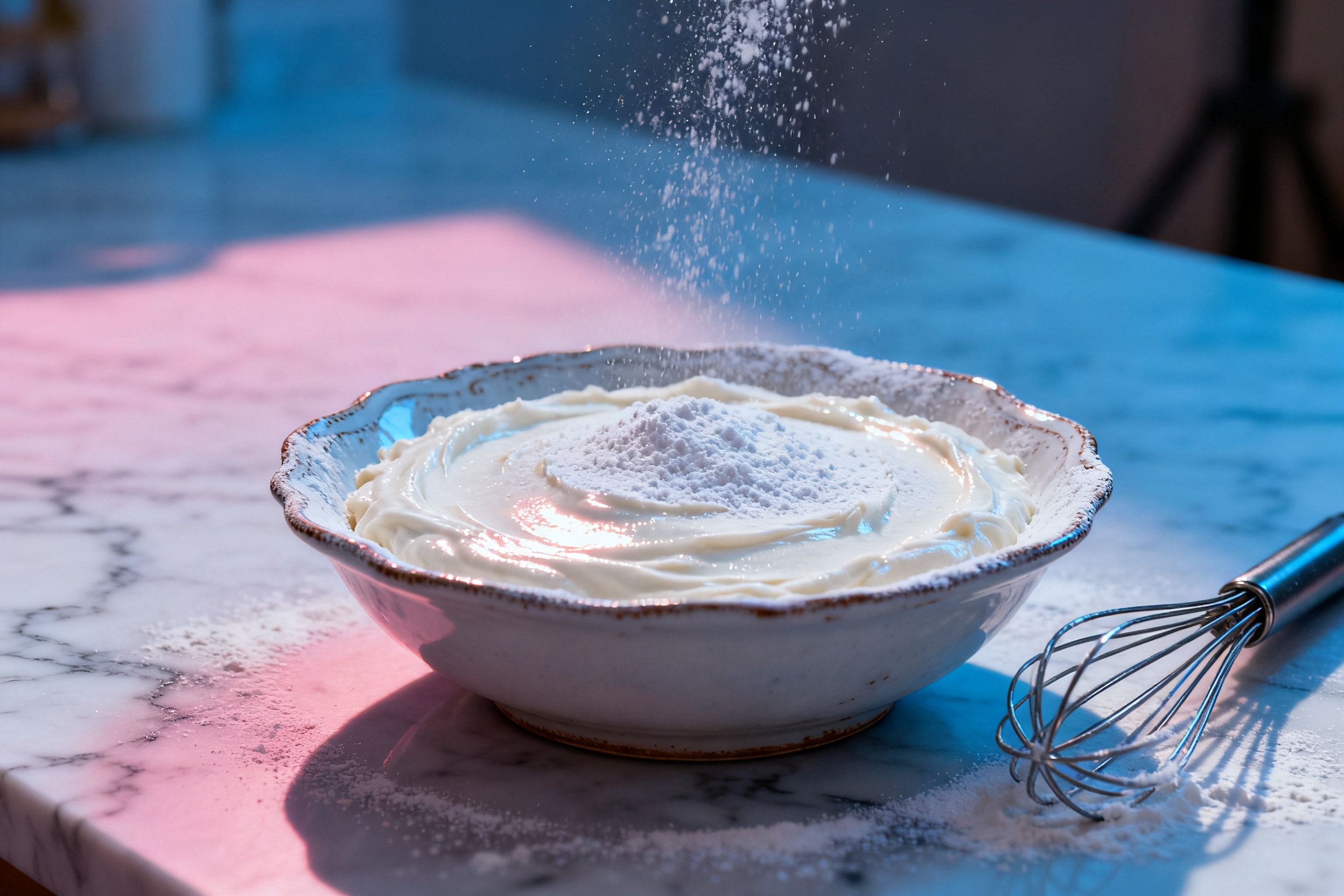
If your cake sinks in the middle, you likely opened the oven door too early or underbaked it. Resist the urge to peek for the first 25 minutes. Use a toothpick to test – it should come out clean or with a few moist crumbs.
A dry cake usually means you overbaked it or used too much flour. Check your oven temperature with an oven thermometer. Next time, pull the cake out a few minutes earlier and let it finish baking in the pan as it cools.
If the cake sticks to the pan, you probably did not grease it well enough. Use butter and a dusting of flour, or line the bottom with parchment paper. Run a knife around the edges before turning it out.
8. Variations by diet or flavor profile
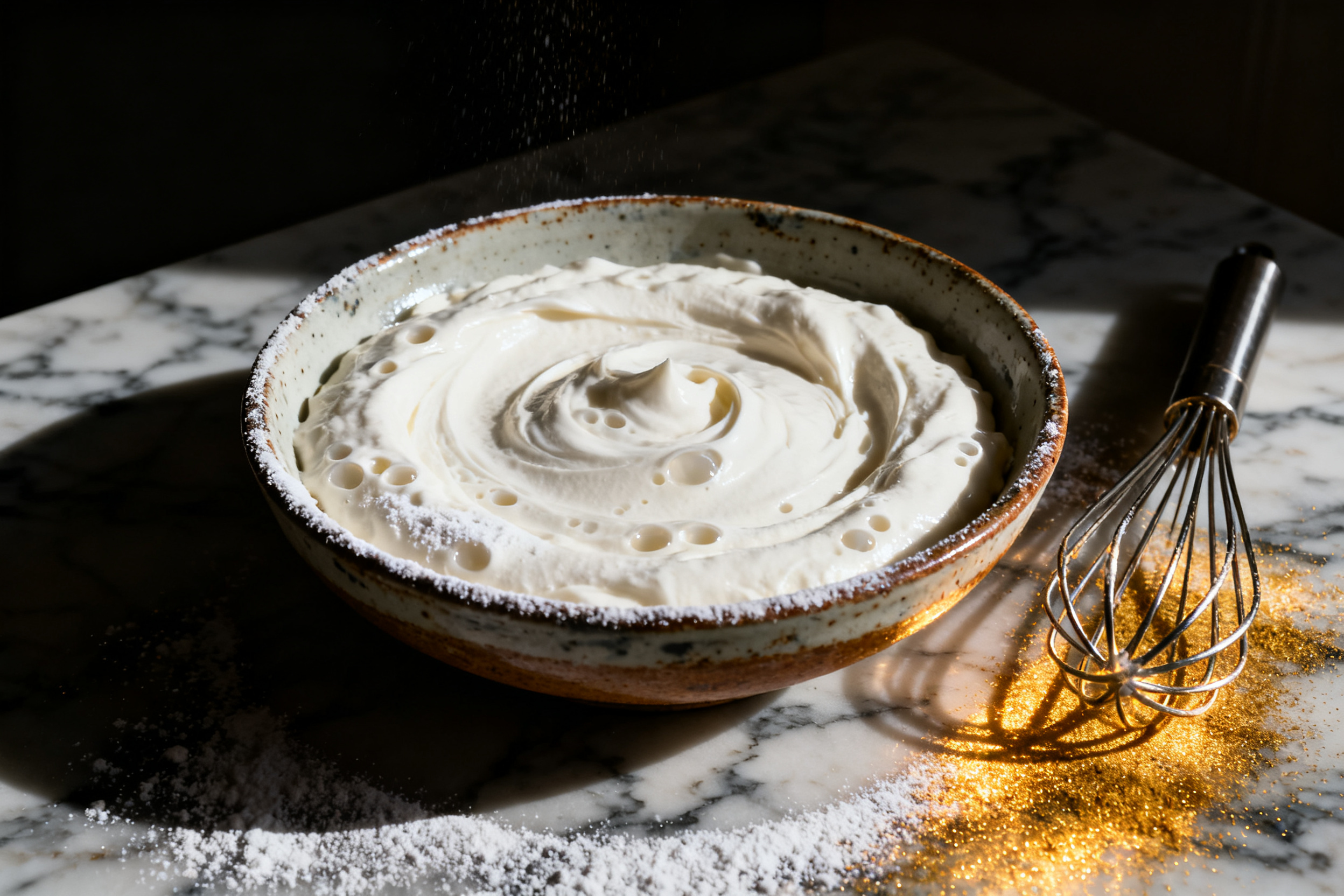
For a lemon white cake, add the zest of one lemon to the sugar and rub it in with your fingers before creaming the butter. Replace 2 tablespoons of the milk with fresh lemon juice. For a vegan version, use the substitutions mentioned in the allergens section and add a splash of vanilla extract for extra flavor.
9. Why this recipe works
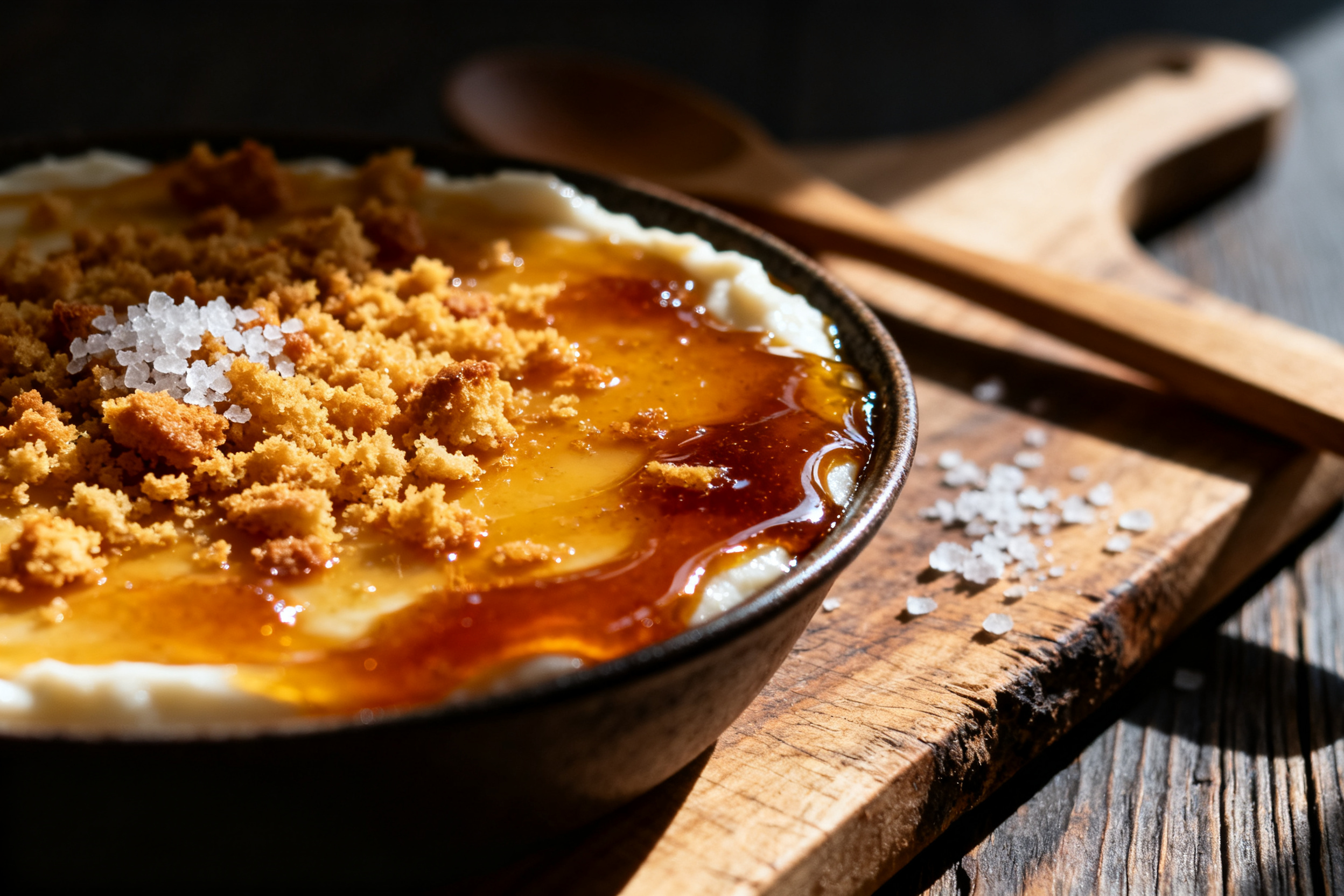
The combination of cake flour and whipped egg whites gives this cake its signature lightness. Cake flour has lower protein content, which means less gluten development. That keeps the crumb tender instead of tough.
Whipping the egg whites separately creates a stable foam that lifts the batter without needing chemical leaveners alone. The air bubbles expand in the oven, giving you a tall, even rise.
Using butter and a small amount of oil keeps the cake moist even after a day or two. Butter adds flavor, while oil prevents the crumb from drying out. It is a trick professional bakers use all the time.
The ratio of sugar to flour is carefully balanced. Enough sugar to tenderize and add sweetness, but not so much that the cake collapses. The milk adds liquid for hydration without making the batter too thin.
10. Frequently Asked Questions (FAQ)
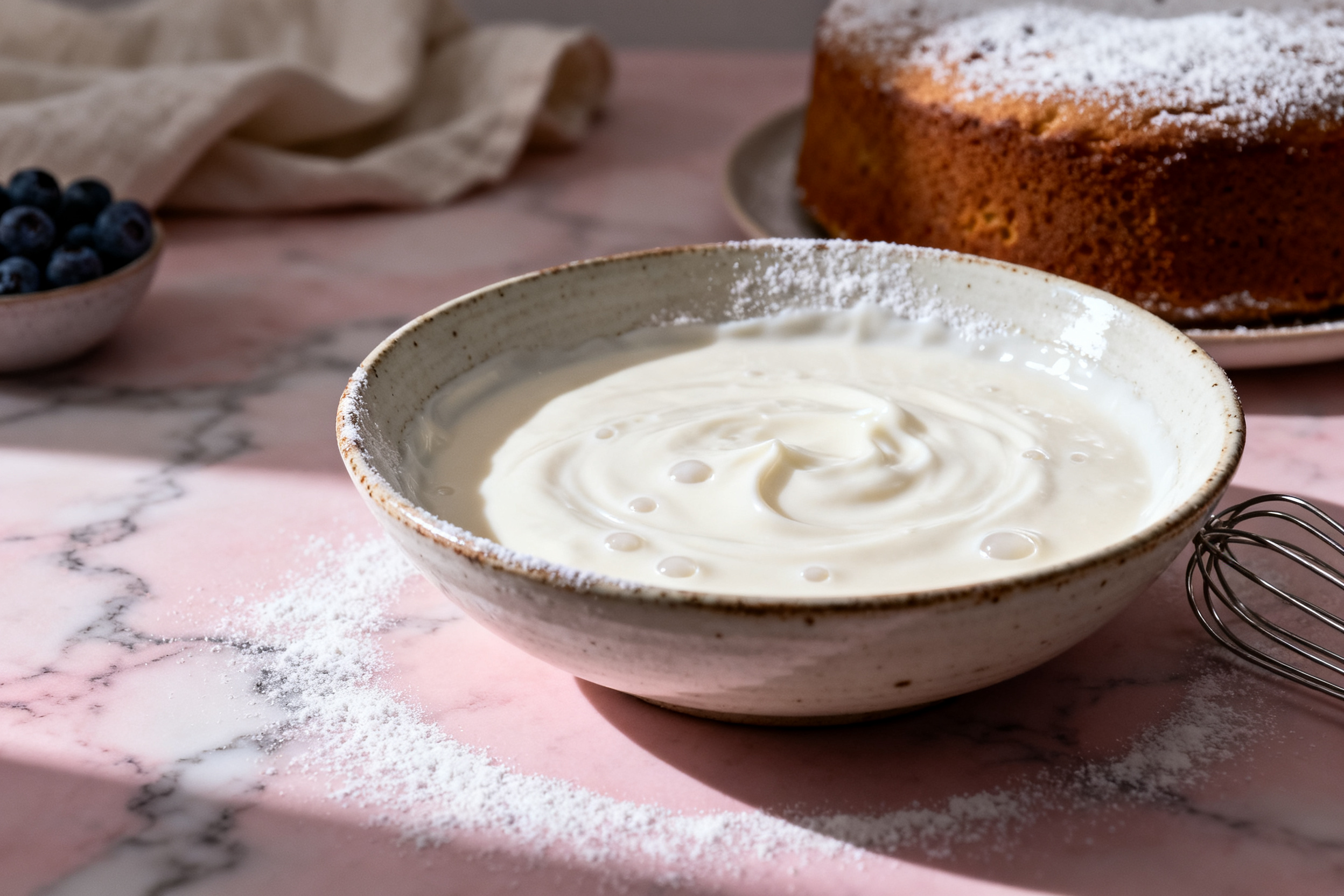
Can I use all-purpose flour instead of cake flour? Yes, but replace 2 tablespoons of the flour with cornstarch per cup. Sift it together to mimic cake flour. The texture will still be good, just slightly denser.
Why did my cake have a crust that is too dark? Your oven might run hot. Place a baking sheet on the rack below the cake pans to diffuse the heat. You can also tent the cakes with foil halfway through baking.
11. Call to action
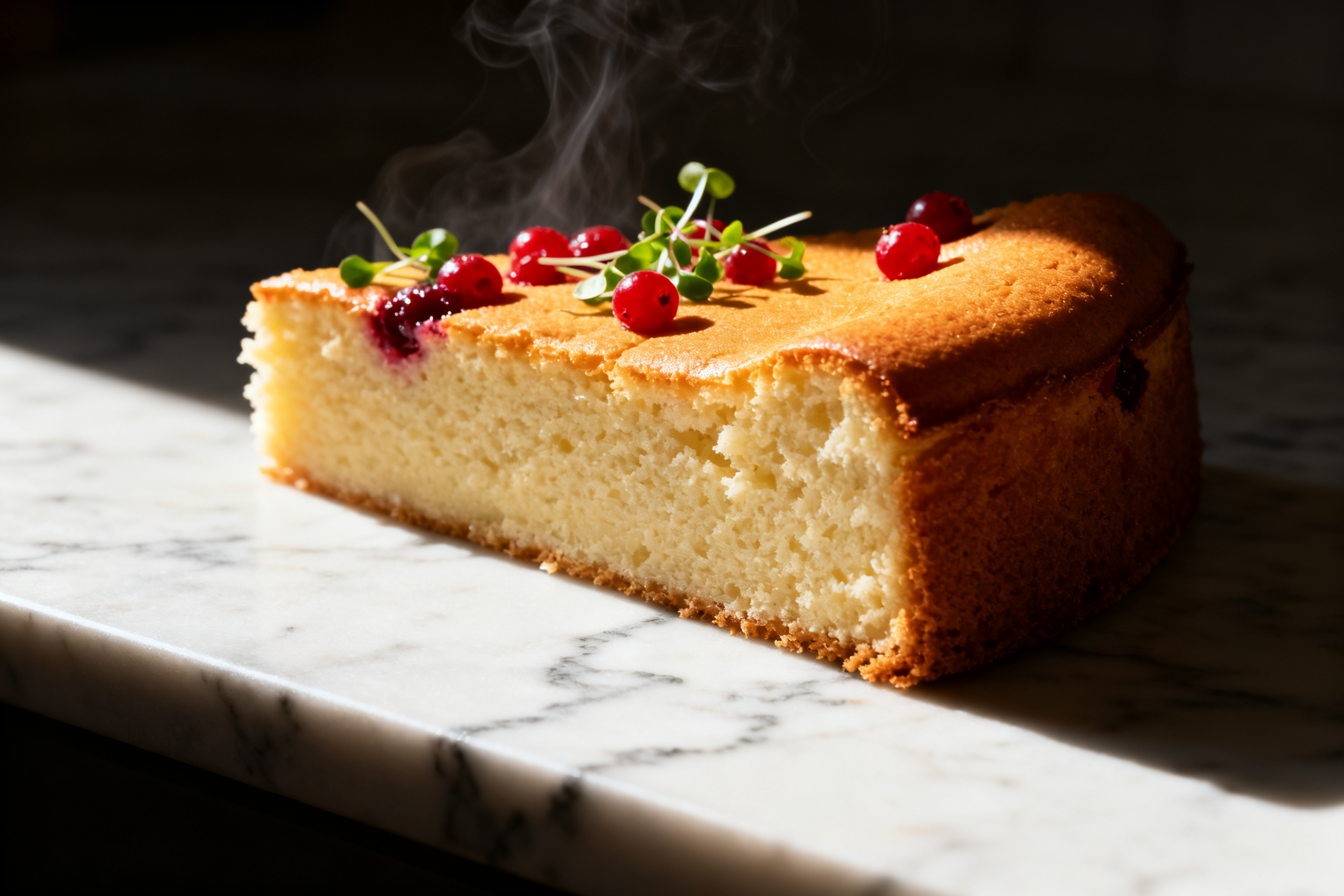
I would love to hear how this white cake turns out for you. Drop a comment below and tell me if it beat your favorite bakery cake.
If you found this recipe helpful, share it with a friend who still buys box mix. And do not forget to subscribe so you never miss a from-scratch recipe that actually works.
This white cake recipe is my go-to for every celebration now. It is simple enough for a beginner but impressive enough to serve at a fancy party. Once you taste it, you will never look at a bakery cake the same way again. Give it a try and see for yourself – your kitchen is about to become the new best bakery in town.
Classic White Cake from Scratch
Ingredients
- 2 1/4 cups 270g cake flour
- 1 1/2 cups 300g granulated sugar
- 1 tablespoon baking powder
- 1/2 teaspoon salt
- 1/2 cup 113g unsalted butter, room temperature
- 1/4 cup 60ml vegetable oil
- 1 cup 240ml whole milk, room temperature
- 2 teaspoons vanilla extract
- 4 large egg whites room temperature
- 1/4 teaspoon cream of tartar optional, for stability
Instructions
- Preheat your oven to 350°F (175°C). Grease and flour two 9-inch round cake pans, or line the bottoms with parchment paper.
- In a large bowl, whisk together the cake flour, sugar, baking powder, and salt.
- Add the room-temperature butter and oil to the dry ingredients. Beat with an electric mixer on low speed until the mixture looks like coarse sand, about 1 minute.
- In a separate bowl, combine the milk and vanilla extract. Add the milk mixture to the flour-butter mixture. Beat on medium speed for 2 minutes, scraping the bowl halfway through. The batter will be thick and smooth.
- In a clean, dry bowl, beat the egg whites with cream of tartar (if using) on high speed until stiff peaks form. Do not overbeat – the whites should be glossy and hold a peak when you lift the beater.
- Gently fold one-third of the whipped egg whites into the batter to lighten it. Then fold in the remaining whites until no white streaks remain. Do not overmix or you will deflate the batter.
- Divide the batter evenly between the prepared pans. Smooth the tops with a spatula.
- Bake for 28–32 minutes, or until a toothpick inserted in the center comes out clean or with a few moist crumbs. Rotate the pans halfway through baking.
- Let the cakes cool in the pans for 10 minutes, then turn them out onto a wire rack to cool completely before frosting.
Notes
2. The texture may be slightly denser.
3. To make it gluten-free, substitute with a 1:1 gluten-free baking flour blend that contains xanthan gum.
4. Do not use almond or coconut flour.
5. Store unfrosted cake layers wrapped in plastic at room temperature for up to 2 days, or freeze for up to 3 months.
6. If you do not have cake flour, make a substitute: for each cup of all-purpose flour, remove 2 tablespoons and replace with 2 tablespoons cornstarch.
7. Sift together several times.
8. This recipe can also be baked as a 9×13 inch sheet cake. Bake for 30–35 minutes, checking for doneness.