
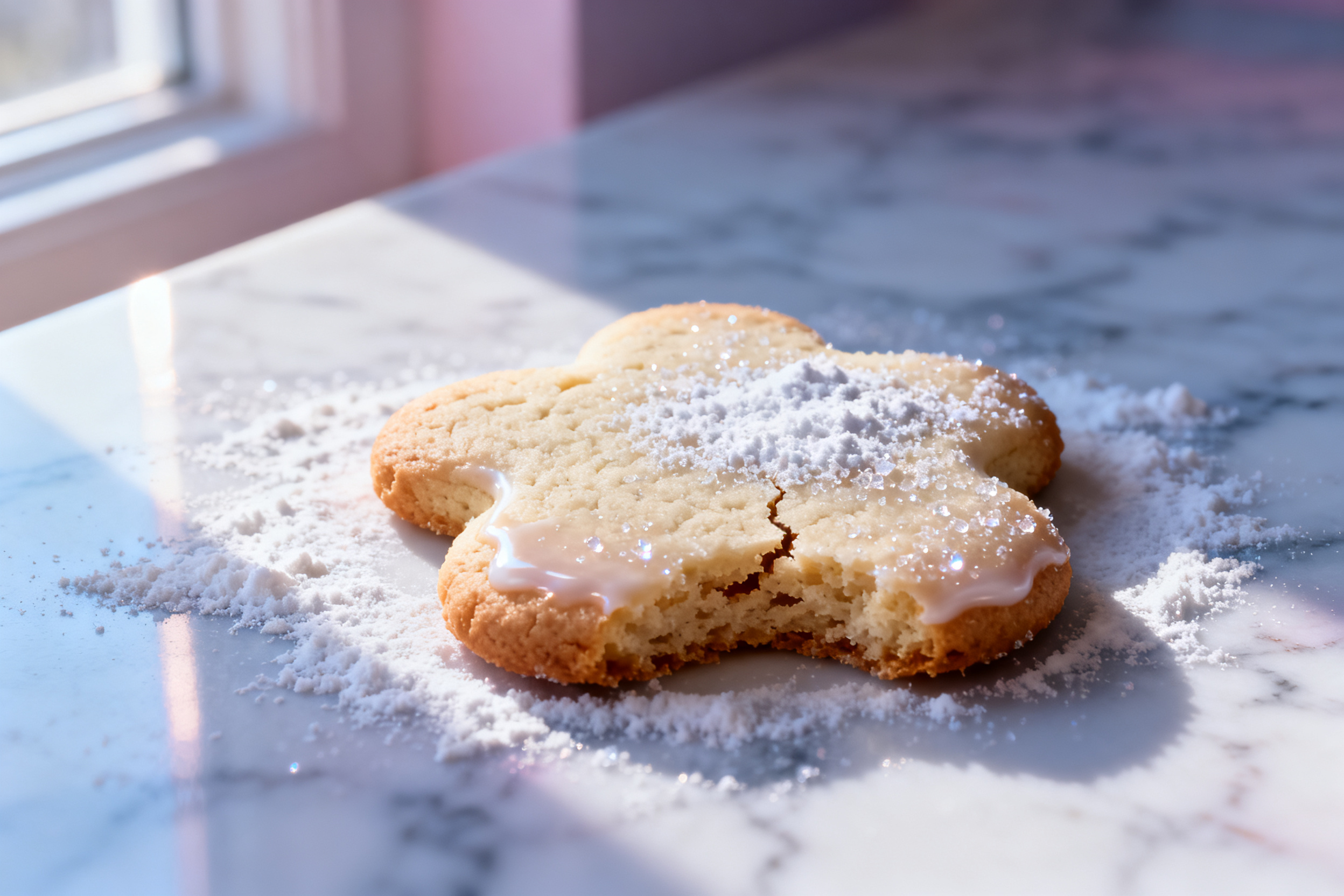
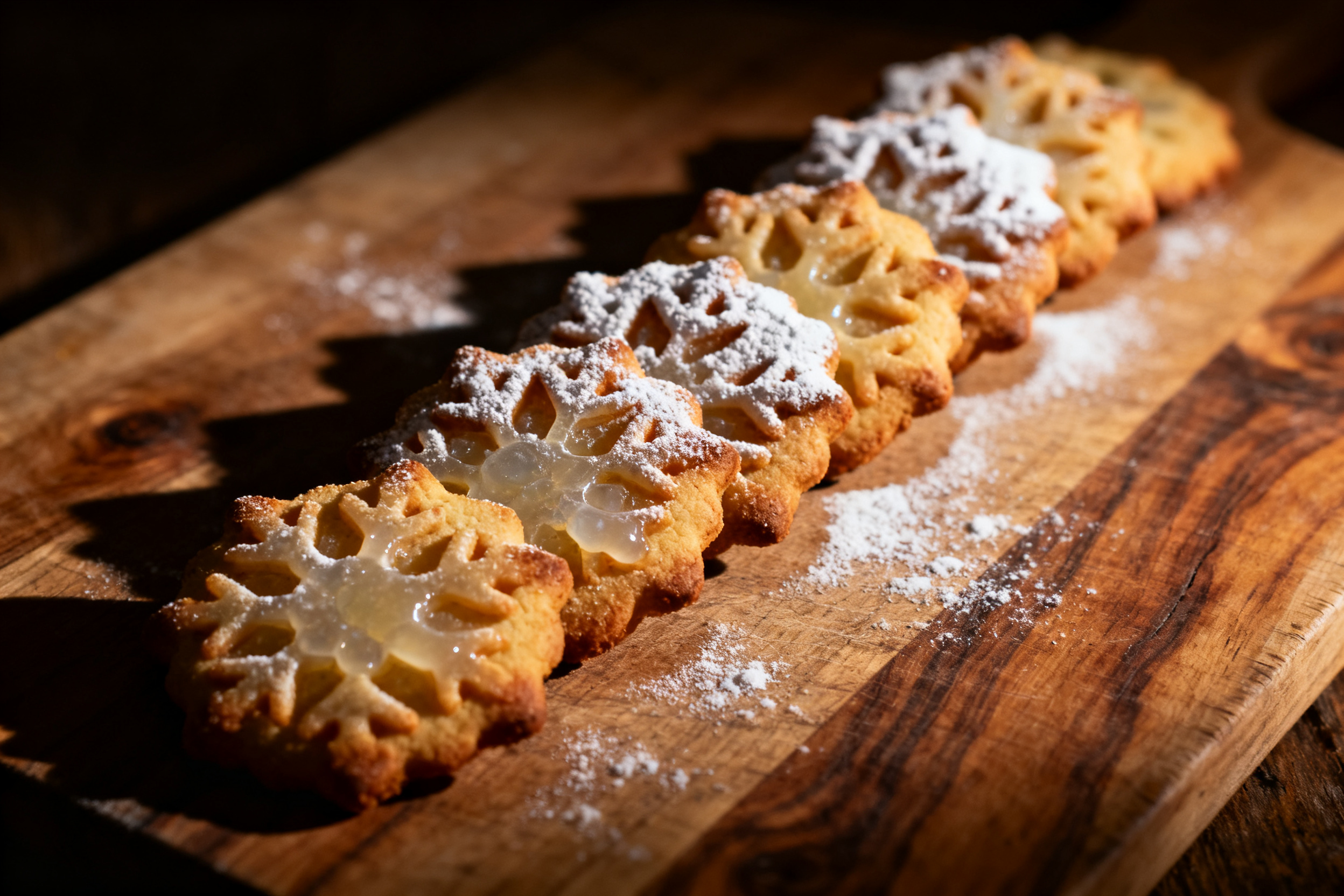
You know that moment when you bite into a beautifully decorated sugar cookie and it shatters into a thousand crumbs all over your white shirt? Yeah, I’ve been there too. This cut out sugar cookie recipe is my personal crusade against that tragedy.
I wanted a cookie that holds its shape perfectly for decorating but still gives you that soft, tender bite. No crunchy edges, no puffy blobs, just a flat, sturdy, and deliciously chewy canvas for your frosting dreams.
After way too many batches that looked like abstract art, I finally cracked the code. Let me walk you through everything so your next batch is the best one yet.
1. Allergens
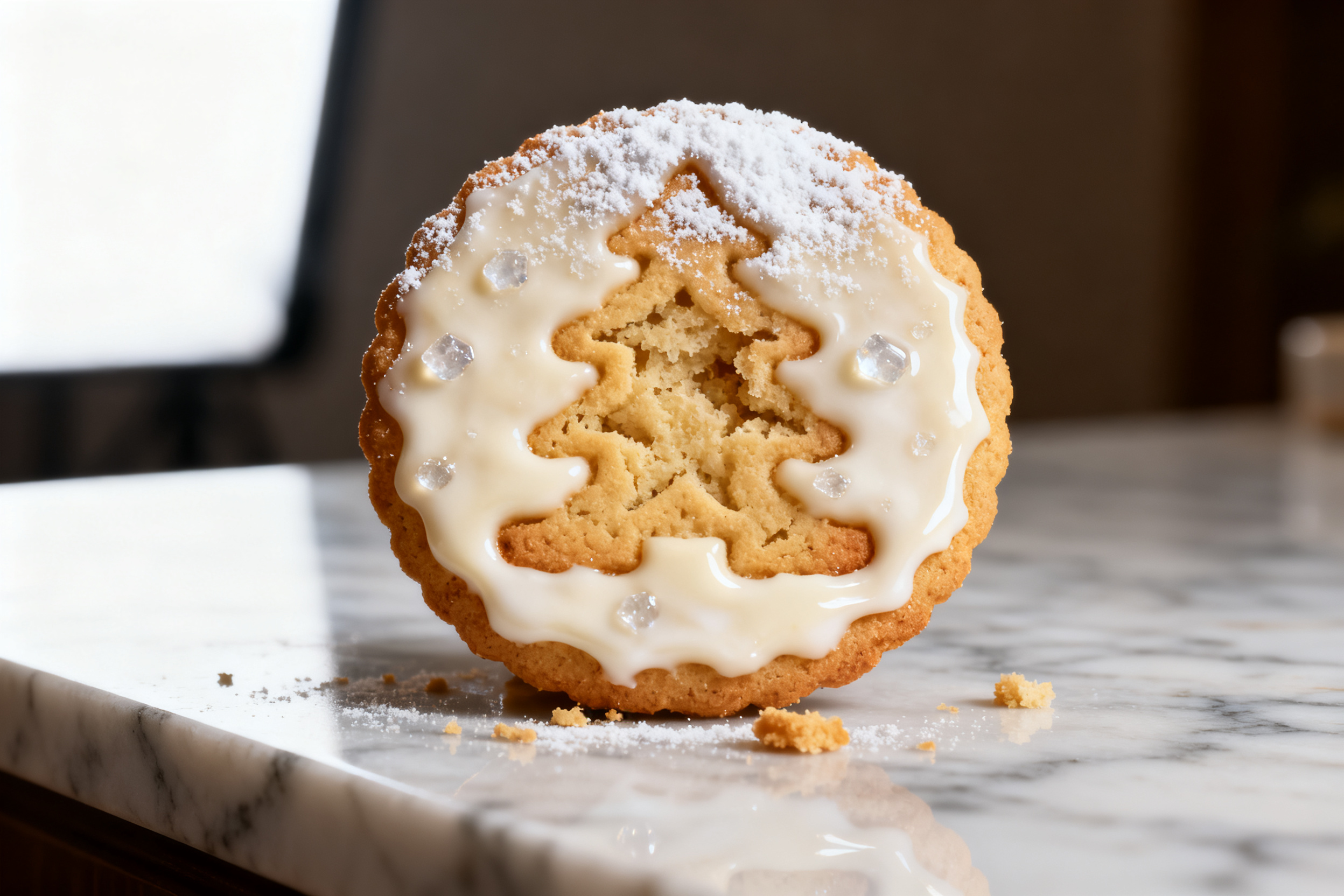
This recipe contains gluten from all-purpose flour and dairy from butter and milk. It also contains eggs.
For a dairy-free swap, use a high-quality vegan butter stick (not the spreadable kind) and your favorite plant-based milk. I’ve had good luck with oat milk here.
If you need a gluten-free version, use a 1-to-1 gluten-free baking flour blend that contains xanthan gum. The dough will be a bit stickier, so chill it for an extra 30 minutes.
2. Ingredient notes & substitutions
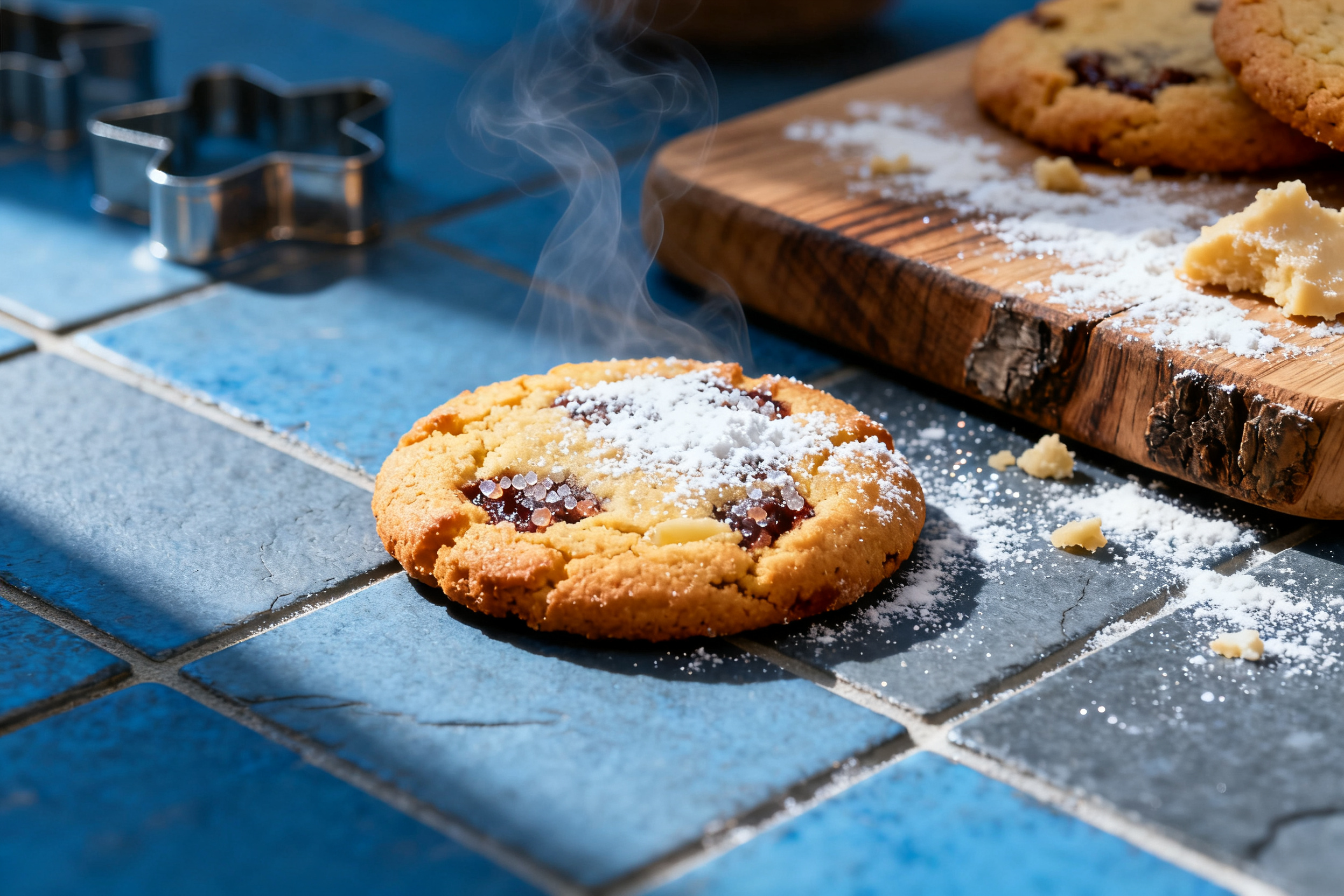
Butter is the star here, so use unsalted butter and make sure it’s softened to room temperature. Cold butter leads to a dense, tough cookie.
Powdered sugar is non-negotiable for that soft texture. It dissolves more easily than granulated sugar and creates that melt-in-your-mouth feel.
For the best flavor, use pure vanilla extract. Imitation vanilla works in a pinch, but the real stuff makes a noticeable difference in a simple cookie like this.
3. Pro tips
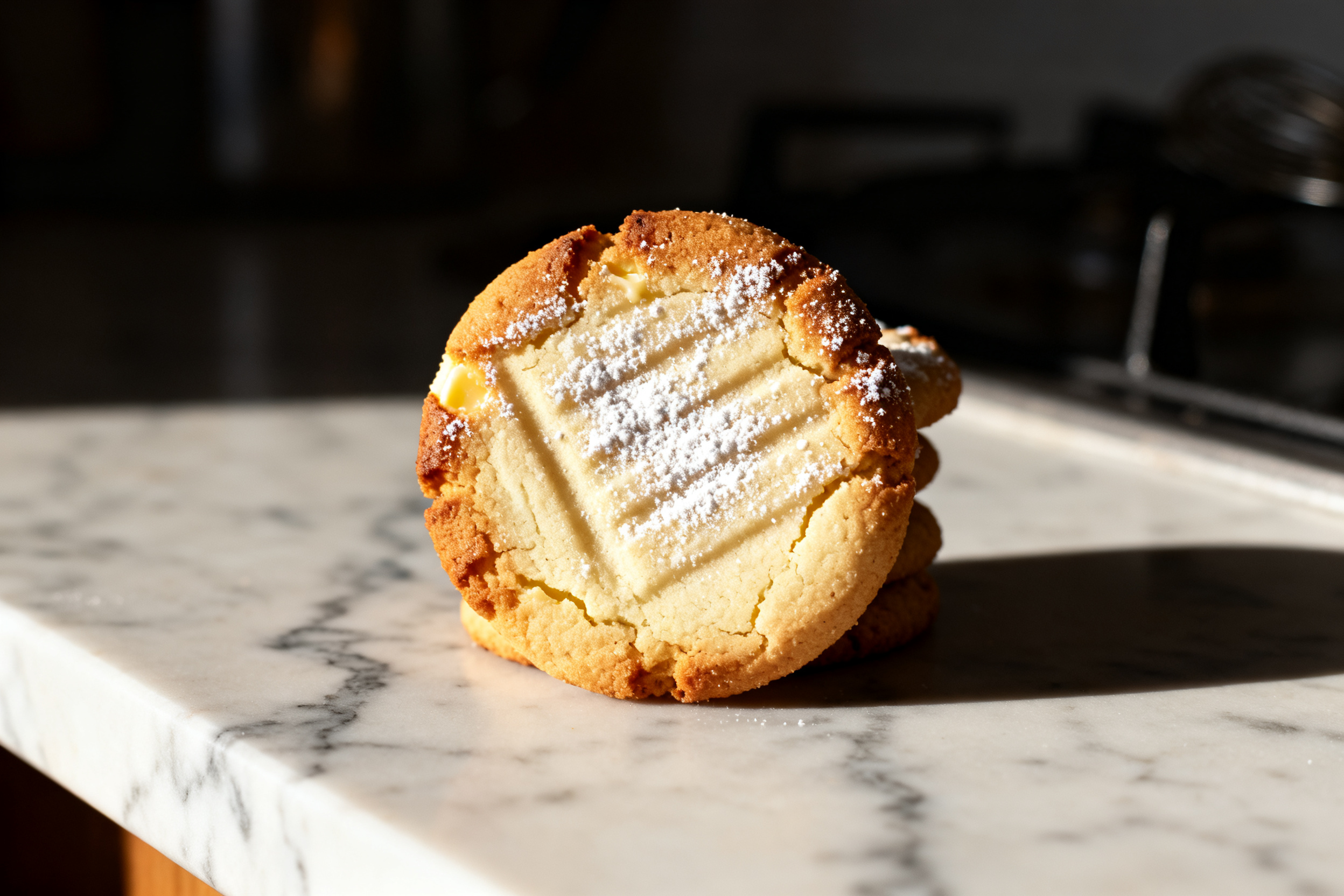
Chill your dough for at least two hours, or overnight. This firms up the butter and prevents spreading, giving you sharp, clean edges on your cutouts.
Roll the dough directly between two sheets of parchment paper. This eliminates the need for extra flour and keeps the dough from cracking.
Always bake on a parchment-lined baking sheet for even browning and easy cleanup. Silicone mats work too, but they can make cookies spread a tiny bit more.
4. Storage & make-ahead (fridge/freezer)

Store undecorated cookies in an airtight container at room temperature for up to a week. Stack them with parchment paper between layers to prevent sticking.
You can make the dough up to three days ahead and keep it wrapped tightly in the fridge. Let it sit at room temperature for 10 minutes before rolling.
Freeze the unbaked cookie dough disks for up to three months. Thaw in the fridge overnight, then roll and cut as usual.
5. Serving suggestions (complete the meal)

These cookies are perfect for a holiday cookie platter alongside gingerbread and chocolate crinkles. They’re the neutral, crowd-pleasing friend that everyone loves.
Pair them with a tall glass of cold milk or a hot mug of spiced chai. For a grown-up twist, serve them with a scoop of vanilla bean ice cream.
They also make fantastic ice cream sandwiches. Just flatten two cookies slightly, bake, cool, and sandwich your favorite ice cream between them.
6. Use your leftovers (reduce waste)
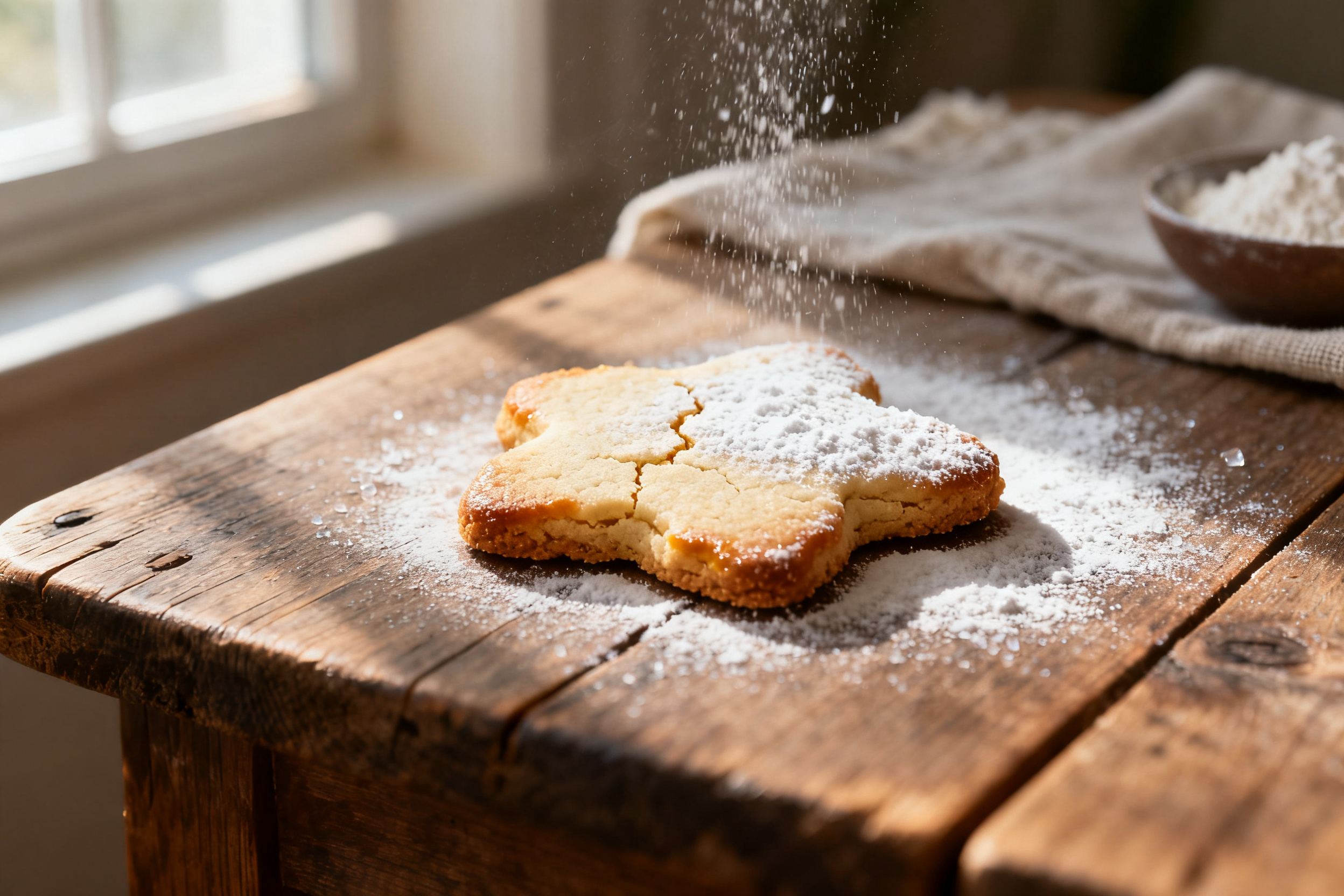
Don’t toss those dough scraps! Gather them into a ball, re-roll, and cut more cookies. You can do this two or three times before the dough gets tough.
Crush any broken or ugly cookies into crumbs and use them as a topping for yogurt, ice cream, or a cheesecake crust. It’s a delicious way to hide your mistakes.
Leftover royal icing can be stored in the fridge for a week. Just re-whisk it and add a drop of water if it’s too thick.
7. Common mistakes & how to fix them
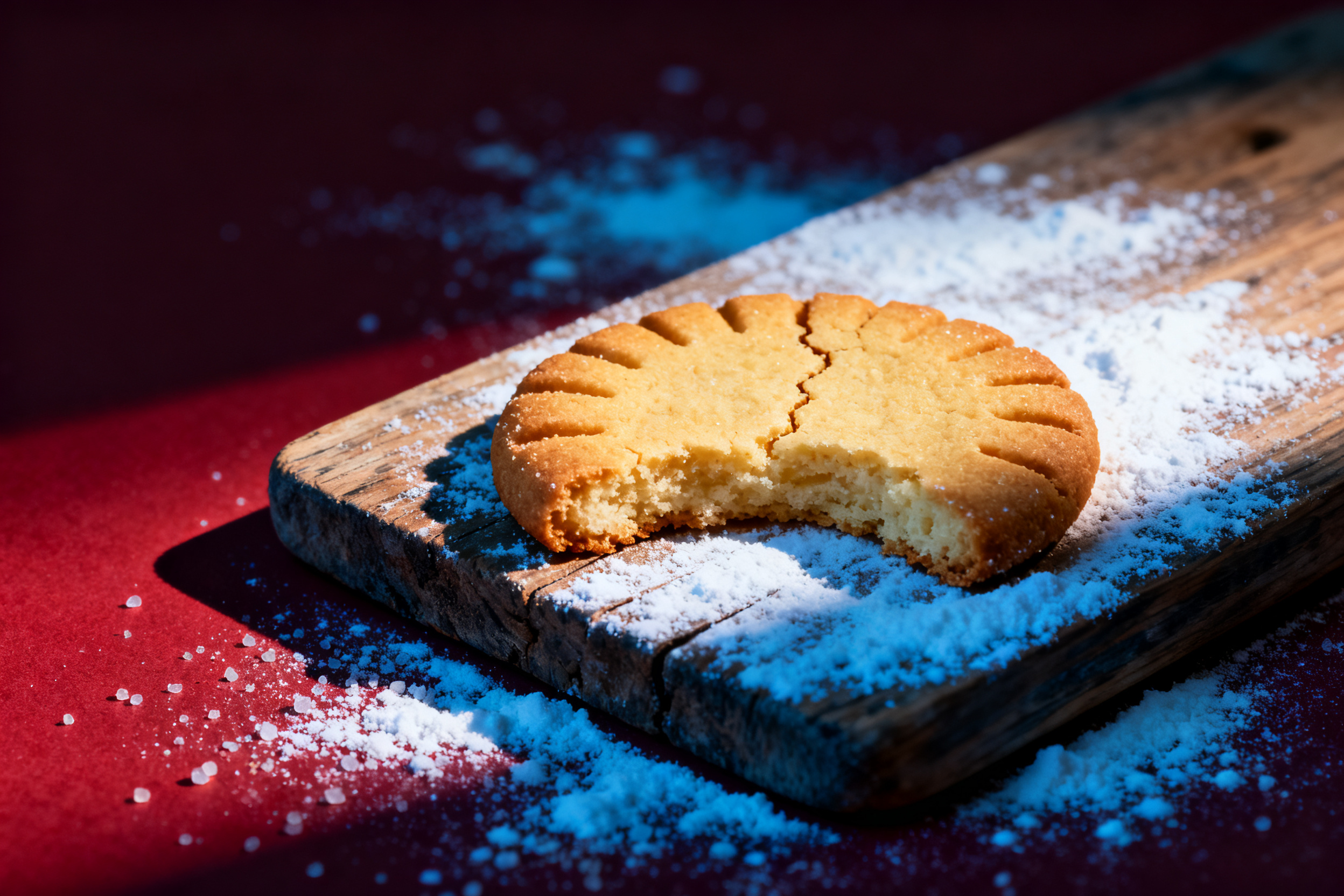
Cookies spreading too much? Your dough was too warm. Pop it back in the fridge for 20 minutes before baking.
Cookies puffing up in the middle? You didn’t chill them long enough, or your baking powder is too fresh. Use a bench scraper to gently flatten them right out of the oven.
Dough cracking while rolling? It’s too cold or too dry. Let it sit at room temperature for 5 minutes and lightly spritz it with water if needed.
8. Variations by diet or flavor profile
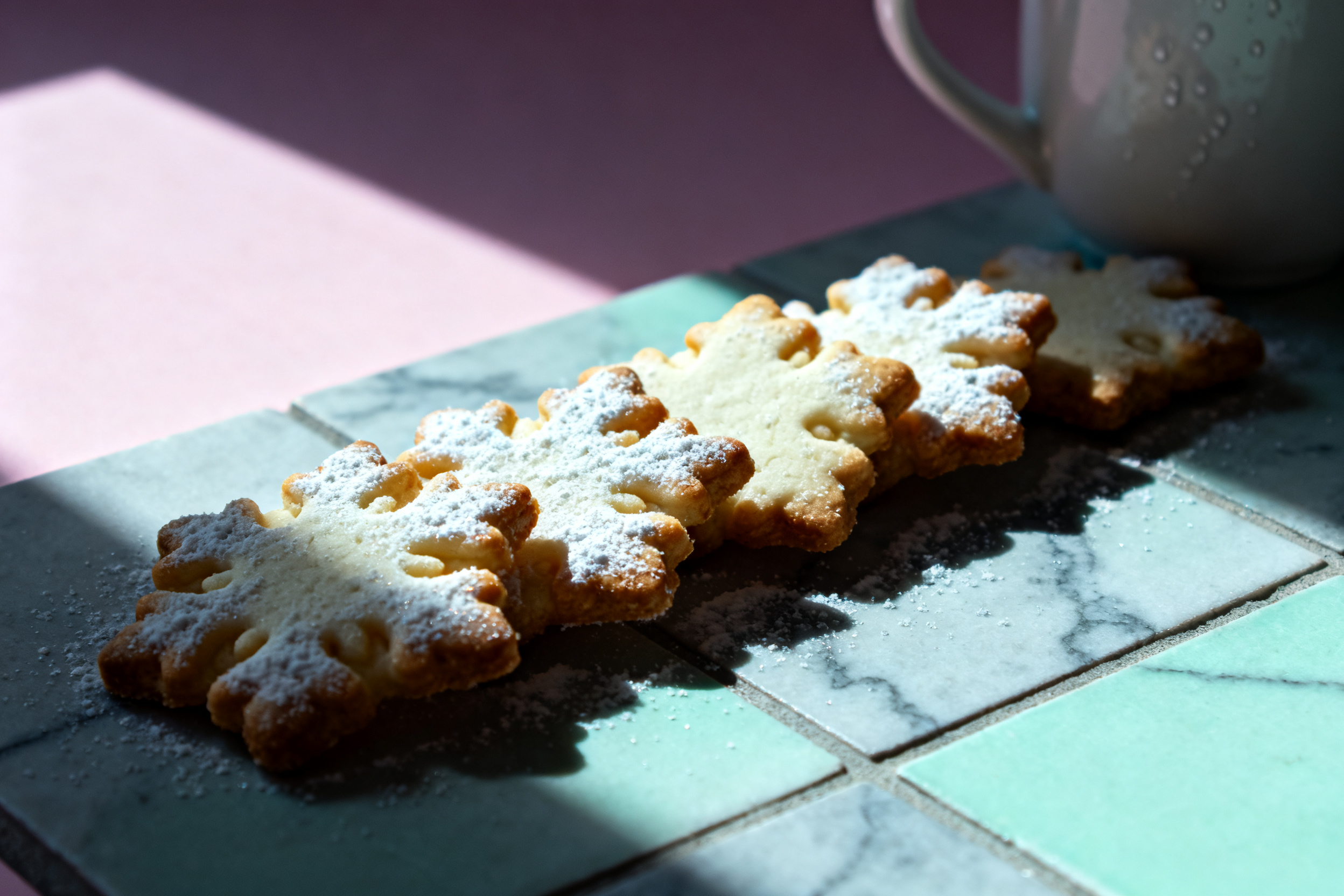
For a citrus kick, add one tablespoon of lemon or orange zest to the dough. It brightens the flavor beautifully for spring cookies.
Make them chocolate by replacing 1/4 cup of the flour with unsweetened cocoa powder. You’ll get a rich, dark sugar cookie that’s amazing with white icing.
For a vegan version, use a flax egg (1 tablespoon ground flaxseed mixed with 3 tablespoons water) and vegan butter. The texture will be slightly softer but still delicious.
9. Why this recipe works (the science)
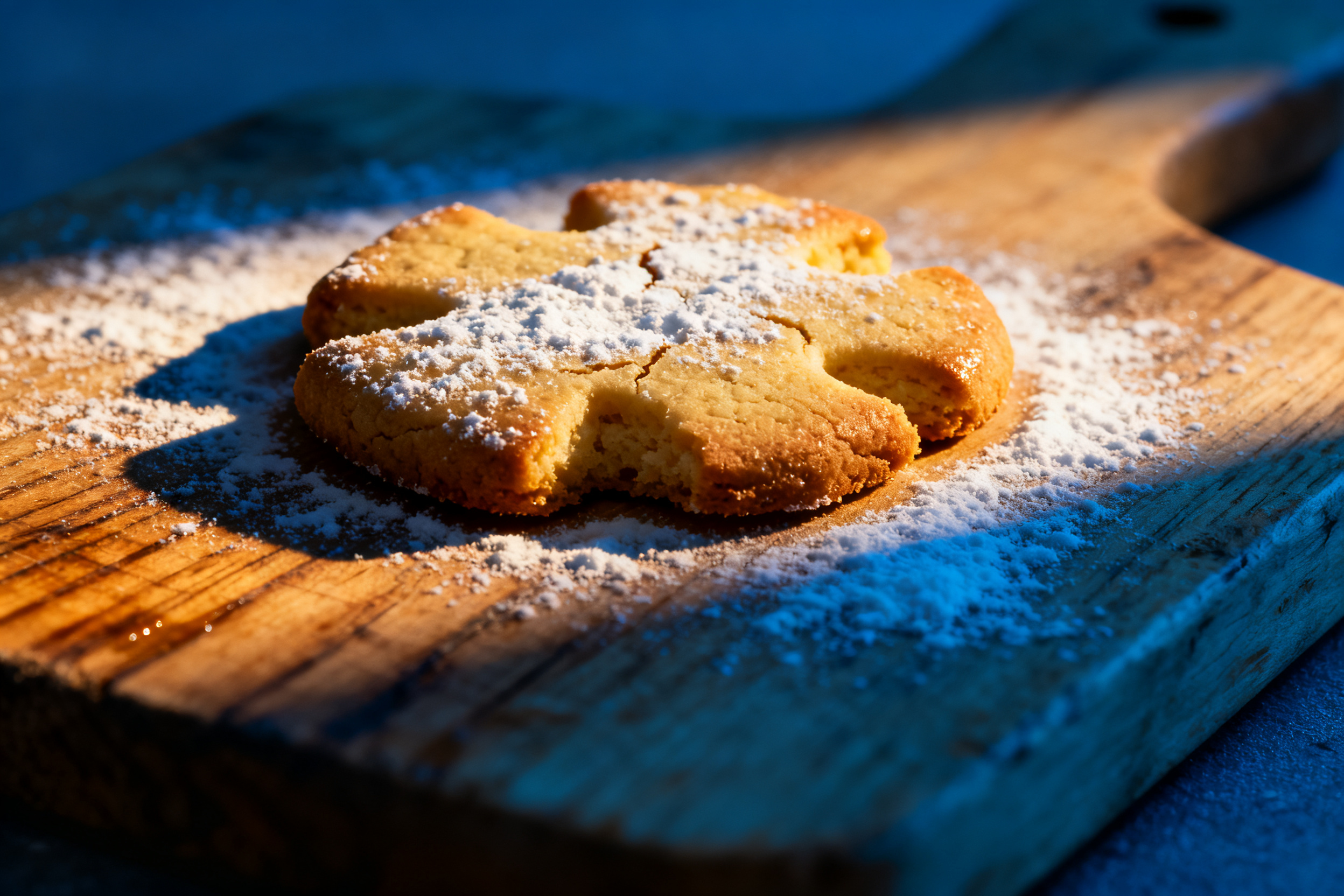
The secret is using powdered sugar instead of granulated. Powdered sugar contains cornstarch, which absorbs moisture and prevents gluten from forming too much, keeping the cookies tender.
The high fat-to-flour ratio also limits gluten development. Less gluten means a softer, more delicate crumb that doesn’t turn into a hockey puck.
Chilling the dough solidifies the butter. When the butter melts slowly in the oven, the cookies spread less and hold their cut-out shapes perfectly.
10. Frequently Asked Questions (FAQ)
Can I use margarine instead of butter? I wouldn’t recommend it. Margarine has a higher water content, which leads to spreading and a greasy texture.
Why did my cookies turn out hard? You likely overbaked them. Pull them out when the edges are just barely set and the centers still look slightly soft. They will firm up as they cool.
Can I freeze the baked cookies? Absolutely. Freeze undecorated cookies in a single layer on a baking sheet, then transfer to a freezer bag for up to three months.
11. Call to action (comment, share, subscribe)

Now go forth and bake the softest, chewiest sugar cookies of your life. I promise your cookie cutter collection will finally get the workout it deserves.
Drop a comment below and tell me your favorite cookie shape to cut out. I’m always looking for new ideas, and I swear I can still taste that first perfect batch.
If you loved this cut out sugar cookie recipe, share it with a friend who needs a win in the kitchen. And don’t forget to subscribe so you never miss a recipe that actually works the first time.
Happy baking, and may your royal icing always be the perfect consistency.
Soft and Chewy Cut Out Sugar Cookies
Ingredients
- 1 cup 2 sticks unsalted butter, softened
- 1 1/2 cups powdered sugar
- 1 large egg
- 2 teaspoons pure vanilla extract
- 2 1/2 cups all-purpose flour
- 1/2 teaspoon baking powder
- 1/2 teaspoon salt
Instructions
- In a large bowl, cream the softened butter and powdered sugar together with an electric mixer until light and fluffy, about 2-3 minutes.
- Beat in the egg and vanilla extract until fully combined, scraping down the sides of the bowl as needed.
- In a separate bowl, whisk together the flour, baking powder, and salt. Gradually add the dry ingredients to the wet mixture, mixing on low speed until a soft dough forms.
- Divide the dough in half, shape each half into a flat disk, and wrap tightly in plastic wrap. Refrigerate for at least 2 hours, or up to 3 days.
- Preheat your oven to 375°F (190°C) and line two baking sheets with parchment paper.
- On a lightly floured surface (or between two sheets of parchment), roll one disk of dough to 1/4-inch thickness. Cut into desired shapes and transfer to the prepared baking sheets, spacing them about 1 inch apart.
- Bake for 8-10 minutes, or until the edges are just set and the centers look slightly soft. Do not overbake.
- Let the cookies cool on the baking sheet for 5 minutes, then transfer to a wire rack to cool completely before decorating.
Notes
2. Decorated cookies can be stored in a single layer for up to 5 days.
3. Freezing: Freeze unbaked dough disks for up to 3 months. Thaw overnight in the fridge before rolling and cutting.
4. Substitution: For a citrus version, add 1 tablespoon of lemon or orange zest with the vanilla extract.
5. Tip: If the dough cracks while rolling, let it sit at room temperature for 5 minutes to soften slightly.