
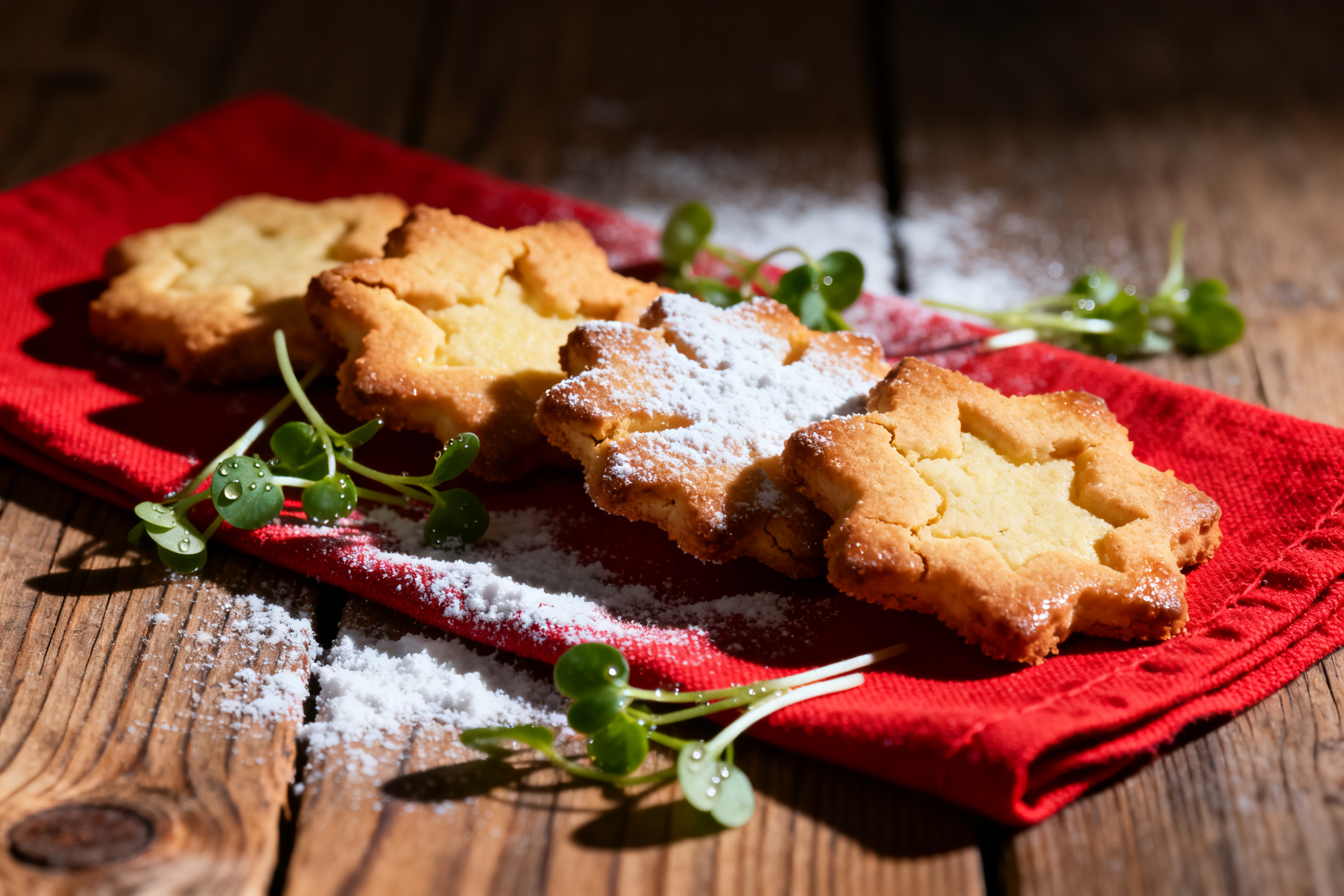
Ever spend an hour chilling dough, rolling it out, and carefully cutting perfect stars only to pull them from the oven and find a blob with angry, rounded corners? Yeah, me too. It used to drive me absolutely bonkers.
This sugar cookie recipe cut out method is the exact reason I stopped buying those pre-made tubes from the store. I finally cracked the code for cookies that hold a sharp, clean line from the cutter to the plate.
No spread, no puffing, just a crisp, buttery canvas ready for royal icing. I am talking about edges so sharp you could (please don’t) cut yourself on them.
1. Allergens
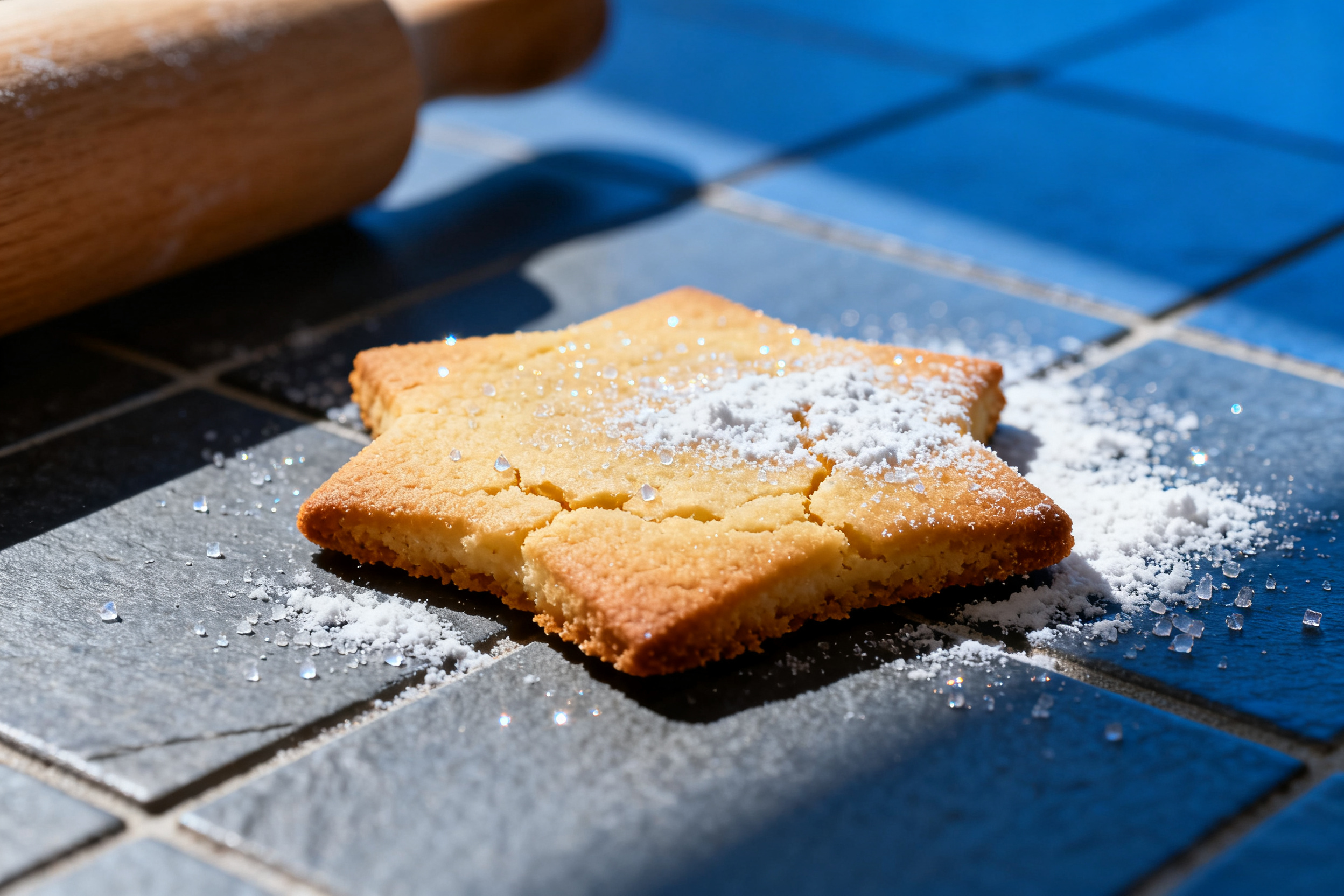
This recipe contains gluten (from all-purpose flour) and dairy (from butter). It also includes eggs. If you are baking for someone with an egg allergy, you can try a flax egg, but the texture of the dough will change slightly.
For a dairy-free version, swap the butter for a high-quality vegan butter block that contains at least 80% fat. Avoid the soft spreadable tubs unless you want a flat cookie.
2. Ingredient notes & substitutions
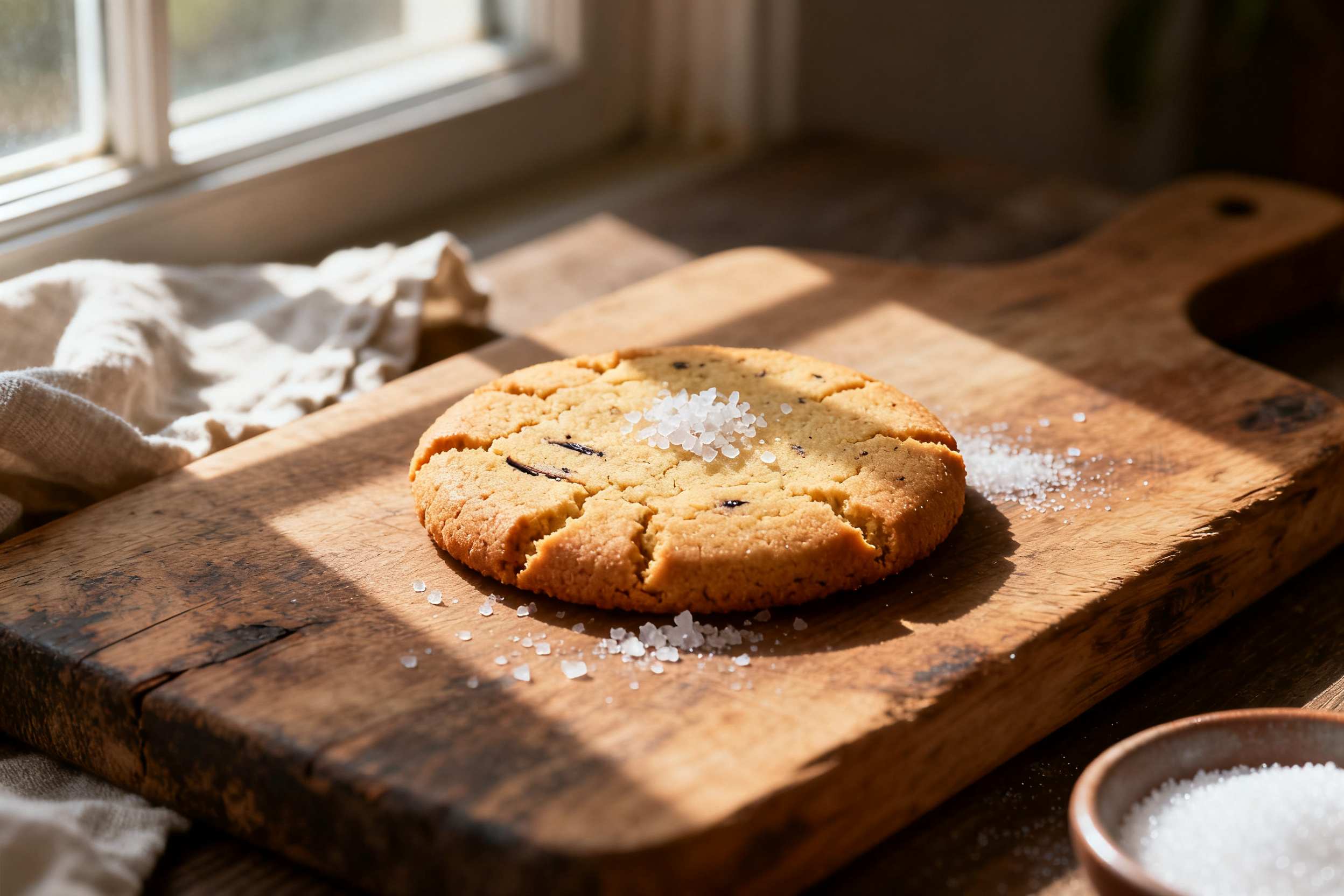
Butter is the star here. Use unsalted butter so you control the salt content. If you only have salted, just reduce the added salt to a pinch.
Powdered sugar is non-negotiable for that melt-in-your-mouth texture. Granulated sugar makes a grainier cookie that spreads more. Trust me, your local grocery store carries it.
Do not skip the cream of tartar. It is the secret weapon that prevents the sugar from crystallizing and keeps the cookies soft in the center while staying crisp on the edges.
3. Pro tips
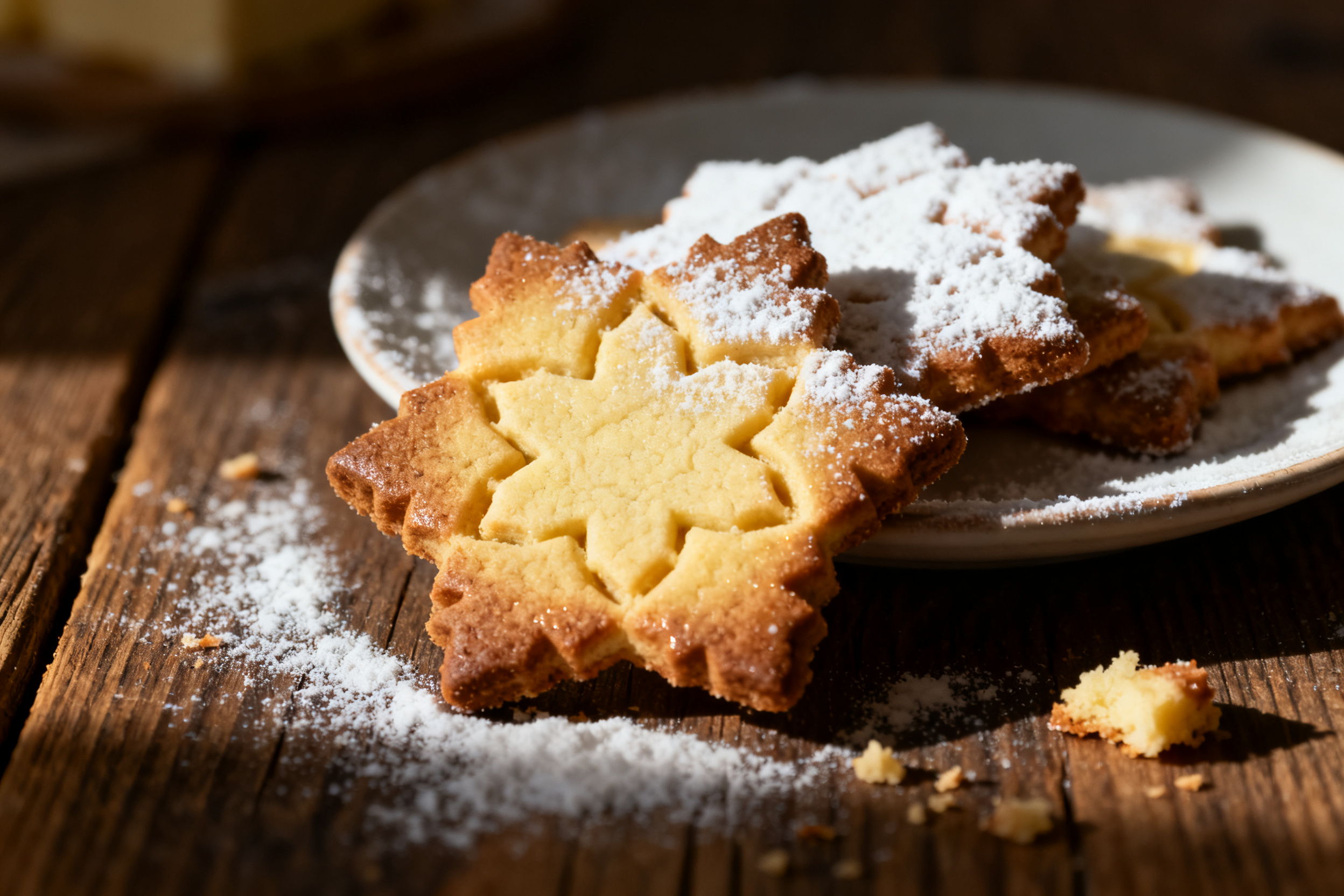
Chill your cut-outs on the baking sheet for 10 minutes before they go into the oven. That cold butter takes longer to melt, which buys you time for the structure to set.
Roll the dough between two sheets of parchment paper. No flour dusting needed, no sticky mess, and you can slide the whole thing right into the fridge.
For the sharpest edges, use a metal cookie cutter and push straight down. Do not twist the cutter — twisting welds the edges together and causes spreading.
4. Storage & make-ahead (fridge/freezer)
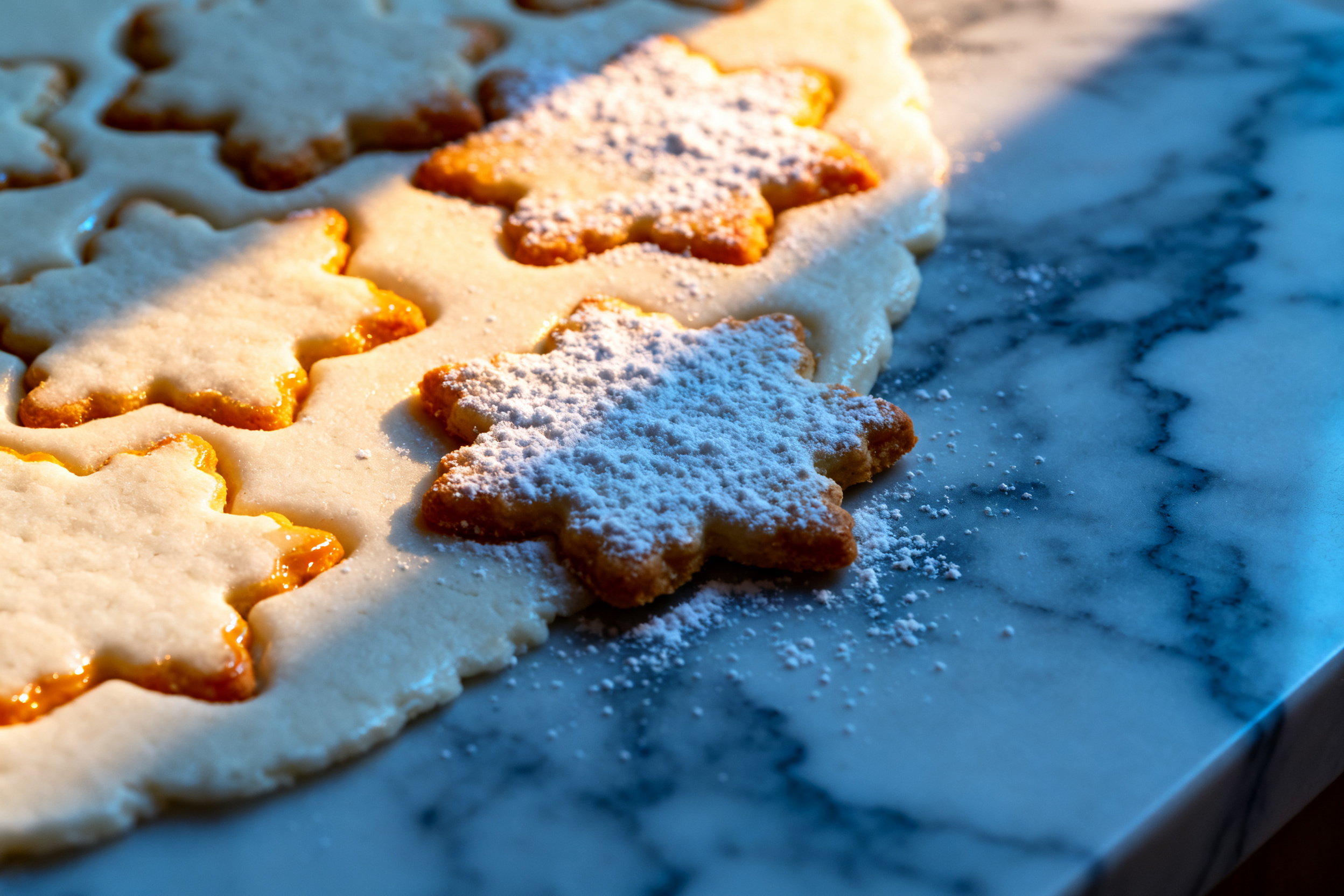
Baked and un-iced cookies freeze like a dream. Stack them in an airtight container with parchment between layers and they keep for three months.
You can make the dough up to three days ahead. Just wrap it tight in plastic wrap and keep it in the fridge. Let it sit on the counter for 5 minutes before rolling so it doesn’t crack.
5. Serving suggestions (complete the meal)
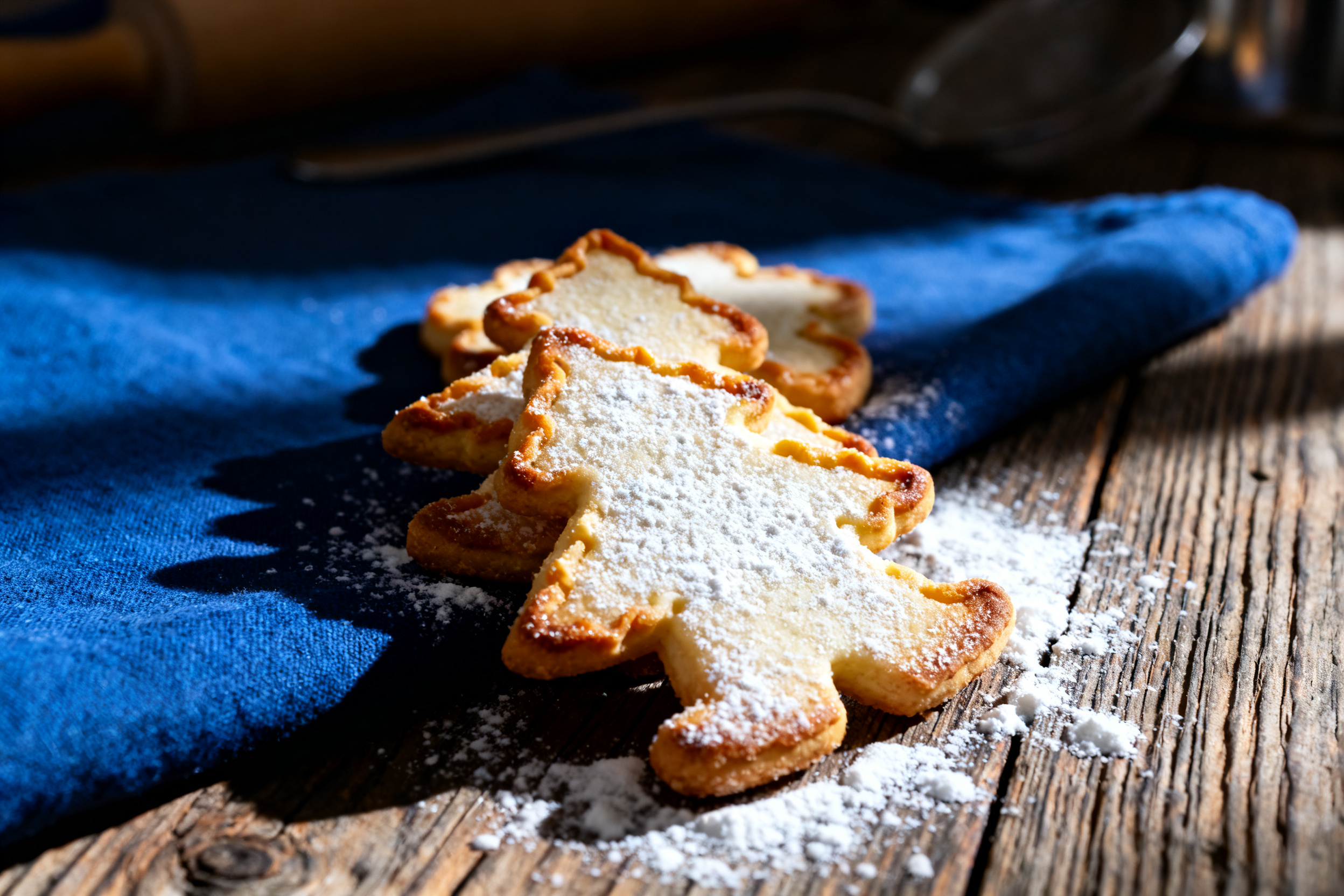
These cookies are basically a blank canvas. Serve them alongside a glass of cold milk for a classic afternoon snack.
They also make a killer ice cream sandwich. Sandwich two cookies around a scoop of vanilla bean ice cream and roll the edges in sprinkles.
For a dessert board, pile them up with fresh berries, chocolate truffles, and a bowl of whipped cream. Instant party.
6. Use your leftovers (reduce waste)
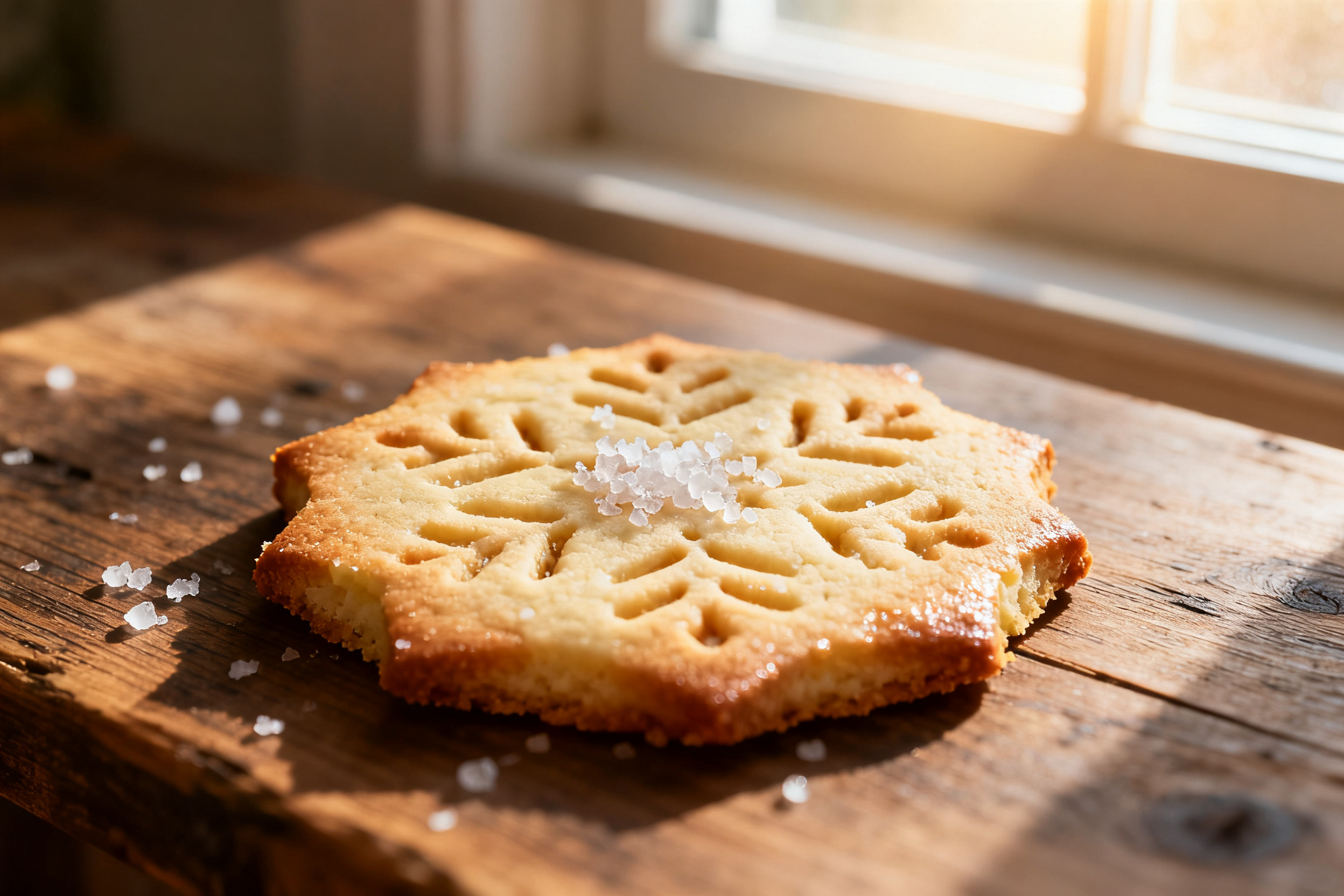
Reroll the scraps only once. The second reroll introduces too much flour and makes the cookies tough. After that, bake the odd shapes and use them for cookie crumbs.
Crush those leftover scraps into a fine crumb and toast them in a pan with a little butter. Sprinkle over yogurt, ice cream, or even a parfait for a crunchy topping.
7. Common mistakes & how to fix them
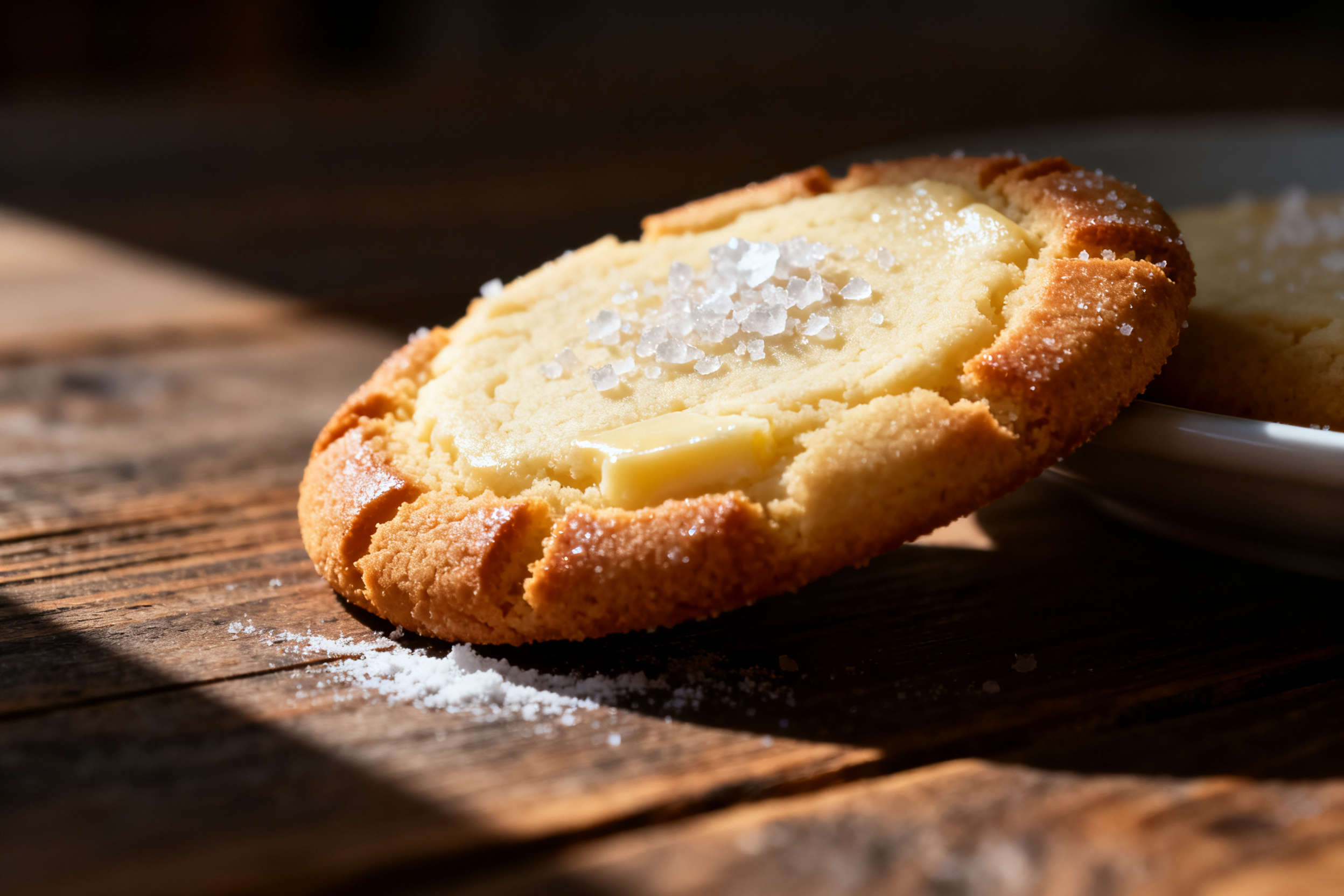
If your cookies spread into blobs, your dough was too warm. Pop the whole baking sheet back in the fridge for 15 minutes and try again.
If they are cracking when you cut them, the dough is too cold. Let it sit at room temperature for just a minute or two until it softens slightly.
If the edges are browning too fast, your oven runs hot. Use an oven thermometer to be sure. You want a true 350°F, not a guess.
8. Variations by diet or flavor profile

For a lemon version, add the zest of two lemons and swap one tablespoon of the milk for fresh lemon juice. The acidity helps keep them tender.
For chocolate sugar cookies, replace 1/4 cup of the flour with unsweetened cocoa powder. Sift it together so there are no lumps.
Gluten-free bakers can swap the all-purpose flour for a 1:1 gluten-free baking blend that contains xanthan gum. The dough will be a bit softer, so chill it well.
9. Why this recipe works / The science
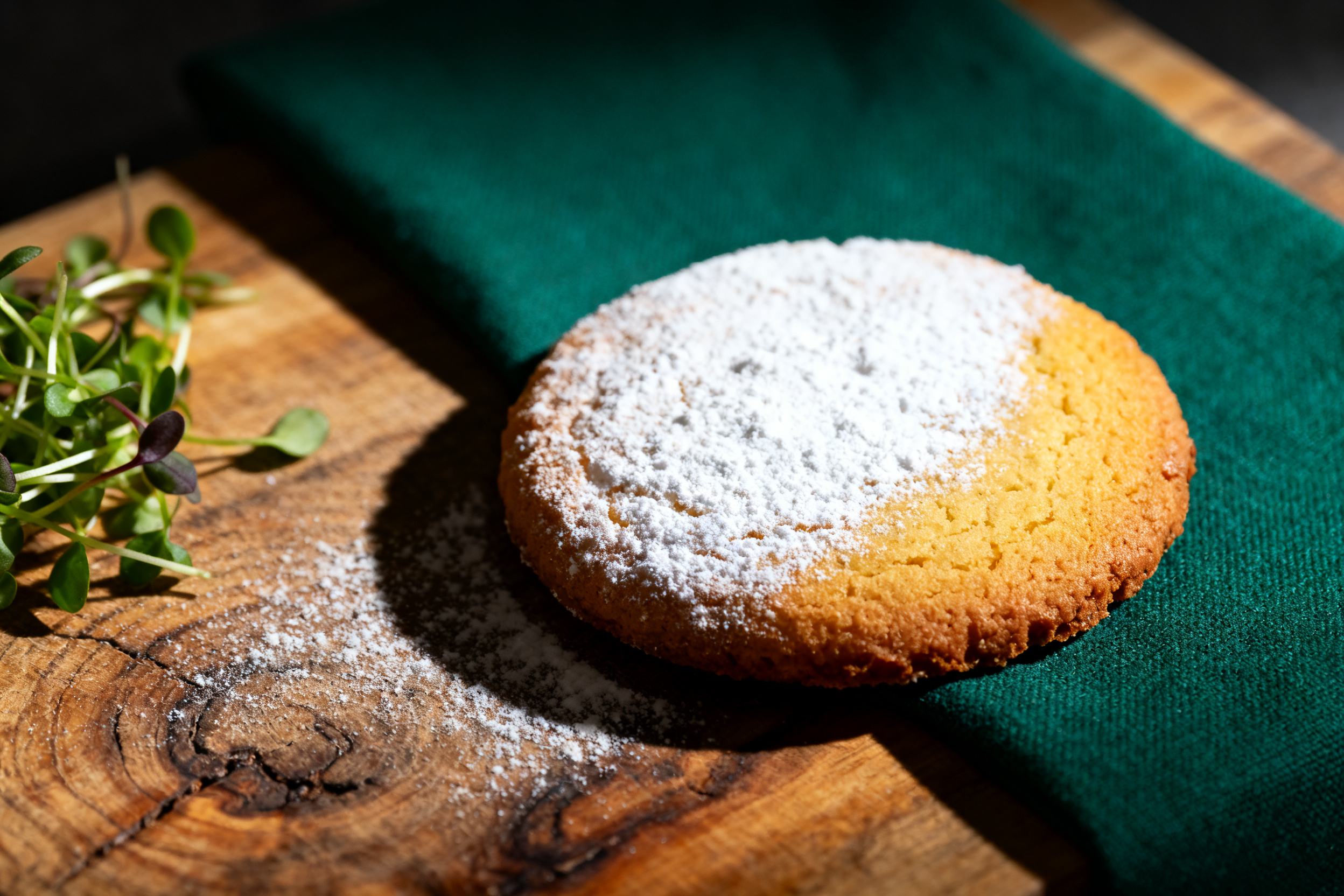
The balance of powdered sugar and butter creates a dough that has very little water content. Less water means less steam, which means the cookie holds its shape instead of puffing up.
The cream of tartar is an acid that interferes with gluten formation. That makes the cookie tender and prevents the gluten from snapping the cookie back into a rounded shape as it bakes.
Chilling the cut shapes is not a suggestion, it is a chemical necessity. Cold fat takes longer to melt, giving the egg and flour structure time to set before the fat spreads.
10. Frequently Asked Questions (FAQ)

Why do my cookies taste like flour? You probably over-floured the rolling surface. Use parchment paper rolling method to avoid adding extra dry flour to the dough.
Can I use this recipe for royal icing? Absolutely. These cookies are flat and even, making them the perfect surface for flooding or piping detailed designs.
How thick should I roll the dough? Exactly 1/4 inch thick for a sturdy cookie. Thinner cookies burn faster and thicker cookies might be doughy in the center.
11. Call to action (comment, share, subscribe)
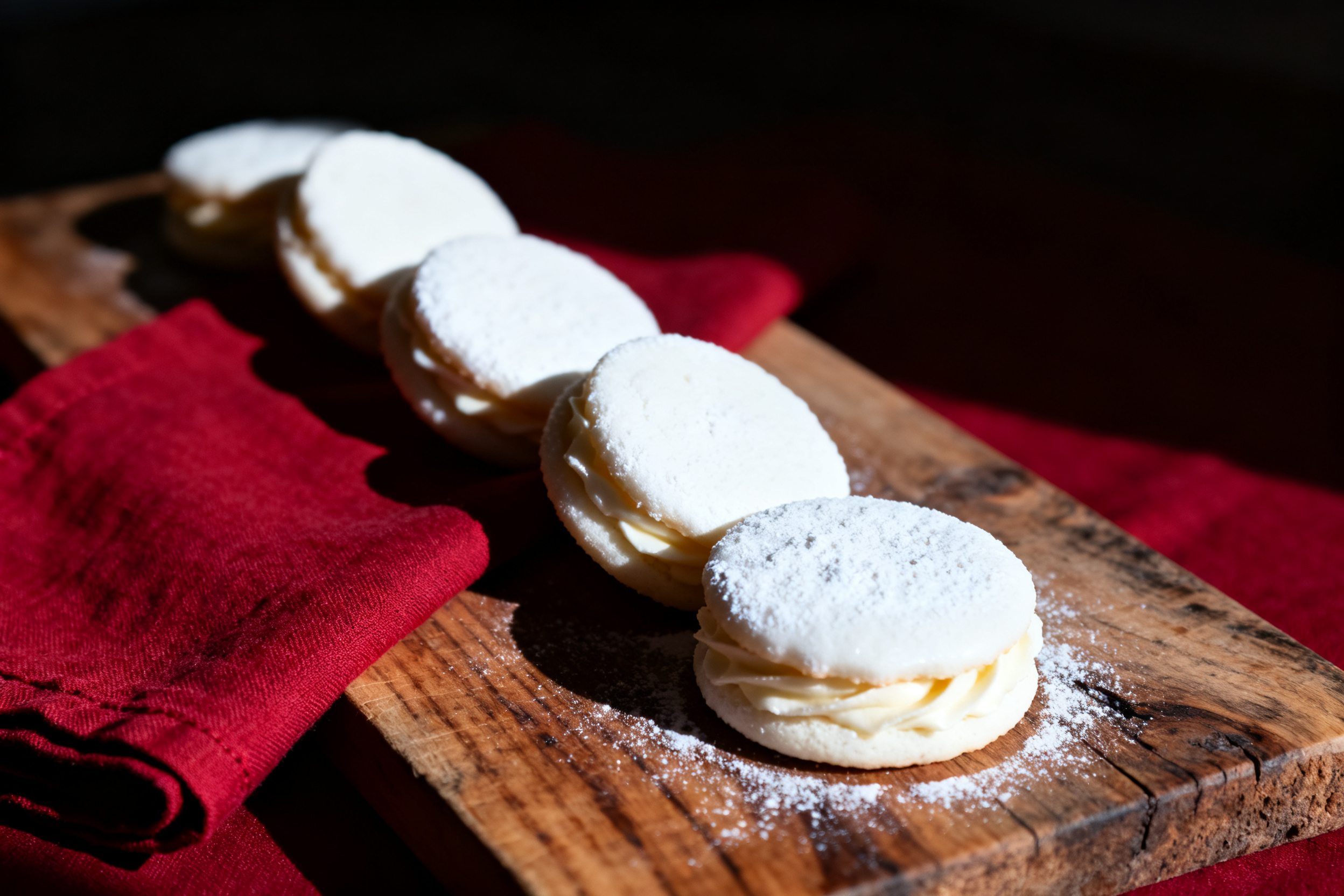
I want to see your sharp edges! Drop a comment below and tell me what cutter shape you used first.
Share this post with a friend who always complains about flat sugar cookies. They will thank you later.
Don’t miss out on the next foolproof recipe. Subscribe to the blog so you never have to settle for blobby cookies again.
There you have it. A no-nonsense, tested-to-death method for cut out sugar cookies that actually look like the shapes you paid good money for. No spreading, no puffing, no guesswork. Just buttery, crisp perfection with edges so sharp you could frame them. Go preheat that oven and show those store-bought logs who is boss.
If you bake a batch, tag me on social media — I honestly get a little giddy seeing those clean lines. Happy baking, and keep those edges sharp.
Perfect Cut Out Sugar Cookies with Sharp Edges
Ingredients
- 1 cup 226g unsalted butter, softened to room temperature
- 1 cup 120g powdered sugar
- 1 large egg room temperature
- 2 tablespoons whole milk
- 1 teaspoon vanilla extract
- 1/2 teaspoon almond extract
- 2 1/2 cups 315g all-purpose flour
- 1/2 teaspoon baking powder
- 1/2 teaspoon cream of tartar
- 1/4 teaspoon salt
Instructions
- In a large bowl, beat the softened butter with an electric mixer on medium speed until creamy, about 1 minute.
- Add the powdered sugar and beat until light and fluffy, about 2 minutes. Scrape down the sides of the bowl.
- Add the egg, milk, vanilla extract, and almond extract. Beat on low until just combined. The mixture may look slightly curdled — that is fine.
- In a separate bowl, whisk together the flour, baking powder, cream of tartar, and salt.
- Gradually add the dry ingredients to the wet ingredients, mixing on low until a soft dough forms. Do not overmix.
- Divide the dough into two equal disks. Wrap each tightly in plastic wrap and refrigerate for at least 1 hour (up to 3 days).
- Preheat your oven to 350°F (175°C). Line two baking sheets with parchment paper.
- Roll one disk of dough to 1/4-inch thickness between two sheets of parchment paper. Cut into desired shapes using metal cookie cutters. Do not twist the cutter.
- Place cut-outs on the prepared baking sheets, spacing them 1 inch apart. Chill the baking sheets for 10 minutes in the refrigerator.
- Bake for 8 to 10 minutes, or until the edges are just barely golden. The centers will look slightly matte, not shiny.
- Let the cookies cool on the baking sheet for 5 minutes, then transfer to a wire rack to cool completely before decorating.
Notes
2. This prevents spreading.
3. Store baked, undecorated cookies in an airtight container at room temperature for up to 2 weeks.
4. Freeze unbaked cut-out cookies on a baking sheet, then transfer to a freezer bag.
5. Bake from frozen, adding 2 minutes to the bake time.
6. If dough becomes too soft to handle during rolling, return it to the fridge for 15 minutes.
7. Almond extract is optional but highly recommended — it gives a classic sugar cookie flavor.
8. Substitute with 1 extra teaspoon of vanilla if preferred.