
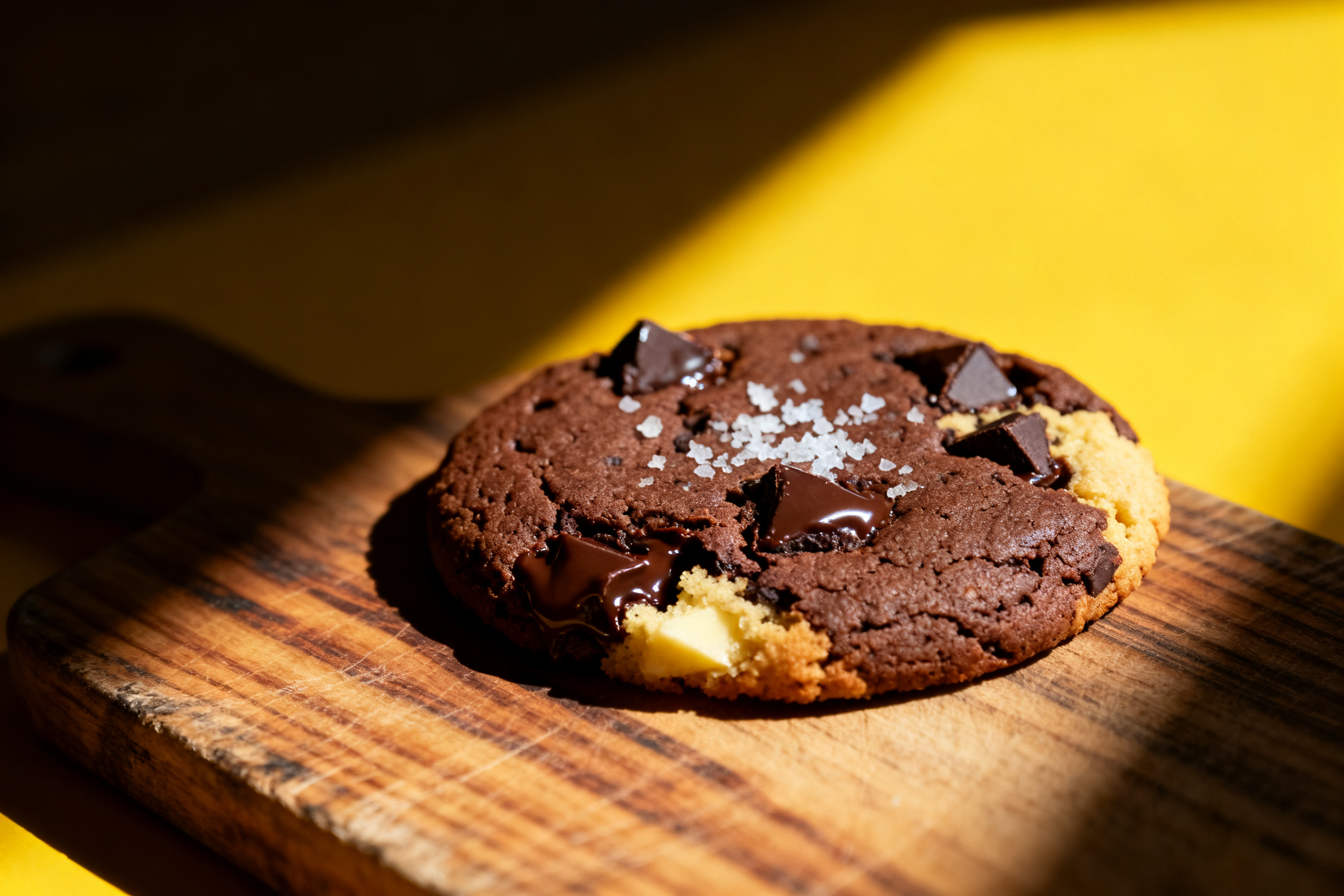
Giant, Thick, and Loaded: Crumbl Cookie Recipe
Ever stared at a Crumbl cookie display case and thought, “I need that in my life, but I also need to save my wallet from another $5 cookie tax”? Yeah, me too. That’s exactly why I locked myself in the kitchen to crack this copycat – and boy, did I crack it.
These cookies are huge, barely-baked-in-the-center soft, and absolutely loaded with mix-ins. No chill time required either, because ain’t nobody got patience for that. FYI, this recipe makes 6 giant cookies, so you can share or hide them in the freezer for “emergencies.”
Grab your mixer and let’s get these puffy beauties into your oven. Your coworkers are about to think you secretly opened a bakery.
Allergens
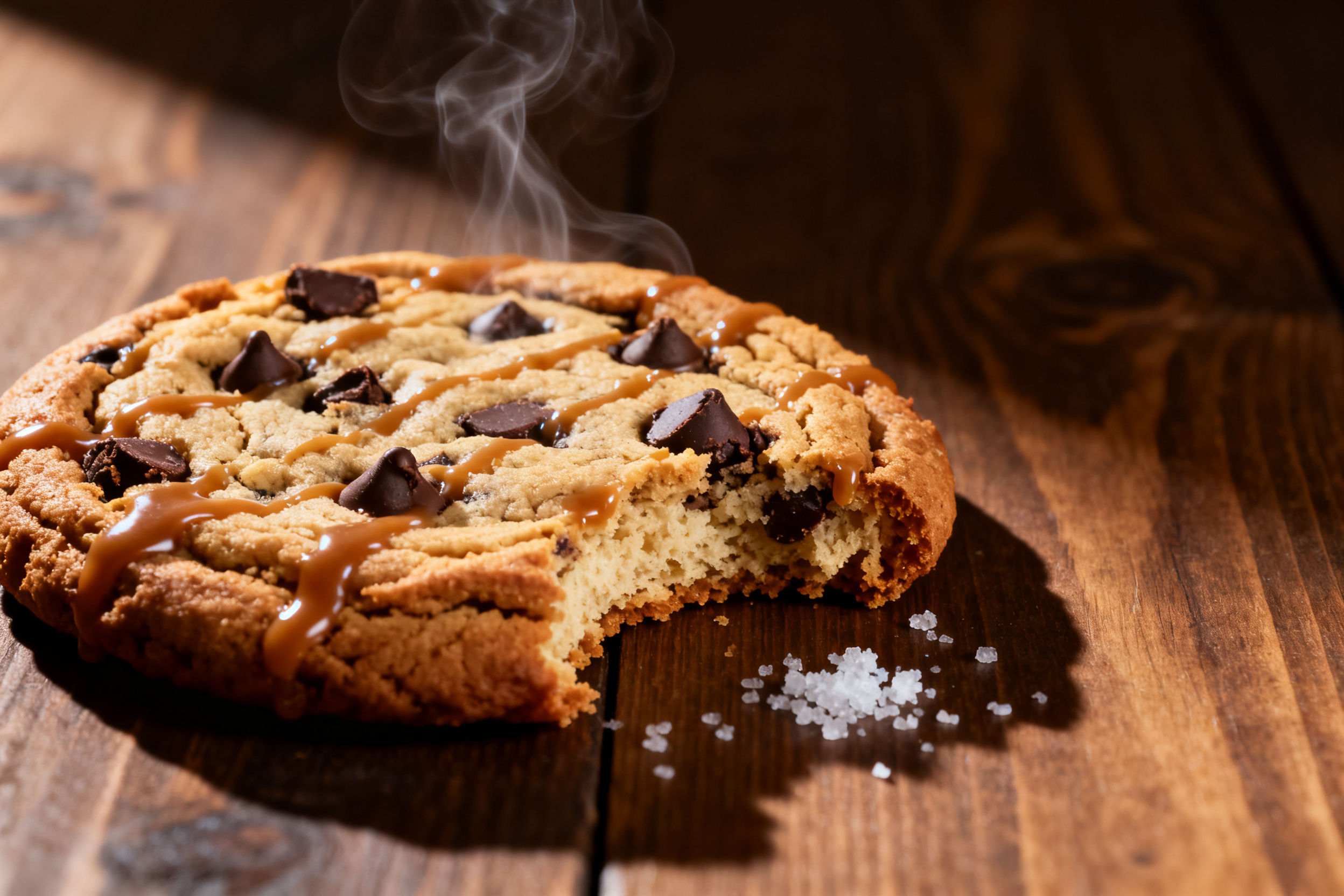
This recipe contains dairy (butter, cream cheese) and gluten (all-purpose flour). It also uses eggs, so it’s not vegan-friendly as written.
If you’re avoiding nuts, check your chocolate chips – some brands are processed on shared equipment. The vanilla extract is generally nut-safe, but always verify labels.
For a dairy-free version, swap the butter with a high-quality vegan butter stick and use a vegan cream cheese substitute. The texture stays surprisingly close.
Gluten-free? Replace the flour with a 1-to-1 gluten-free baking blend that contains xanthan gum. Avoid coconut flour or almond flour – they’ll turn your cookies into crumbly pucks.
Ingredient notes & substitutions
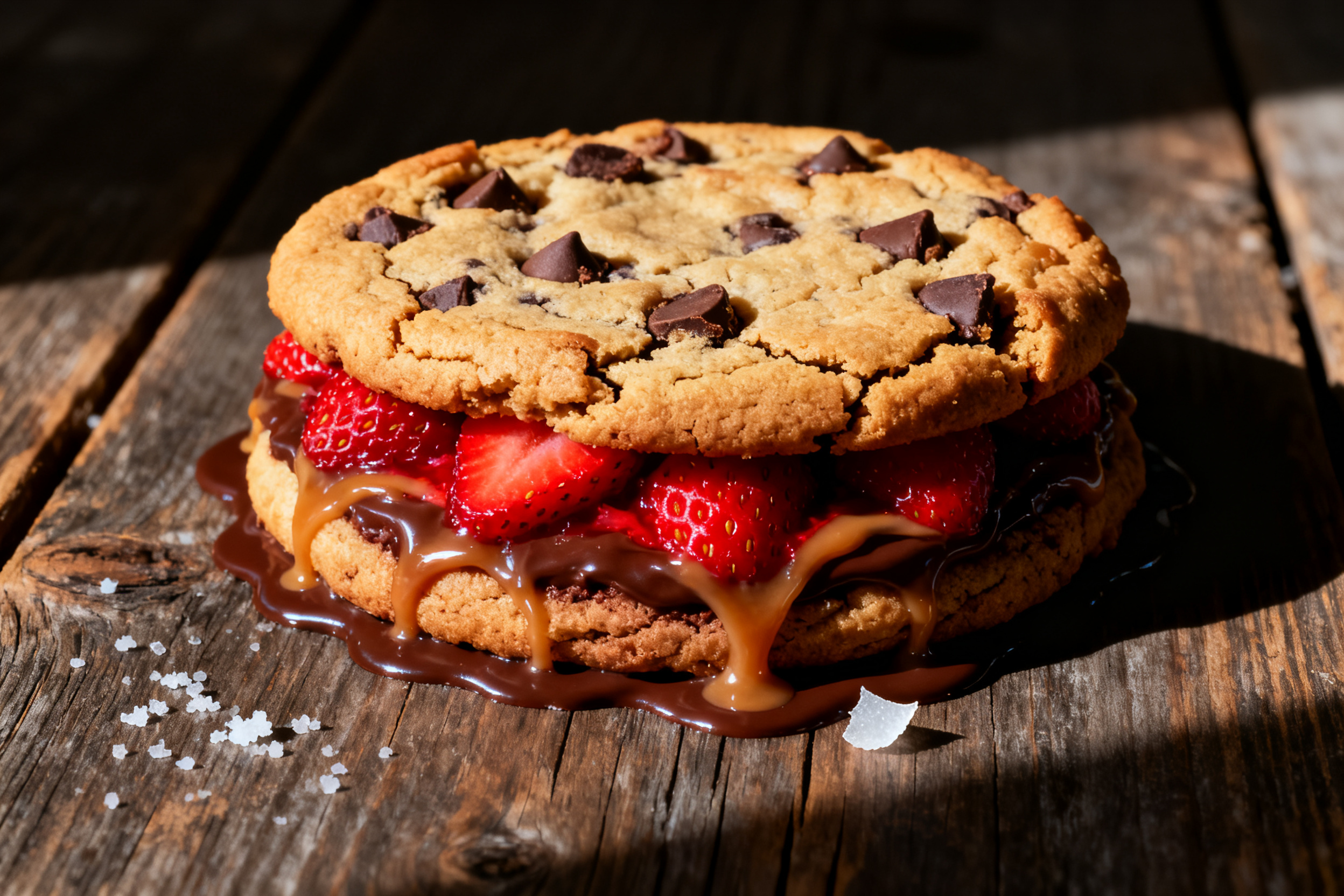
Bleached all-purpose flour gives the fluffiest rise. Unbleached works, but the cookies spread a tiny bit more. Bread flour? Skip it – too much protein makes them tough.
Use cold butter straight from the fridge and cut it into small cubes. Not room temp – cold butter traps steam and creates that infamous Crumbl pillow texture. Cream cheese should also be cold.
Storage & make-ahead
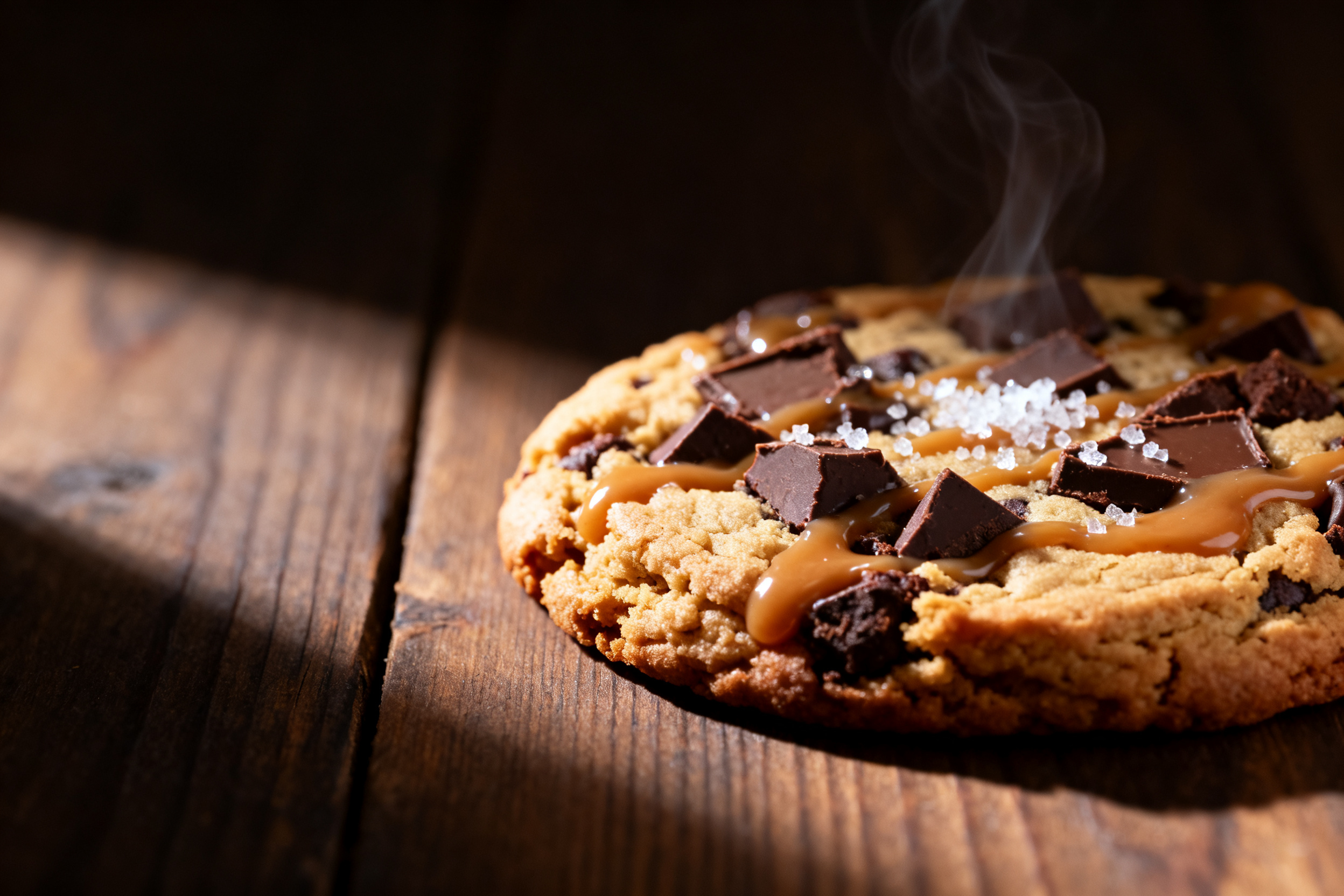
Store baked cookies in an airtight container at room temperature for up to 3 days. Place a slice of bread in the container – it absorbs excess moisture and keeps them soft. Swap the bread slice daily.
For longer storage, freeze the baked cookies in a single layer on a baking sheet, then transfer to a freezer bag. Thaw at room temperature for 20 minutes, then reheat in a 300°F oven for 3–4 minutes to restore the crisp edge.
You can also freeze the raw dough balls. Scoop and shape them, then freeze on a tray until solid. Pop the frozen dough balls into a freezer bag for up to 3 months. Bake from frozen – just add 2–3 minutes to the baking time.
Make-ahead tip: prepare the dry ingredients (flour, baking soda, cornstarch, salt) in a ziplock bag and store at room temperature. Mix wet ingredients separately when you’re ready to bake. This cuts prep time in half on a busy day.
If you’re taking cookies to a party, bake them the morning of the event. They’re best within 12 hours of baking – after that, the texture starts to lean toward cakey.
Never refrigerate baked cookies unless you want them to go dry and stale. The fridge’s dry air sucks moisture right out. Stick with room temp or freezer.
Serving suggestions
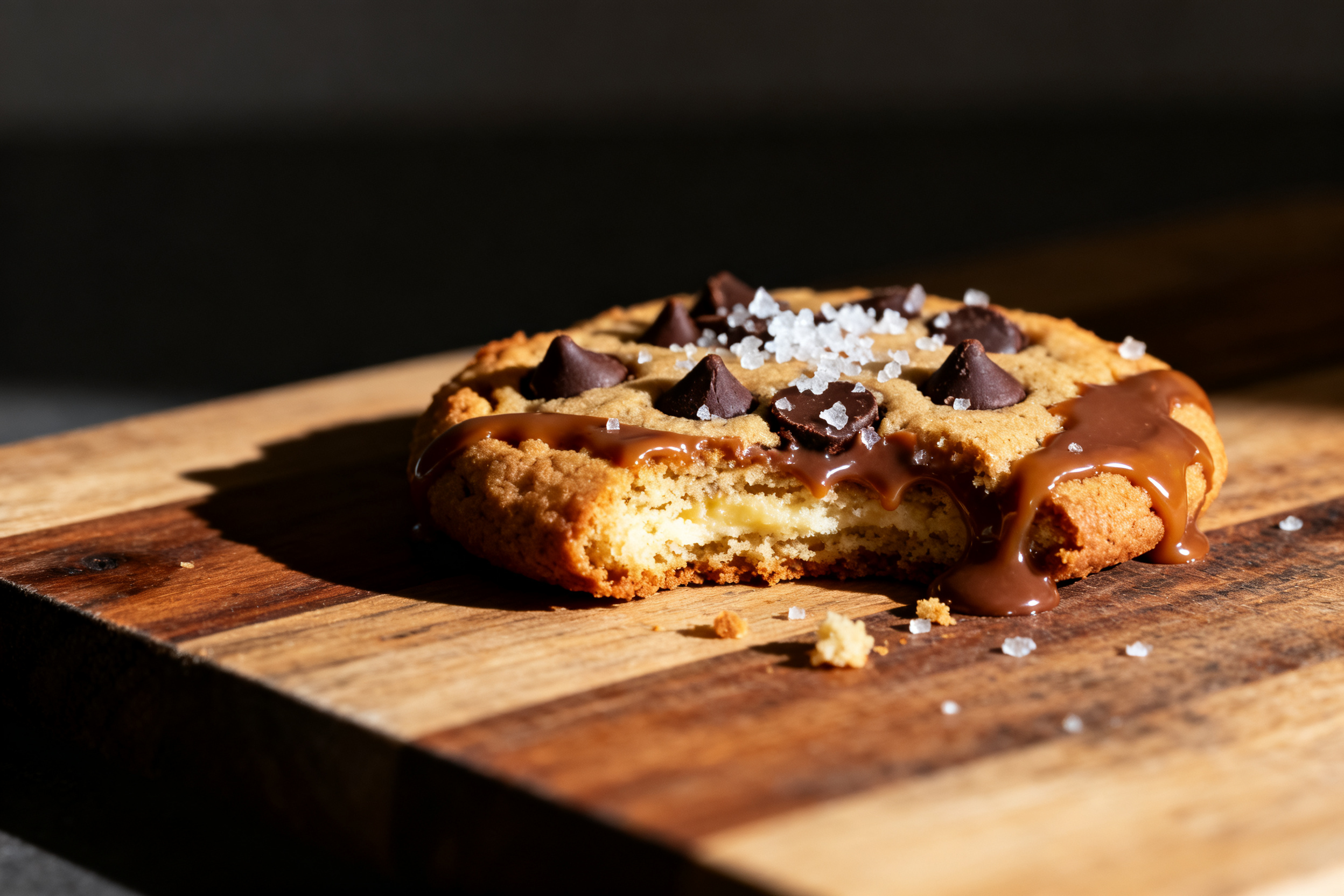
These cookies are a standalone dessert, but they love company. Pair a warm cookie with a tall glass of cold milk or a scoop of vanilla bean ice cream for an epic cookie sundae.
Crush them over brownies or layer them into a trifle with whipped cream and berries. They’re also amazing crumbled over yogurt for a decadent breakfast (no judgment here).
If you’re feeling extra, drizzle with melted white chocolate or a quick powdered sugar glaze. That “loaded” look gets even more impressive for parties.
Use your leftovers
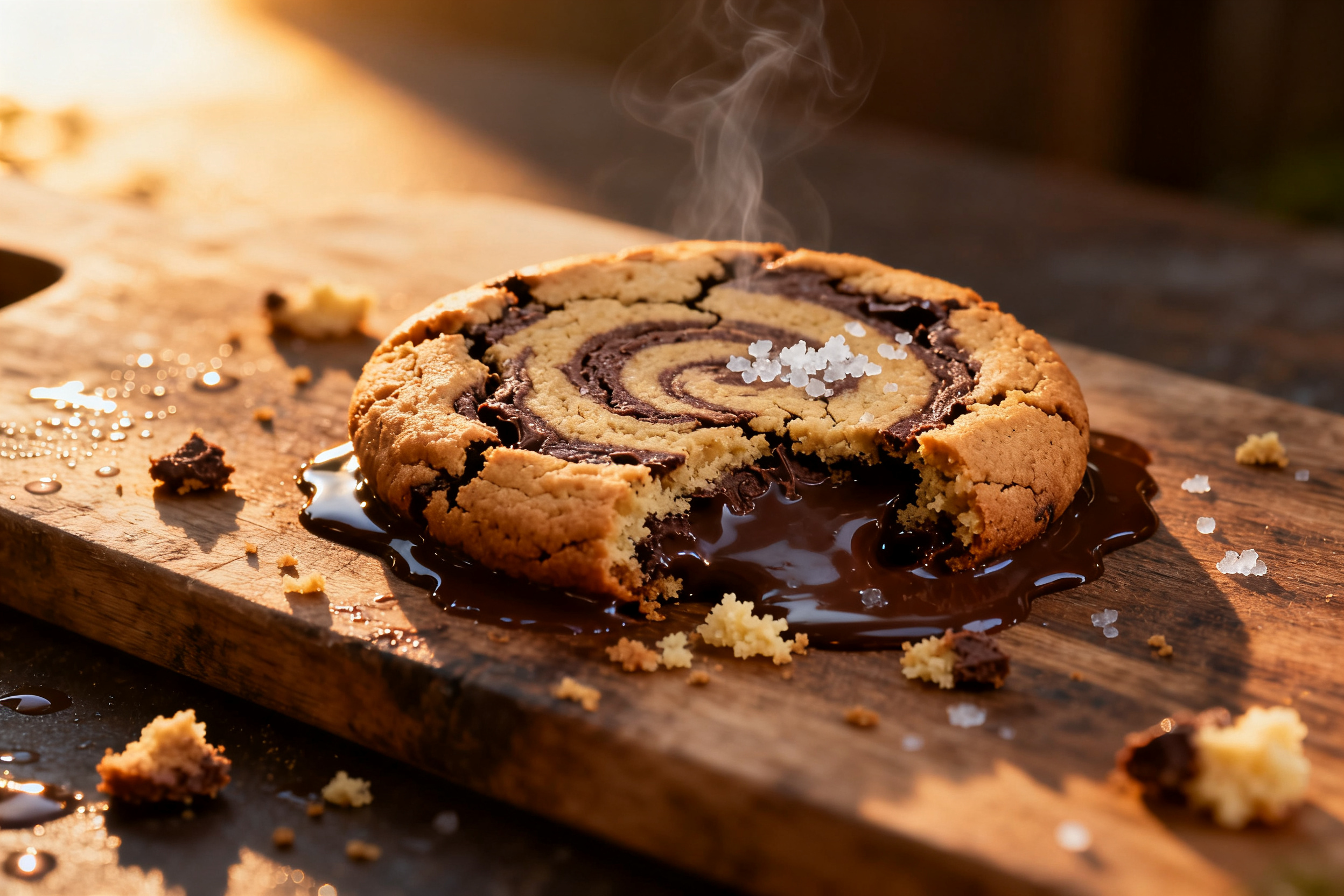
If you somehow have leftover dough (ha!), freeze the scraps and later use them as ice cream stir‑ins – just chop the frozen dough into small chunks and fold into softened vanilla ice cream before refreezing. You’re welcome.
Common mistakes & how to fix them
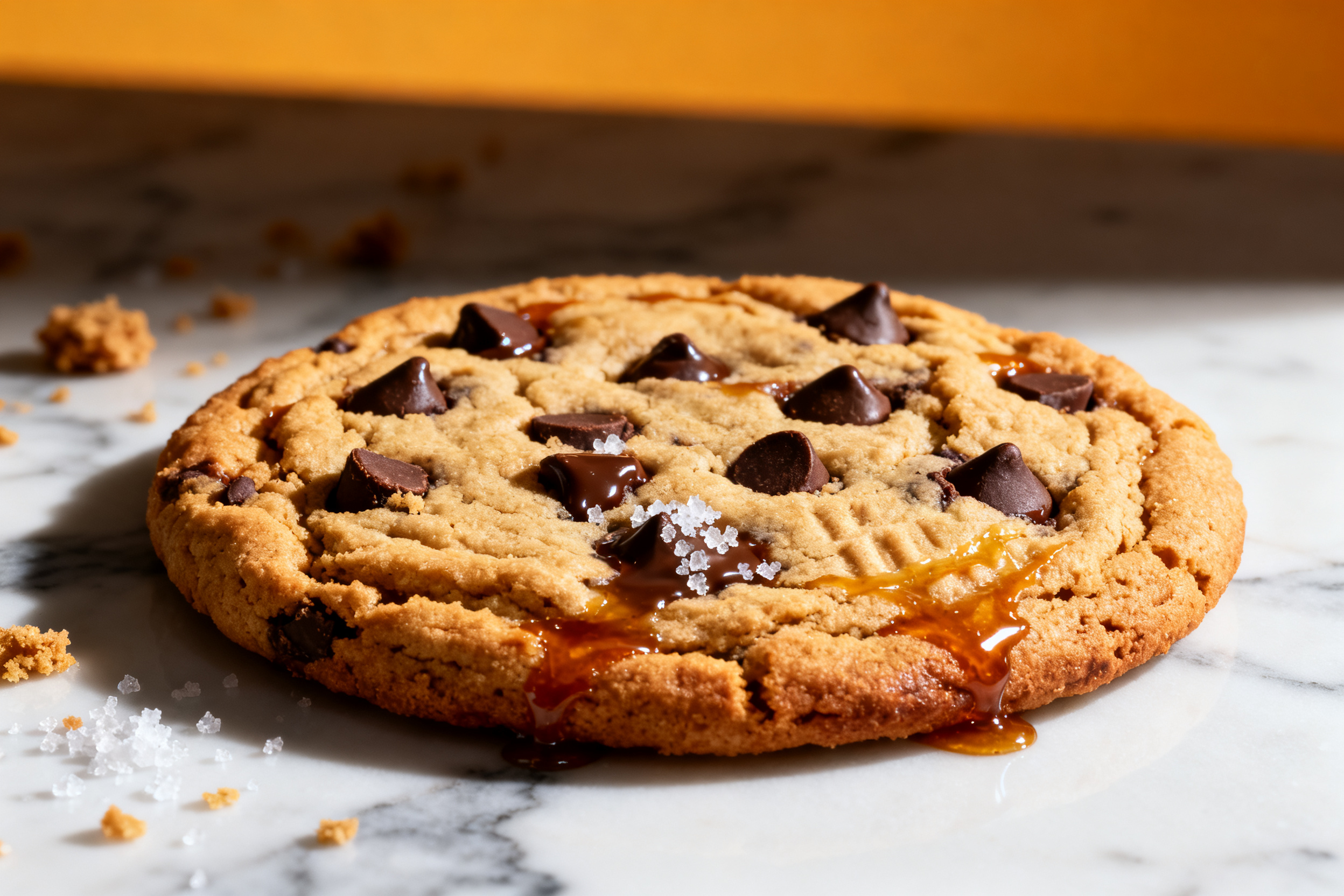
Cookies spread into pancakes. Most likely your butter was too soft or your dough wasn’t chilled. Next time, cube the butter cold and chill the scooped dough a full 30 minutes. Also check your baking soda – old soda won’t give proper lift.
Cookies are dry and crumbly. You probably overbaked them or measured flour with a heavy hand. Pull them when the center still looks slightly wet. And next time, spoon and level or weigh your flour.
Center didn’t set and collapsed. The cookies were pulled too early or the oven temperature was too low. Use an oven thermometer to verify temp – many ovens run cool. And let them rest on the hot tray for a full 5 minutes before moving.
Chocolate chips all sank to the bottom. Your dough might be too wet or you used mini chips. Toss the chips in a tablespoon of flour before folding them in – that friction helps them stay suspended.
Variations by diet or flavor profile
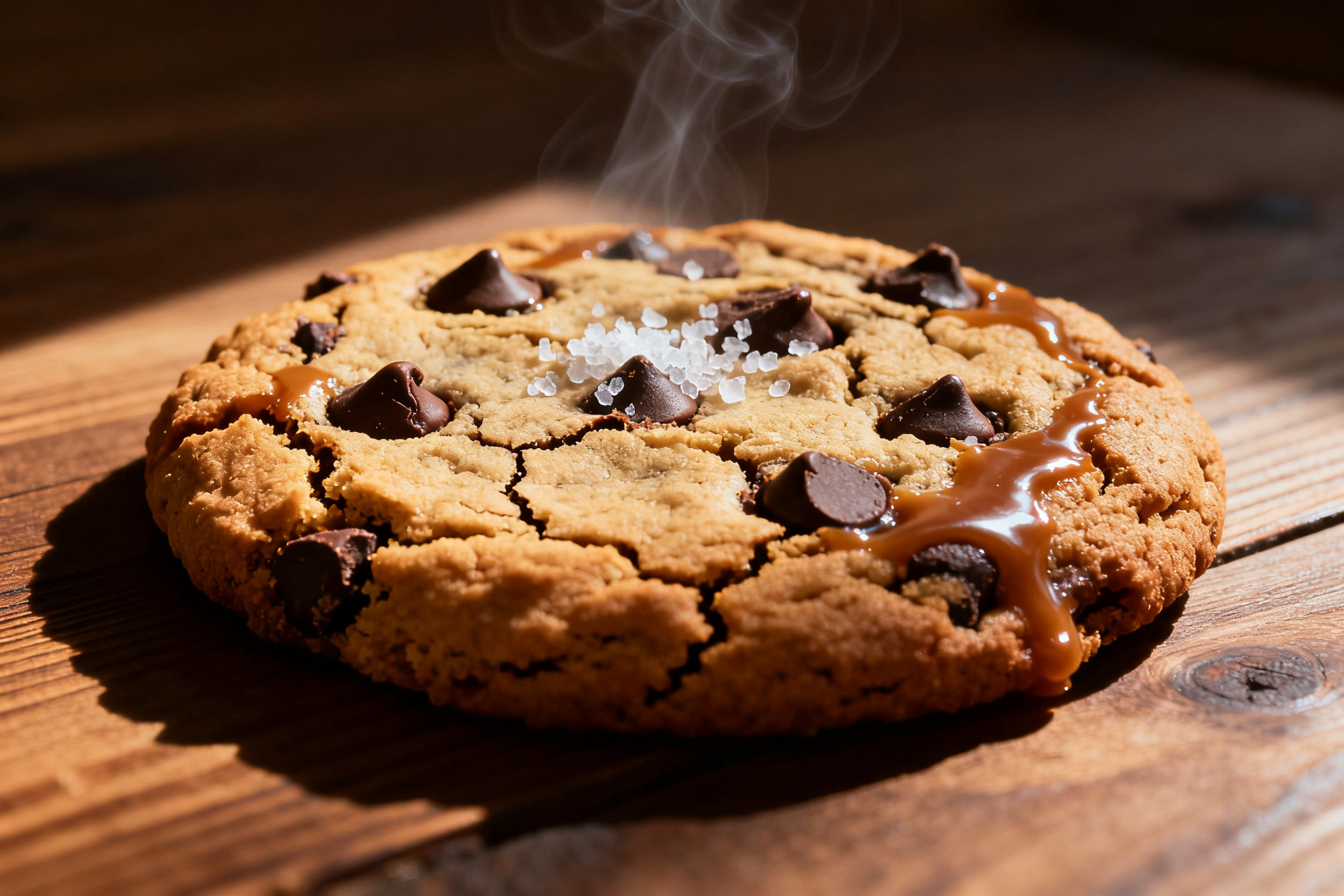
Chocolate peanut butter version. Replace ¼ cup of the flour with unsweetened cocoa powder, add ½ cup peanut butter chips, and top each cookie with a pinch of flaky sea salt before baking.
Vegan adaptation. Use a flax egg (1 tbsp ground flax + 3 tbsp water) and replace butter with vegan butter sticks. The texture is slightly less tender but still delicious. Omit cream cheese and increase butter by 2 tbsp.
Why this recipe works
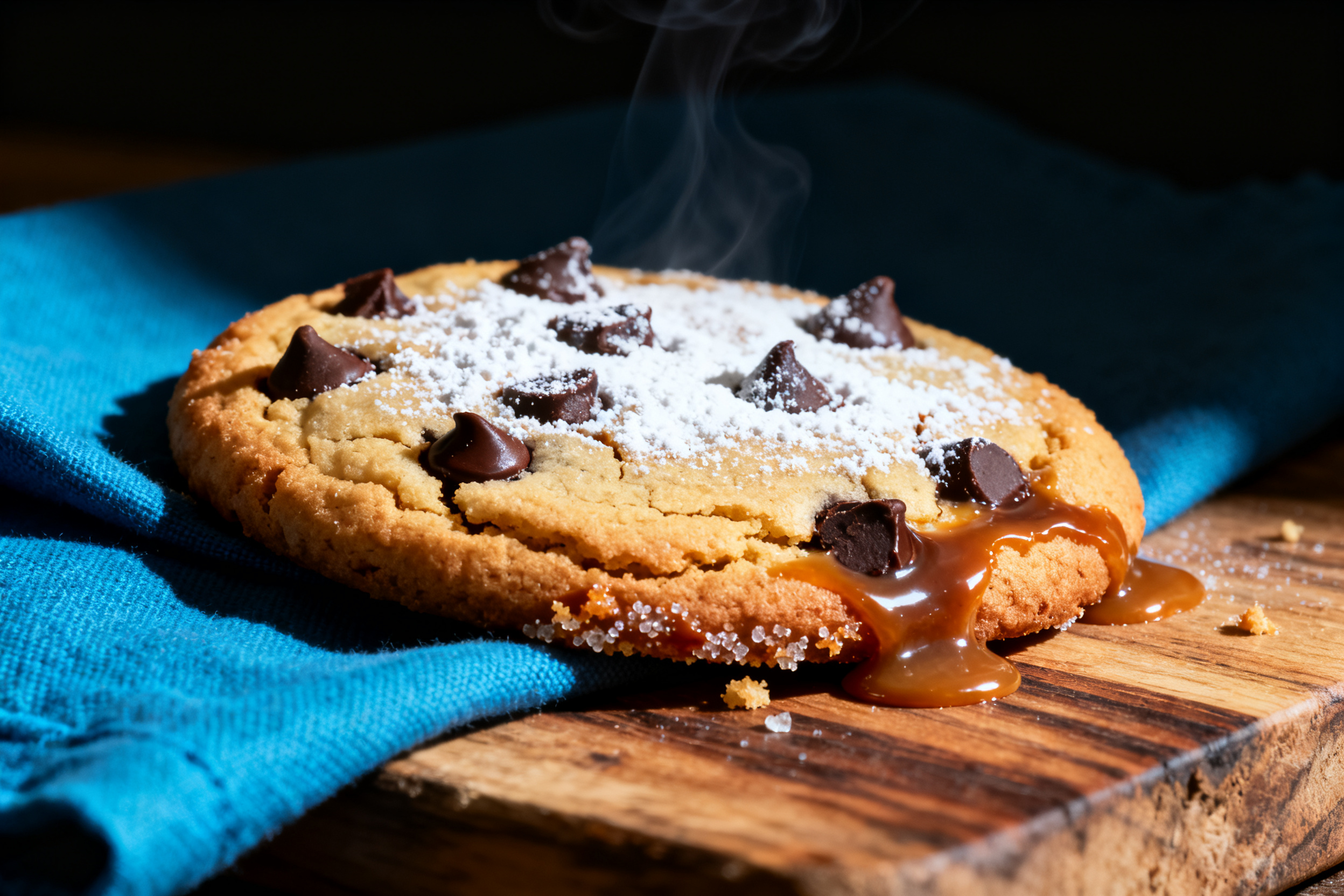
The magic lies in cold butter + cream cheese. The cold butter doesn’t fully melt during mixing, so it creates steam pockets in the oven. Those steam pockets puff the cookie up while the edges set – hello, giant thick cookie.
Cornstarch weakens the gluten structure, giving you a tender, melt-in-your-mouth crumb instead of a tough chew. It’s the same trick used in many bakery-style cookies.
Extra vanilla extract amplifies the buttery flavor and masks any “baking soda” taste. Don’t skip it – and splurge on pure vanilla, not imitation, for the best depth.
The slightly underbaked center is intentional. As the cookie cools on the hot pan, residual heat finishes cooking the inside to a soft, gooey consistency without overbaking the edges. This is the Crumbl secret.
Baking at 375°F (instead of 350°F) creates a faster initial heat surge that sets the outside quickly while the inside stays soft. Lower temps lead to flatter, spread-out cookies.
Frequently Asked Questions (FAQ)
Can I use salted butter instead of unsalted? Yes, but reduce the added salt to ¼ teaspoon. Salted butter varies between brands, so start low and taste the dough (raw is safe with pasteurized eggs, but I won’t judge).
Why does my cookie dough feel greasy? Either your butter was too soft or you overcreamed the butter and sugars. Cream just until light and fluffy, about 2 minutes on medium speed. Stop – don’t keep going.
Can I make these smaller? Absolutely. Scoop 2-tablespoon dough balls and bake for 9–10 minutes. Yield: about 20 cookies. They still get plenty thick, just not Crumbl‑sized.
How can I get that signature cracked top? After chilling the dough balls, roll each one in granulated sugar before baking. The sugar crust cracks as the cookie expands in the oven. Try it – huge visual payoff.
My cookies look pale after baking – what’s wrong? The sugar didn’t caramelize enough. Make sure your oven is fully preheated and you’re using an oven thermometer. Also, you can brush the tops with a little melted butter and sprinkle with coarse sugar before baking for extra color.
Can I add mix‑ins like M&Ms or pretzels? Yes – reduce the chocolate chips by ½ cup and add up to 1 cup of whatever crazy add‑ins you want. Coat them in flour first to keep them from sinking.
Call to action
I want to see your ridiculously thick cookies! Snap a photo and tag me on Instagram or Pinterest – I literally squeal every time someone tries my recipes. Drop a comment below with your favorite mix‑in combo, too.
If you loved this recipe, share it with a friend who needs a cookie hug. And while you’re at it, hit that subscribe button so you never miss a new “loaded” creation. I’ve got a brownie version coming next week.
Happy baking – and remember, no one has ever regretted a cookie that’s this giant, thick, and loaded. Unless you eat five of them. Then we need to talk about self‑control, haha.
These cookies are everything you want from a Crumbl copycat: massive, puffy, gooey in the center, and studded with chocolate chips and white chocolate chunks. The cold butter and cream cheese trick gives you that signature bakery texture without any complicated steps. It’s seriously the easiest way to impress your family or just treat yourself on a random Tuesday.
I still can’t believe this recipe came out of my own kitchen – and I’ve tested it six times to make sure you get perfect results every single time. Between the crispy edges, the soft center, and the piles of melty chocolate, these cookies never last more than 24 hours in my house. You’ve got to try them and tell me how it goes.
Drop your photos, questions, or your most creative mix‑in in the comments. I read every single one, and I’ll help you troubleshoot if anything goes sideways. Now go preheat that oven, you cookie genius.
Giant Thick and Loaded Crumbl Cookie Recipe
Ingredients
- 3 cups 360 g all-purpose flour, spooned and leveled
- 1 tsp baking soda
- 2 tsp cornstarch
- 1 tsp salt
- 1 cup 226 g unsalted butter, cold and cut into small cubes
- 4 oz 113 g cream cheese, cold
- 1 cup 200 g packed light brown sugar
- ½ cup 100 g granulated sugar
- 1 large egg cold
- 1 large egg yolk cold
- 2 tsp pure vanilla extract
- 1 cup 180 g semi-sweet chocolate chips
- ½ cup 90 g white chocolate chips or chunks
Instructions
- Preheat your oven to 375°F (190°C). Line two baking sheets with parchment paper.
- In a medium bowl, whisk together flour, baking soda, cornstarch, and salt. Set aside.
- In the bowl of a stand mixer fitted with the paddle attachment (or a large bowl with a hand mixer), beat the cold cubed butter and cold cream cheese on medium speed until combined but still chunky, about 1 minute. Do not cream until smooth – small butter lumps are fine.
- Add both sugars and beat on medium-high for 2 minutes until light and fluffy. Scrape down the sides.
- Add the whole egg, egg yolk, and vanilla extract. Beat on low until just incorporated, about 30 seconds. Scrape again.
- With the mixer on low, gradually add the dry ingredients. Mix until no streaks of flour remain – do not overmix. The dough will be soft but not sticky.
- Fold in the semi-sweet chocolate chips and white chocolate chips with a spatula. If the dough feels too warm, chill it for 10 minutes before scooping.
- Scoop the dough into 6 equal portions using a ½-cup measure (or a large cookie scoop). Roll each portion into a tall cylinder (like a hockey puck shape) – this helps them bake thick.
- Place the dough cylinders on the prepared baking sheets, spacing them at least 4 inches apart (only 3 per sheet). Cover with plastic wrap and refrigerate for exactly 30 minutes.
- Bake one sheet at a time on the center rack for 10–13 minutes, until the edges are golden and the centers look slightly underdone and puffy. Do not overbake – centers should jiggle slightly.
- Let the cookies rest on the hot baking sheet for 5 minutes. They will continue to cook and set. Then transfer to a wire rack to cool completely, or eat warm (obviously).
Notes
2. If using cups, spoon the flour into the cup and level it off – never scoop directly from the bag.
3. Cold ingredients: Keep butter, cream cheese, and egg cold all the way through mixing. Warm dough leads to flat cookies.
4. Chilling is mandatory: The 30-minute chill solidifies the fat and prevents excessive spreading.
5. Don’t skip it or your cookies will be wide and thin.
6. Freezing dough: Scoop and shape dough balls, freeze on a tray, then transfer to a bag.
7. Bake from frozen at 375°F for 13–15 minutes.
8. Storage: Store baked cookies in an airtight container at room temperature for up to 3 days.
9. Add a slice of bread to keep them soft.
10. Freeze baked cookies for up to 3 months.
11. Substitution tips: For dairy-free, use vegan butter and vegan cream cheese.
12. For gluten-free, use a 1-to-1 gluten-free flour blend with xanthan gum.
13. For egg-free, try a flax egg (1 tbsp ground flax + 3 tbsp water) – but the texture will be slightly less tender.
14. Weigh your flour with a kitchen scale (360 g for 3 cups).
15. Scooping with a cup packs in extra flour and gives you dry, sad cookies.
16. I’ve ruined many batches this way – learn from me.
17. Do not overmix the dough.
18. Once the flour disappears, stop.
19. Overmixing develops gluten and makes the cookies dense instead of tender.
20. Chill the dough balls for exactly 30 minutes in the fridge before baking.
21. This solidifies the butter so the cookies bake up thick, not flat.
22. No longer than 45 minutes, or the texture changes.
23. Bake one tray at a time on the center rack.
24. Use a light-colored baking sheet – dark pans over-brown the bottoms before the centers set.
25. Pull the cookies out when the edges are golden but the centers still look slightly underdone and puffy.
26. They’ll continue baking on the hot tray for 5 minutes, giving you that gooey middle.