
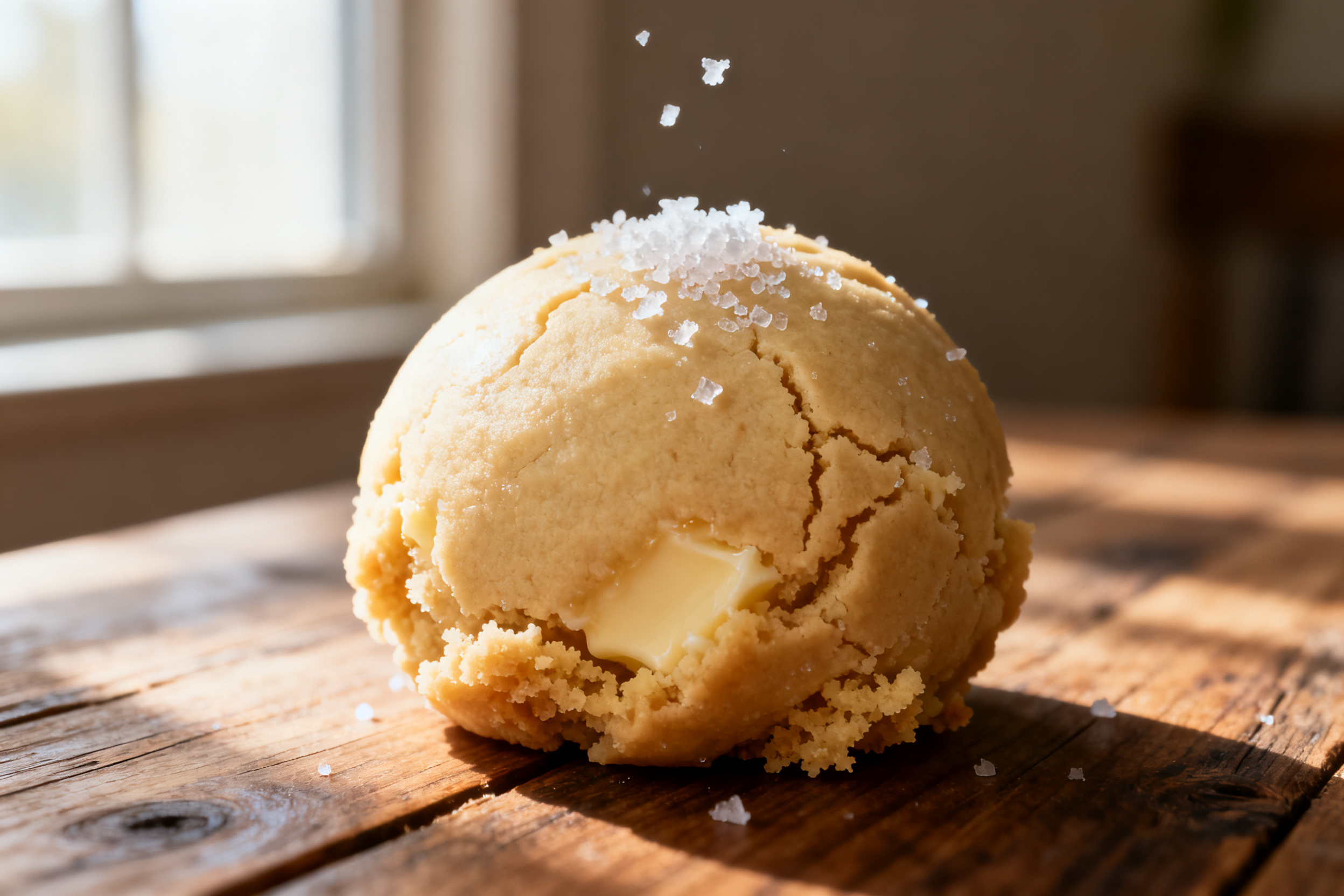
You know the struggle. You roll out your sugar cookie dough, and it either sticks to the counter like a toddler with a lollipop or cracks into a million pieces like a bad joke. I’ve been there, and I’ve cried over crumbly dough more than I’d like to admit.
But here’s the thing: a perfect sugar cookie dough recipe doesn’t have to be a unicorn. After endless testing, I finally cracked the code (pun intended) to a dough that’s smooth, pliable, and bakes up soft and chewy. No stick, no crack, just pure cookie bliss.
So if you’re ready to ditch the frustration and bake cookies that actually cooperate, you’re in the right place. This is the only sugar cookie dough recipe you’ll ever need.
Allergens
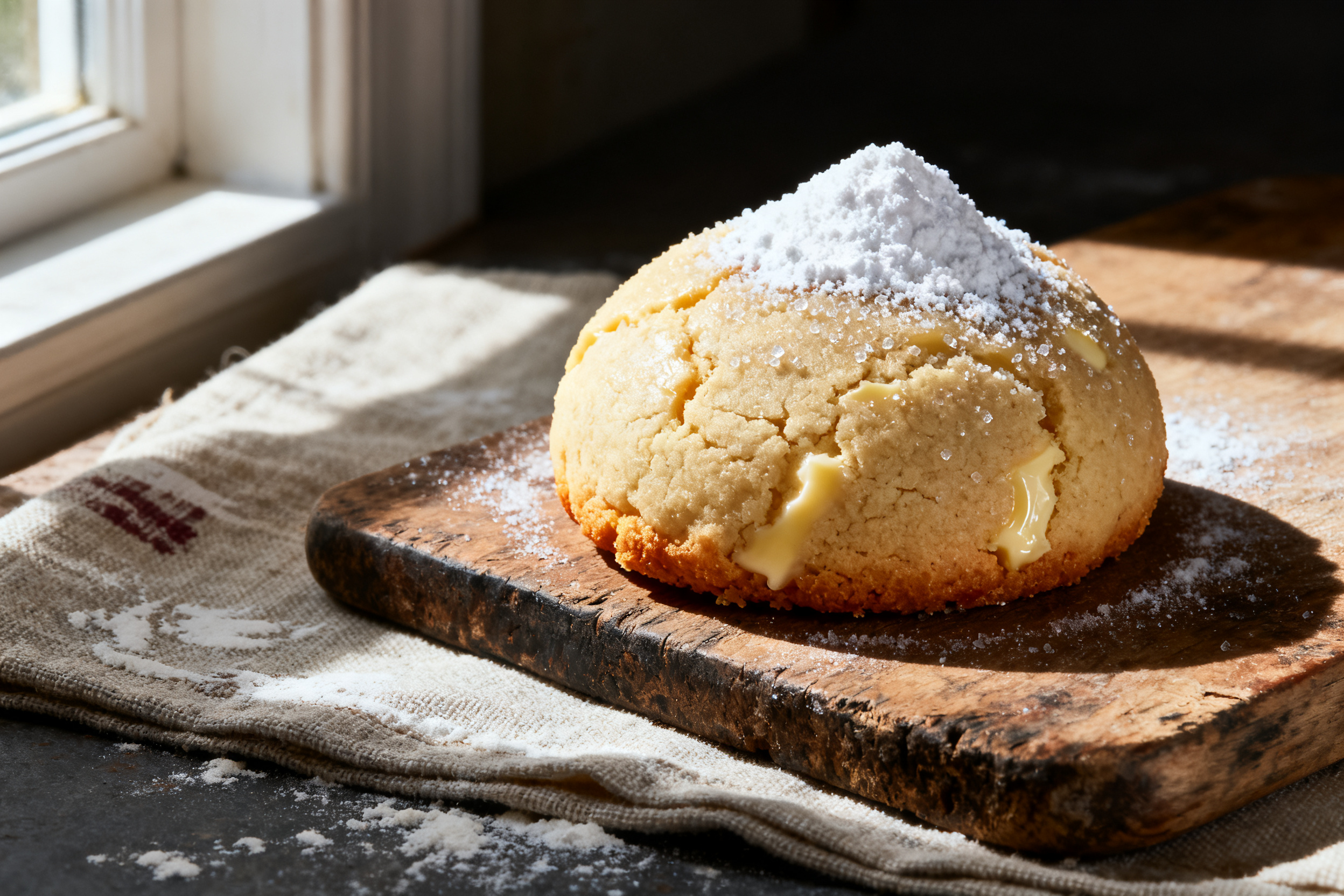
This recipe contains wheat (gluten), dairy (butter, milk), and eggs. If you’re baking for someone with allergies, these are the big three to watch out for.
For a dairy-free swap, use vegan butter and a plant-based milk. For an egg-free version, try a flax egg or commercial egg replacer. Just note that the texture might shift slightly, but it still works beautifully.
Ingredient notes & substitutions
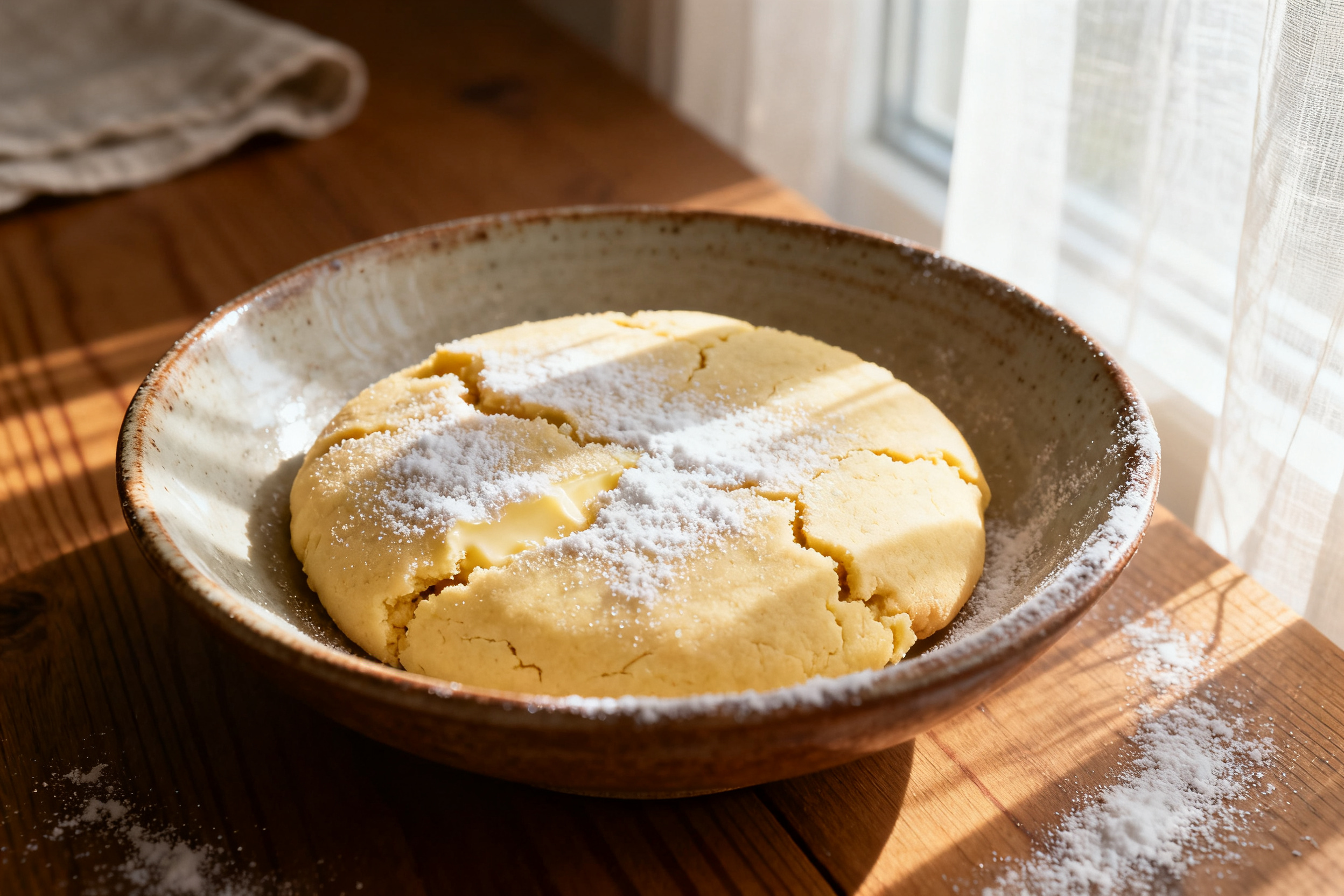
Butter is the star here. Use unsalted butter at room temperature – not melted, not too cold. Room temperature butter creams air into the dough, giving you that soft texture without spreading too much.
Granulated sugar is non-negotiable for the classic sweet flavor and slight crunch. You can swap in coconut sugar for a deeper taste, but the cookies will be darker and a bit less tender.
All-purpose flour is your best friend. Don’t sub in whole wheat or gluten-free blends without adjusting the liquid. Too much flour is the #1 reason for cracking dough, so spoon and level it carefully.
Eggs add moisture and structure. A large egg at room temperature blends in seamlessly. If you only have cold eggs, let them sit in warm water for 5 minutes.
Vanilla extract is a must. Use pure vanilla, not imitation, for that rich, bakery-style flavor. You can also add a splash of almond extract for a twist.
Storage & make-ahead
You can make the dough up to 3 days ahead. Wrap it tightly in plastic wrap and keep it in the fridge. Let it sit at room temperature for 10 minutes before rolling.
For longer storage, freeze the dough for up to 3 months. Wrap it in plastic then foil, or shape it into a log and slice when ready. Thaw overnight in the fridge before using.
Baked cookies stay fresh in an airtight container at room temperature for up to a week. You can also freeze baked cookies for up to 2 months.
Serving suggestions
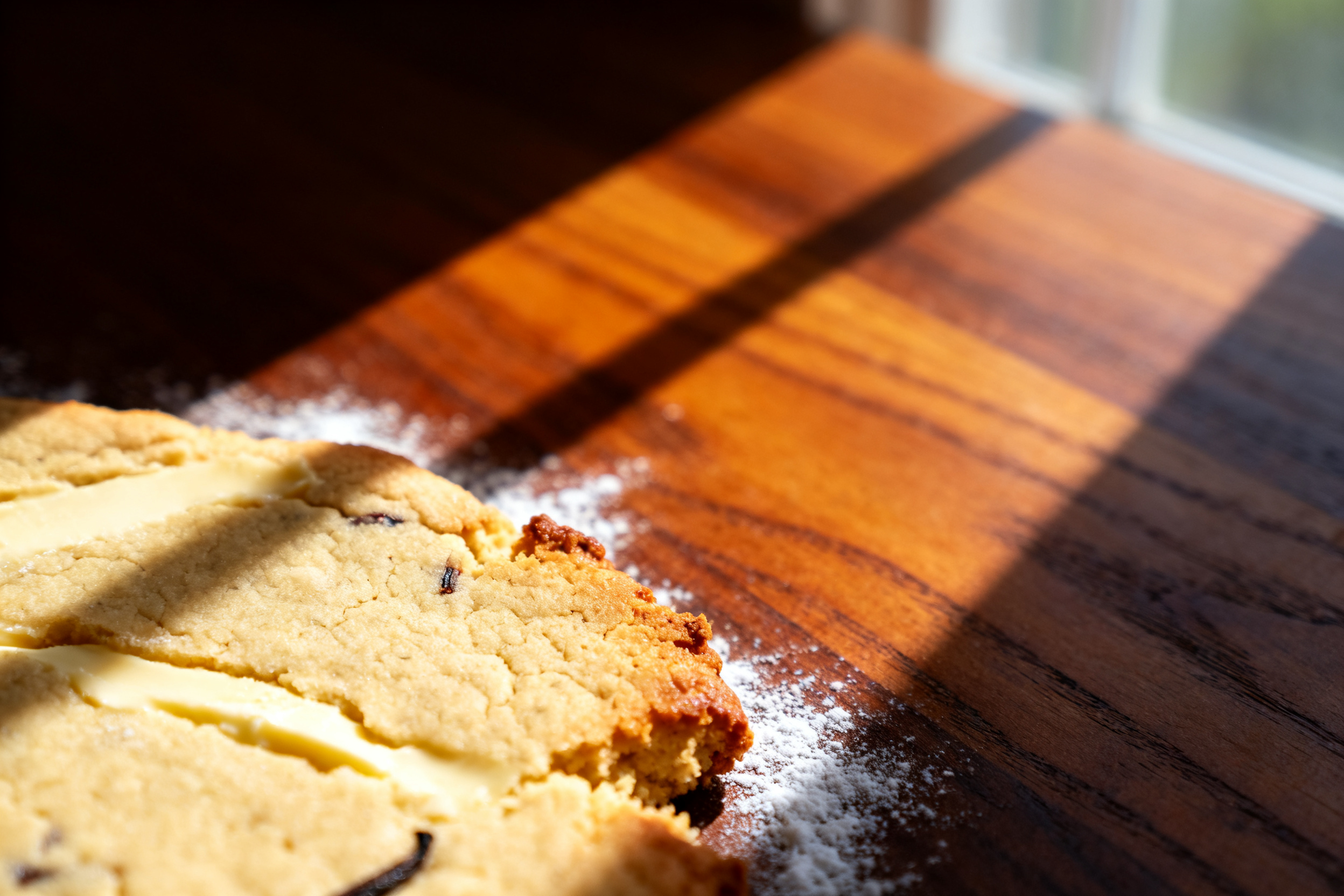
These sugar cookies are perfect on their own, but they really shine with a dollop of royal icing or a simple buttercream. Serve them alongside a glass of cold milk or a hot cup of coffee for the ultimate afternoon treat. They’re also great for decorating with sprinkles, sanding sugar, or edible glitter for holidays.
Use your leftovers
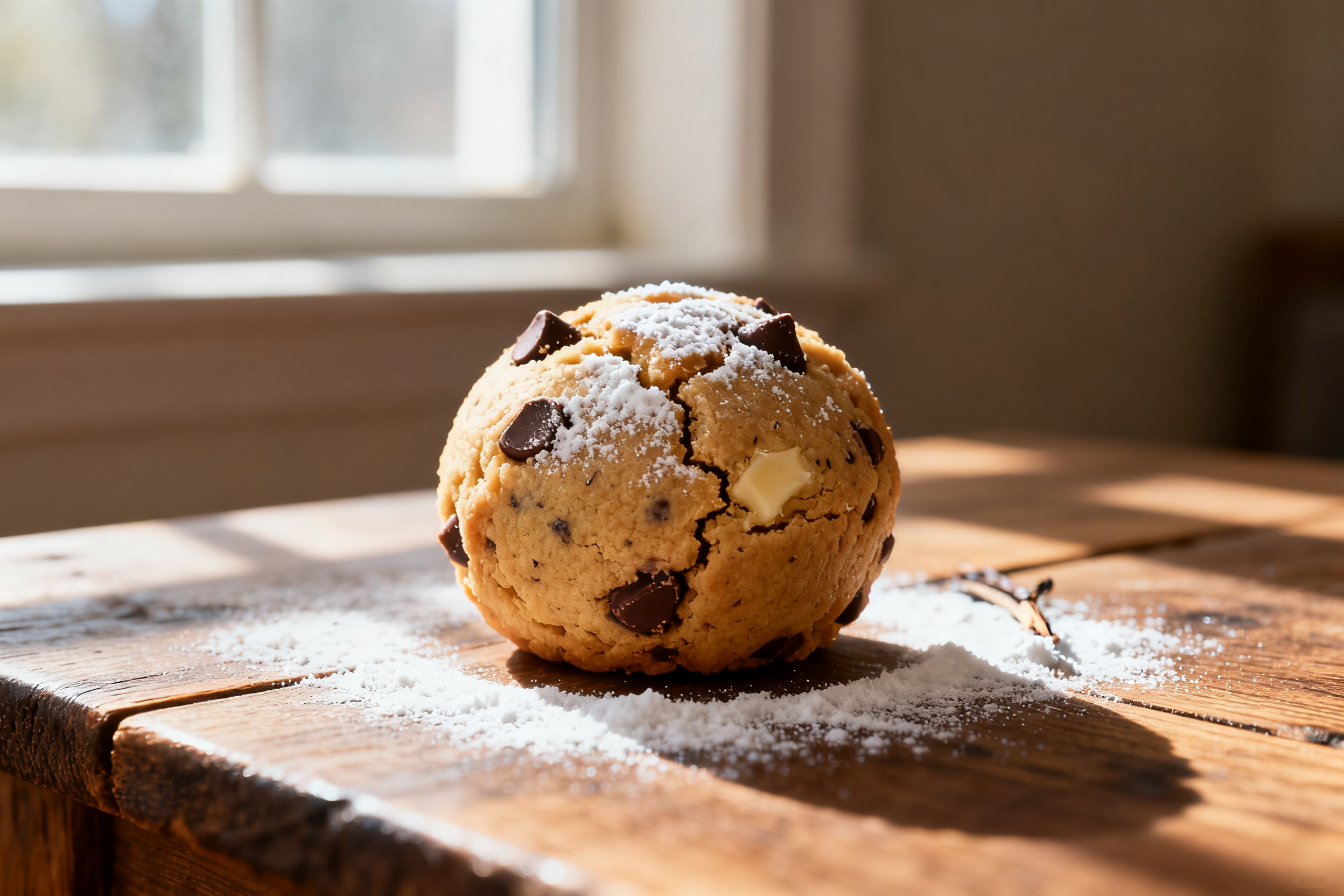
Got leftover dough scraps? Don’t toss them. Re-roll the scraps once – any more than that and the cookies get tough. Cut into fun shapes or just bake as small rounds.
Crumbled leftover cookies make an amazing ice cream topping. Just crush them up and sprinkle over vanilla or chocolate ice cream.
You can also use leftover cookies as a crust for cheesecake or pie. Crush them, mix with melted butter, and press into a pan. Bake for 10 minutes at 350°F and you’re set.
If you have extra baked cookies, freeze them in a zip-top bag. They’re perfect for last-minute dessert emergencies or lunchbox treats.
Common mistakes & how to fix them
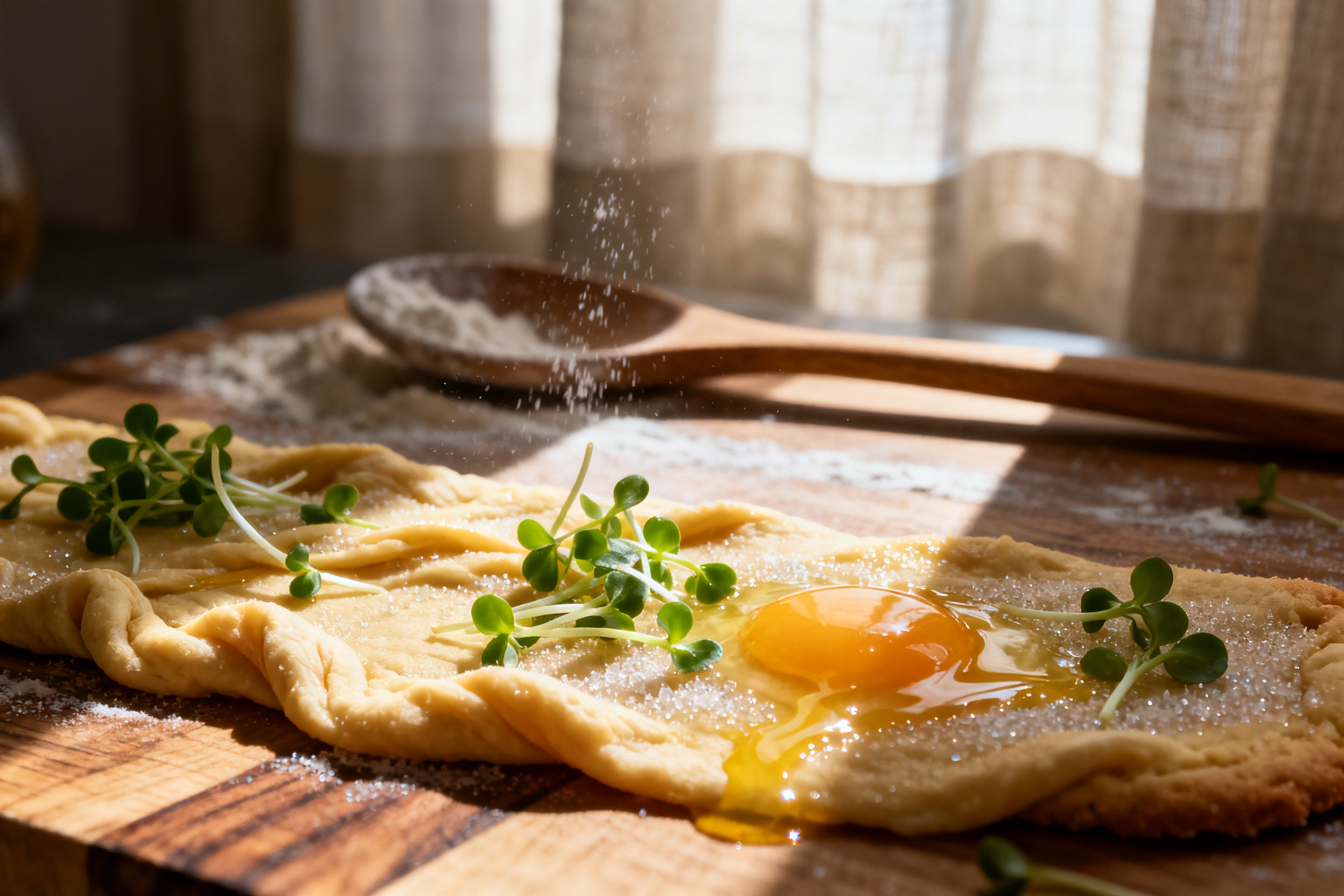
If your dough is too sticky, add a tablespoon of flour at a time until it feels tacky but not wet. If it’s too dry and cracking, add a teaspoon of milk or cream and knead gently.
Overmixing leads to tough cookies. Mix just until the flour disappears. And if your cookies spread too much, your butter was too warm – chill the dough longer next time.
Variations by diet or flavor profile
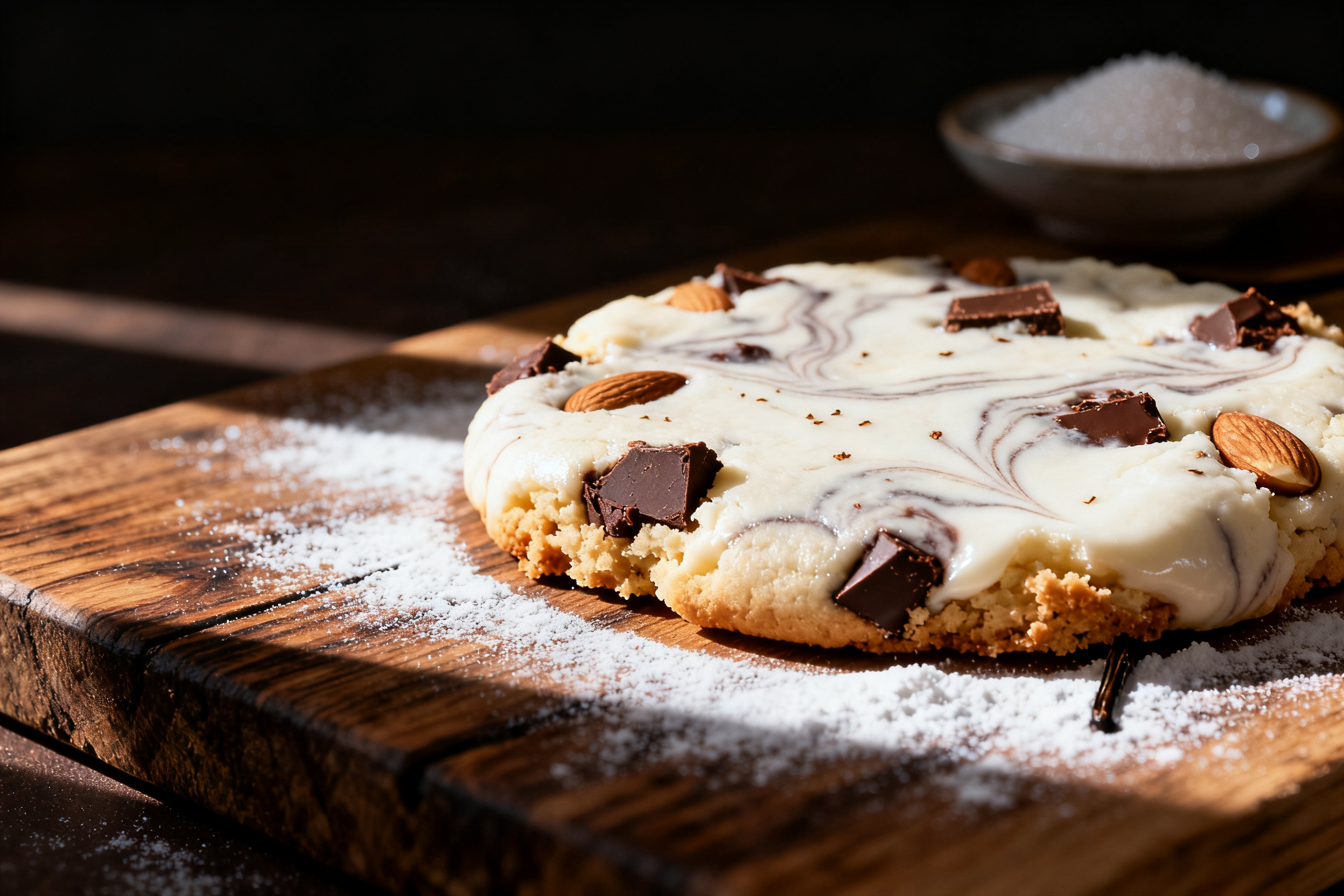
For a gluten-free version, use a 1:1 gluten-free baking flour blend that contains xanthan gum. Add an extra tablespoon of liquid to compensate for the dryness.
To make these vegan, swap butter for vegan butter, use a flax egg (1 tbsp ground flax + 3 tbsp water), and use plant-based milk. The texture will be slightly less tender but still delicious.
Want a citrus twist? Add the zest of one lemon or orange to the sugar and rub it in with your fingers before creaming the butter. It infuses the cookies with bright flavor.
For a chocolate version, replace 1/4 cup of flour with unsweetened cocoa powder. You might need a splash more milk to bring the dough together.
Spice it up with 1/2 teaspoon of cinnamon and a pinch of nutmeg. Perfect for fall baking or holiday cookie swaps.
Why this recipe works
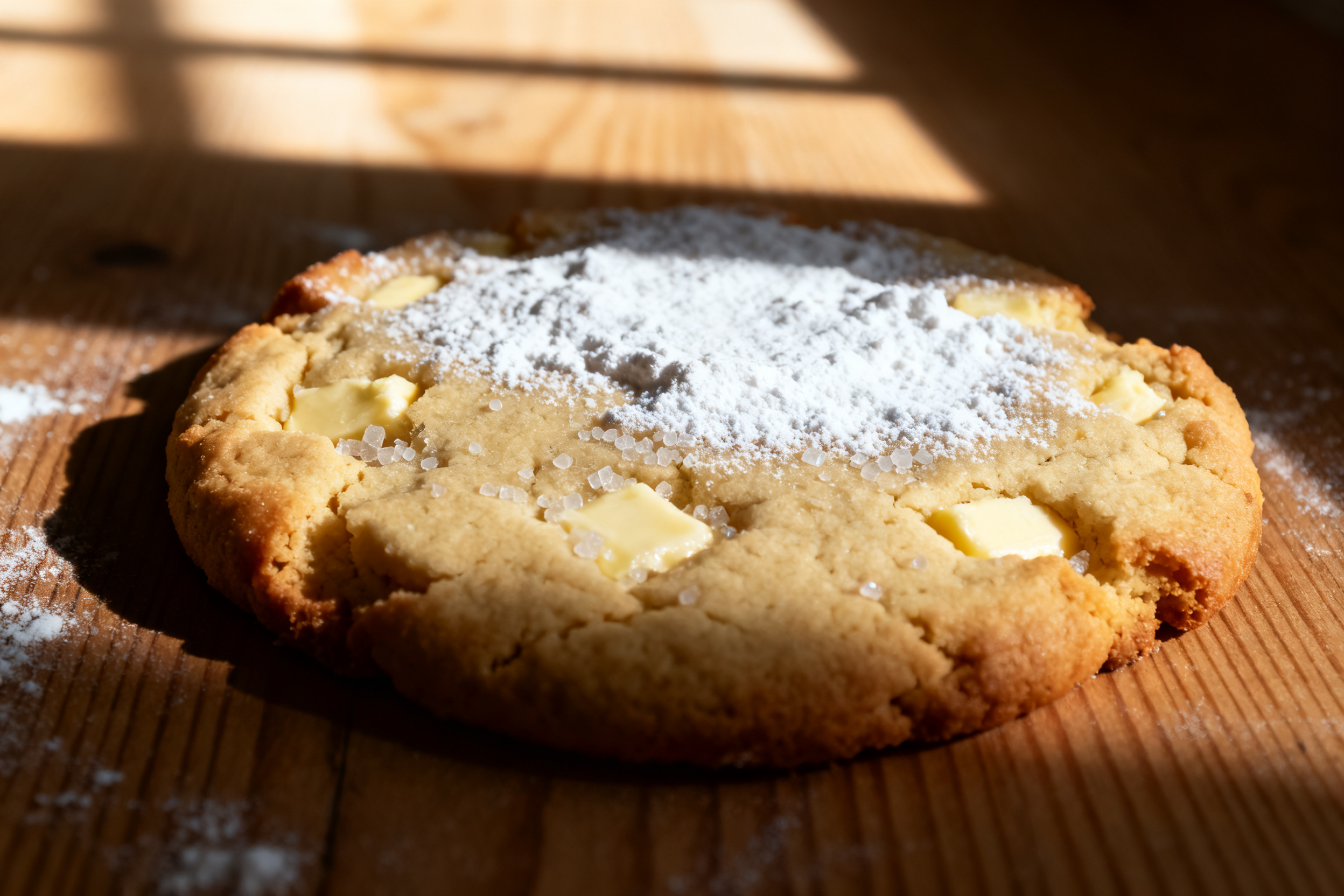
The secret lies in the fat-to-flour ratio. This recipe uses just enough butter to create a tender crumb without making the dough greasy or sticky.
Chilling the dough solidifies the butter, which prevents the cookies from spreading too much in the oven. It also relaxes the gluten, so the dough doesn’t shrink or crack.
The combination of granulated sugar and a small amount of cornstarch (yes, there’s a pinch in the recipe) helps absorb extra moisture and keeps the dough pliable.
Eggs provide structure and moisture, but using one whole egg plus one yolk gives you extra richness without making the dough too wet.
Rolling between parchment paper isn’t just convenient – it also prevents you from adding too much extra flour, which would dry out the dough.
Baking at 350°F ensures even heat distribution. The edges set while the centers stay soft, giving you that perfect chewy texture.
Frequently Asked Questions
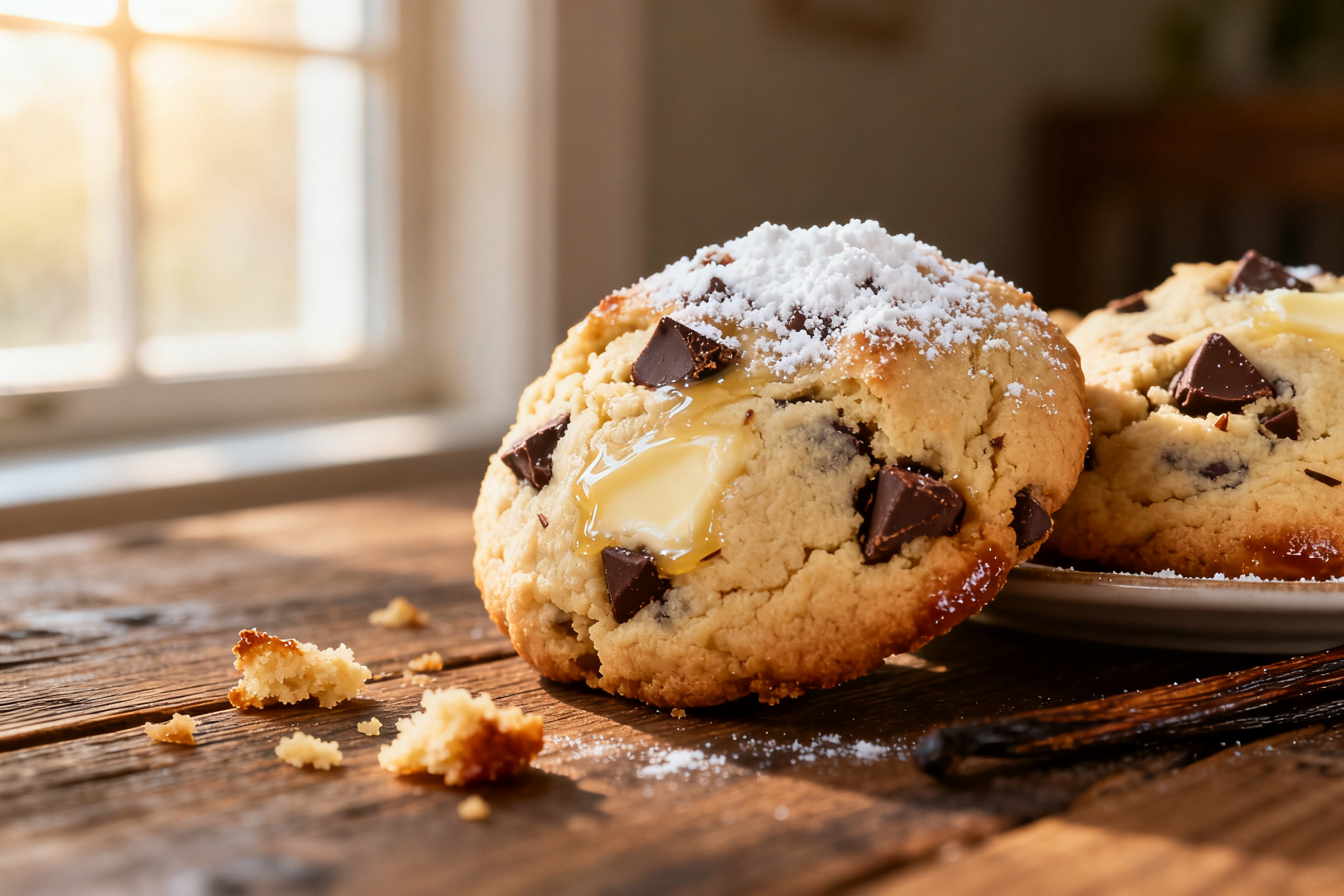
Why is my sugar cookie dough cracking? Usually it’s because the dough is too dry. Add a teaspoon of milk or cream and knead until smooth. Also, make sure you didn’t over-flour your surface.
Can I skip the chilling step? I wouldn’t recommend it. Chilling firms the butter and prevents spreading. Without it, your cookies will be flat and thin.
How do I prevent sticking? Use powdered sugar on your rolling surface or roll between parchment paper. Also, make sure your dough is properly chilled.
Call to action
Now it’s your turn. Try this sugar cookie dough recipe and let me know how it goes. Drop a comment below with your favorite mix-ins or decorating ideas, share this post with a fellow baker, and don’t forget to subscribe for more no-fail recipes.
Conclusion
Finally Get a Sugar Cookie Dough Recipe That Doesn’t Stick or Crack
Ingredients
- Ingredients are included in the post content.
Instructions
- You know the struggle. You roll out your sugar cookie dough, and it either sticks to the counter like a toddler with a lollipop or cracks into a million pieces like a bad joke. I’ve been there, and I’ve cried over crumbly dough more than I’d like to admit.
- But here’s the thing: a perfect sugar cookie dough recipe doesn’t have to be a unicorn. After endless testing, I finally cracked the code (pun intended) to a dough that’s smooth, pliable, and bakes up soft and chewy. No stick, no crack, just pure cookie bliss.
- So if you’re ready to ditch the frustration and bake cookies that actually cooperate, you’re in the right place. This is the only sugar cookie dough recipe you’ll ever need.
- This recipe contains wheat (gluten), dairy (butter, milk), and eggs. If you’re baking for someone with allergies, these are the big three to watch out for.
- For a dairy-free swap, use vegan butter and a plant-based milk. For an egg-free version, try a flax egg or commercial egg replacer. Just note that the texture might shift slightly, but it still works beautifully.
- Ingredient notes & substitutions
- Butter is the star here. Use unsalted butter at room temperature – not melted, not too cold. Room temperature butter creams air into the dough, giving you that soft texture without spreading too much.
- Granulated sugar is non-negotiable for the classic sweet flavor and slight crunch. You can swap in coconut sugar for a deeper taste, but the cookies will be darker and a bit less tender.
- All-purpose flour is your best friend. Don’t sub in whole wheat or gluten-free blends without adjusting the liquid. Too much flour is the #1 reason for cracking dough, so spoon and level it carefully.
- Eggs add moisture and structure. A large egg at room temperature blends in seamlessly. If you only have cold eggs, let them sit in warm water for 5 minutes.
- Vanilla extract is a must. Use pure vanilla, not imitation, for that rich, bakery-style flavor. You can also add a splash of almond extract for a twist.
- Chill the dough for at least 30 minutes. This firms up the butter and relaxes the gluten, making it way easier to roll without sticking. Don’t skip the chill – it’s the magic step.
Notes
2. This firms up the butter and relaxes the gluten, making it way easier to roll without sticking.
3. Don’t skip the chill – it’s the magic step.
4. Use a light dusting of powdered sugar on your rolling surface instead of flour.
5. Flour can dry out the dough, while powdered sugar adds a hint of sweetness and prevents sticking.
6. Roll between two sheets of parchment paper.
7. This is a game-changer.
8. No mess, no sticking, and you can pop the whole thing into the fridge to chill again.
9. If the dough cracks at the edges, just press it back together with your fingers.
10. The warmth from your hands will smooth it out.
11. No need to stress.
12. Use a bench scraper to lift the rolled dough. It helps transfer cookies to the baking sheet without warping their shape.
13. For even baking, rotate the pan halfway through.
14. And let the cookies cool on the sheet for 5 minutes before moving them to a wire rack.