
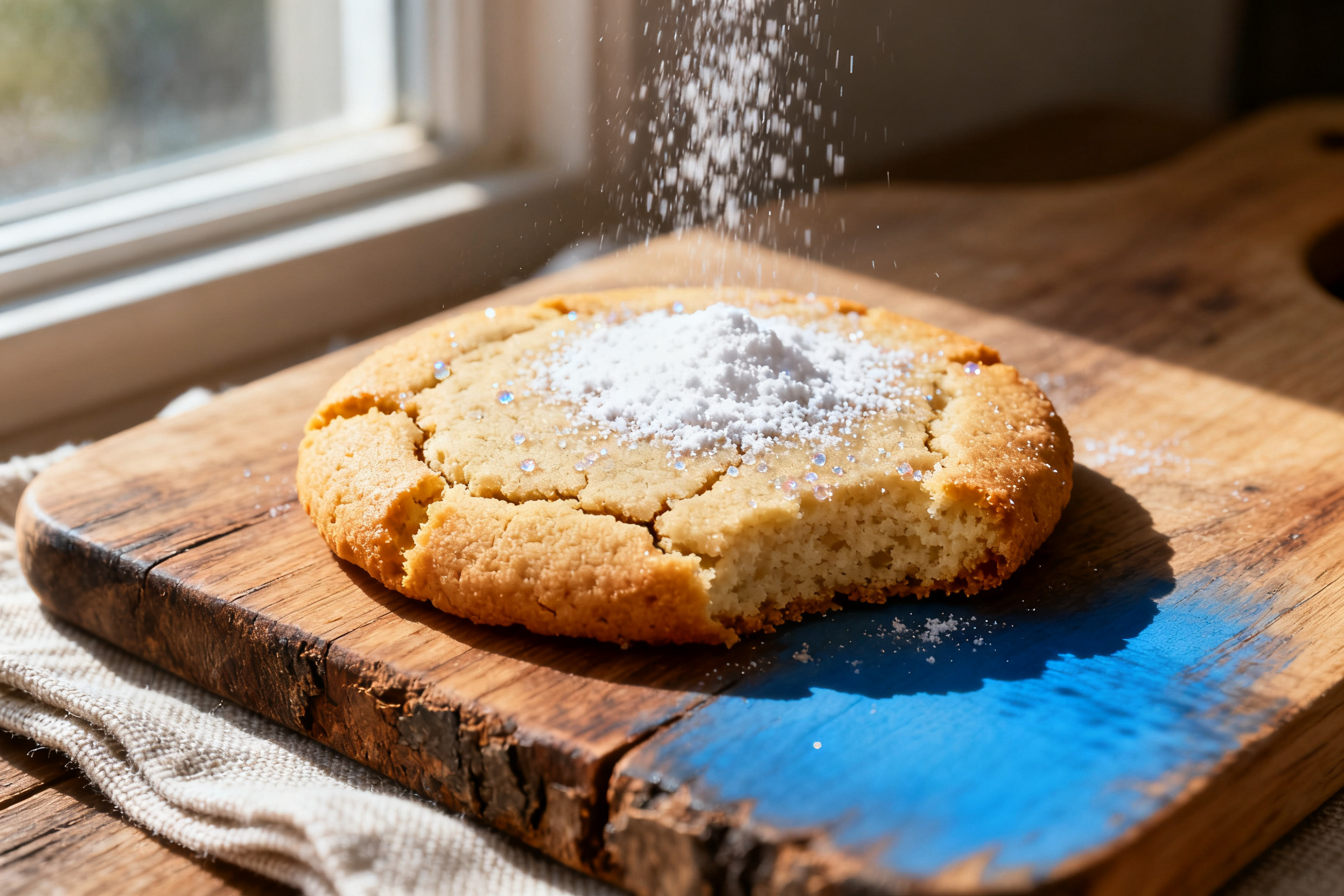
You know that moment when you bite into a gluten-free cookie and it tastes like sandy disappointment? Yeah, me too. That’s why I spent months perfecting this gluten free sugar cookie recipe. These cookies are tender, buttery, and — I promise — not even a little bit gritty.
I’m not here to sell you a bag of expensive flour and wish you luck. I’m going to show you exactly how to get soft, chewy sugar cookies that even your gluten-eating friends will steal from the cooling rack. Ready to bake something that actually works?
1. Allergens
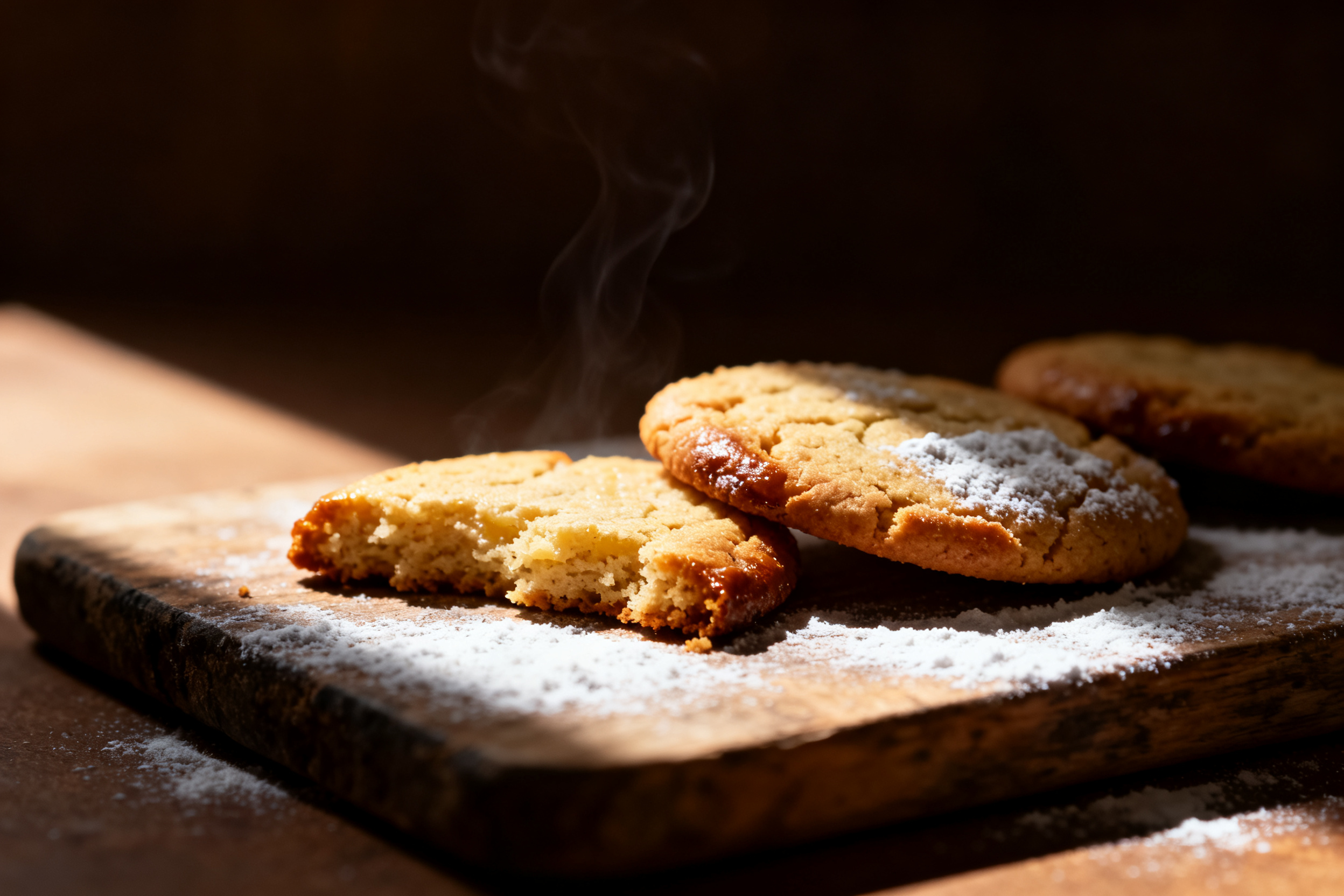
This recipe is gluten-free by design, but it does contain dairy (butter) and eggs. If you need it dairy-free, swap the butter for a high-quality vegan butter stick (I use Miyoko’s). For egg-free, try a flax egg — though the texture will be slightly less tender.
It also contains xanthan gum (often in gluten-free flour blends), which is a common thickener. If you have a sensitivity, you can use a blend without it, but you’ll need to add a little extra starch for structure.
Watch out for cross-contamination if you’re celiac — always check your baking powder and vanilla extract labels. Some brands use gluten-containing additives.
FYI, this recipe is nut-free as written, so it’s safe for school bake sales. Just double-check your flour blend if you’re using a homemade mix.
2. Ingredient notes & substitutions
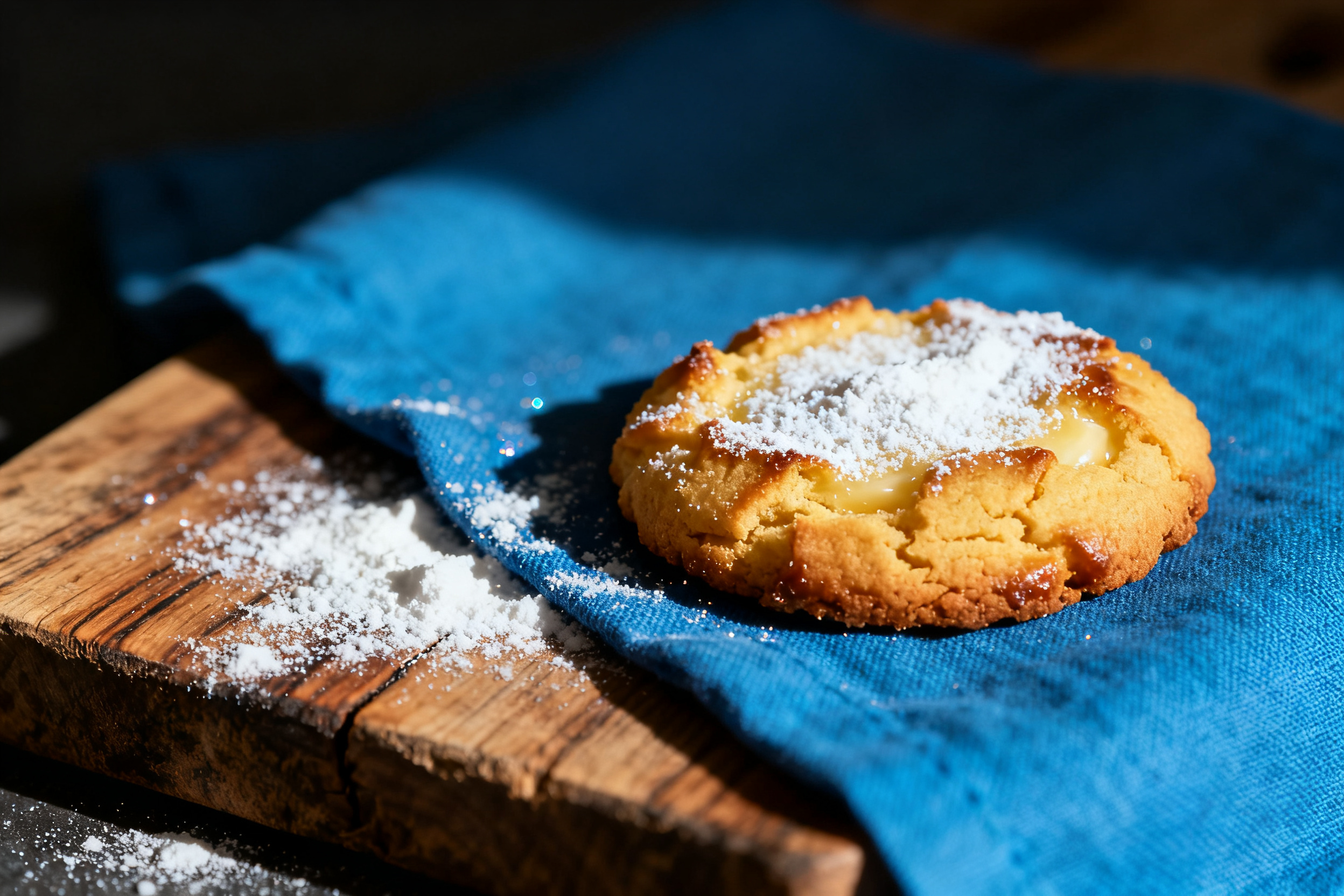
The star here is a good gluten-free flour blend. I use a mix of superfine white rice flour, tapioca starch, and a touch of potato starch. Avoid anything with bean flours — they make cookies taste weird. My go-to store blend is King Arthur Measure for Measure.
Butter should be unsalted and softened, not melted. Melted butter gives you flat, greasy cookies. And please use real vanilla extract — imitation vanilla has that fake candy flavor that ruins the whole batch.
3. Pro tips
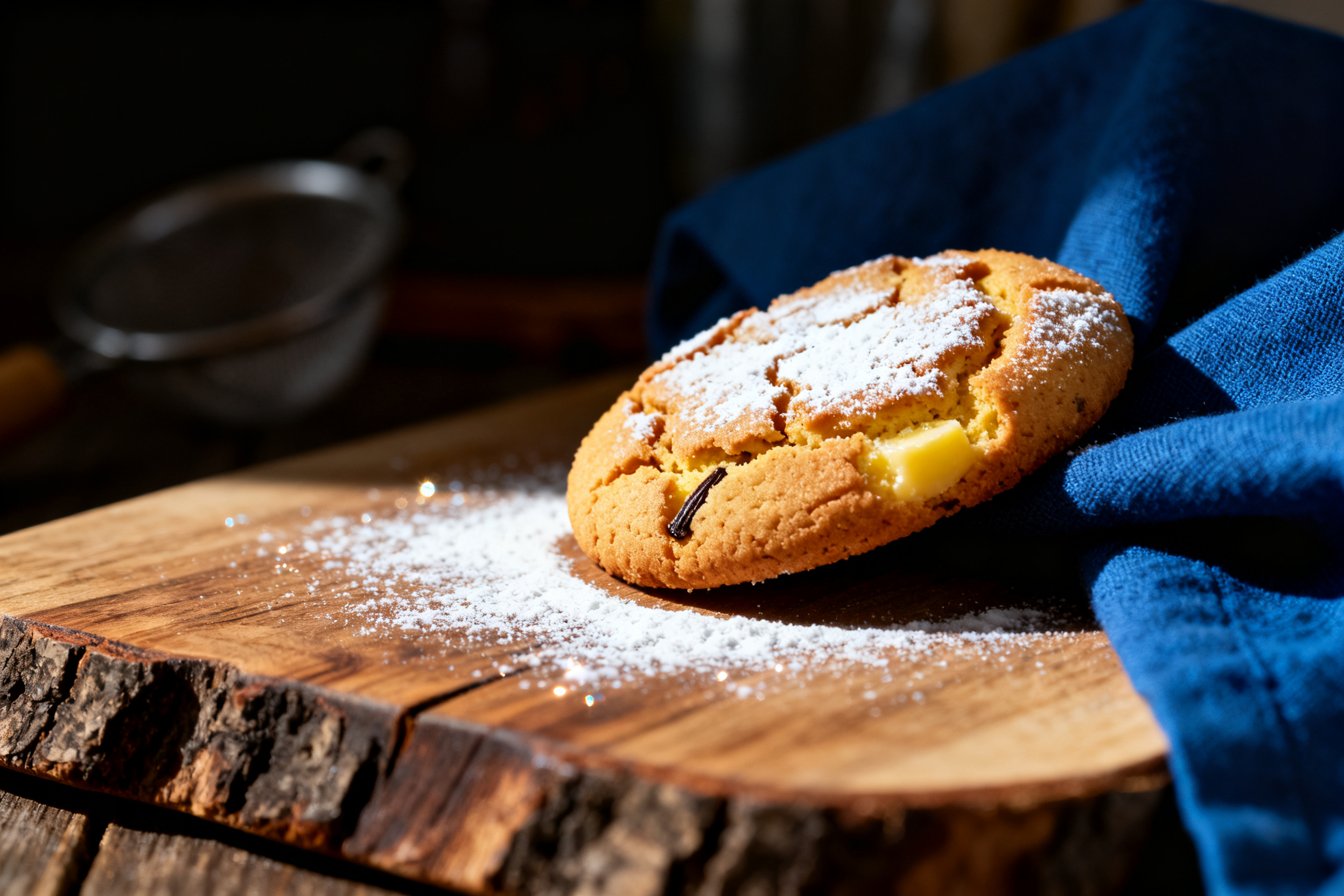
Chill the dough. I know, you’re impatient. But 30 minutes in the fridge prevents spreading and gives you that perfect thick, tender center. No chill = sad, flat discs.
Use a cookie scoop for even-sized cookies. Uneven sizes mean some burn while others stay raw. Plus, it’s faster than rolling by hand.
Don’t overmix the dough once you add the flour. Stir just until no dry streaks remain. Overworking develops too much structure and makes cookies tough.
If your dough feels sticky after chilling, dust your hands with a little extra flour blend. But don’t add flour to the whole batch — you’ll throw off the ratio.
Bake on a parchment-lined sheet, not directly on metal. Parchment gives even heat and prevents sticking without extra grease.
4. Storage & make-ahead
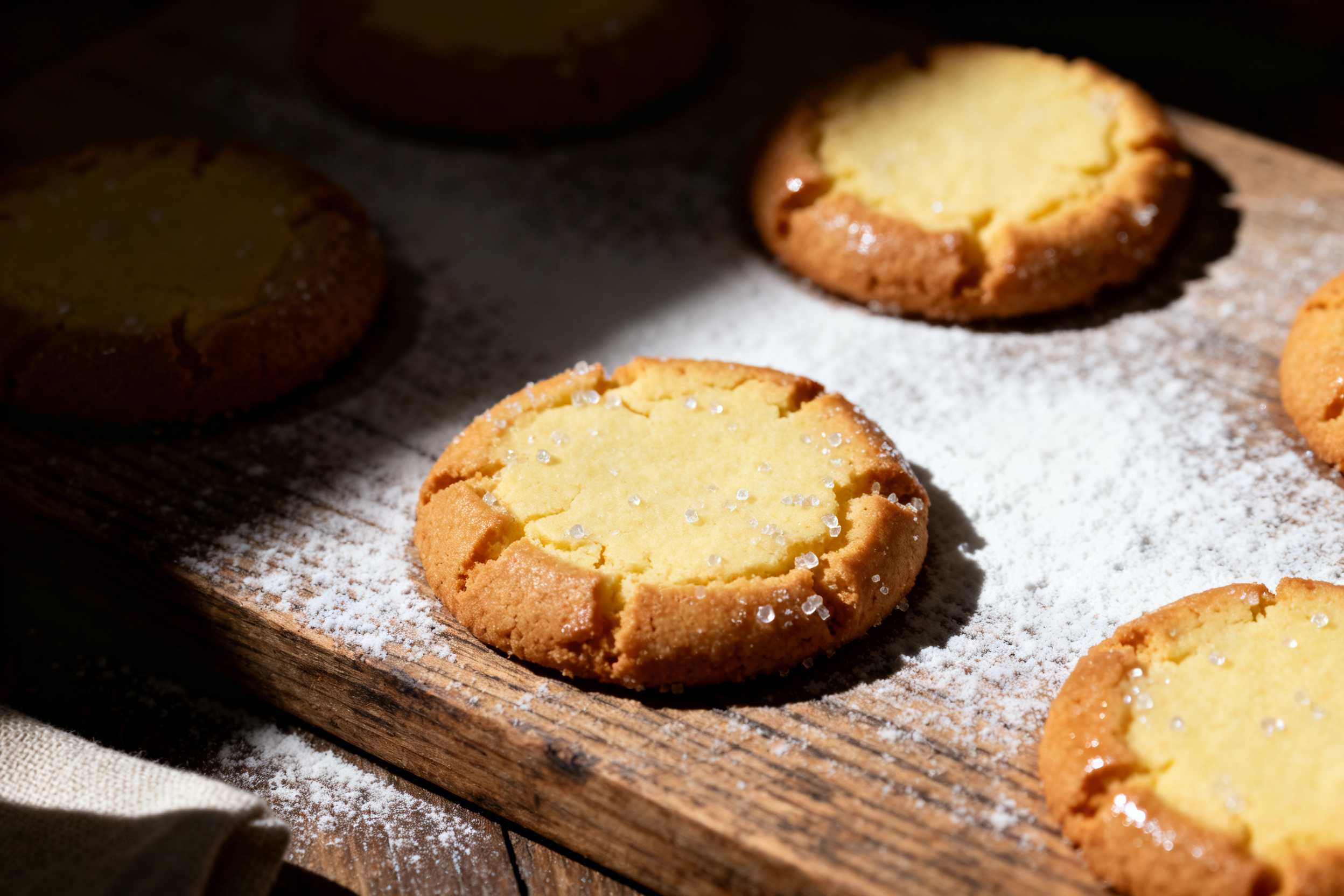
Store baked cookies in an airtight container at room temperature for up to 5 days. They actually get softer on day two — if they last that long.
For longer storage, freeze the baked cookies in a single layer, then transfer to a freezer bag. They’ll keep for 3 months. Thaw at room temp for 15 minutes.
You can also freeze the raw dough. Scoop into balls, freeze on a tray, then pop them into a bag. Bake straight from frozen — just add 2 extra minutes.
Make-ahead tip: mix the dry ingredients a day early and store in a jar. Then all you do on baking day is cream the butter and sugar.
If you’re bringing these to a party, bake them the night before. They’ll be perfectly tender and the flavors will meld.
Pro tip: layer cookies with wax paper in the container so they don’t stick together. I learned that the hard way when I pulled out a cookie brick.
5. Serving suggestions
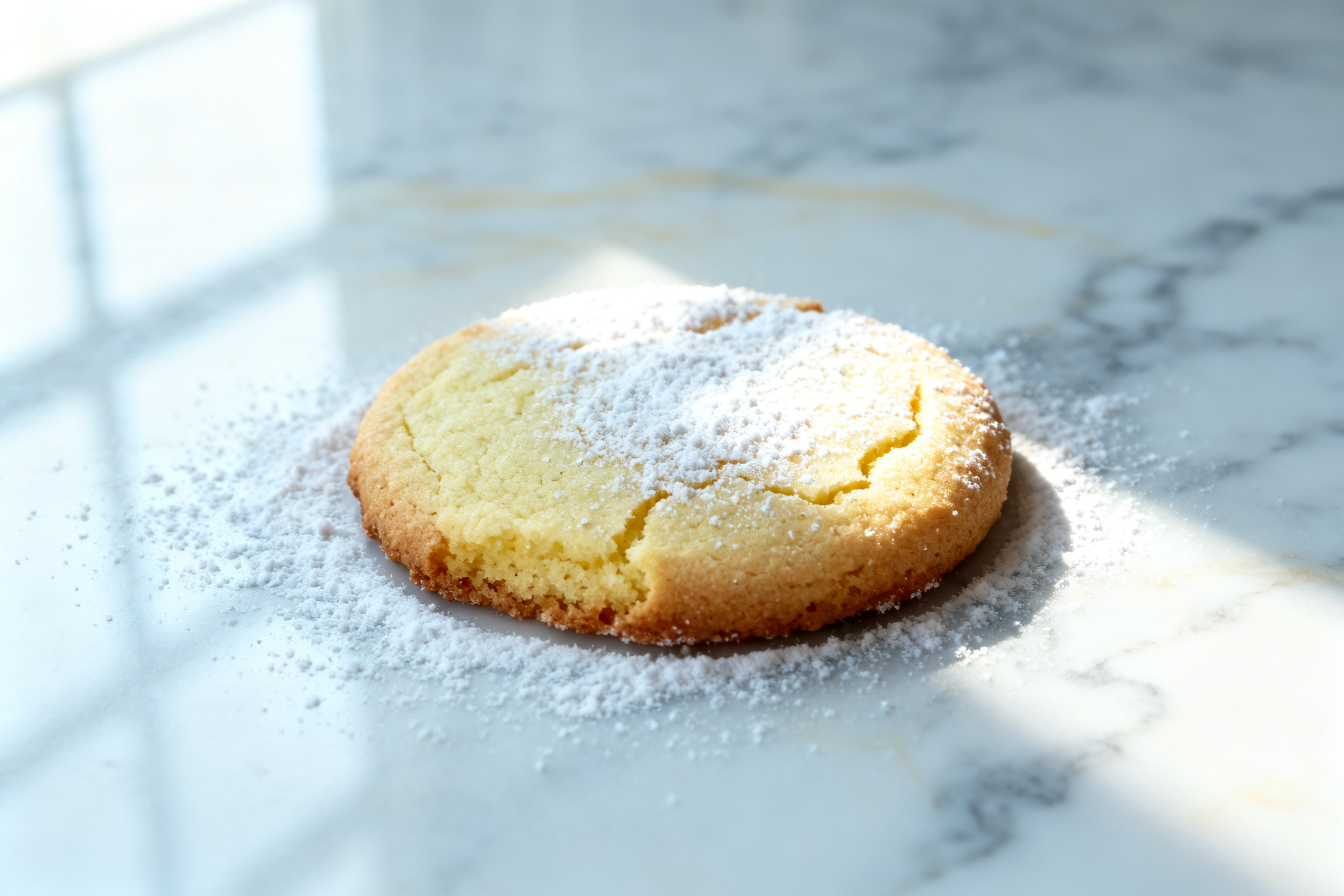
These sugar cookies are amazing on their own with a cold glass of milk or a hot cup of coffee. They’re not too sweet, so they pair well with a strong latte.
For a party, dip half the cookie in melted chocolate and sprinkle with sea salt. Instant upgrade. Or sandwich two cookies with buttercream frosting for a gluten-free whoopie pie.
They also make great ice cream sandwiches. Just soften your favorite vanilla ice cream, spread it on one cookie, top with another, and freeze for 20 minutes. Dangerous.
6. Use your leftovers
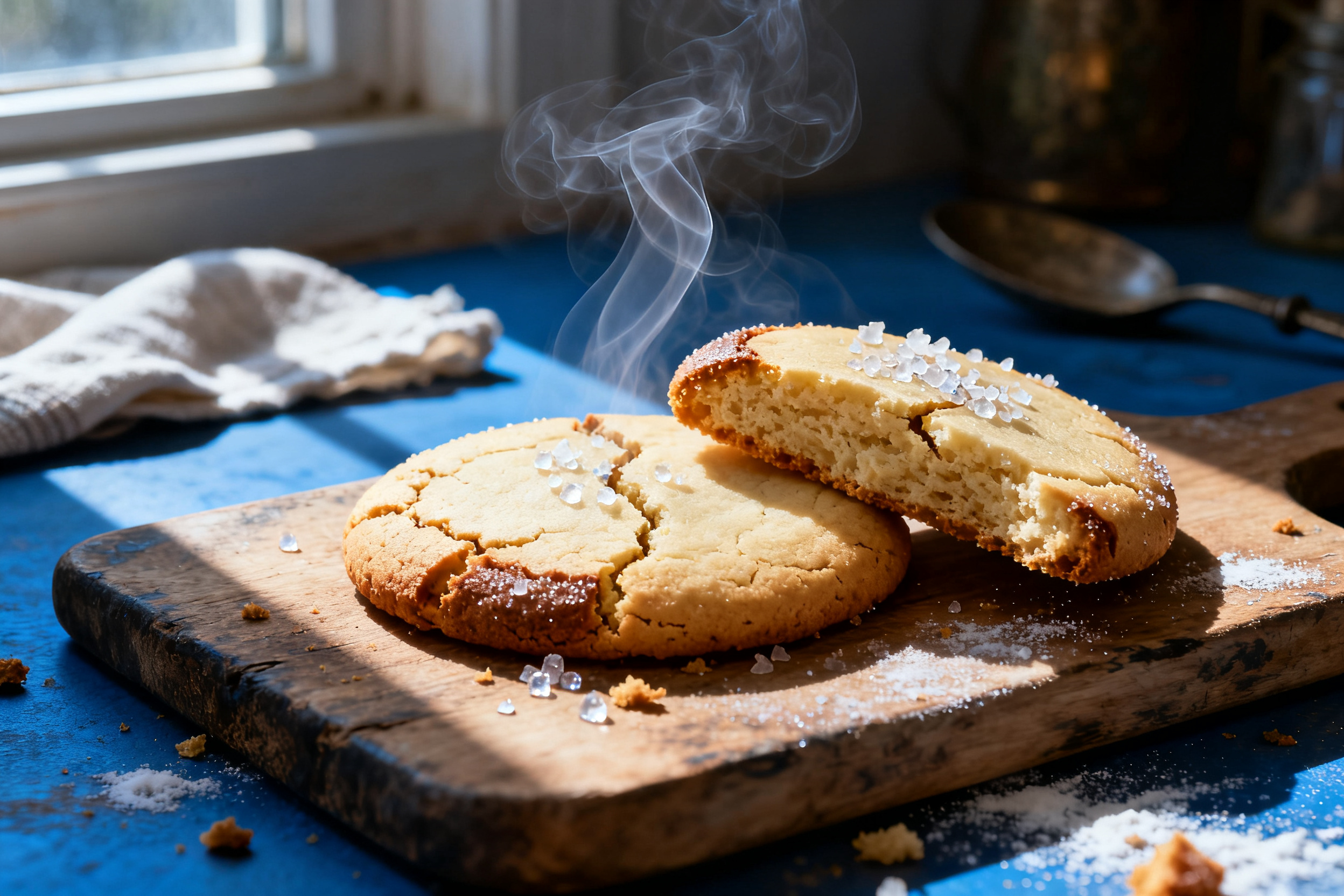
Crush leftover cookies (if you have any) into a crust for cheesecake or a topping for yogurt parfaits. Just mix the crumbs with a little melted butter and press into a pan. Bake at 350°F for 8 minutes — done.
7. Common mistakes & how to fix them
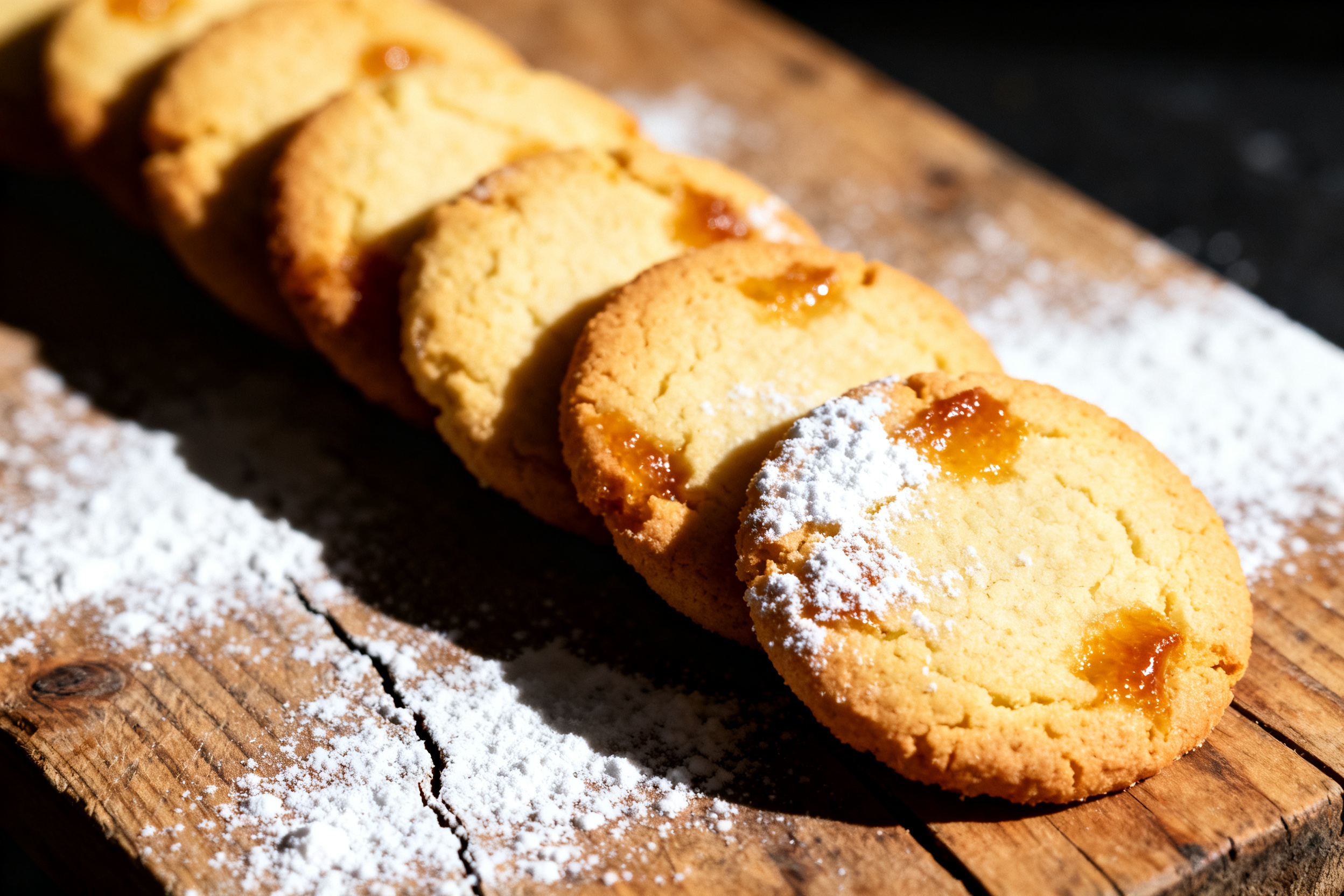
Cookies spread too much — your dough was too warm or you used melted butter. Next time, chill the dough longer and make sure your butter is softened, not runny.
Cookies are dry and crumbly — you overbaked them or your flour blend is too absorbent. Pull them out when the edges are just set and the centers look slightly underdone. They’ll firm up as they cool.
Gritty texture — this is the enemy. It usually means your flour blend has coarse rice flour. Use a superfine blend or sift your flour before measuring. I also add a tablespoon of cornstarch to smooth things out.
Cookies are too flat — your baking powder might be old. Test it by dropping a pinch into hot water — if it fizzes, it’s good. Also, make sure you’re not using margarine, which has more water.
8. Variations by diet or flavor profile
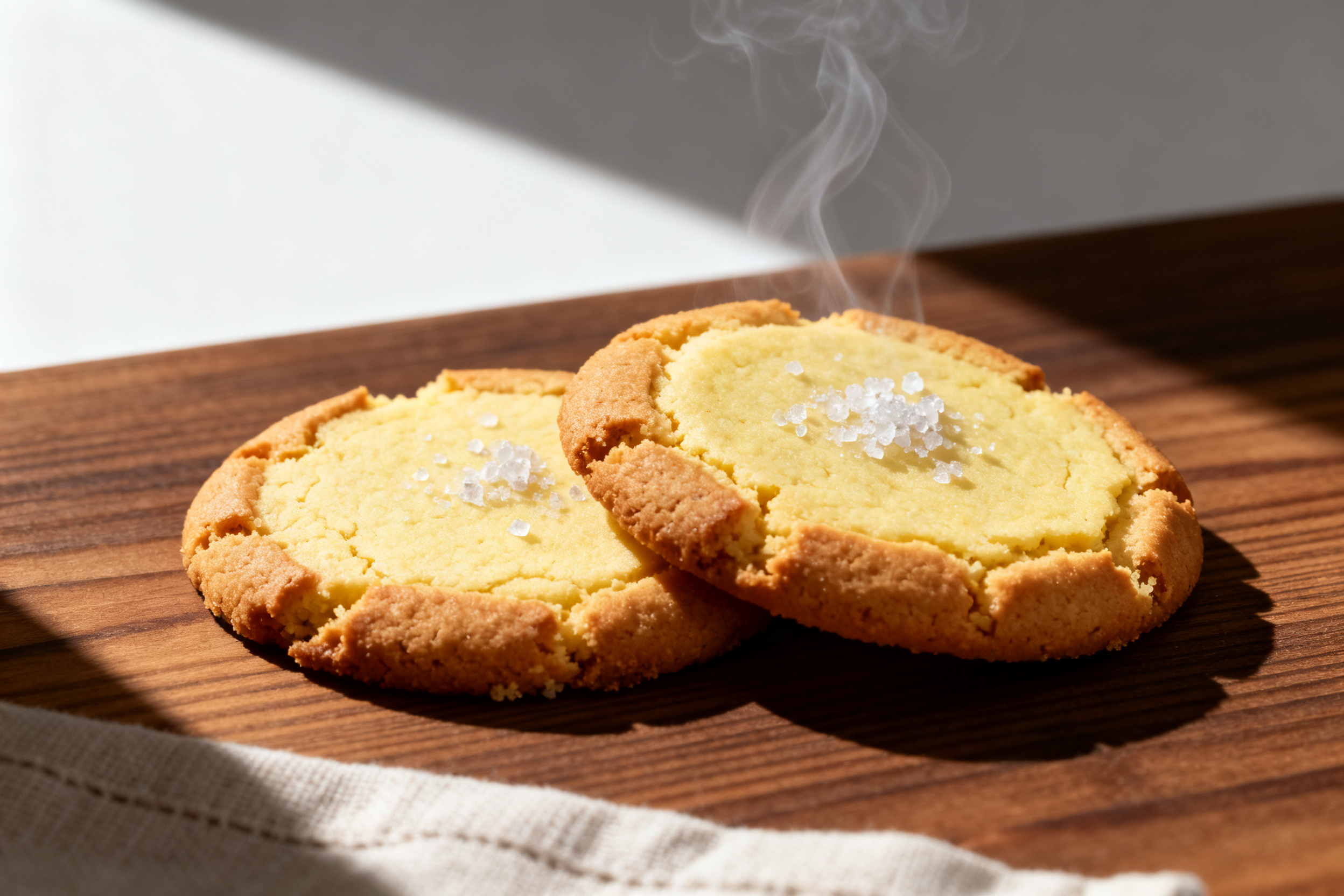
Want a vegan version? Use vegan butter and a flax egg (1 tbsp flax meal + 3 tbsp water). The cookies will be a bit more tender, but still delicious.
For citrus sugar cookies, add the zest of one lemon or orange to the sugar before creaming with butter. It brightens the flavor and makes them feel fancy.
9. Why this recipe works / The science
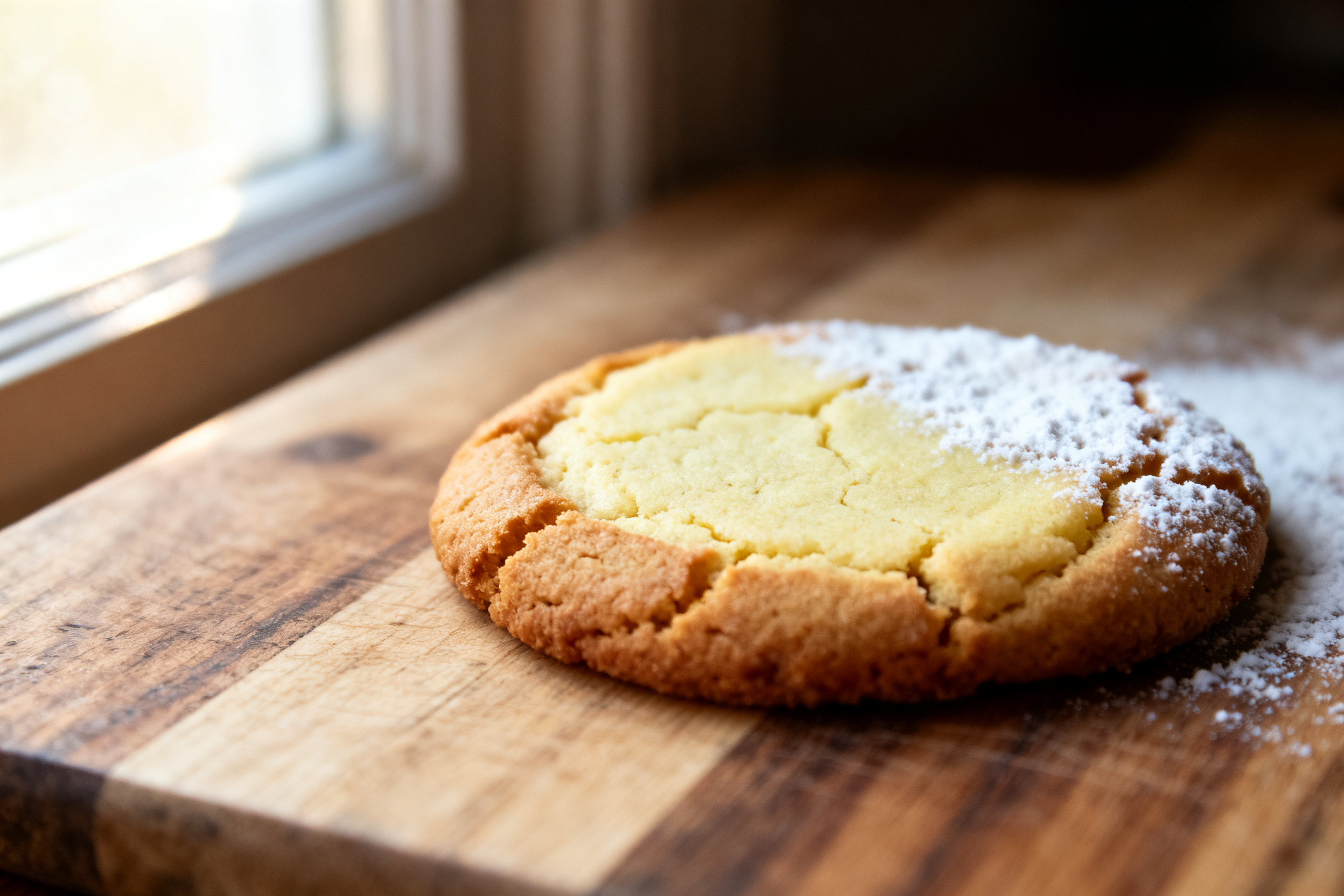
The secret to tender, non-gritty cookies is superfine flour and the right ratio of starch. Rice flour alone is gritty — but when you combine it with tapioca and potato starch, you get a smooth, melt-in-your-mouth texture.
Xanthan gum mimics gluten’s stretchiness. Without it, the cookies would crumble apart. Just ½ teaspoon holds everything together without making the dough gummy.
Chilling the dough solidifies the butter, so the cookies spread slowly in the oven. That gives the center time to cook through before the edges get too brown.
Using room-temperature eggs helps the butter and sugar cream properly. Cold eggs can make the butter seize up, leading to a dense dough.
The sugar-to-flour ratio is carefully balanced — enough sugar for sweetness and tenderness, but not so much that the cookies caramelize and turn crunchy.
10. Frequently Asked Questions (FAQ)
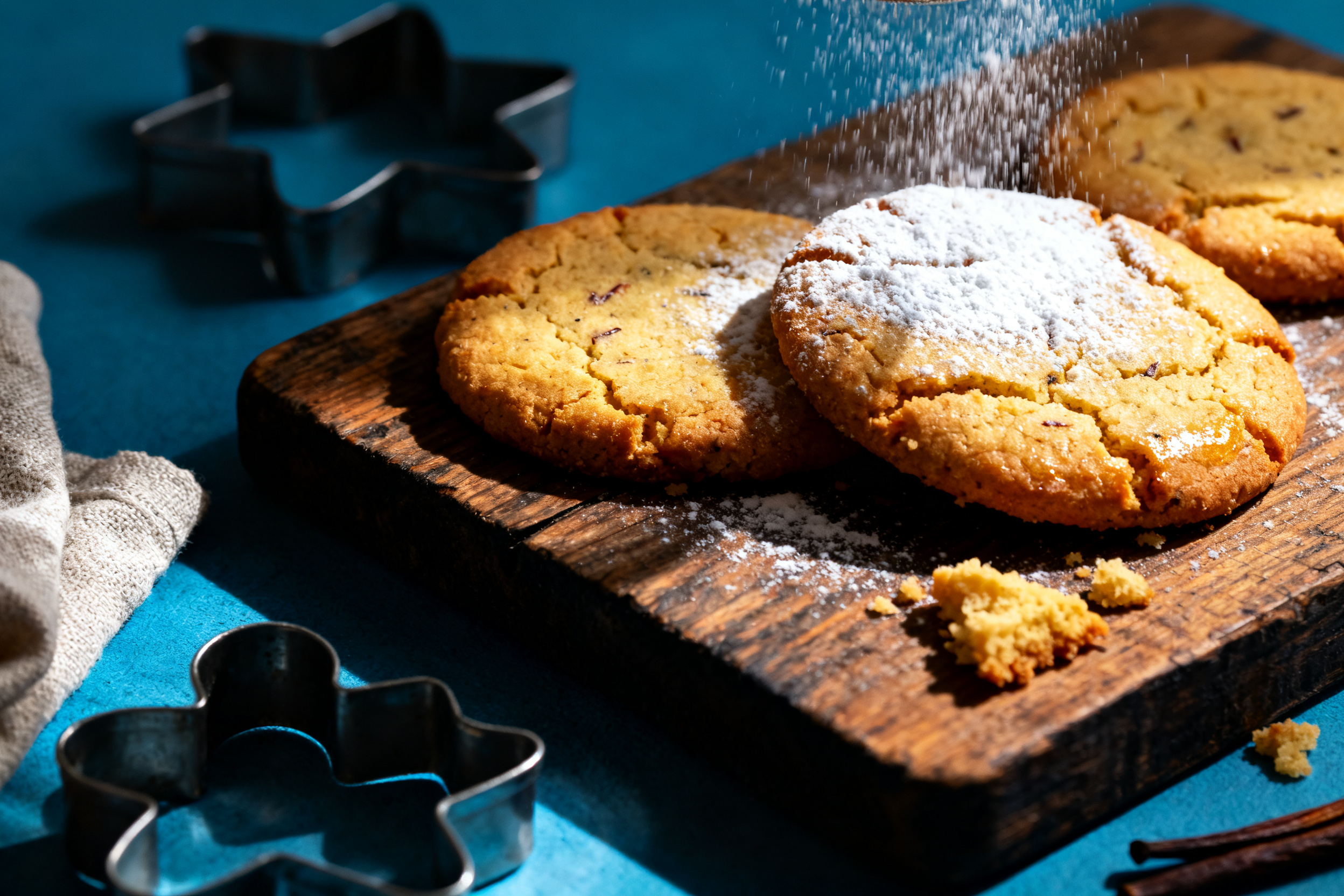
Can I use almond flour? Not in this recipe. Almond flour doesn’t have enough structure for cut-out cookies. Stick with a blend of rice and starches.
Why are my cookies puffy? You probably added too much baking powder. Stick to the measured amount — more doesn’t mean fluffier, it means weirdly domed cookies.
Can I make these into cut-out cookies for decorating? Yes! Roll the dough to ¼-inch thick between two sheets of parchment, chill for 20 minutes, then cut shapes. Bake 8–10 minutes.
Do I need to use a stand mixer? Nope. A hand mixer or even a sturdy whisk and some elbow grease work fine. Just cream the butter and sugar really well — about 3 minutes.
How do I know when they’re done? The edges should be lightly golden, but the centers will still look soft and puffy. They’ll set as they cool. If you wait until the centers are firm, they’ll be overbaked.
Can I double the recipe? Absolutely. It scales perfectly. Just make sure your mixing bowl is big enough — I’ve had flour fly everywhere more times than I’d like to admit.
11. Call to action
Now go bake these cookies and tag me on social media when you do — I want to see your gorgeous, non-gritty results. Drop a comment below if you tried a fun variation or if you have a question I didn’t cover.
If you loved this gluten free sugar cookie recipe, share it with a friend who’s been struggling with gluten-free baking. They’ll thank you later.
Don’t forget to subscribe so you never miss a recipe. I’ve got a chocolate chip version coming next month that’s even softer. You’re welcome.
These gluten free sugar cookies are everything you hoped for — tender, buttery, and completely free of that awful sandy texture. I’ve tested them more times than I can count, and they never disappoint. Whether you’re baking for a holiday, a birthday, or just because it’s Tuesday, this recipe delivers.
So preheat that oven, grab your favorite flour blend, and get ready to fall in love with gluten-free baking again. And remember — if at first you don’t succeed, eat the evidence and try again.
Happy baking, friend. Now go make some memories (and some cookies).
Gluten Free Sugar Cookies – Tender & Not Gritty
Ingredients
- 1 cup 2 sticks unsalted butter, softened
- 1 cup granulated sugar
- 1 large egg room temperature
- 2 teaspoons vanilla extract
- 2 cups gluten-free all-purpose flour blend superfine rice flour based, with tapioca and potato starch
- 1/2 teaspoon xanthan gum omit if your blend already contains it
- 1/2 teaspoon baking powder
- 1/4 teaspoon salt
- Optional: extra sugar for rolling
Instructions
- In a large bowl, beat the softened butter and sugar together with an electric mixer on medium speed until light and fluffy, about 3 minutes. Scrape down the sides.
- Add the egg and vanilla extract. Beat until combined, about 1 minute.
- In a separate bowl, whisk together the gluten-free flour blend, xanthan gum (if using), baking powder, and salt.
- Gradually add the dry ingredients to the wet mixture, mixing on low speed just until no dry streaks remain. Do not overmix.
- Cover the dough with plastic wrap and refrigerate for at least 30 minutes (or up to 3 days).
- Preheat oven to 350°F (175°C). Line two baking sheets with parchment paper.
- Scoop tablespoon-sized balls of dough (about 1.5 tablespoons each). Roll them between your palms until smooth, then roll in granulated sugar if desired. Place 2 inches apart on the prepared sheets.
- Bake for 9–11 minutes, until the edges are lightly golden and the centers still look slightly soft. Do not overbake.
- Let the cookies cool on the baking sheet for 5 minutes, then transfer to a wire rack to cool completely.
Notes
2. For egg-free: use a flax egg (1 tbsp ground flaxseed + 3 tbsp water, let sit 5 minutes).
3. Cookies will be slightly more tender.
4. For cut-out cookies: roll dough between two sheets of parchment to 1/4-inch thick, chill 20 minutes, cut shapes, bake 8–10 minutes.
5. Store baked cookies in an airtight container at room temperature for up to 5 days. Freeze for up to 3 months.
6. To freeze raw dough: scoop into balls, freeze on a tray, then transfer to a bag. Bake from frozen, adding 2 minutes.